Lavender Water
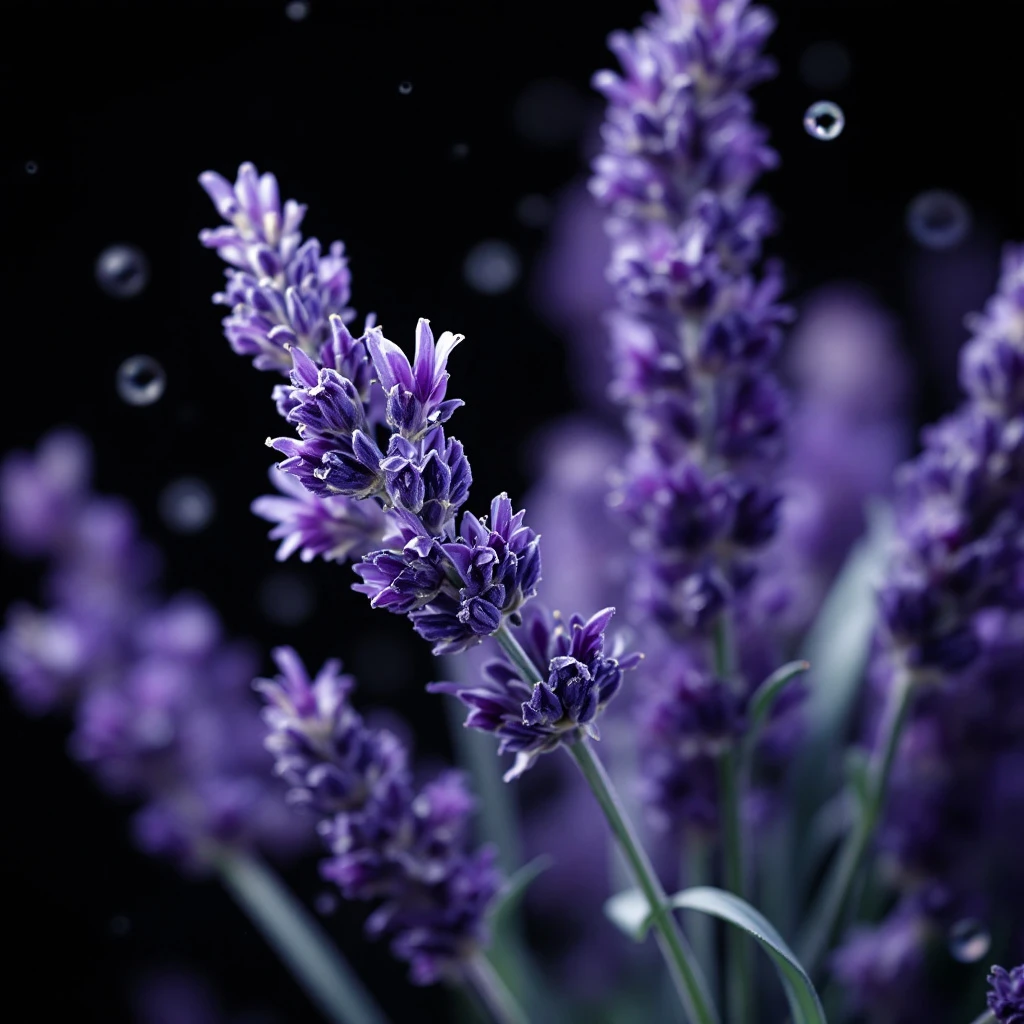
Lavender water, or hydrosol, captures the calm, herbaceous soul of Lavandula angustifolia. This aromatic distillate has cooled royal brows and perfumed European baths for centuries, bridging apothecary heritage with modern fragrance.
Character
How it smells
The ancient herb distilled into modern calm.
Ancient Romans added lavender water to their baths so regularly that the plant name derives from the Latin 'lavare,' meaning to wash.





Origin
India
Lavender appears in human history as early as 2,500 years ago, when ancient Egyptians employed it in mummification rituals and aromatic preparations. The ancient Greeks and Romans later adopted lavender for perfuming their legendary bathing complexes, a practice so ingrained that the plant's name derives from the Latin 'lavare,' meaning to wash.
During the Middle Ages, European monasteries cultivated lavender in their medicinal gardens, where herbalists transformed the herb into scented waters for both ritual and therapeutic purposes. By the eighteenth century, the South of France had become the epicenter of lavender production, with farming serving as the region's central economic function.
This agricultural prominence gave rise to the distinguished perfume industry in Grasse, where lavender water became a staple product. The industrial revolution and development of synthetic fragrance materials in the nineteenth century democratized lavender scents, making them accessible beyond aristocratic circles for the first time.
Wears it best
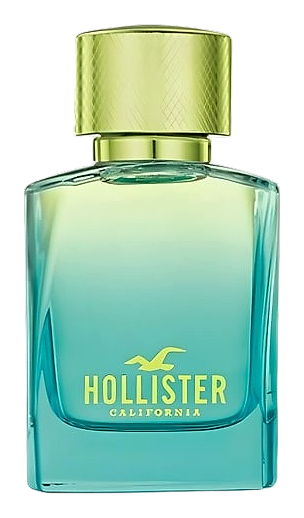
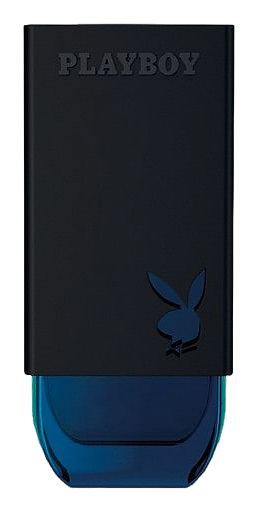
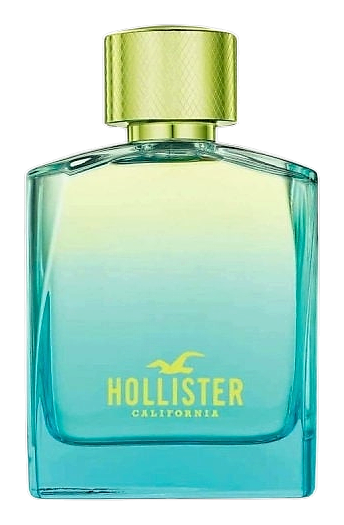
Fragrances featuring Lavender Water
Good to know
Questions, answered
The essentials on Lavender Water in perfumery: how it smells, where it comes from, and how it behaves on skin.
What is lavender water?
Lavender water is a hydrosol produced during steam distillation of lavender. Unlike essential oil, it contains water-soluble aromatic compounds, giving it a lighter, more rounded scent suitable for sensitive skin and everyday use.
How is lavender water made?
Steam distillation of fresh lavender flower tops produces both essential oil and aromatic water. The hydrosol collects as a byproduct, retaining water-soluble fragrance compounds at lower concentration than the essential oil.
What plant produces lavender water?
Lavandula angustifolia, commonly called English or true lavender, produces the finest hydrosol. This species offers the sweetest, most refined aroma compared to related lavandin varieties used for bulk production.
Where does lavender originate?
Lavender originated in the highlands of India, though it has naturalized across the Mediterranean basin. Today, France, Bulgaria, and England grow the most prized cultivars for perfumery.
Is lavender water natural or synthetic?
True lavender water is entirely natural, derived from steam distillation. Synthetic versions mimic the scent using artificial compounds but lack the complex botanical profile of genuine hydrosol.
What did ancient Egyptians use lavender for?
Ancient Egyptians used lavender as a perfume and incense ingredient as early as 2,500 years ago. They also employed it in mummification rituals, valuing its aromatic and preservative properties.
Why did lavender become important to Grasse?
By the eighteenth century, the South of France relied on lavender farming as its central economic activity. This agricultural foundation enabled Grasse to emerge as Europe's premier perfume manufacturing center.
What distinguishes lavender water from lavender essential oil?
Essential oil separates as a hydrophobic layer during distillation, while lavender water is the remaining aromatic hydrosol. The water-based product is gentler and suitable for skin applications that concentrated oil cannot support.