Kukicha
Kukicha, a rare Japanese tea stem extract, brings a quiet, grassy warmth to niche perfumery. Its delicate, hay-like aroma adds an unexpected vegetal softness to green and woody compositions.
Character
How it smells
Whisper of tea fields in a bottle.
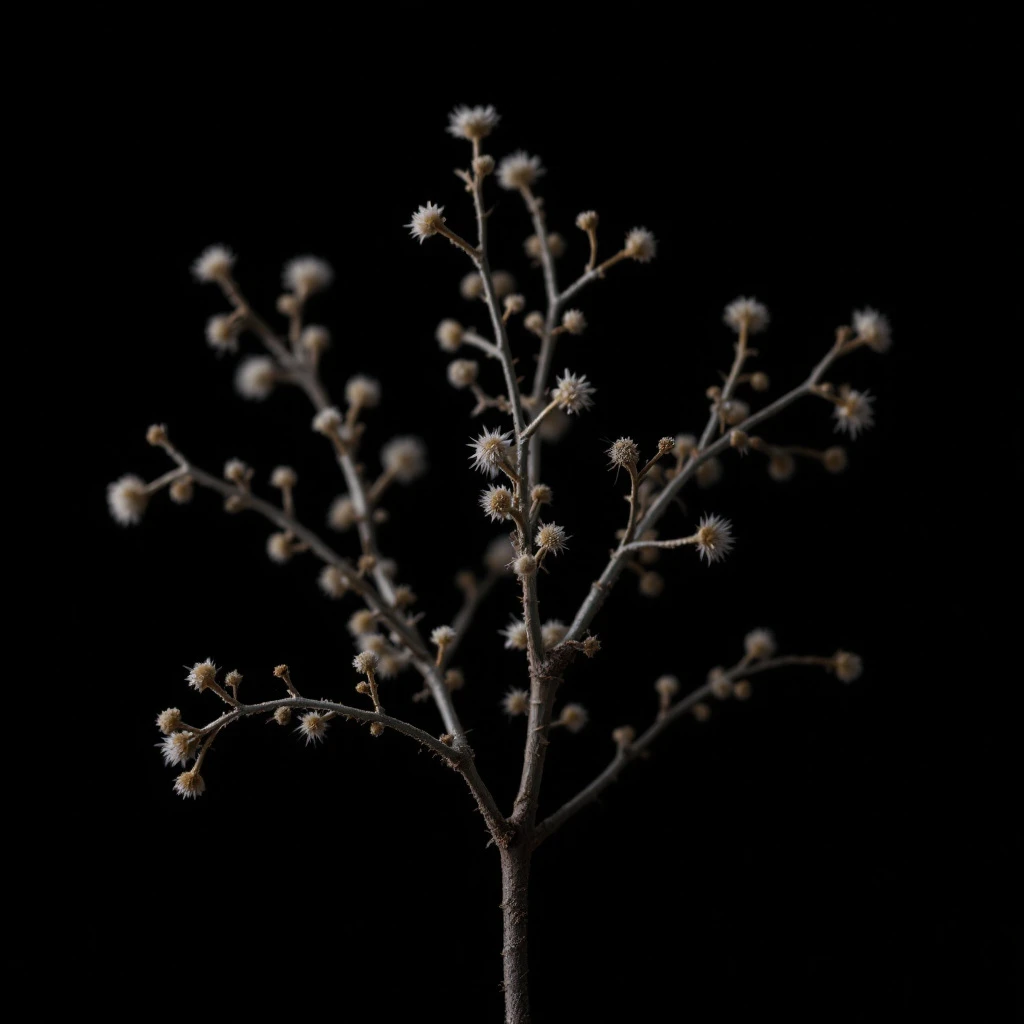
Kukicha literally means 'stem tea' in Japanese, made from the twigs left after harvesting sencha or gyokuro leaves, giving it a naturally lower caffeine content than leaf teas.



Origin
Japan
Kukicha holds a long-standing place in Japanese culinary tradition, where twig tea has been brewed since at least the Edo period as a humble, everyday beverage. Its arrival in perfumery is far more recent, emerging as part of the broader interest in Japanese botanical materials that gained international attention in the late twentieth century. Perfumers drawn to green tea accords initially focused on leaf extracts; kukicha entered the conversation as artisans explored the more delicate, woody dimensions of the tea plant beyond its leaves.
The ingredient reflects a growing perfumery appreciation for materials that carry cultural weight in their countries of origin. Today, kukicha appears sparingly in niche and artisan fragrance houses seeking authentic Japanese green notes.
Wears it best
Fragrances featuring Kukicha
Brands
Brands known for Kukicha
Good to know
Questions, answered
The essentials on Kukicha in perfumery: how it smells, where it comes from, and how it behaves on skin.
What does kukicha smell like in perfume?
Kukicha carries a soft, grassy aroma with hay-like warmth and a faint nutty sweetness. It sits lighter than leaf tea extracts, offering vegetal softness rather than sharp greenness in compositions.
Is kukicha the same as green tea in perfumery?
No. Kukicha is derived from tea stems and twigs rather than leaves, producing a drier, woodier scent. Green tea notes typically use leaf extracts or reconstructed accords with sharper, more vegetal character.
Why is kukicha rare in fragrances?
Kukicha remains uncommon because stems are a byproduct of tea leaf harvesting, yielding only small extractable quantities. Genuine kukicha perfume material requires specialized sourcing from Japanese tea growers.
When was kukicha first used in perfumery?
Kukicha entered niche perfumery during the late twentieth century as Japanese botanical materials gained international attention. Earlier green tea accords relied almost entirely on leaf-based extracts.
How is kukicha fragrance material produced?
Dried tea stems undergo steam distillation to yield a light essential oil, or solvent extraction for a richer absolute. The process mirrors methods used for other delicate botanical materials in fine perfumery.
Where does kukicha originate?
Kukicha comes from Japanese tea cultivation, primarily Camellia sinensis plants grown in regions such as Uji and Shizuoka. The stems are harvested as a byproduct of leaf tea production.
Does kukicha contain caffeine?
Yes, though considerably less than leaf teas. Kukicha stems contain roughly half the caffeine of sencha leaves, contributing to its traditional reputation as a gentler, everyday beverage in Japan.
Which fragrance families feature kukicha?
Kukicha appears most often in green and woody fragrance families, where its grassy warmth complements vetiver, bamboo, and light musks. It occasionally appears in fresh floral compositions seeking unusual green facets.





