Kewra
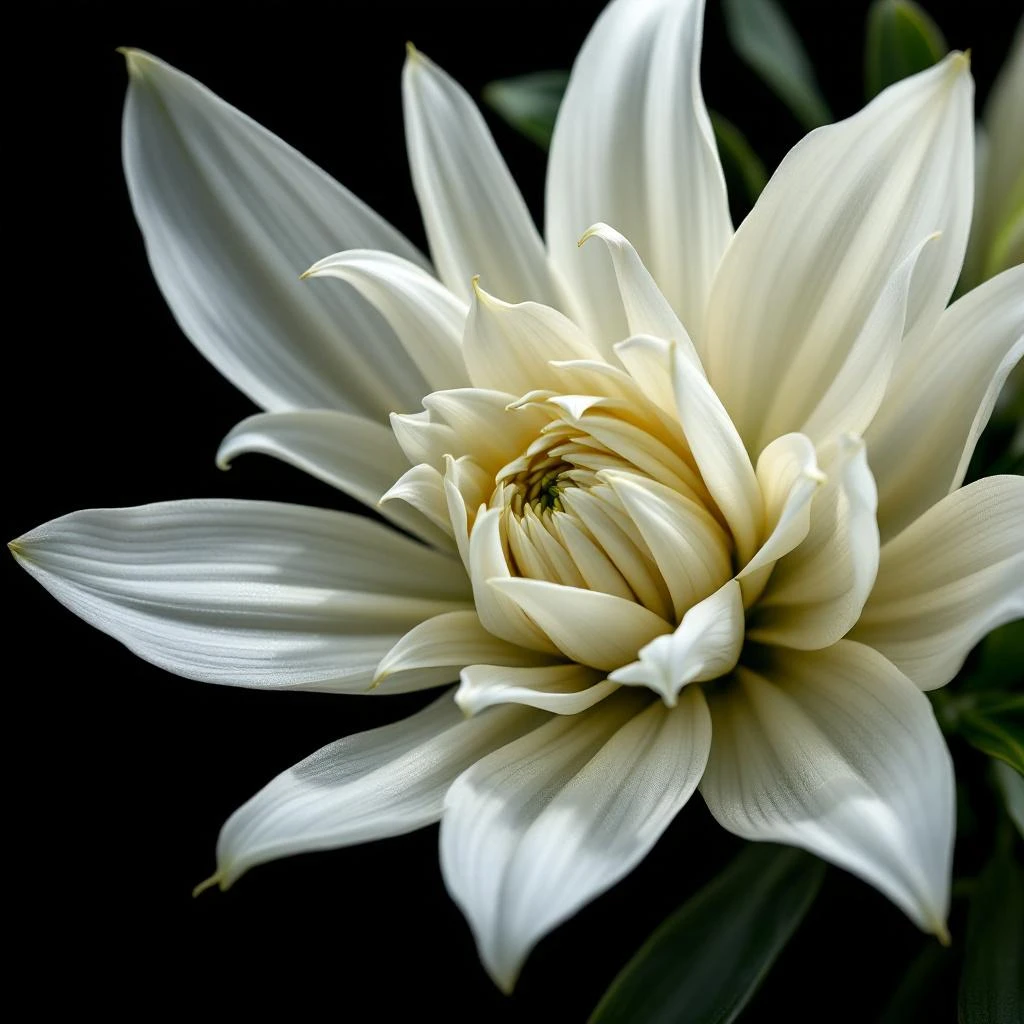
Kewra essence delivers a sweet, intoxicating floral character with creamy undertones and a faint coconut-green facet. In perfumery, it functions as a heart-to-base bridge, lending exotic warmth and natural richness that pairs exceptionally well with woody and resinous ingredients.
Character
How it smells
Tropical blossoms distilled into an aromatic tradition spanning centuries.
The kewra flower (Pandanus fascicularis) blooms for just a single night each year, making each harvest a time-sensitive and labor-intensive process.







Origin
India
Kewra holds a revered position in South Asian cultural and aromatic traditions, appearing in ancient Ayurvedic texts and temple rituals across India and Sri Lanka. The flowers were historically offered to deities, woven into garlands for ceremonial occasions, and used to scent living spaces during festivals. The introduction of kewra into attar-making traditions represented a fusion of botanical resourcefulness and craft refinement, where perfumers recognized the flower could contribute a distinctive tropical sweetness unattainable from other regional botanicals.
By the colonial era, kewra essence had gained the attention of European trading companies, who exported it as a luxury ingredient alongside sandalwood and jasmine absolutes. Today, kewra remains a signature material in Indian perfumery, particularly in the creation of traditional attars and modern fragrance compounds seeking an unmistakably South Asian olfactory identity.
Wears it best
Fragrances featuring Kewra

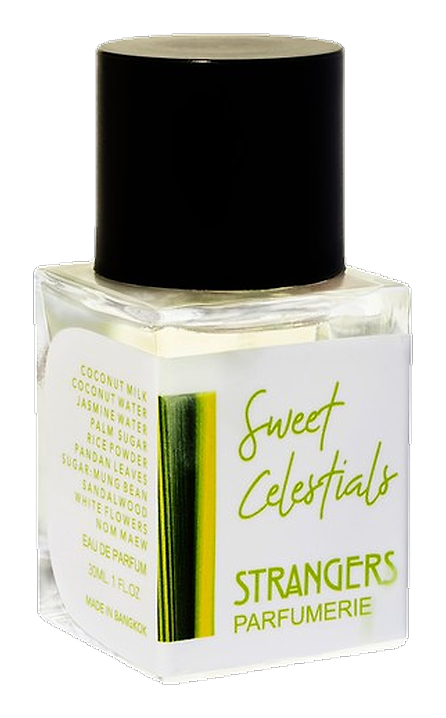
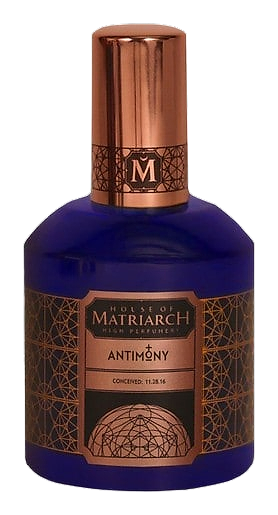
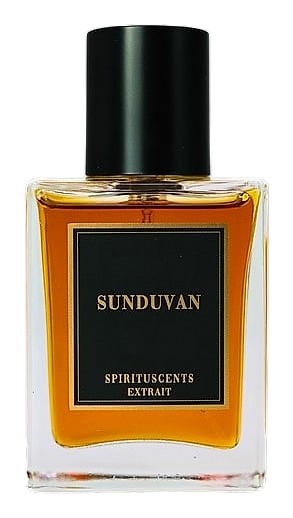
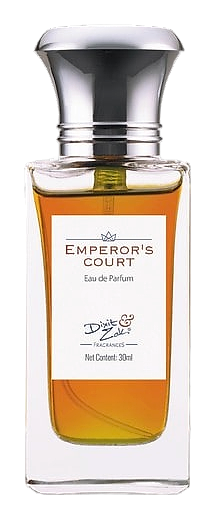
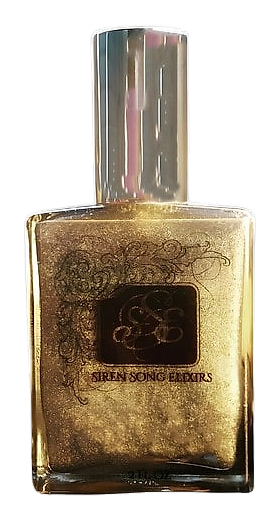
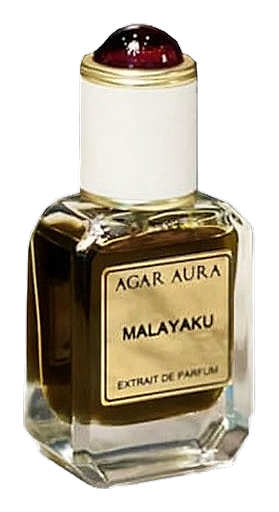
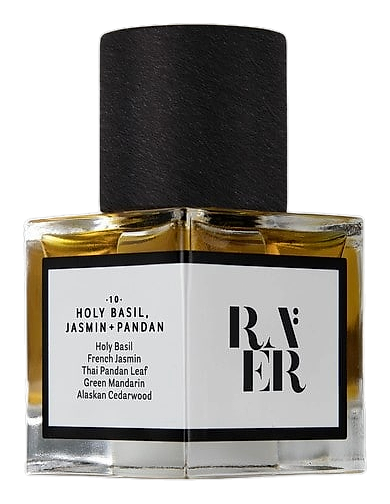
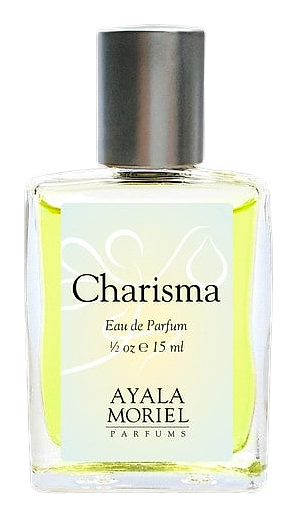
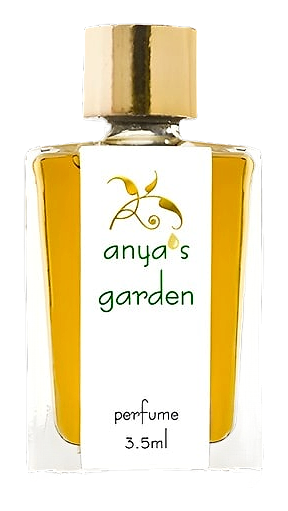
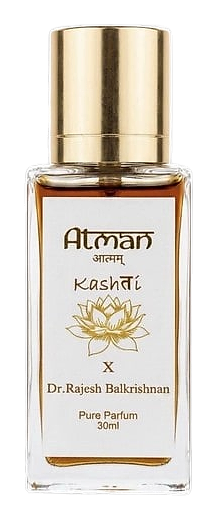
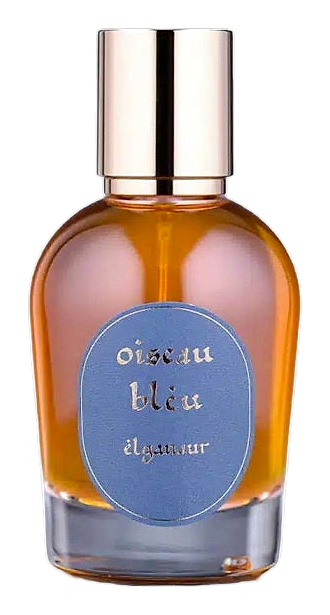
Brands
Brands known for Kewra
Good to know
Questions, answered
The essentials on Kewra in perfumery: how it smells, where it comes from, and how it behaves on skin.
What does Kewra smell like in perfume?
Kewra delivers a sweet, intensely floral scent with creamy coconut and green grassy undertones. It registers as heady and tropical in heart compositions and contributes a warm, exotic richness when used as a base note material.
Why is Kewra used in perfumery?
Kewra provides a distinctive tropical floral signature that is difficult to replicate with synthetic materials. Its natural complexity—combining sweetness, creaminess, and green facets—makes it a valued heart-to-base ingredient, particularly in attars and oriental fragrance constructions where warmth and exotic character are desired.
Is Kewra in perfume natural or synthetic?
Kewra used in fine perfumery is primarily natural, extracted from Pandanus fascicularis flowers via hydrodistillation. Synthetic kewra compounds (such as 2-acetyl-1-pyrroline analogs) exist in commodity fragrances, but natural kewra remains the preferred choice for premium attars and artisanal scents.
What famous perfumes contain Kewra?
Kewra appears primarily in traditional Indian attars and South Asian fragrance houses rather than Western designer perfumes. Regional houses including Gulab Singh Johri and several Kannauj-based producers incorporate kewra into signature blends, though Kewra does not appear among the top materials in globally distributed Western fragrances.
Is Kewra a top note, heart note, or base note?
Kewra functions primarily as a heart note in modern perfumery, though its tenacity allows it to behave as a partial base note in attar formulations. Its sillage persists through the mid-development of a fragrance, contributing warmth and exotic floral character throughout the dry-down phase.
What notes pair well with Kewra in perfume?
Kewra pairs naturally with sandalwood, oud, jasmine, rose, and vetiver in oriental constructions. Its coconut-green facet complements green tea and fresh citrus top notes, while its sweet floral warmth aligns well with amber, vanilla, and benzoin in richer base compositions.
How is Kewra extracted?
Kewra is extracted via hydrodistillation, where fresh Pandanus fascicularis flower heads are immersed in water and heated to a controlled temperature below boiling. Steam carrying volatile aromatic molecules rises, passes through a cooling system, and condenses into a two-phase distillate of aromatic water and essential oil.
Is Kewra used in men's or women's fragrances?
Kewra is used across gender categories, though its lush tropical floralcy skews toward feminine-leaning oriental and floral fragrance constructions. In traditional Indian attars, gender conventions are less pronounced, and kewra appears freely in blends marketed to all wearers seeking warm, exotic fragrance profiles.