Kencur
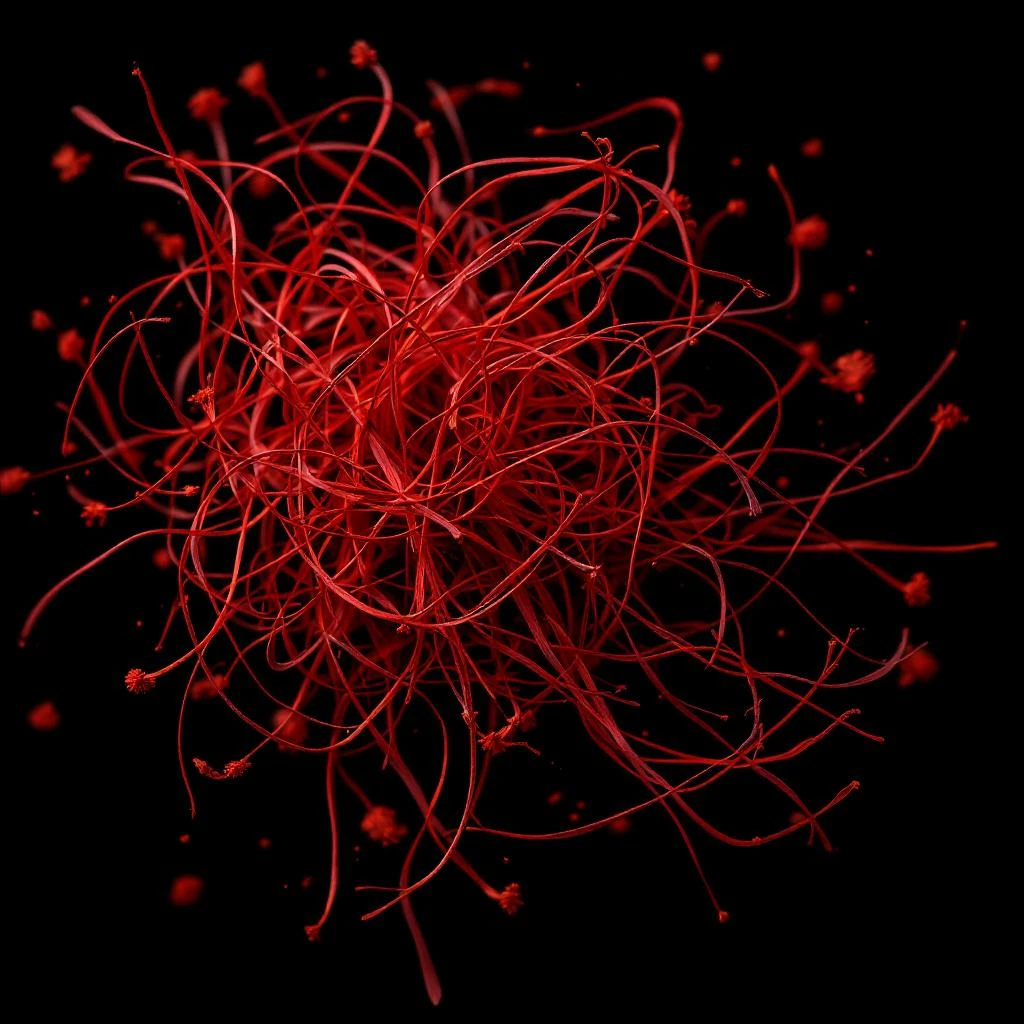
A Southeast Asian rhizome prized in perfumery for its fresh, camphorated warmth and subtle peppery bite. Kencur brings an unexpected green-spice character rarely found in Western fragrance palettes.
Character
How it smells
The camphor-tinged heart of Javanese perfumery.
In Javanese tradition, kencur is planted at crossroads and carried as a protective amulet alongside turmeric and ginger.

Origin
Indonesia
Kencur holds deep roots in Javanese herbal medicine, where it has anchored the jamu tradition for over a thousand years. Javanese healers documented kencur in palm-leaf manuscripts dating to the Majapahit kingdom era (13th to 16th century), pairing it with turmeric and ginger in tonic blends meant to restore internal balance. Beyond medicine, Javanese households hung dried kencur rhizomes in doorways as protective talismans, a practice still observed in rural Central Java.
The plant made its way into regional perfumery through the spice trade networks linking Indonesia to India, Arabia, and East Africa. Arabian traders sought aromatic ingredients for attar production, and kencur arrived as a novelty that added an unusual camphoraceous warmth to traditional oil-based perfumes. In India, Ayurvedic texts from the 18th century reference kencur as karchura, noting its use in ceremonial unguents.
Today, Java remains the primary cultivation zone, with smaller production in Thailand and Kerala, India. Modern perfumers in niche houses now access this ingredient for its ability to evoke wet-earth freshness and spice without heaviness.
Wears it best
Fragrances featuring Kencur
Brands
Brands known for Kencur
Good to know
Questions, answered
The essentials on Kencur in perfumery: how it smells, where it comes from, and how it behaves on skin.
What does kencur smell like?
Kencur offers a camphorated freshness with peppery warmth. It opens with a sharp, clean note reminiscent of eucalyptus, settling into a subtle, sweet-balsamic base. The effect reads as green and earthy rather than floral.
Where does kencur essential oil come from?
Steam distillation of dried Kaempferia galanga rhizomes produces the oil. Indonesia, particularly Java, dominates production. Thailand and Kerala, India also cultivate the plant for essential oil export.
How does kencur differ from ginger?
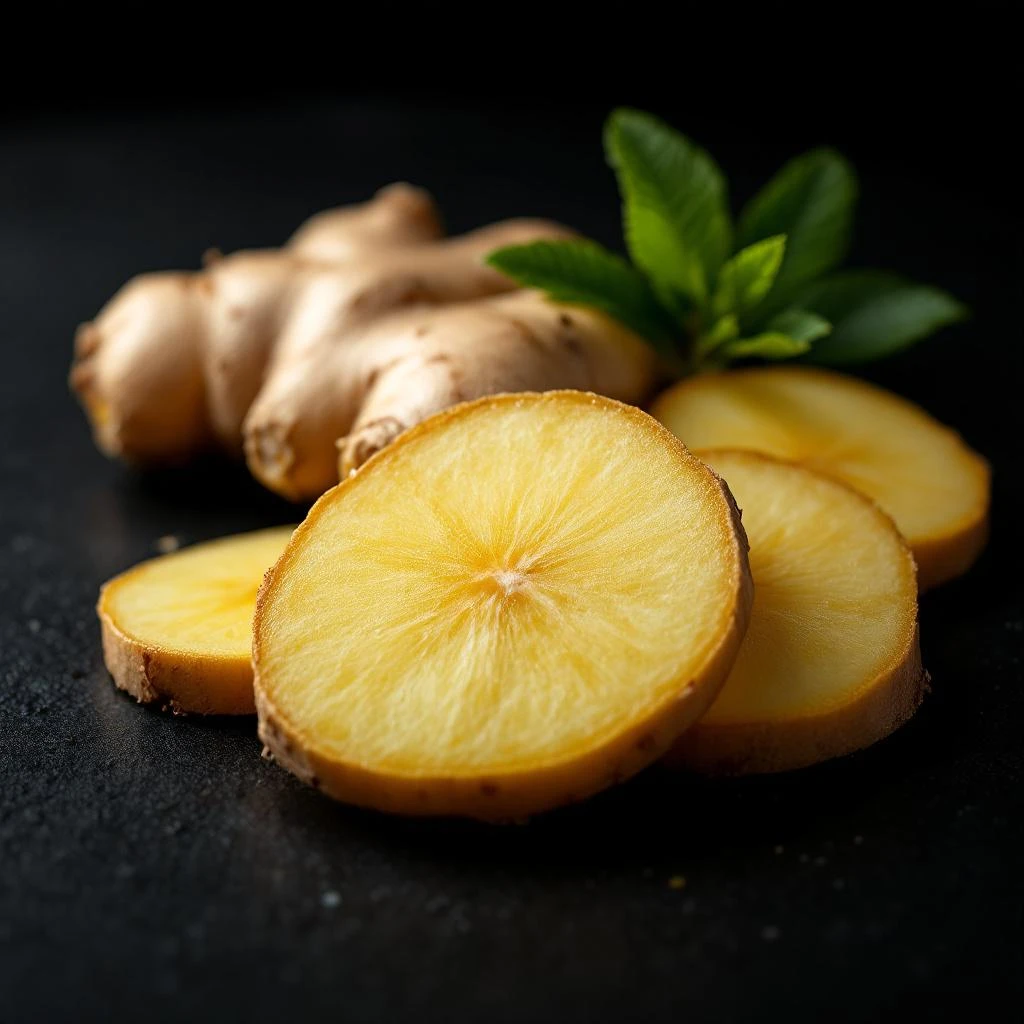
Though both belong to the Zingiberaceae family, they come from different genera. Kencur (Kaempferia galanga) carries a camphorated, slightly bitter profile, while true ginger (Zingiber officinale) presents bright citrus and zesty warmth.
Is kencur used in natural perfumery?
Yes. Niche fragrance houses use kencur absolute and essential oil to introduce unusual green-spice dimensions. It appears in base compositions alongside woody and balsamic materials to add depth and regional character.
What compounds define kencur's aroma?
Ethyl cinnamate contributes sweet-balsamic warmth. Camphor delivers sharp, cooling freshness. 1,8-cineole (eucalyptol) reinforces the camphorated note. These three compounds together create kencur's signature green-spice profile.
Is kencur related to galangal?
Yes. Galangal and kencur share the Alpinia and Kaempferia genera respectively within the ginger family. Galangal delivers citrusy-floral warmth, while kencur provides camphorated sharpness and peppery bite.
What traditional uses exist outside perfumery?
In Java, kencur forms part of jamu, an ancient herbal drink combining turmeric, ginger, and kencur for daily wellness. It also appears in Indonesian cooking, Thai herbal compresses, and Ayurvedic formulations.
Does kencur grow wild or under cultivation?
Kencur grows wild in the forests of Java and Sumatra but is primarily cultivated in smallholder farms. The plant prefers dappled shade and moist, well-drained soil, reaching harvestable size within eight to ten months.