Kava Kava
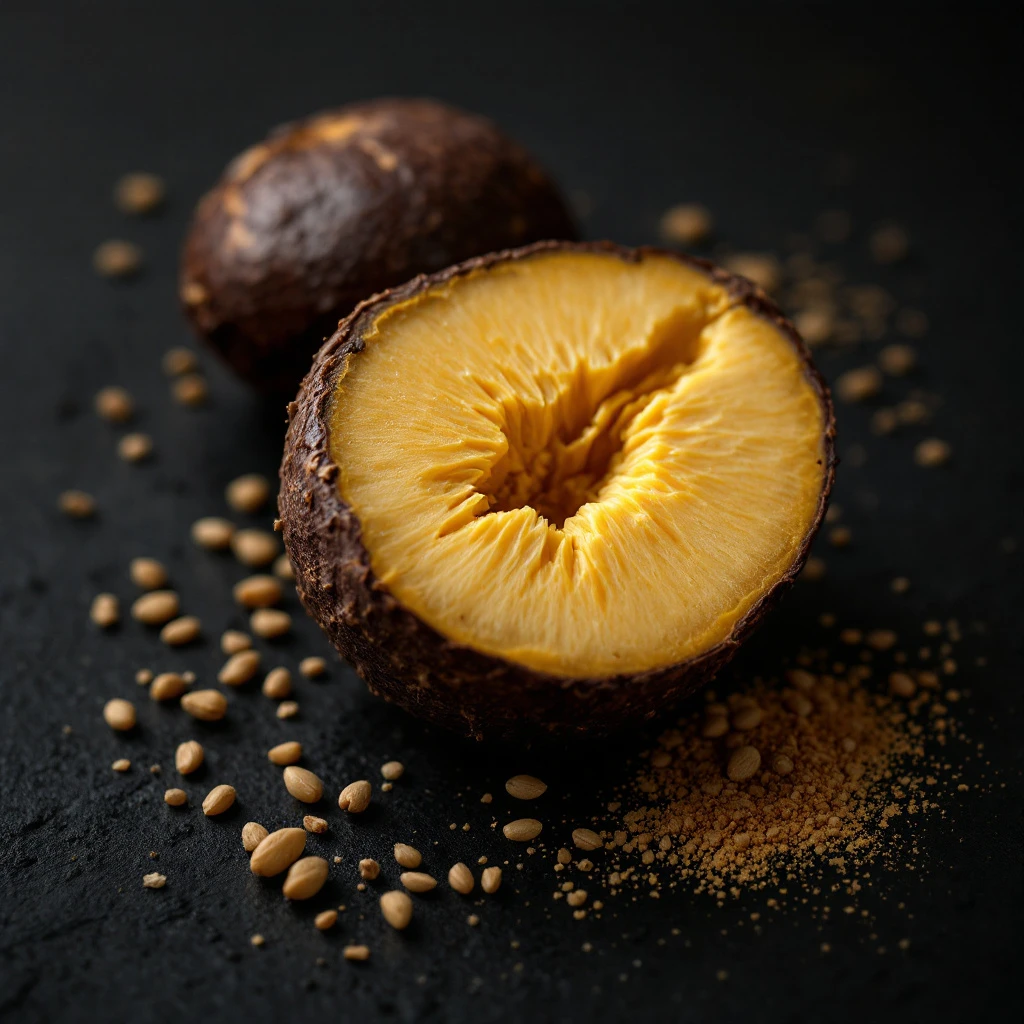
A grounding botanical from the Pacific islands, kava yields a warm, earthy aroma with subtle peppery warmth. Valued for millennia in ceremonial and social life, its root extract brings a distinctive calming character to fine fragrance.
Character
How it smells
The Pacific sedative that grounds and quiets.
Kava cannot propagate on its own. The plant produces no seeds, meaning every kava plant alive today exists because human cultivators physically divided and replanted its roots.




Origin
Vanuatu
Kava (Piper methysticum) traces its origins to northern Vanuatu, where farmers domesticated the plant roughly 3,000 years ago through careful selective cultivation. The greatest genetic diversity of kava still exists in Melanesia, particularly Vanuatu, suggesting this region is its true birthplace. Kava lacks seeds or any natural means of self-propagation, making human cultivation essential to its survival.
Early maritime explorers and traders carried kava across Oceania, establishing it throughout Polynesia and Micronesia. Pacific island communities incorporated kava into ceremonies ranging from welcoming honored guests to sealing agreements between chiefs. Healers valued the root for its calming properties, and social rituals centered on the prepared beverage reinforced community bonds.
Captain James Cook documented kava during his 18th-century voyages, bringing wider attention to this Pacific tradition. Unlike the alcoholic drinks that dominate other island cultures, kava is prepared as a water-based infusion, making it botanically unique among ceremonial beverages worldwide.
Wears it best
Fragrances featuring Kava Kava
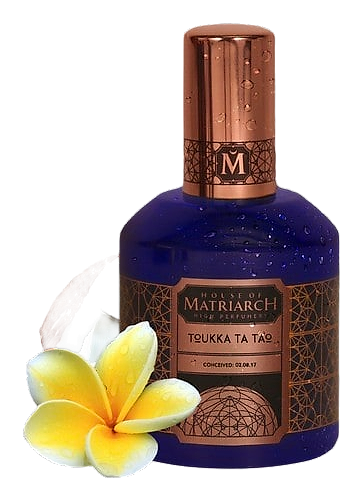
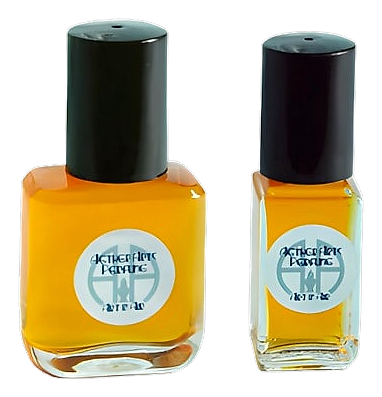
Brands
Brands known for Kava Kava
Good to know
Questions, answered
The essentials on Kava Kava in perfumery: how it smells, where it comes from, and how it behaves on skin.
What does kava smell like in fragrance?
Kava extract delivers a warm, earthy aroma with gentle peppery undertones and a subtle calming quality. The scent is grounding rather than floral, often described as slightly woody with a hint of spice.
Where does kava originate?
Kava originated in northern Vanuatu in the South Pacific, where farmers first domesticated it around 3,000 years ago. Vanuatu remains the primary source and holds the greatest genetic diversity of any kava-growing region.
Is kava used in perfumery?
Yes. Kava extract appears in fine fragrance as a supporting note, valued for its grounding, earthy character. It works particularly well in base compositions where a warm, calming dry-down is desired.
Why is kava considered unique among plants?
Kava produces no seeds and cannot self-propagate. Every kava plant existing today exists because human cultivators physically divided and replanted root cuttings, making it entirely dependent on human intervention for survival.
How is kava extracted for fragrance use?
Supercritical carbon dioxide extraction is the primary method for fragrance-grade kava extract. This technique isolates kavalactones while controlling flavokawain levels, producing a consistent aromatic material suitable for fine fragrance applications.
What parts of the kava plant are used?
Fragrance extraction focuses on the dried root and rhizome. These underground structures contain the highest concentration of kavalactones, the aromatic compounds that define kava's characteristic scent profile.
Do different kava cultivars affect fragrance?
Yes. Individual cultivars like Borogu and Isa contain varying kavalactone ratios, which directly influence aromatic outcome. Professional extract manufacturers select cultivars based on desired scent characteristics.
Is kava safe to use in fragrance?
When extracted from the root using controlled methods like supercritical CO2, kava extract is safe for fragrance use. Quality manufacturers standardize extracts and verify botanical sourcing to ensure consistent, safe raw material.