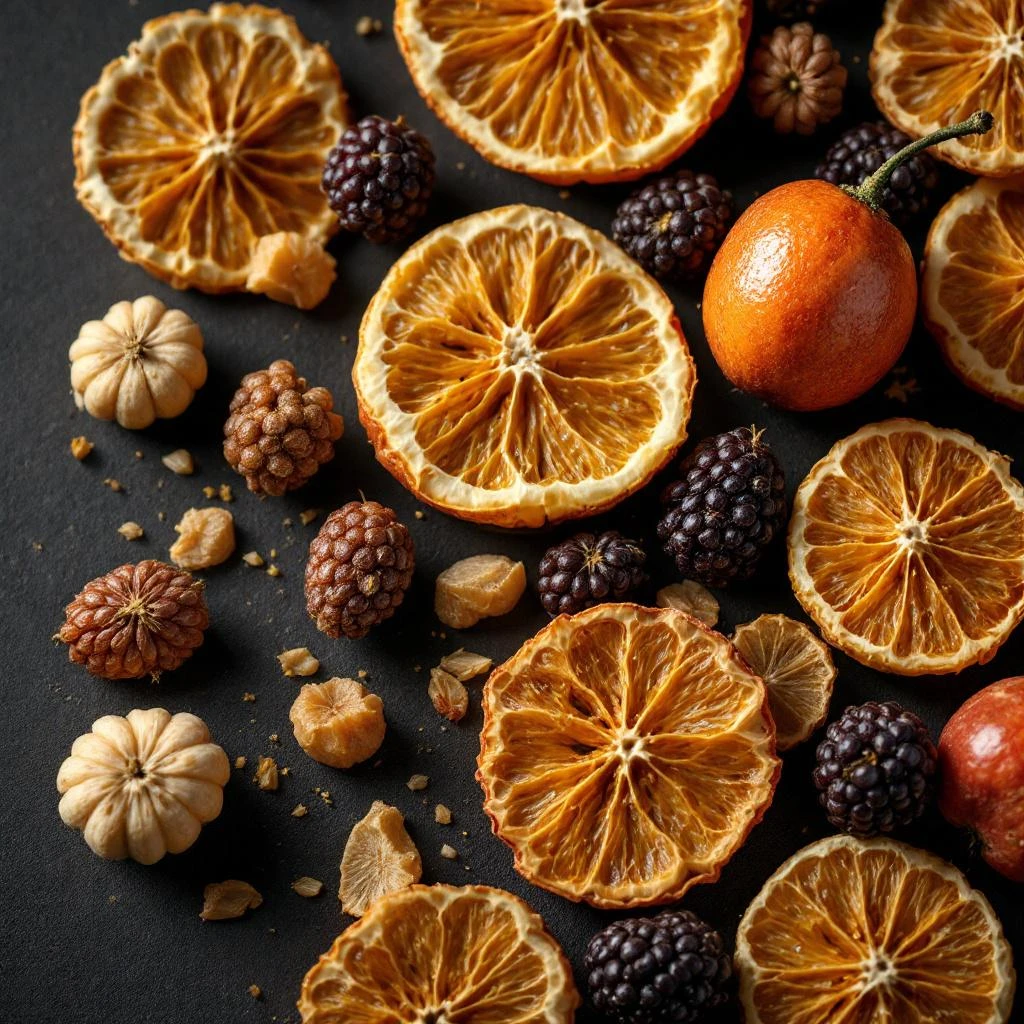
Kava Drink
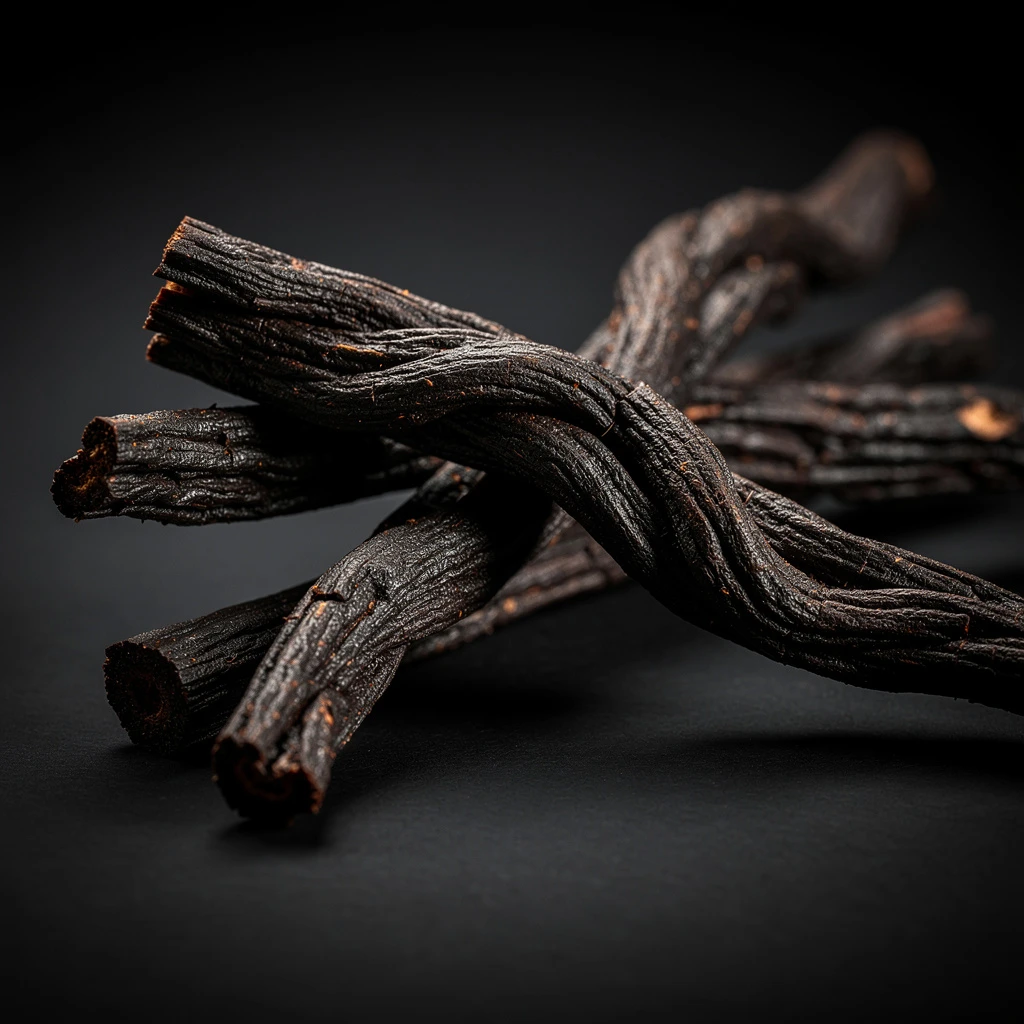
A drink rooted in ritual. Kava brings earthy, pepper-root warmth from the South Pacific, tracing back 3,000 years to the farmers of northern Vanuatu who first cultivated it.
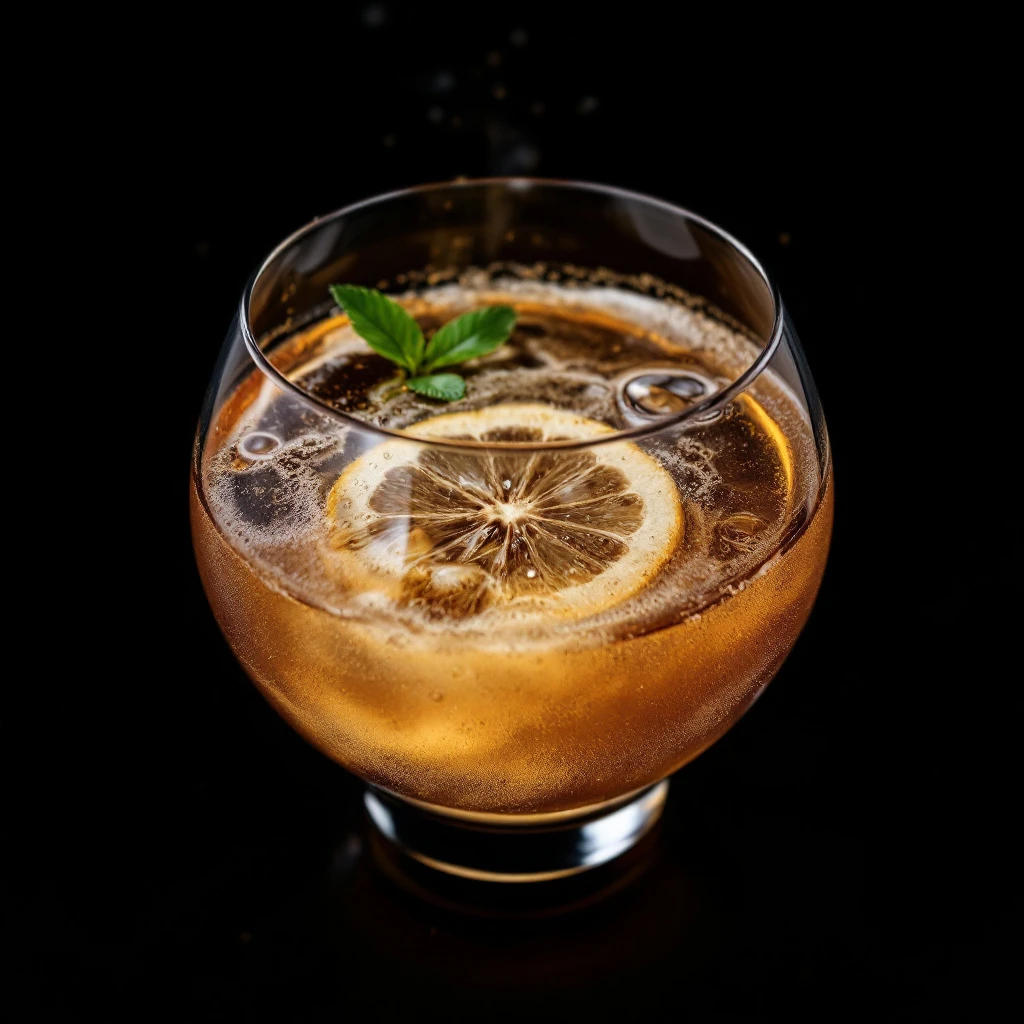
Character
How it smells
Earth, root, and ceremony in a cup.
Kava cannot reproduce on its own, so every plant alive today was deliberately cultivated and propagated by human hands thousands of years ago.

Origin
Vanuatu
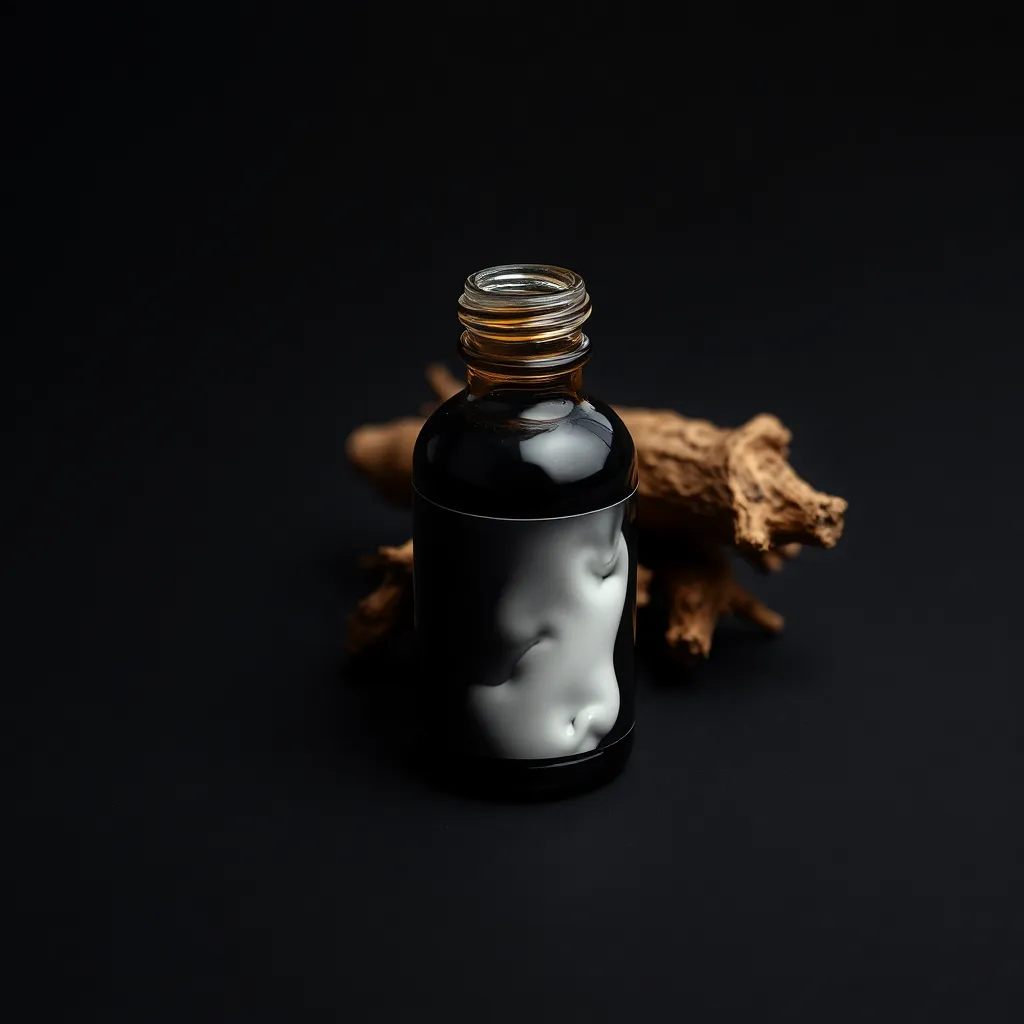
Kava holds one of the oldest continuous drink traditions on Earth. Most historians place its domestication in northern Vanuatu roughly 3,000 years ago, where Pacific farmers selected Piper methysticum from wild relatives and propagated it through cuttings. Because the cultivated plant produces no viable seeds, it depends entirely on human care to survive.
The drink spread eastward across the Pacific, reaching Fiji, Tonga, Samoa, and Hawaii, where it became central to ceremonies, conflict resolution, and welcome rituals. Eighteenth-century European explorers, including Captain James Cook, documented the beverage in detail. One early account noted that roots were chewed by people who then spat the mash into communal bowls.
In the 1980s, kava reached northern Australia through Pacific diaspora communities, where it served as an alternative to alcohol. Extracts of the root were briefly sold in Europe as an herbal treatment for anxiety before regulatory restrictions curtailed that market.
Wears it best
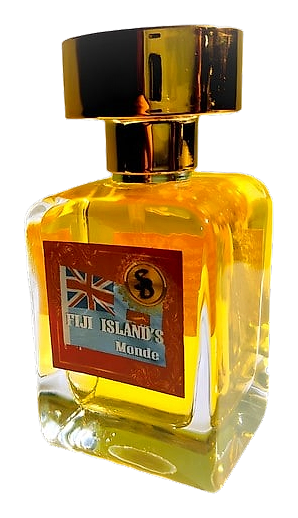
Fragrances featuring Kava Drink
Brands
Brands known for Kava Drink
Good to know
Questions, answered
The essentials on Kava Drink in perfumery: how it smells, where it comes from, and how it behaves on skin.
What does kava smell like in perfume?
Kava contributes a warm, earthy, rooty aroma with peppery and slightly bitter undertones. It adds depth to woody and resinous compositions without the sedative effects associated with drinking it.
Where does kava originally come from?
Kava was first domesticated in northern Vanuatu around 3,000 years ago. From there it spread across the South Pacific, reaching Fiji, Tonga, Samoa, and Hawaii through human migration.
Is kava the same as Piper methysticum?
Yes. Kava is the common name for the plant Piper methysticum, a member of the pepper family whose roots are used to prepare the traditional beverage.
Why is kava endangered as a species?
The cultivated kava plant produces no viable seeds and cannot self-propagate. Every existing plant exists because humans deliberately planted it, making the crop entirely dependent on continued cultivation.
What is kava traditionally used for?
Across Pacific cultures, kava serves ceremonial, social, and diplomatic roles. It marks welcomes, seals agreements, and accompanies important community gatherings rather than being a casual everyday drink.
How did kava reach Australia?
Kava arrived in northern Australian communities during the 1980s, introduced primarily through Pacific Islander populations as an alternative to alcohol and a way to reduce related social harms.
Are kavalactones safe to consume?
Kavalactones are the active compounds in kava root and have been linked to rare cases of liver toxicity. This led several European countries to restrict or ban kava products as supplements in the early 2000s.
Can kava root be used without psychoactive effects?
Yes. Fragrance extracts and absolues capture the aromatic character of kava root without containing significant concentrations of the kavalactones responsible for its calming or sedative properties.