Karanal
Karanal is a synthetic amber molecule prized for its dry, radiant warmth. Created in 1987, it delivers woody-amber luminosity without animalic heaviness, making it a cornerstone of modern perfumery.
Character
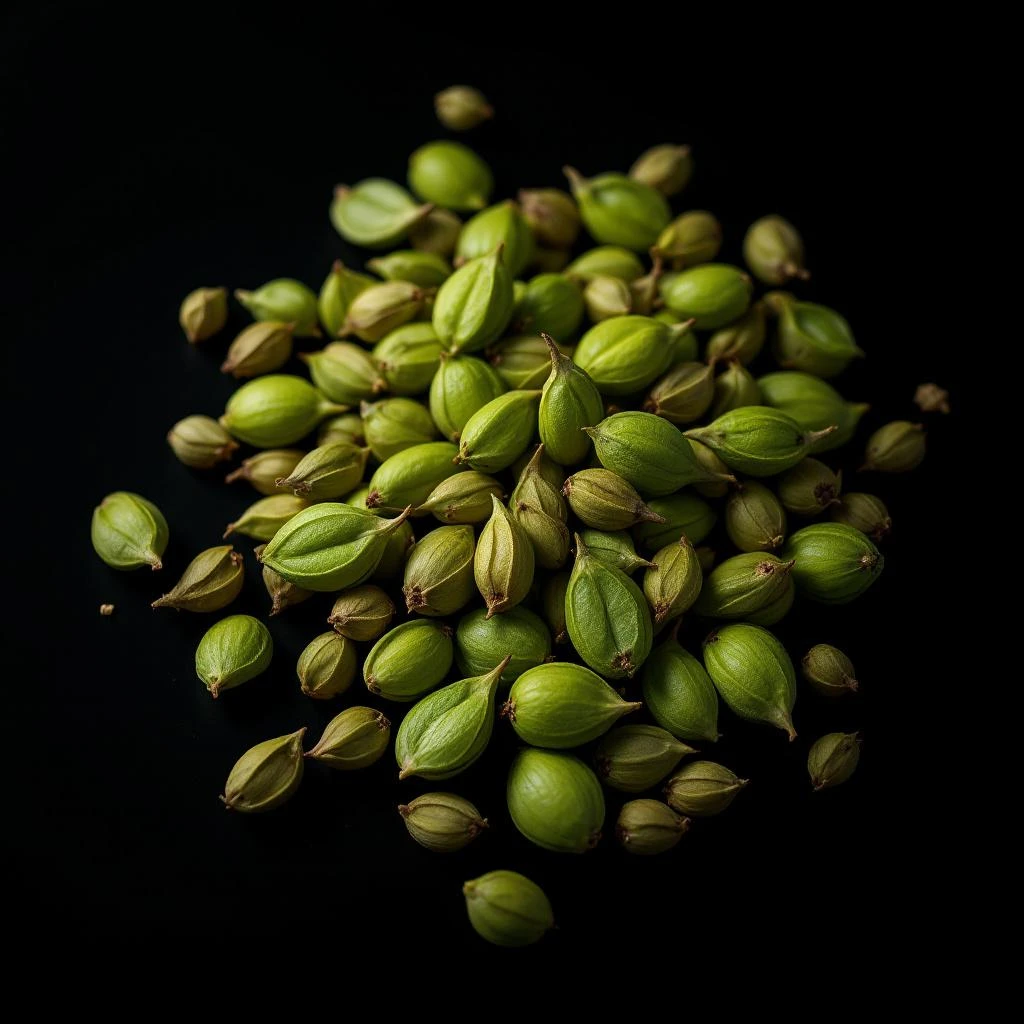
How it smells
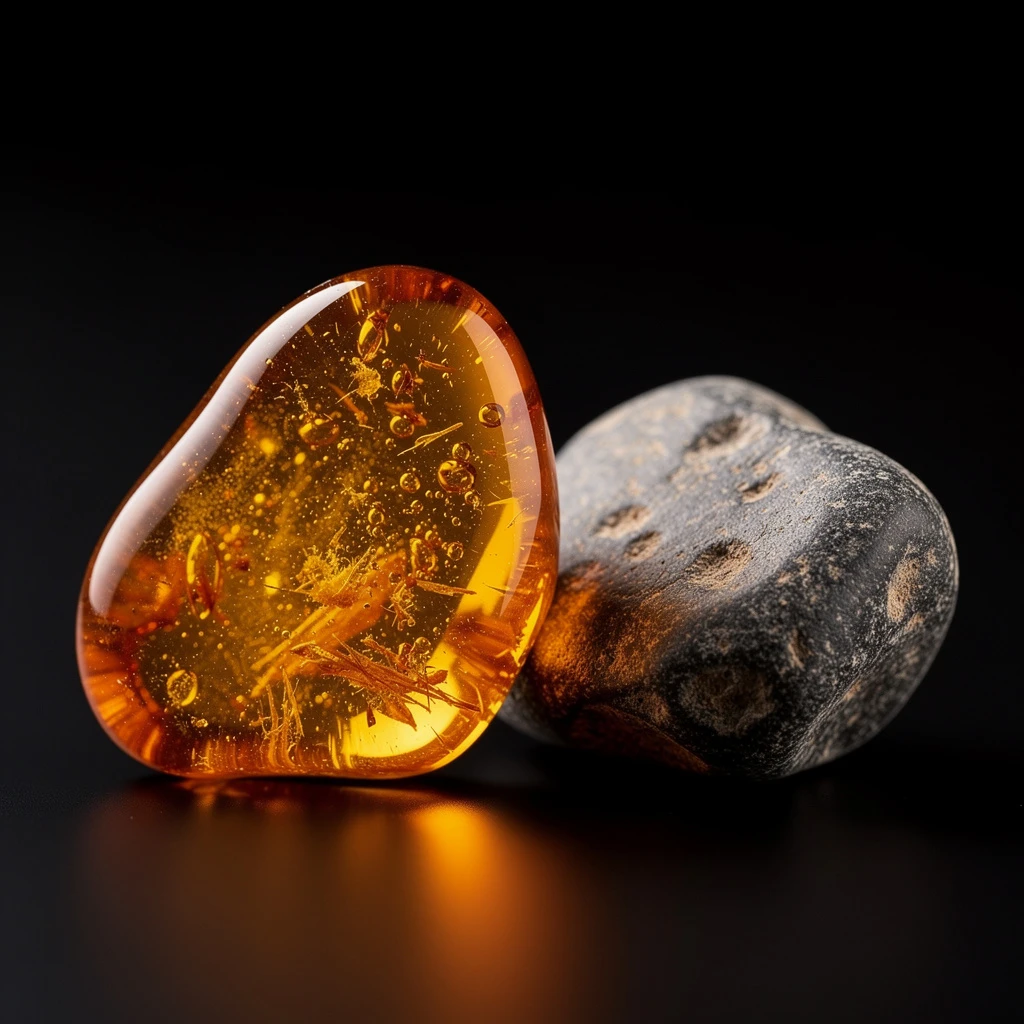
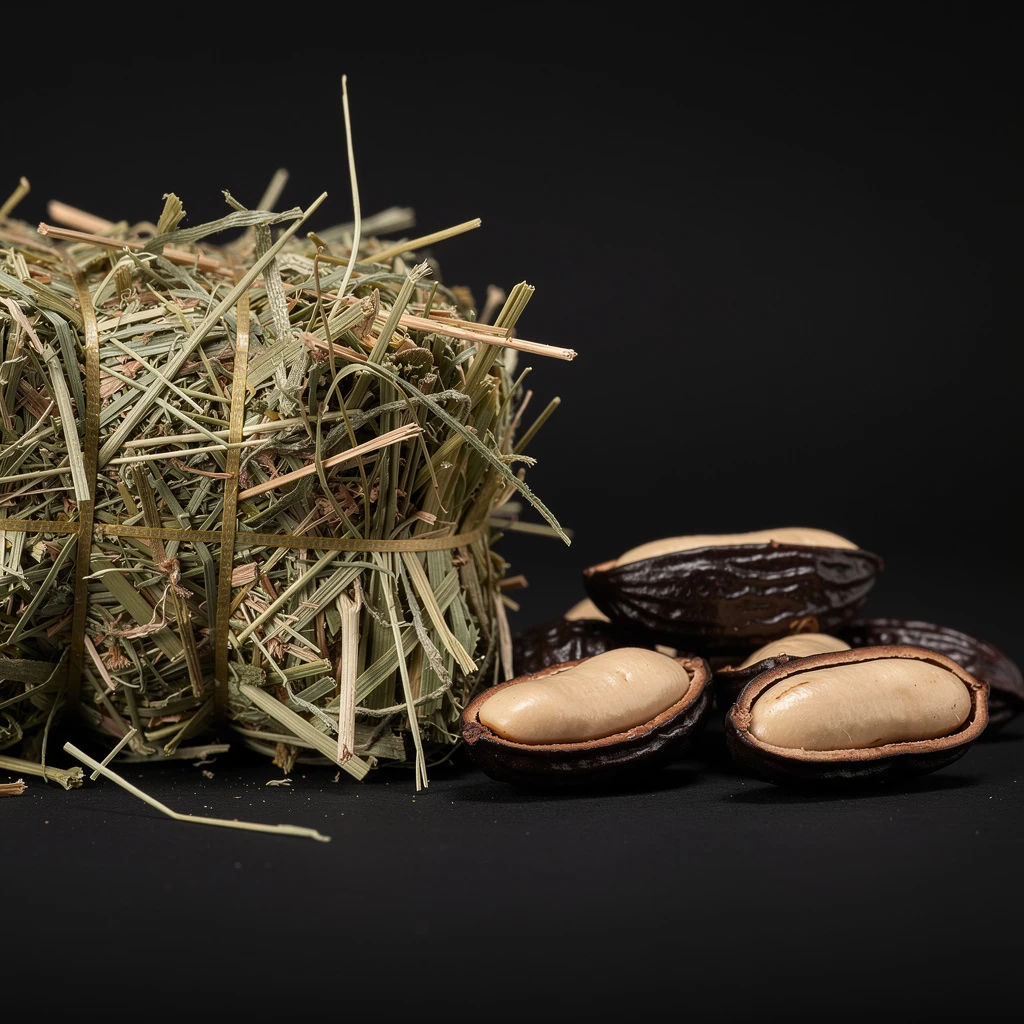
Dry amber, bottled brilliance.
Discovered by Karen J. Rossiter at Quest International in 1987, Karanal was named after its creator and became a prized replacement for the discontinued amber dioxane.





Origin
Netherlands
Karanal entered perfumery vocabulary in 1987, when chemist Karen J. Rossiter synthesized it at Quest International, a Dutch fragrance ingredients house. Its arrival coincided with growing regulatory pressure on earlier amber molecules, most notably amber dioxane, which faced restrictions due to photosensitization concerns and potential skin reactions.
Karanal offered perfumers a safer alternative that preserved the luminous, woody warmth traditional amber materials provided. The molecule quickly gained traction among fragrance houses seeking modern, photostable amber accords without dependency on ambergris, a whale-derived ingredient long restricted by conservation laws. Over the following decades, Karanal became embedded in countless masculine and unisex compositions, valued for its ability to anchor top and heart notes with a persistent dry-amber trail.
Today it remains a reference material in perfumery education, studied alongside other post-1980s synthetic breakthroughs that reshaped how amber, woody, and musky effects are achieved in fine fragrance.
Wears it best
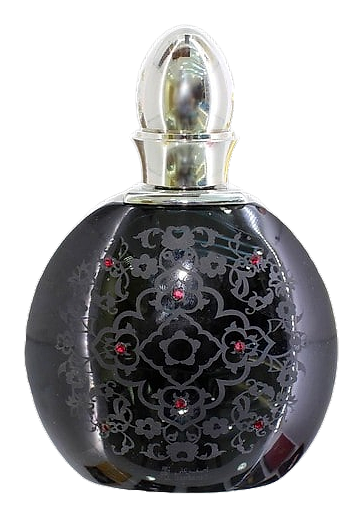
Fragrances featuring Karanal
Brands
Brands known for Karanal
Good to know
Questions, answered
The essentials on Karanal in perfumery: how it smells, where it comes from, and how it behaves on skin.
What does Karanal smell like?
Karanal delivers a radiant dry amber character with woody, slightly leathery facets. Unlike traditional ambergris, it lacks animalic depth and reads cleaner, almost mineral-warm, making it ideal for luminous modern compositions.
Is Karanal natural or synthetic?
Karanal is entirely synthetic, produced through multi-step organic chemistry. It was designed in 1987 to replicate refined amber qualities while avoiding dependence on ambergris, a whale-derived material restricted under conservation law.
Why was Karanal created?
Karanal was developed as a safer replacement for amber dioxane, an earlier amber molecule that faced regulatory restrictions over photosensitization concerns. It offered perfumers a stable, skin-friendly alternative with comparable dry-amber radiance.
Who discovered Karanal?
Karanal was synthesized in 1987 by Karen J. Rossiter at Quest International in the Netherlands. The molecule takes its name from its creator, an unusual honor in the world of aroma chemistry.
Is Karanal safe to use in perfume?
Karanal is approved for fragrance use by IFRA and shows no significant phototoxicity at recommended dosages. It is widely used at concentrations below one percent in finished formulas, contributing lasting warmth without safety concerns.
What perfumes use Karanal?
Karanal appears across numerous designer and niche launches, particularly in woody-amber and masculine compositions from the 1990s onward. It is rarely credited on packaging due to industry disclosure norms, but perfumers cite it as a modern amber benchmark.
How does Karanal compare to real ambergris?
Real ambergris carries oceanic, fecal, and animalic dimensions that Karanal deliberately avoids. The synthetic offers a cleaner, drier amber facet, closer to polished wood and warm stones than to sea-derived complexity.
Can Karanal replace ambergris in modern perfumery?
Karanal cannot fully replicate ambergris because it lacks oceanic and animalic layers, but it successfully delivers the dry-amber luminosity perfumers need. Most contemporary amber accords now combine Karanal with other synthetics to approximate traditional ambergris effects.
In the same family