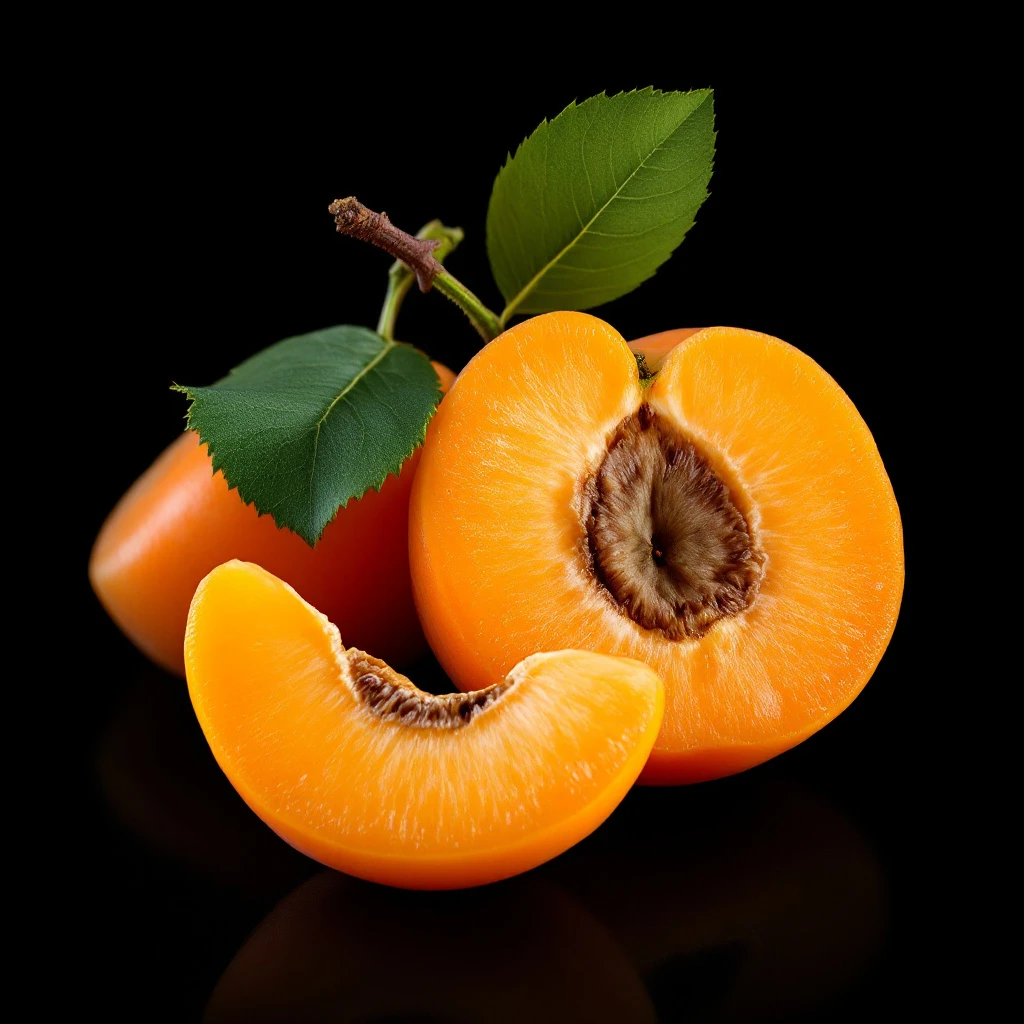
Juicy Apricot
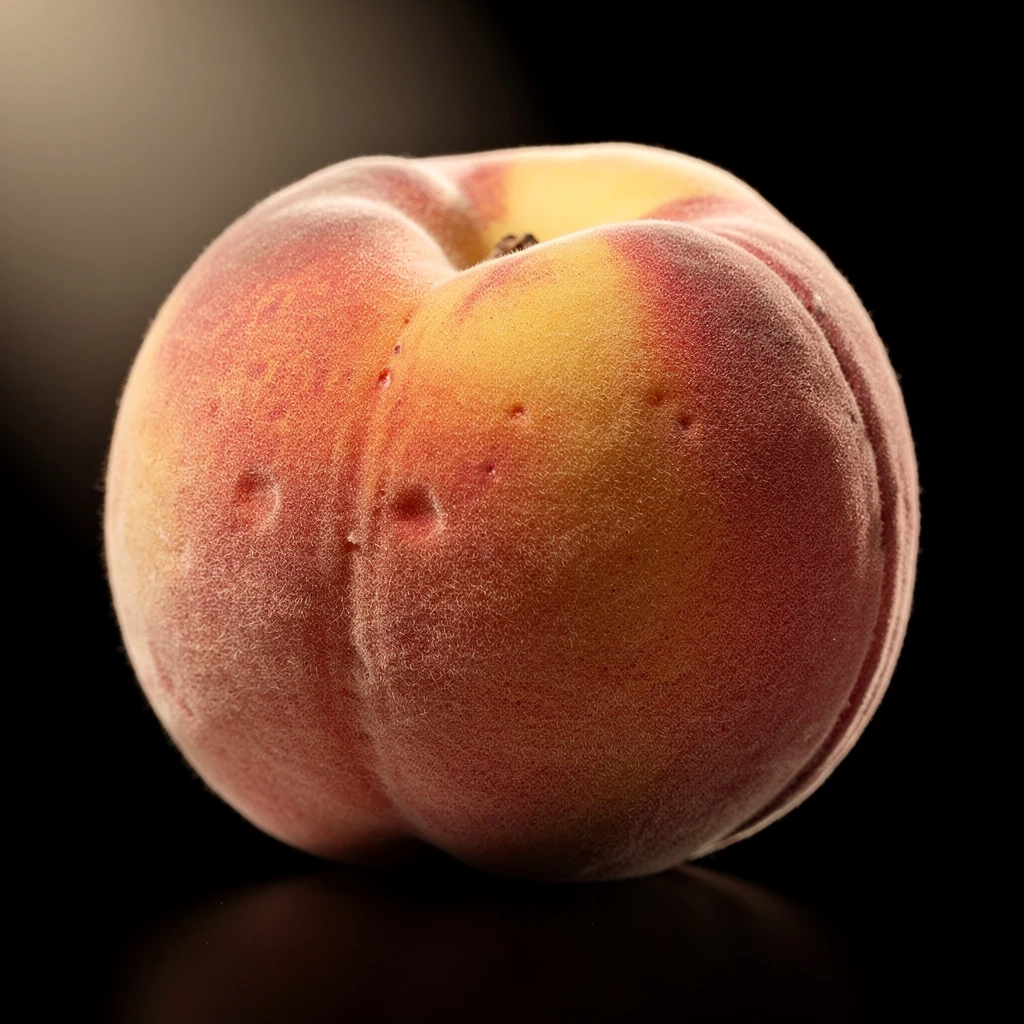
The sun-drenched sweetness of ripe apricot brings a warm, velvety softness to fragrance. This note captures the fruit's tender flesh and subtle tartness, adding a lush, edible quality that feels like biting into peak-season fruit at the height of summer.
Character
How it smells
Sun-ripened sweetness with a whisper of tartness.
Prunus armeniaca, the apricot tree, was named for Armenia, though genetic studies place its wild origins in the mountains of Central Asia.





Origin
Central Asia
Apricots trace their cultivation to Central Asia over 4,000 years ago, with the fruit spreading along ancient Silk Road trading routes into Persia, the Mediterranean, and eventually Europe. Ancient Greek physician Dioscorides documented apricots in medical texts, while Roman naturalists Pliny and Virgil described the fruit as a prized garden cultivation. The apricot reached China via the Tarim Basin routes, where it became embedded in traditional medicine and cuisine.
Its journey westward paralleled the spice trade, transforming from a wild mountain fruit into a cultivated treasure prized by multiple civilizations. Today, Turkey remains the world's largest apricot producer, followed by Iran and Uzbekistan, carrying forward centuries of cultivation tradition.
Wears it best
Fragrances featuring Juicy Apricot

Brands
Brands known for Juicy Apricot
Good to know
Questions, answered
The essentials on Juicy Apricot in perfumery: how it smells, where it comes from, and how it behaves on skin.
Is apricot a natural or synthetic fragrance ingredient?
Apricot is primarily synthetic in modern perfumery. While apricot essential oil exists, extracting it from fresh fruit proves impractical and yields inconsistent results. Perfumers recreate the apricot scent using molecules like gamma-decalactone, which captures the fruit's characteristic warm, velvety sweetness reliably.
What aromatic molecules create the apricot scent in perfume?
Gamma-decalactone forms the backbone of most synthetic apricot accords. This lactone compound delivers the characteristic peach-apricot character with creamy, fruity undertones. Perfumers layer additional molecules like isoamyl acetate to enhance the fruit's natural sweetness and create a convincing apricot reconstruction.
Where does the apricot tree originate from?
Prunus armeniaca originated in the mountainous regions of Central Asia, specifically the area spanning modern-day Kazakhstan, Uzbekistan, and northern Afghanistan. Genetic studies confirm this region as the fruit's primary center of diversity, with cultivation spreading westward around 100 BCE.
What fragrance families commonly use apricot notes?
Apricot appears most often in fruity and gourmand compositions, where its edible warmth adds approachability. It also shows up in soft oriental fragrances and some modern chypres, where it bridges fresh and warm scent profiles. The note works especially well in women's fragrances but has gained ground in unisex and men's scents.
How does apricot perform across different fragrance concentrations?
In eau de parfum concentrations, apricot notes tend to last 3-5 hours as a heart note. The scent evolves from fresh and bright upon application to warmer, rounder tones as the fragrance dries. Blending apricot with fixatives like sandalwood or white musks can extend its presence in the dry-down phase.
What other fragrance notes pair well with apricot?
Apricot harmonizes naturally with peach, nectarine, and plum for an intensified stone fruit effect. Florals like rose and jasmine soften its edges, while warm woods, amber, and vanilla add depth and longevity. Citrus top notes can brighten apricot's opening, creating an uplifting, sun-drenched effect.
Why do perfumers prefer synthetic apricot over natural extraction?
Synthetic apricot offers consistency, sustainability, and cost efficiency. Natural apricot extraction would require enormous quantities of fresh fruit for minimal yield, making it commercially impractical. Synthetic reconstruction delivers the same aromatic experience while ensuring every batch smells identical and avoiding the perishability of fresh fruit.
What emotional associations does apricot bring to fragrance composition?
Apricot evokes warmth, comfort, and natural sweetness. The note carries subtle nostalgia, reminiscent of summer abundance and sun-ripened fruit. In perfume, it creates an inviting, approachable quality that softens sharper accords and adds an edible, nurturing dimension to fragrance narratives.