Jojoba
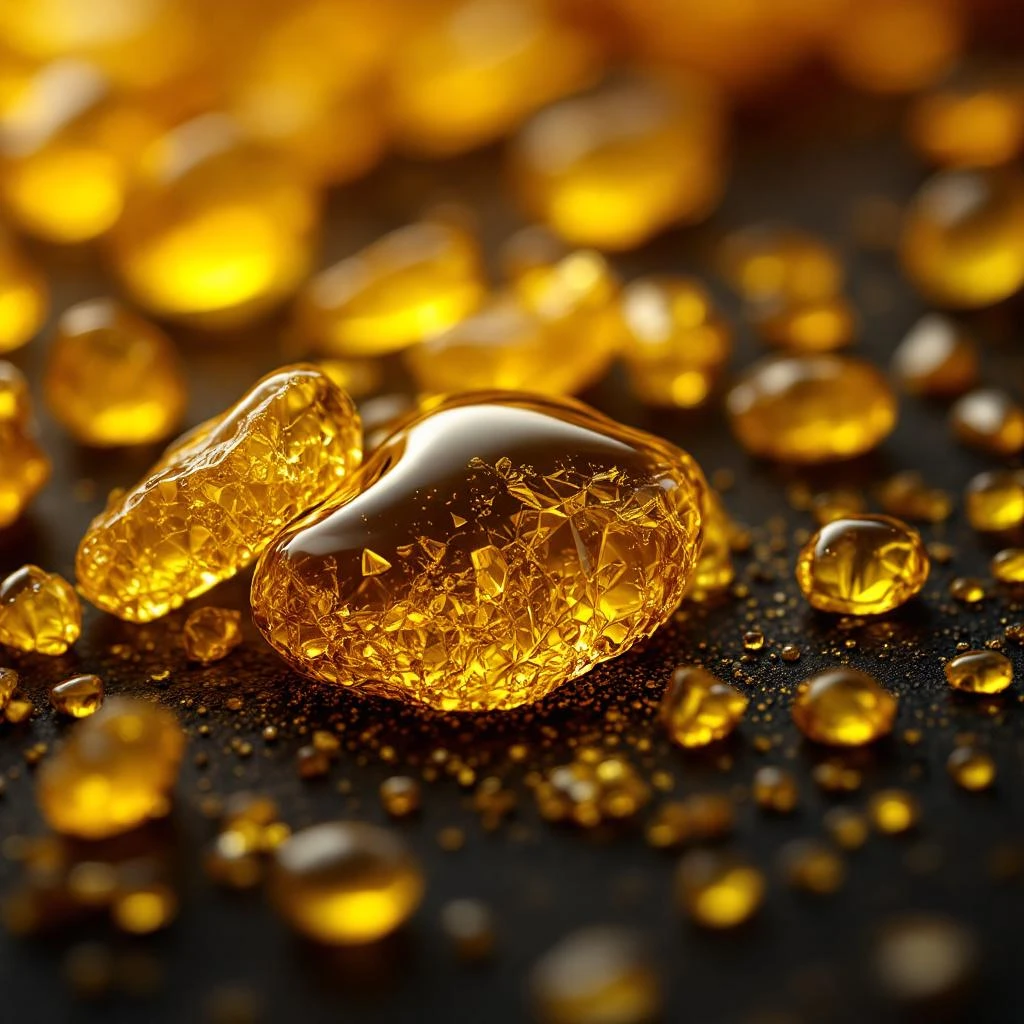
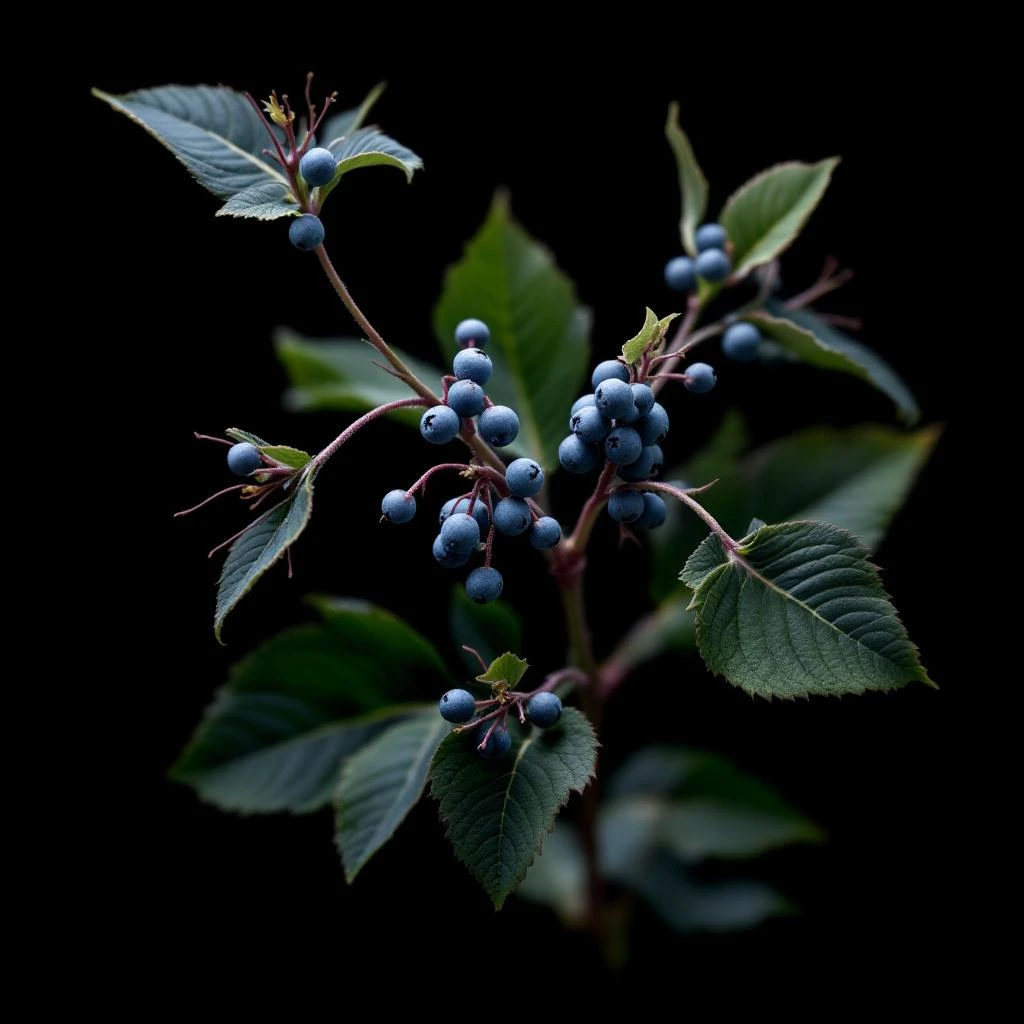
Technically not an oil but a liquid wax, jojoba is pressed from desert shrub seeds and prized in perfumery as a skin-friendly carrier that carries scent without overwhelming it.
Character
How it smells
The desert's liquid gold for carrying scent.
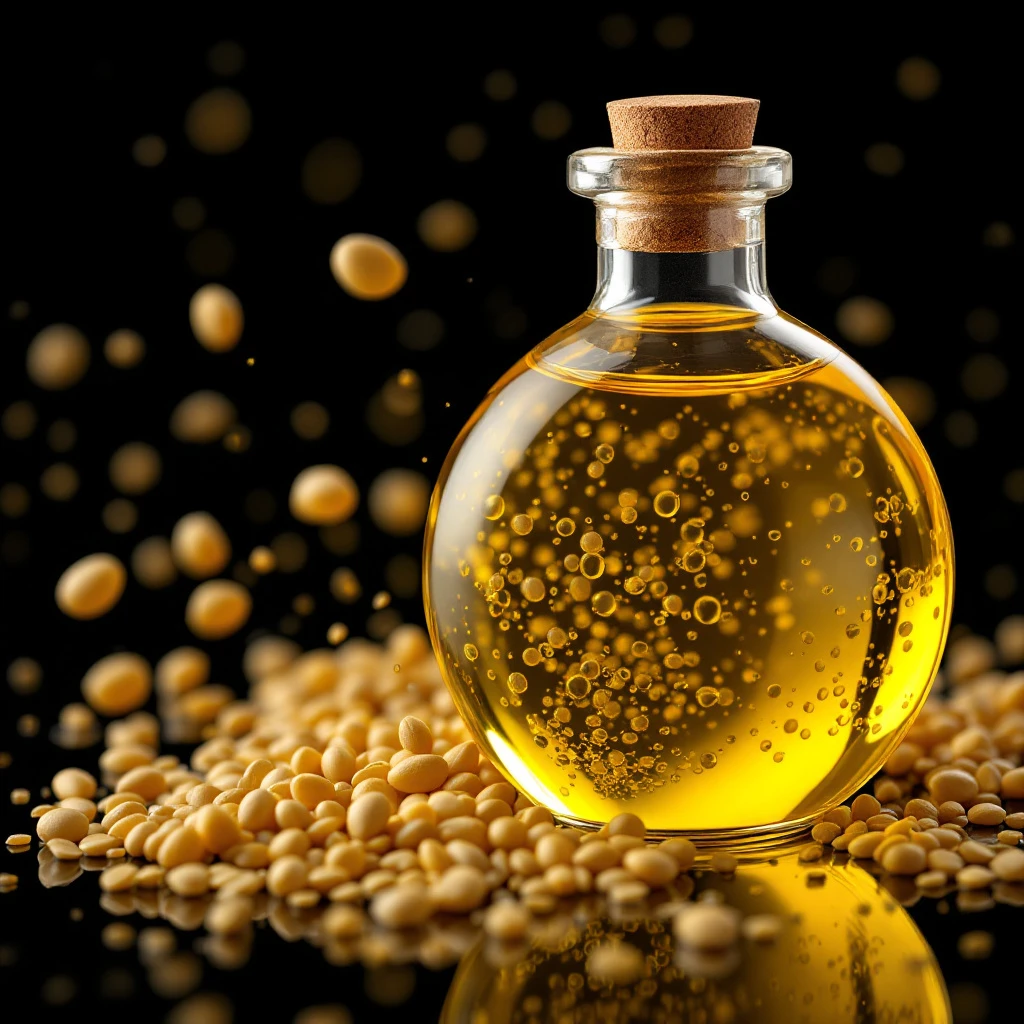
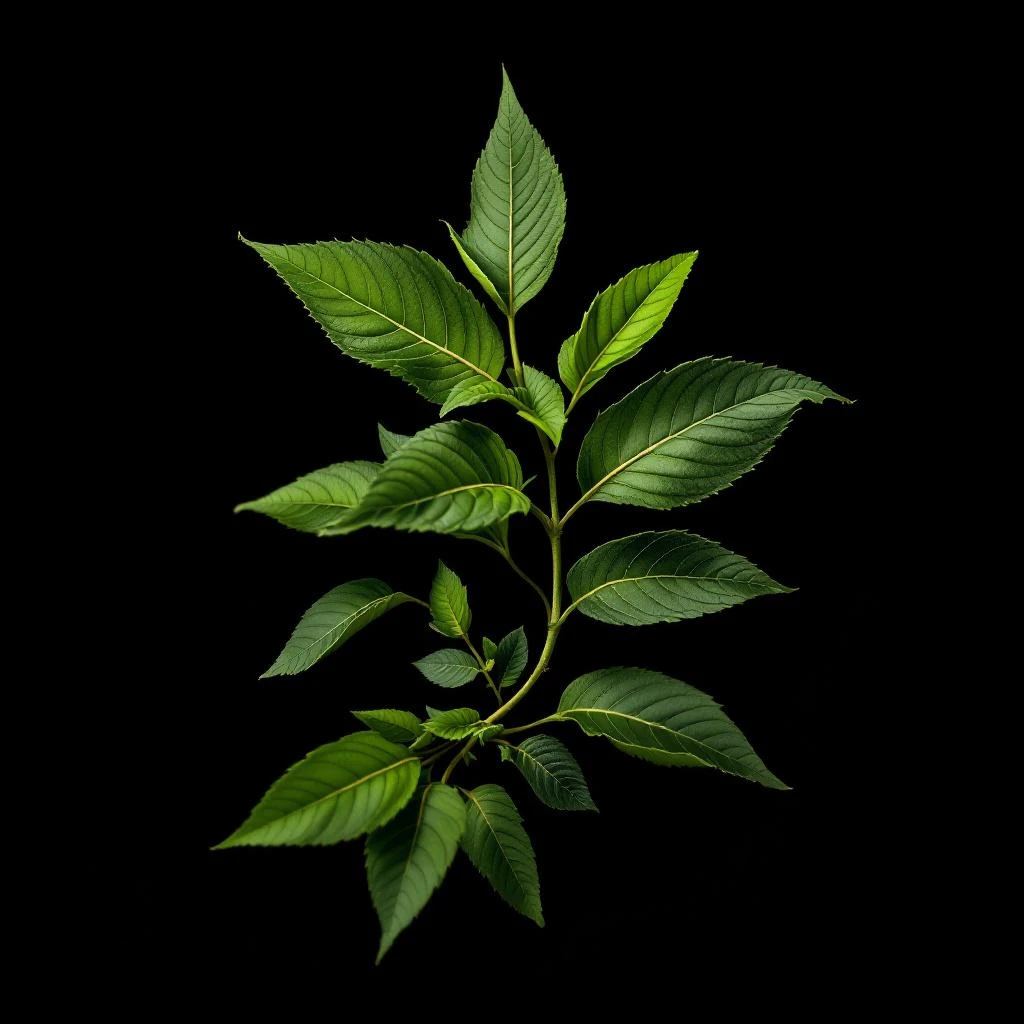
Jojoba is one of the only plant sources producing liquid wax esters rather than true oil, structurally mimicking human sebum at roughly 96% similarity.

Origin
United States (Sonoran Desert region)
Long before perfumers adopted it, jojoba seeds sustained Indigenous communities of the Sonoran Desert, including the O'odham and Seri peoples, who ate them cooked, ground them into meal, and pressed them for skin and hair treatments. Spanish missionaries in the 18th century encountered the plant and recorded its oil as a remedy for sores and wounds. By the 1970s, the sperm whale oil ban transformed jojoba's commercial prospects overnight.
Whales had been the dominant source of liquid wax esters for cosmetics, and jojoba's near-identical chemistry made it a direct substitute. Commercial plantations expanded rapidly through the 1980s, first in the American Southwest and later in Argentina, Egypt, and Israel. In modern perfumery, jojoba functions primarily as a carrier, a neutral vehicle for absolutes, essential oils, and synthetic aroma chemicals.
Its low odor profile and long shelf life make it especially useful in natural and alcohol-free fragrance formats.
Wears it best
Fragrances featuring Jojoba
Brands
Brands known for Jojoba
Good to know
Questions, answered
The essentials on Jojoba in perfumery: how it smells, where it comes from, and how it behaves on skin.
Is jojoba an oil or a wax?
Jojoba is technically a liquid plant wax, not a true oil. Its chemical structure consists of long-chain wax esters, making it one of the only botanical sources of this substance. This unique composition gives it exceptional oxidative stability compared to typical seed oils.
Why do perfumers use jojoba in fragrance?
Perfumers choose jojoba as a carrier base because it is nearly odorless and resists rancidity. It dilutes concentrated aromatic materials for skin application, particularly in alcohol-free or natural perfume formats, without distorting the original scent profile.
Is jojoba oil safe for sensitive skin?
Yes. Jojoba liquid wax closely mimics human sebum at roughly 96% structural similarity, which contributes to high skin tolerance. It is non-comedogenic and rarely causes irritation, making it a common base in dermatologist-tested fragrance products.
How is jojoba liquid wax extracted?
Producers harvest mature jojoba seeds, clean them, and apply mechanical cold pressing without heat or chemical solvents. The process yields approximately 50% liquid wax by weight. Filtration and deodorization follow to produce a neutral, stable carrier suitable for perfumery.
What is the origin of the jojoba plant?
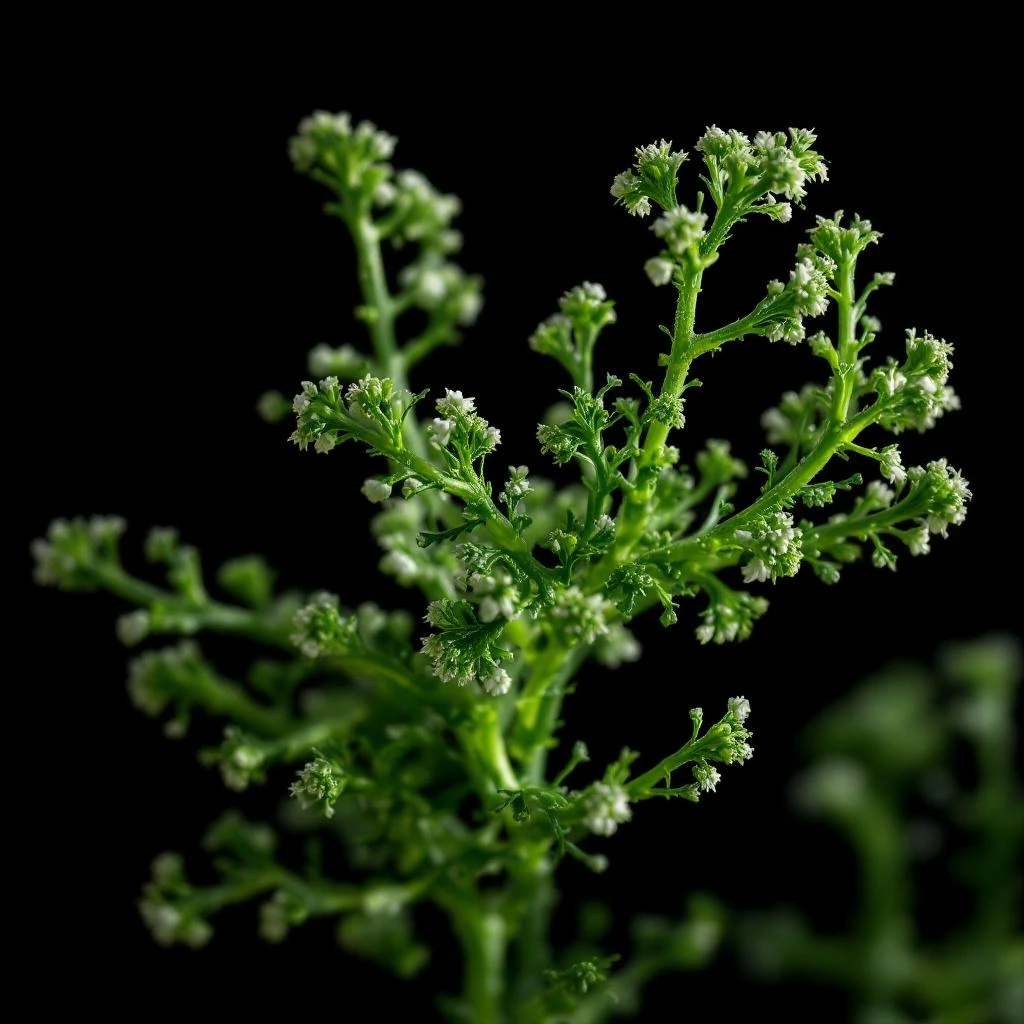
Jojoba, Simmondsia chinensis, is native to the Sonoran Desert spanning the southwestern United States and northwestern Mexico. Indigenous communities of this region, including the O'odham and Seri peoples, used the seeds for food, skin care, and hair treatments for centuries before commercial cultivation began.
Why did jojoba become commercially important?
The 1972 U.S. ban on sperm whale oil imports drove demand for an alternative source of liquid wax esters. Jojoba's chemical similarity to spermaceti made it a direct substitute for cosmetics and industrial applications, triggering large-scale plantation development through the 1980s.
Does jojoba wax have its own scent?
Unrefined jojoba carries a faint, slightly nutty aroma, but commercially processed grades used in perfumery are filtered and deodorized to near-odorless clarity. This neutrality is precisely why perfumers value it: it carries other aromatic materials without competing with them.
Where is jojoba commercially grown today?
Major production occurs in Argentina, which leads global output, followed by Egypt, India, Israel, and the southwestern United States. The plant thrives in semi-arid climates, tolerating poor soil and drought conditions that make cultivation viable in regions unsuitable for most oil crops.