Jasmine Sambac Bud
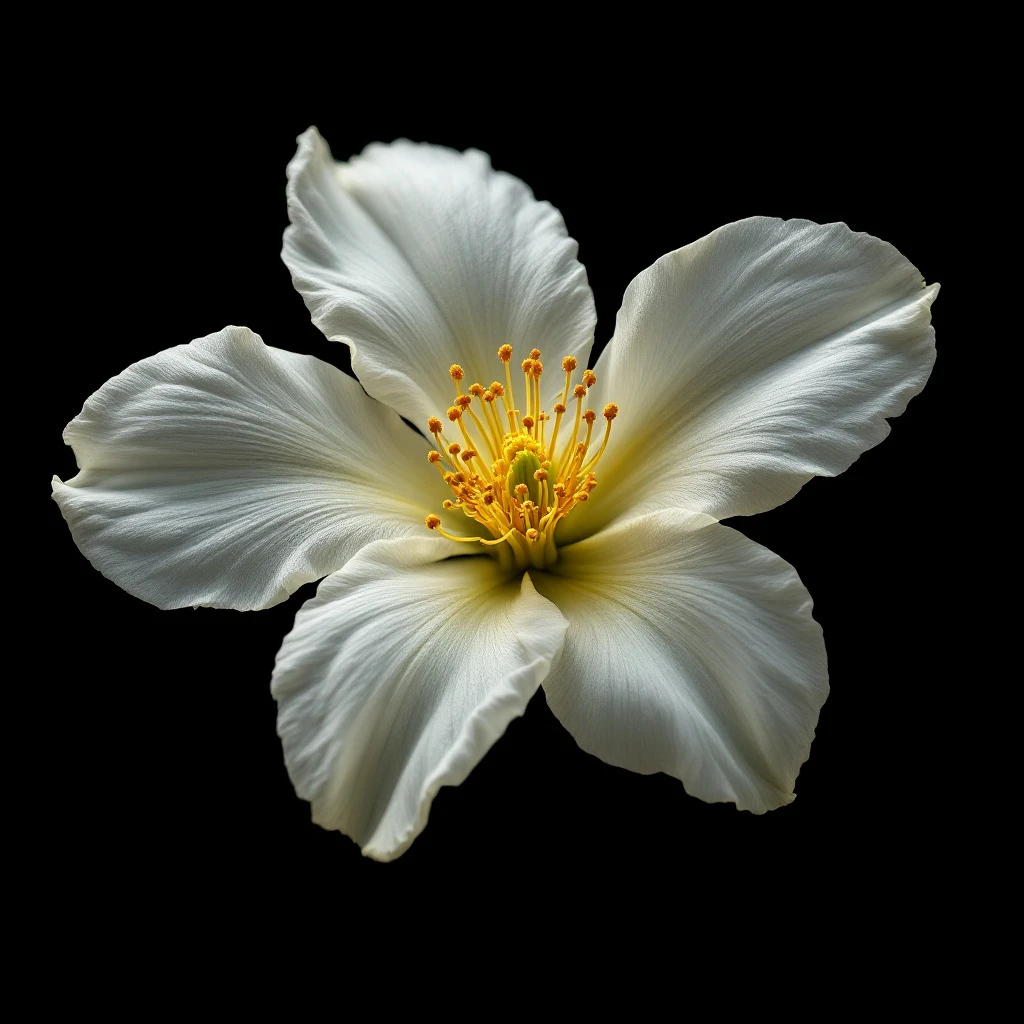
Jasmine Sambac Bud captures the warm, sensual heart of the jasmine flower with a deeper, more complex character than other varieties. Native to India, this extraction preserves the bud's rich, intoxicating essence.
Character
How it smells
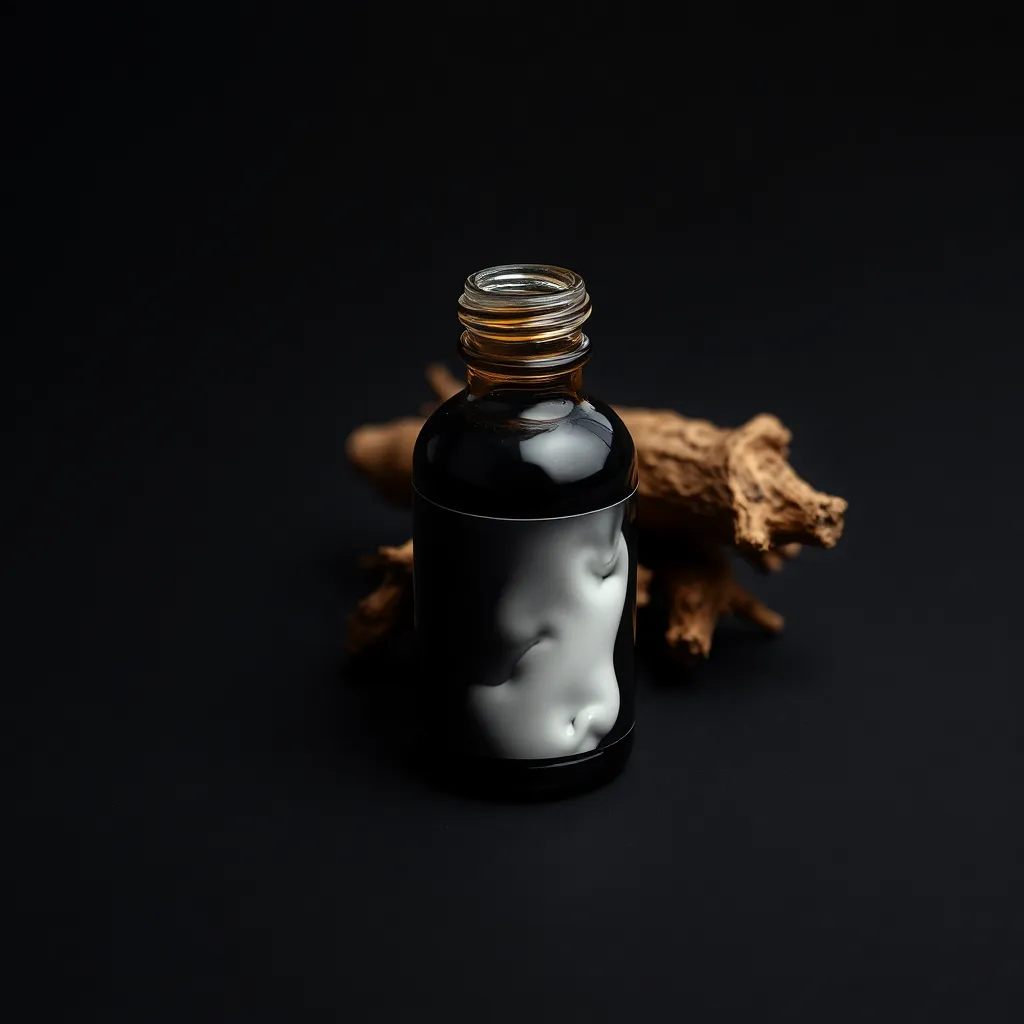
A sensual, warm white flower with deep complexity
Harvesters hand-pick over 5,000 jasmine buds to produce just one kilogram of oil.


Origin
India
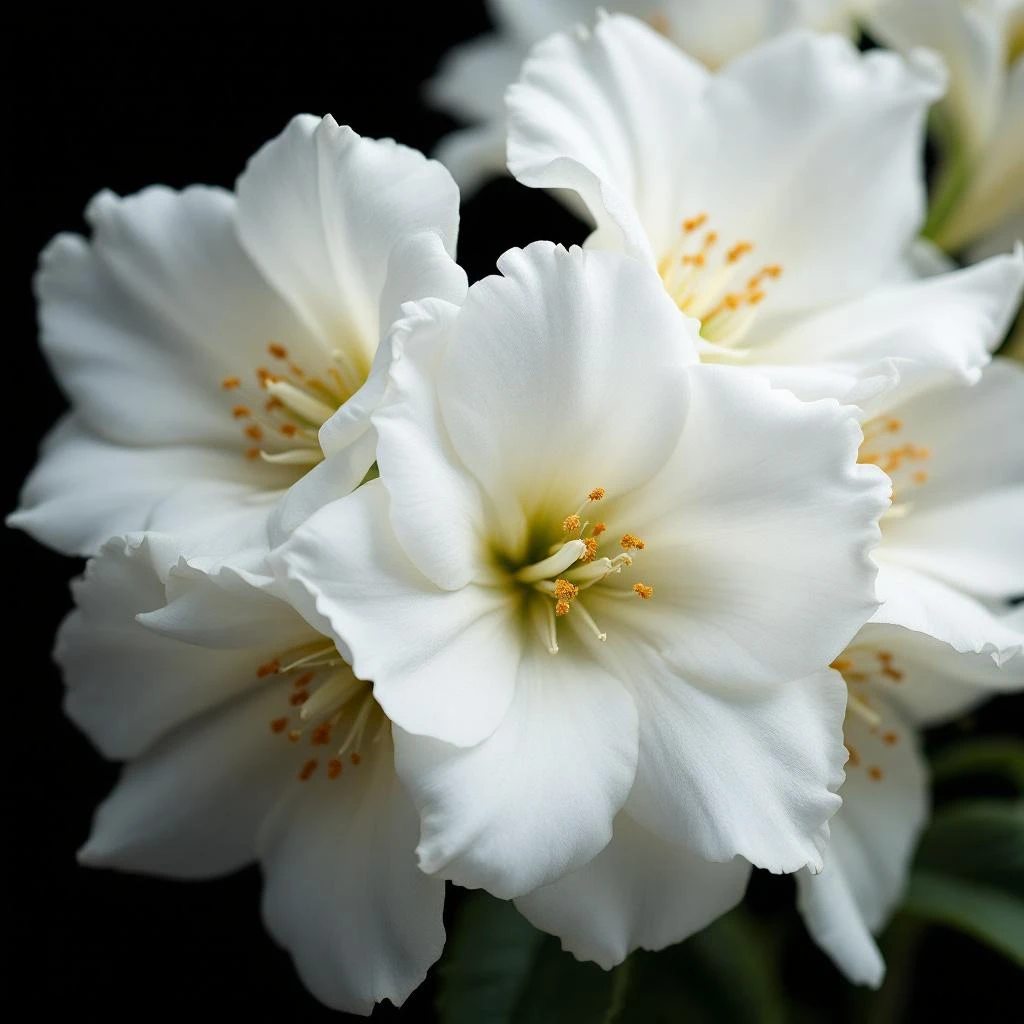
Jasmine Sambac originated in India, where it has been cultivated for thousands of years. The flower holds sacred significance in Indian culture, appearing in religious ceremonies, traditional garlands, and daily offerings. Ancient trade routes carried jasmine from India to the Mediterranean and the Arab world, where perfumers began incorporating it into their creations.
By the 16th century, jasmine had become a cornerstone of European perfumery. India remains the world's largest producer of Sambac jasmine for the fragrance industry, with dedicated cultivation regions producing the raw material that perfumers treasure. The plant's journey from sacred temple offerings to luxury fragrance ingredient reflects its timeless appeal.
Jasmine sambac's warm, sensual character has made it especially beloved in oriental perfumery traditions, where it pairs beautifully with woods, resins, and spices. Today, the flower's heritage as both a cultural symbol and a perfumery treasure continues to inspire perfumers worldwide.
Wears it best
Fragrances featuring Jasmine Sambac Bud
Good to know
Questions, answered
The essentials on Jasmine Sambac Bud in perfumery: how it smells, where it comes from, and how it behaves on skin.
What does Jasmine Sambac Bud smell like?
Jasmine Sambac Bud has a warm, intensely floral aroma with honeyed sweetness and subtle indolic undertones. The bud extraction produces a richer, more concentrated scent than the flower itself, with a sensual character that feels both exotic and deeply familiar.
How is Jasmine Sambac Bud harvested?
Workers harvest jasmine blossoms by hand in the early morning hours when the flowers first open. In south India, the harvest season spans from March through September, with April through June being the peak period. Each flower must be picked individually, which keeps production labor-intensive despite the scale of operations.
Why is Jasmine Sambac Bud so expensive?
Jasmine Sambac Bud commands high prices because of the enormous flower volume required. Producing just one gram of absolute demands roughly 8,000 flowers. Hand-harvesting, limited growing regions, and the specialized bud extraction process all contribute to the ingredient's value.
What makes Sambac different from Grandiflorum jasmine?
Sambac jasmine has a warmer, more sensual character with stronger indolic notes and a honeyed quality. Grandiflorum tends toward a lighter, more ethereal floralcy. Sambac also grows in tropical climates like India, whereas Grandiflorum historically originates from cooler regions like Grasse, France.
What fragrance families use Jasmine Sambac Bud?
Perfumers favor Jasmine Sambac Bud across multiple fragrance families. It features prominently in oriental compositions, white floral arrangements, and warm Gourmand scents. The material's depth makes it particularly valuable for anchoring heart notes in both men's and women's fragrances.
Is Jasmine Sambac Bud natural or synthetic?
Jasmine Sambac Bud absolute is a fully natural ingredient extracted from the flower buds using organic solvents. Synthetic jasmine accord exists but lacks the complexity of the natural absolute. Natural Jasmine Sambac Bud carries a multidimensional character that remains difficult to replicate artificially.
What role does Jasmine Sambac Bud play in perfumery?
In perfumery, Jasmine Sambac Bud serves as a heart note foundation that adds warmth, sensuality, and floral depth. The ingredient blends particularly well with woods, musks, and other white flowers. Its lower indole profile makes it versatile across many different fragrance compositions.
What cultural significance does jasmine sambac hold in India?
Jasmine Sambac carries deep cultural weight in India, where it has been cultivated for centuries. The flower appears in religious ceremonies, traditional garlands, and daily offerings. Its use in perfumery grew from this existing cultural appreciation, with India remaining the world's largest producer of Sambac jasmine for the fragrance industry.





