Romandolide
A clean, powdery synthetic musk developed as a modern alternative to restricted macrocyclic ingredients. Romandolide delivers warmth, smoothness, and staying power in fine fragrances.
Character
How it smells
Modern macrocyclic musk with a clean, powdery signature.
Romandolide was introduced by Givaudan to replace a restricted macrocyclic ingredient, solving a crisis for fragrance houses worldwide.


Origin
Switzerland
Before synthetic musks arrived in the late 1800s, perfumers relied entirely on natural animal extracts, particularly ambrette and musk from the musk deer. Early synthetic alternatives included nitro-musks in the 1880s and polycyclic musks a century later.
Macrocyclic musks, which most closely replicate natural musk odor profiles, became commercially viable in the 1920s. Romandolide emerged later, developed by Givaudan researchers to fill the gap left when certain macrocyclic ingredients faced regulatory scrutiny in the 2000s.
Its introduction marked a significant milestone: a macrocyclic ketone specifically engineered for regulatory compliance without sacrificing olfactory character. Today it ranks among the most commercially significant synthetic musks in fine perfumery.
Wears it best
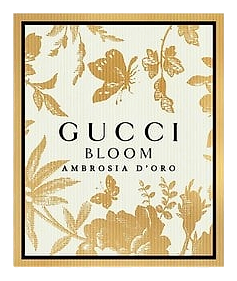
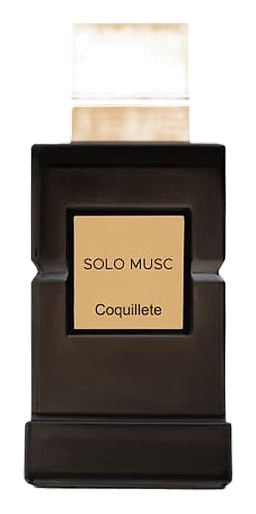
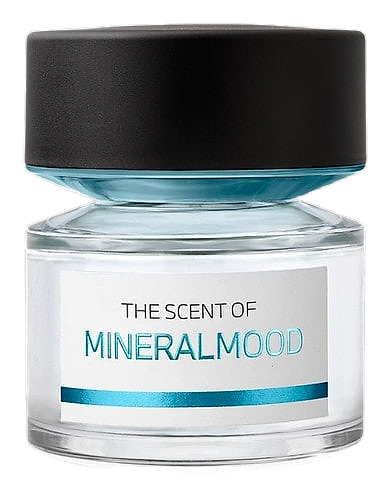
Fragrances featuring Romandolide
Brands
Brands known for Romandolide
Good to know
Questions, answered
The essentials on Romandolide in perfumery: how it smells, where it comes from, and how it behaves on skin.
What does Romandolide smell like?
Romandolide smells clean and powdery with soft musky warmth and subtle fruity undertones. It reads as a white musk with smooth, creamy character on skin.
How does Romandolide compare to natural musk?
It mimics the warm, creamy signature of natural musk without the animalic raw edge. Performance on skin rivals natural musks, lasting through the dry-down phase.
Is Romandolide safe for use in cosmetics?
Yes. Romandolide passes current IFRA standards and meets REACH requirements in Europe. Concentrations up to 30 percent in fine fragrance concentrates are considered safe.
What makes Romandolide different from other synthetic musks?
It belongs to the macrocyclic ketone family, which most closely replicates natural musk odor profiles. Unlike nitro-musks or polycyclic alternatives, it carries a cleaner and more refined character.
What fragrances use Romandolide?
It appears in numerous fine fragrances across multiple brands. Specific formulations are not disclosed, but it has been notably used in warm, musky fragrance constructions since its market introduction in the late 2000s.
How much Romandolide should I use in a formula?
Recommended usage ranges from 0.5 to 15 percent of concentrate weight. Start at lower concentrations if seeking a subtle musky effect, and increase for more assertive presence.
Does Romandolide perform well in all fragrance families?
It pairs especially well with oriental, floral, and woody compositions. It acts as a fixative, extending the life of lighter top notes in any fragrance structure.
Why was Romandolide developed?
Givaudan introduced it to solve a formulation challenge: certain macrocyclic ingredients had lost IFRA backing, leaving fragrance houses without a critical musky component. Romandolide filled that gap.
In the same family