Jamaican Lime
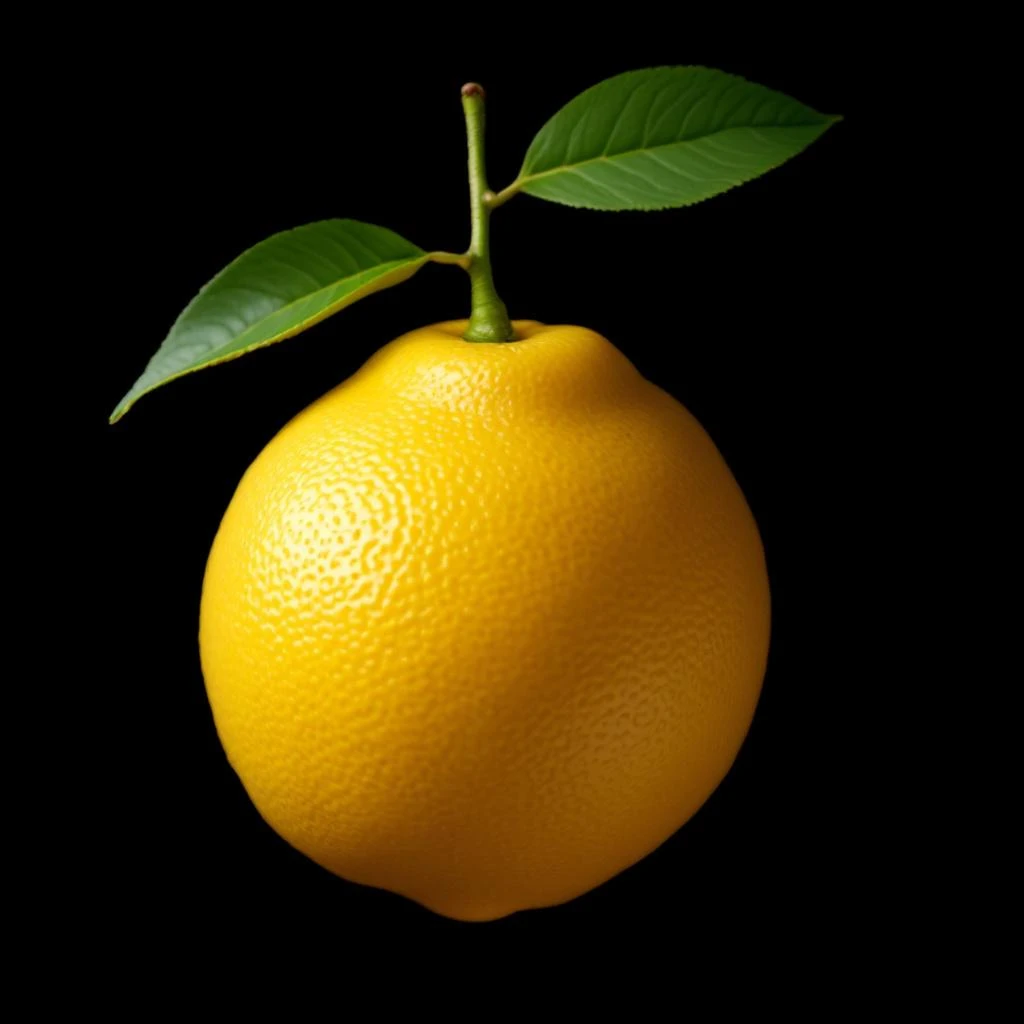
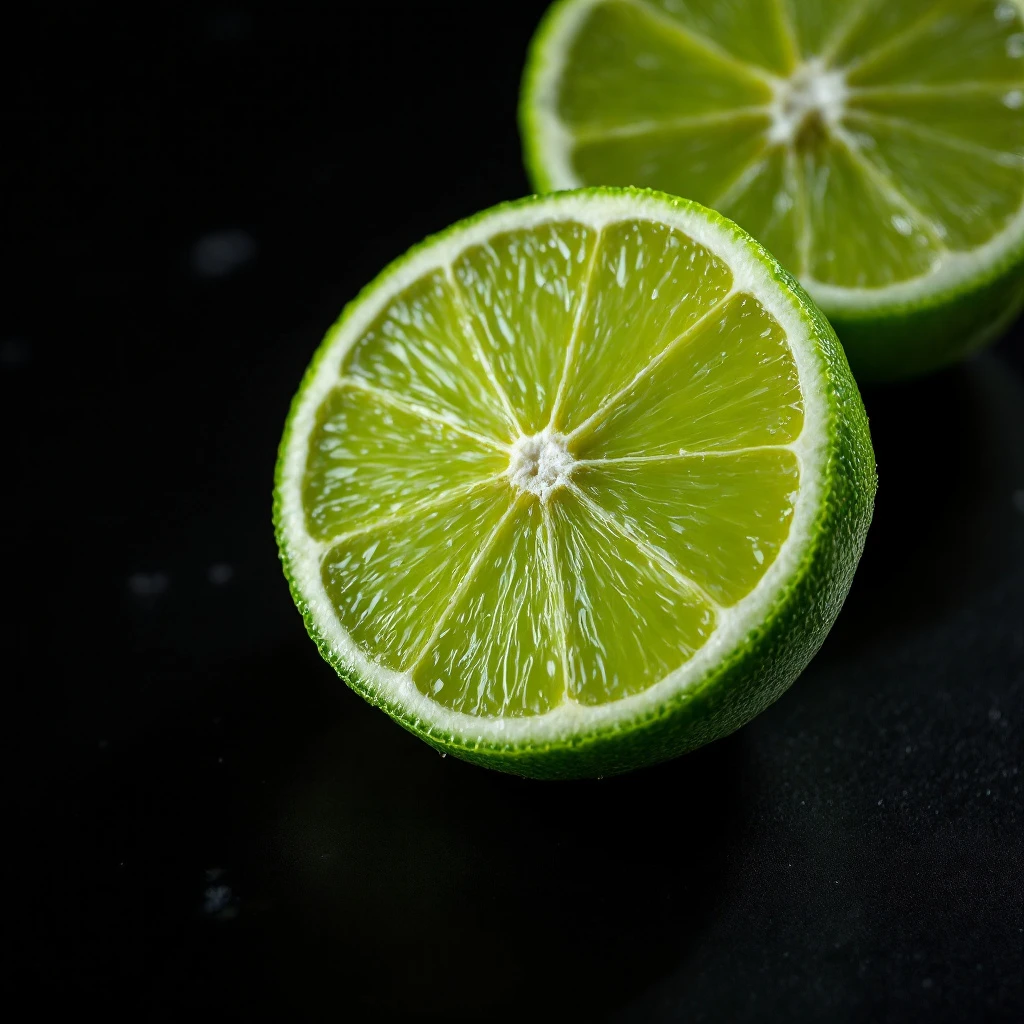
Jamaican lime delivers the vibrant, sun-drenched character of West Indian limes. Cold-pressed from ripe peel, this citrus essential oil captures an electric brightness that transforms fragrances into sunlit moments.
Character
How it smells
Caribbean sunshine in a drop.
Lime trees produce fruit year-round, with peak harvest occurring twice annually during the rainy seasons.



Origin
Jamaica
West Indian limes, the variety most commonly associated with Jamaica, likely originated in Southeast Asia but became central to Caribbean agriculture after Spanish and Portuguese traders introduced the fruit in the 1500s. Jamaica proved particularly well-suited to cultivation, and by the 18th century the island exported significant quantities of lime oil to European markets.
British perfumers favored Jamaican lime oil for its bright, complex aroma compared to varieties grown elsewhere. Beyond perfumery, limes served practical purposes in colonial Jamaica: sailors used the fruit to prevent scurvy, and plantation workers relied on lime juice to preserve food and treat wounds.
This dual role as medicine cabinet and fragrance ingredient shaped the fruit's economic importance to the island. Today, while industrial production has shifted to larger nations like Mexico and Peru, Jamaican lime retains a reputation among perfumers as a specialty ingredient with distinctive character shaped by local soil and climate.
Wears it best
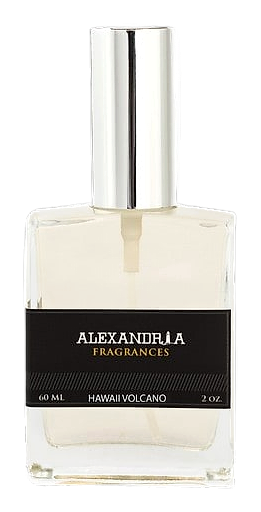
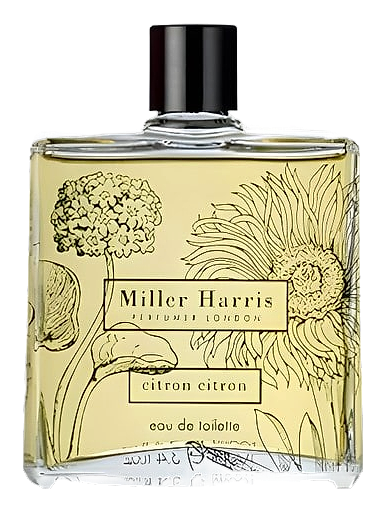
Fragrances featuring Jamaican Lime
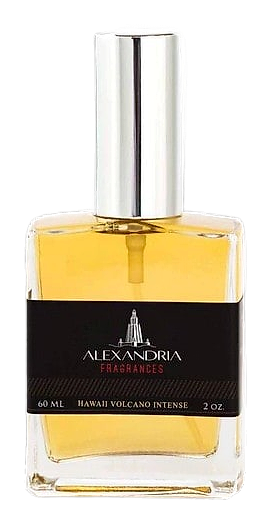
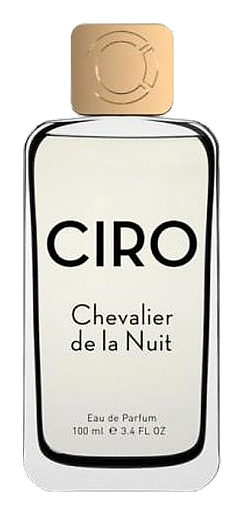
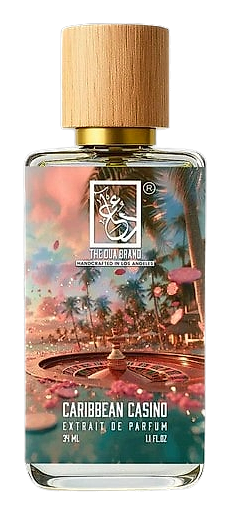
Brands
Brands known for Jamaican Lime
Good to know
Questions, answered
The essentials on Jamaican Lime in perfumery: how it smells, where it comes from, and how it behaves on skin.
What does Jamaican lime smell like?
Jamaican lime opens with an immediate, electric brightness that feels clean and tart. The scent carries green, slightly bitter undertones that distinguish it from sweeter citrus notes. On the dry-down, it reveals subtle herbal warmth without becoming sugary.
What compounds give lime oil its characteristic scent?
Limonene comprises roughly 65-70% of lime oil, providing the dominant citrus character. Beta-pinene contributes sharp, pine-like facets, while gamma-terpinene adds herbaceous complexity. These compounds together create the bright, multi-dimensional profile perfumers seek.
Is Jamaican lime the same as Persian lime?
No. Jamaican lime refers to the West Indian or Key lime variety (Citrus aurantifolia), which produces smaller, more aromatic fruit than the Persian lime (Citrus latifolia) commonly sold in grocery stores. West Indian limes have a more intense, slightly bitter fragrance preferred in perfumery.
Why is cold pressing preferred for lime oil?
Cold pressing preserves volatile aromatic molecules that heat-based methods would damage or evaporate. Steam distillation produces a different, more rounded scent profile, while cold-pressed lime oil retains the sharp, fresh character that makes the ingredient distinctive in fragrance.
What role does Jamaican lime play in perfumery traditions?
Jamaican lime carries cultural significance in Caribbean perfumery and appears in many traditional fragrance recipes from the region. The ingredient features prominently in formulations meant to evoke tropical environments, and remains a marker of Caribbean fragrance heritage.
Is Jamaican lime used in men's or women's fragrances?
The ingredient appears across gender categories. While lime features heavily in masculine fresh and aromatic fragrances, perfumers also use it extensively in unisex compositions and feminine scents that aim for a crisp, energizing opening.
How long does lime oil last in a fragrance?
As a top note, lime provides the initial impression of a fragrance and typically lingers for one to two hours before evaporation allows heart and base notes to emerge. The brightness fades relatively quickly compared to heavier base ingredients.
How should lime oil be stored?
Lime oil oxidizes faster than many fragrance ingredients and requires cool, dark storage in tightly sealed containers. Exposure to heat and air degrades the aromatic compounds, reducing both scent quality and shelf life. Proper storage extends usability to approximately 12-24 months.