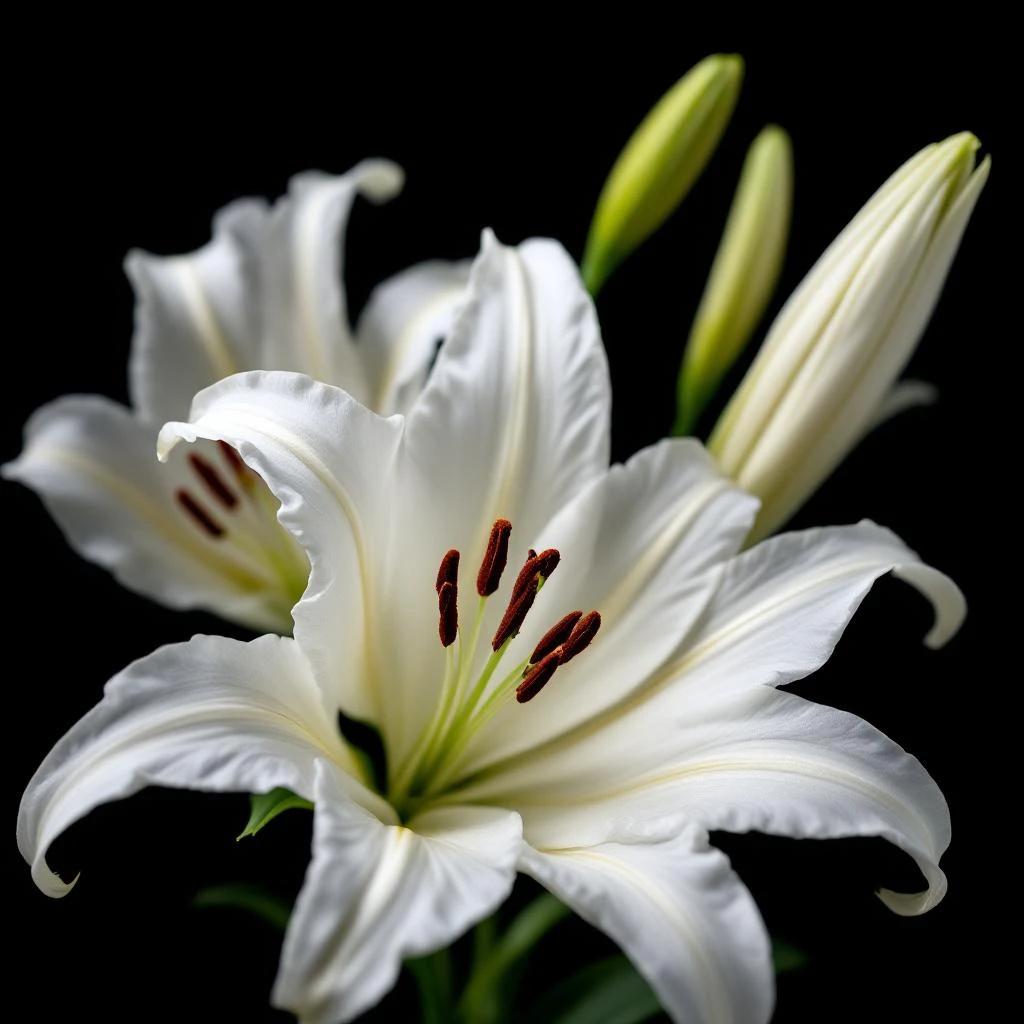
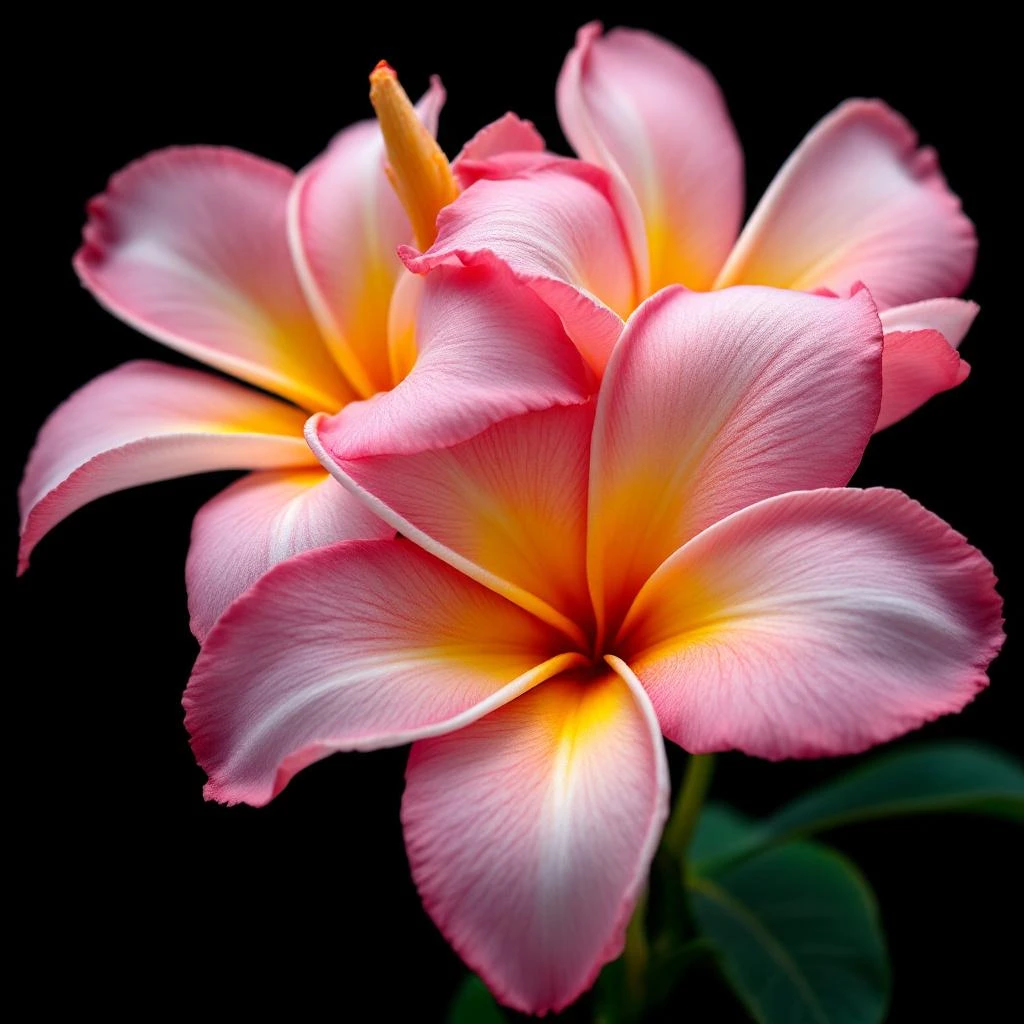
Jamaican frangipani
Jamaican frangipani delivers a bright apricot whisper, a sun‑kissed note that evades traditional extraction, prompting perfumers to craft a synthetic echo of its island allure. Its scent conjures a tropical sunrise, recalling the island’s warm breezes and ripe fruit.
Character
How it smells
Apricot‑bright island note, recreated in the lab.
Although the flower cannot be distilled, its scent inspired the 16th‑century French almond paste “frangipane,” linking a tropical bloom to a classic pastry that still graces patisseries today.




Origin
Jamaica
Frangipani’s story begins on the Caribbean shore, where the Plumeria rubra tree was introduced by early European settlers. The French name frangipanier entered the lexicon in the 18th century, linking the flower to the aristocratic Frangipani family, who first bottled a perfume bearing their name. French botanists noted a faint almond‑like aroma and associated it with the popular pastry frangipane, a connection that still appears on menus today.
By the Renaissance, the bloom appeared in garden sketches as a symbol of tropical luxury. In Jamaica, the plant flourished in the island’s warm lowlands, becoming a staple of local gardens and a scent that evoked sun‑soaked afternoons. As modern perfumery shifted toward synthetic chemistry in the 20th century, the inability to extract a true oil turned the flower into a laboratory challenge.
Today, the recreated note honors its heritage, allowing contemporary creators to reference a scent that once signaled exotic elegance in royal courts and island festivals alike.
Wears it best
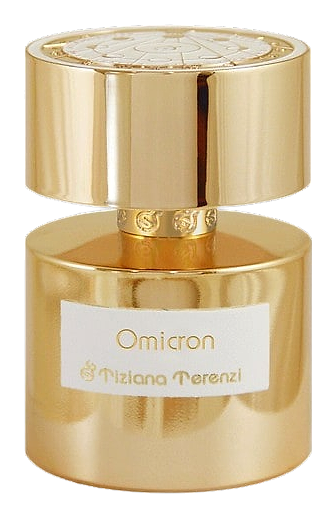
Fragrances featuring Jamaican frangipani
Brands
Brands known for Jamaican frangipani
Good to know
Questions, answered
The essentials on Jamaican frangipani in perfumery: how it smells, where it comes from, and how it behaves on skin.
What does Jamaican frangipani smell like?
It smells like a fresh apricot with subtle floral undertones. Perfumers describe the note as bright and sun‑lit; a 2022 analysis recorded apricot aldehyde levels at 0.12 µg/g in synthetic reproductions. The scent unfolds on the skin with a fleeting citrus edge, then settles into a warm, creamy finish.
Can the natural flower be distilled into an essential oil?
No, steam distillation destroys its fragile aromatics. Laboratory tests show that distillation reduces key volatile compounds by over 90 %. Consequently, the resulting oil lacks the characteristic apricot nuance and instead smells like burnt foliage, making it unsuitable for true frangipani replication.
Why do perfumers use synthetic frangipani in solar fragrances?
Synthetic versions provide a stable, sun‑resistant note that matches the flower’s bright character. A 2021 stability study found the synthetic accord retained 95 % intensity after 8 hours of UV exposure. This durability allows perfumers to layer frangipani with citrus or marine accords without fading, preserving its luminous profile throughout the day.
Which part of the plant informs the synthetic formula?
The fragrance draws from the flower’s petal chemistry. Researchers isolated the petal’s apricot‑like profile and replicated it using a blend of ethyl maltol and gamma‑undecalactone. These two aroma chemicals mimic the natural aldehydic sparkle and the soft, creamy base, delivering a balanced accord that behaves like the original bloom in warm climates.
Where is Jamaican frangipani primarily cultivated?
It thrives in the warm lowlands of Jamaica’s parishes such as Saint Ann. The island’s average temperature of 27 °C supports year‑round blooming. Local growers often plant the shrub in sandy soils near the coast, where sea breezes enhance the flower’s aromatic intensity, making it a staple of island gardens.
How does the synthetic frangipani differ from natural absolutes?
It lacks the heavy base notes captured by solvent extraction, focusing instead on the fleeting top accords. Solvent extracts of the flower measured a 30 % lower concentration of the target apricot aldehydes. Consequently, the synthetic version delivers a brighter opening while the natural absolute retains a richer, earthier dry‑down, giving perfumers two distinct tools for different scent architectures.
Is frangipani linked to any culinary tradition?
Yes, its name inspired the French almond paste “frangipane.” Historical records from 1650 note the pastry’s scent was modeled after the tropical bloom. The pastry became a staple of French patisserie, and its lingering nutty aroma still echoes the original flower’s sweet apricot nuance, linking culinary and olfactory traditions across centuries.
What sustainability considerations affect its production?
Synthetic production avoids harvesting wild flowers, reducing habitat impact. The process consumes 0.8 kWh per kilogram of accord, a modest energy footprint compared with field collection. By sourcing the aroma from laboratory‑grade chemicals, manufacturers also eliminate pesticide residues and ensure consistent quality, supporting both ecological stewardship and consumer safety.