Jamaican Coffee
Rich, roasted warmth with deep caramel undertones and a smooth, velvety body. Jamaican coffee brings an unmistakable boldness tempered by the island's unique terroir, delivering an aromatic intensity that lingers like the last sip of a perfect cup.
Character
How it smells
Bold Caribbean warmth in every note.
Jamaica's Blue Mountains sit at 1,500 to 2,256 meters, making it one of the highest coffee-growing regions in the Caribbean, with cool mists that slow cherry development for exceptional flavor depth.


Origin
Jamaica
Coffee arrived in Jamaica in 1728 when Governor Sir Nicholas Lawes imported six Arabica Typica plants from Martinique and planted them in the foothills of St. Andrews parish. The island's volcanic soil, high altitude, and cool mountain mist proved remarkably suited to cultivation, and by the 1790s, Jamaica had become one of the world's leading coffee exporters.
The colonial plantation system drove early production, but the Blue Mountain region carved out a reputation for exceptional quality that outlasted the industry shifts of the 19th century. A devastating coffee leaf rust outbreak in the 1800s reshaped the industry, consolidating cultivation in the Blue Mountains where conditions were most favorable. By the 20th century, the Jamaica Coffee Industry Board had established strict regulations to protect the Blue Mountain designation, making it one of the most tightly controlled coffee origins in the world.
Today, fewer than 4,500 hectares produce this celebrated crop, with the vast majority grown on small family farms. As a fragrance ingredient, Jamaican coffee absolute carries the weight of this heritage, delivering an aromatic richness shaped by centuries of cultivation and the island's singular climate.
Wears it best
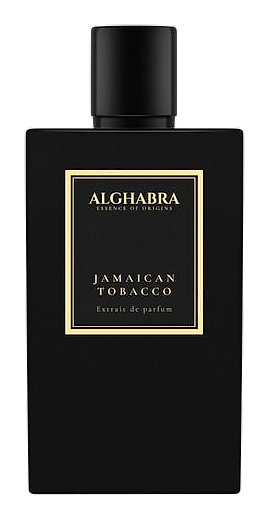
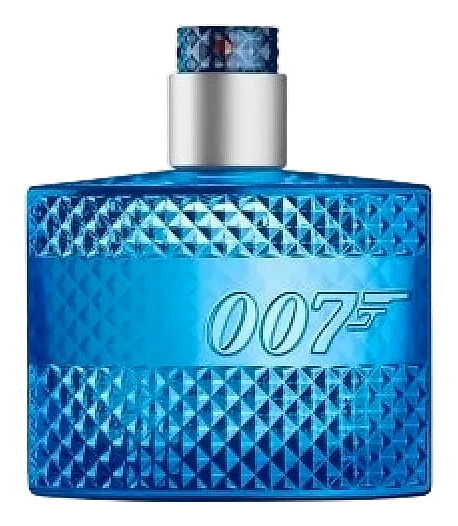
Fragrances featuring Jamaican Coffee
Brands
Brands known for Jamaican Coffee
Good to know
Questions, answered
The essentials on Jamaican Coffee in perfumery: how it smells, where it comes from, and how it behaves on skin.
What does Jamaican coffee absolute smell like in a fragrance?
Jamaican coffee absolute delivers a rich, roasted aroma with caramel undertones and a smooth, velvety body. It lacks the acidity of brewed coffee, instead offering warm, bittersweet depth that works as both a heart note and a base anchor in fragrance compositions.
How is coffee used as a fragrance ingredient?
Coffee absolute is extracted from roasted beans using CO2 or solvent methods, producing a concentrated aromatic material. Perfumers use it to add warmth, depth, and a roasted quality to fragrance compositions, often blending it with vanilla, amber, or woody notes to enhance its sweet and smoky facets.
Is Jamaican coffee absolute natural or synthetic?
It is naturally extracted from roasted coffee beans, primarily using supercritical CO2 extraction. This method preserves a wide range of aromatic compounds including furans, pyrazines, and aldehydes that give coffee its characteristic scent. Some fragrances also use synthetic coffee aroma chemicals as an alternative.
What makes Jamaican coffee distinct from other coffee origins in perfumery?
Jamaica's Blue Mountain terroir produces Arabica beans with a notably mild, smooth profile. In perfumery, this translates to a coffee note that is bold yet less bitter than Brazilian or Ethiopian coffee, with a cleaner caramel sweetness that pairs exceptionally well with lighter fragrance constructions.
What fragrance families pair well with Jamaican coffee?
Jamaican coffee absolute pairs naturally with oriental and gourmand compositions. It harmonizes with vanilla, tonka bean, benzoin, and chocolate, and adds unexpected complexity to leather, tobacco, and woody fragrance constructions.
How long does the coffee note last in a fragrance?
Coffee absolute functions as a base to heart note, providing moderate to strong longevity depending on concentration. When properly dosed, its aromatic character remains detectable for four to six hours on skin, with the roasted depth persisting well after top notes have faded.
Is coffee absolute safe for use in consumer fragrances?
Coffee absolute is IFRA-compliant when used within recommended concentration limits. It has a favorable safety profile in fine fragrance applications. As with any aromatic material, it should be handled by trained perfumers and used according to established guidelines.
Why is the Blue Mountain region significant for coffee cultivation?
The Blue Mountains' altitude ranges from 1,500 to 2,256 meters, with volcanic soil, high rainfall, and cool mist creating ideal conditions for slow cherry development. This extended maturation period builds exceptional flavor complexity, which carries through to the aromatic profile used in perfumery.