Italian Red Plum
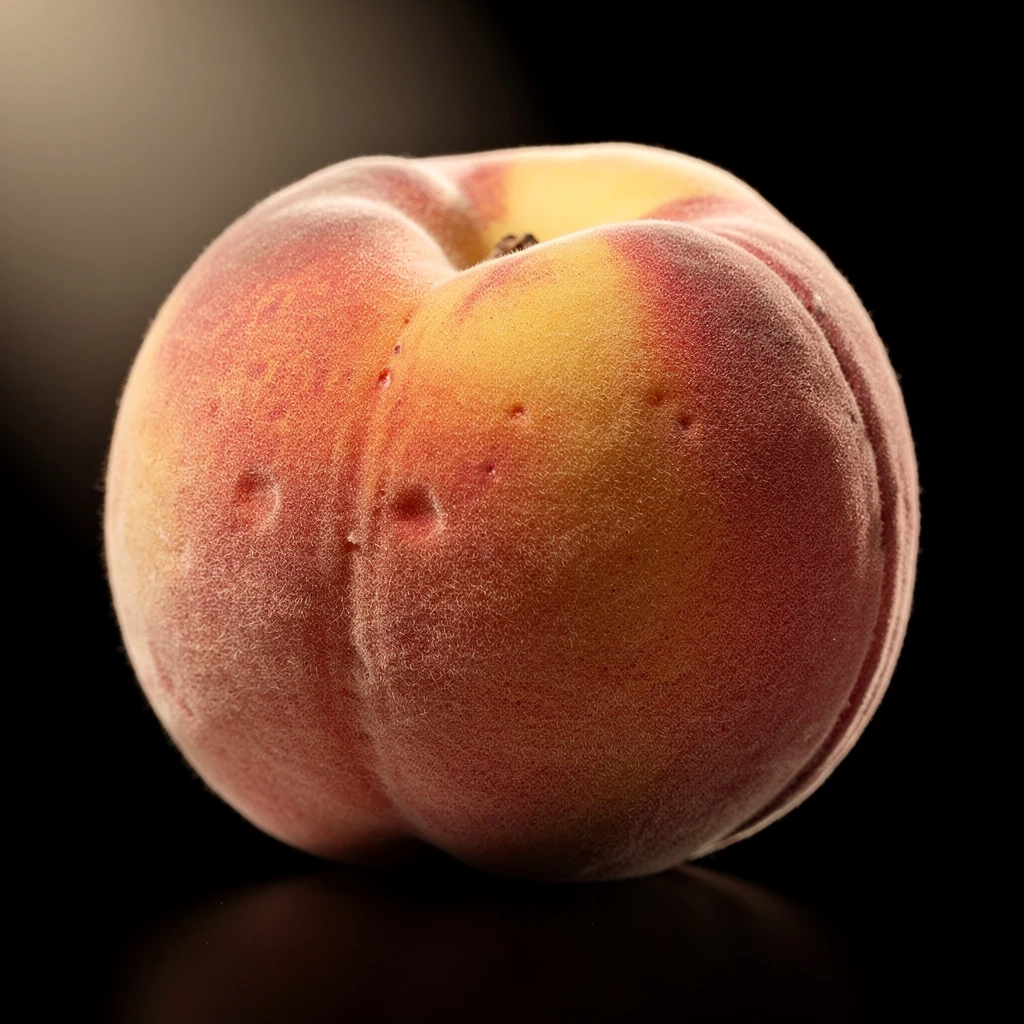
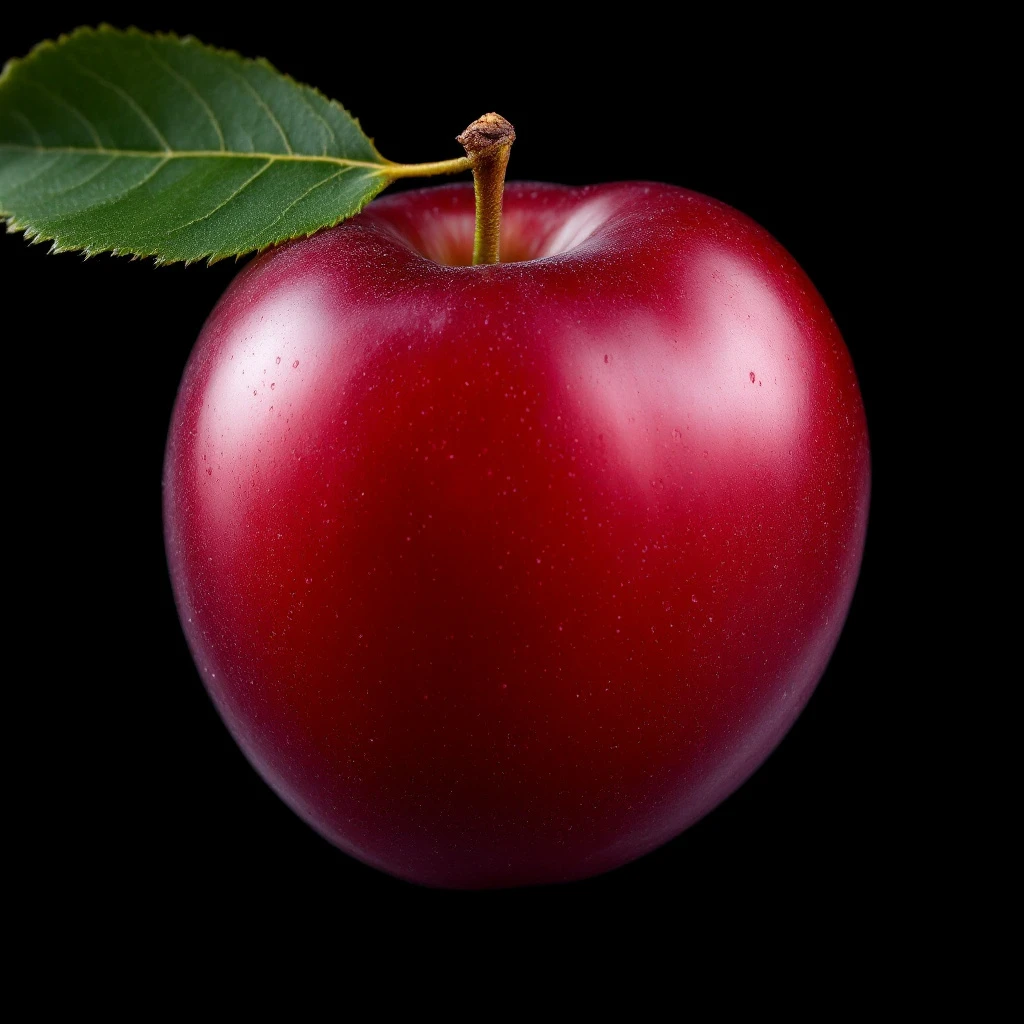
Italian Red Plum evokes sun-warmed orchard fruit with a jammy sweetness and subtle wine-like depth. While true plum extraction remains impractical, this note recreates that lush, velvety character through carefully balanced aromatic molecules that have become a signature of modern fruited florals.
Character
How it smells
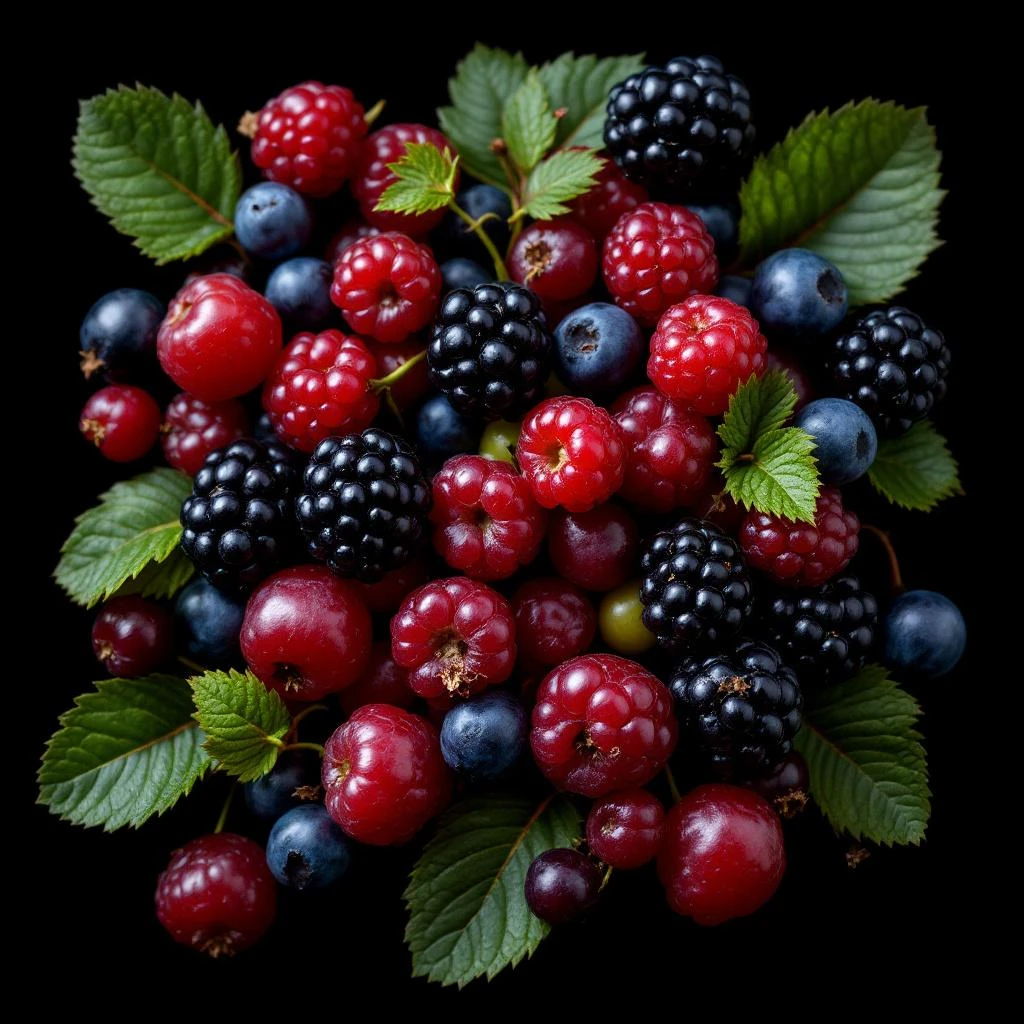
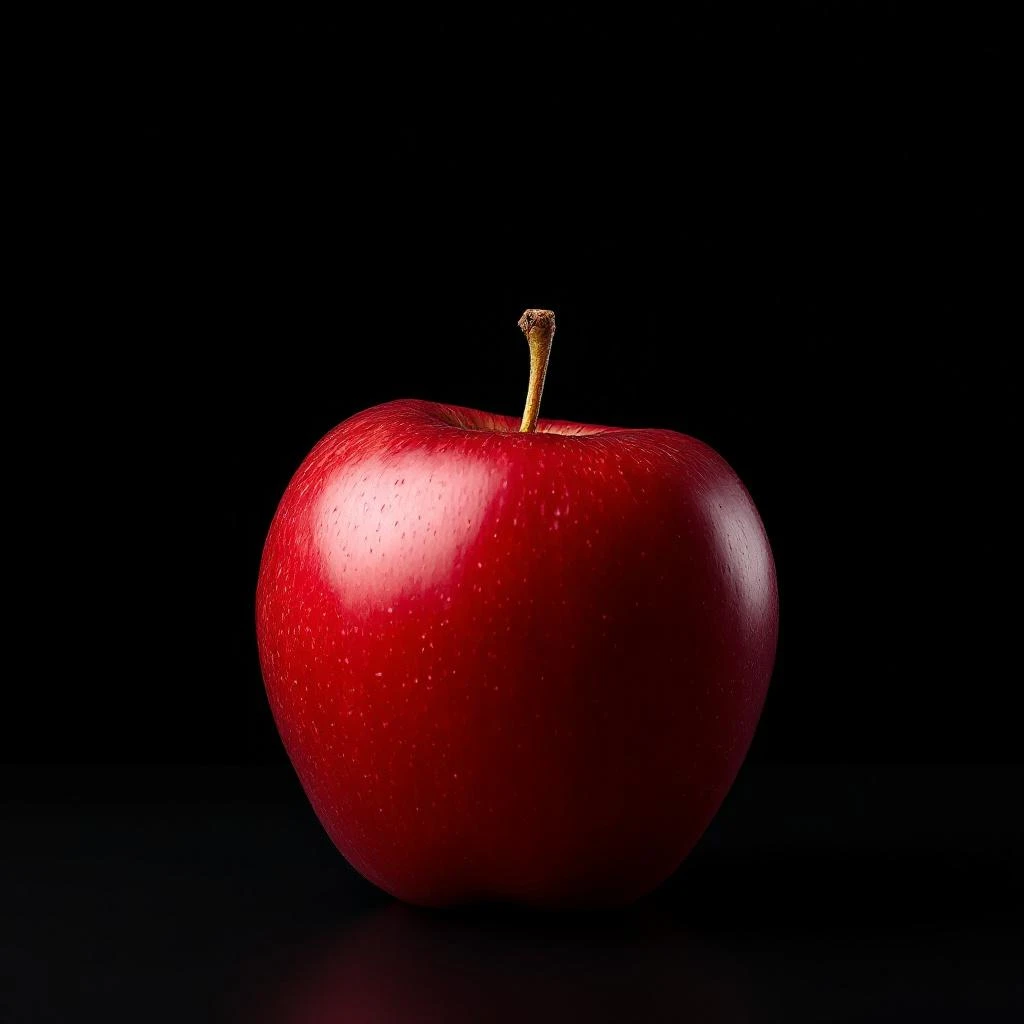
Sun-drenched orchard fruit, captured through molecular artistry.
Every plum note in perfumery is a reconstruction. Natural extraction from the fruit is prohibitively expensive, so perfumers build the scent molecule by molecule.



Origin
Italy
Italy's connection to perfumery runs deep. During the Renaissance, Italian craftsmen refined extraction and maceration techniques that elevated perfumery from crude aromatic blends into a recognized art. When Catherine de' Medici departed Florence for Paris in the 16th century, she brought her Italian perfumers with her, seeding French fragrance culture with Mediterranean expertise.
Italian plum varieties, including the Santa Maria and similar cultivars grown across the peninsula, symbolized this Mediterranean abundance. Yet despite Italy's perfumery leadership, the plum itself resisted extraction. The fruit's aroma compounds are too volatile and delicate for conventional methods.
Italian Red Plum as a perfumery note had to wait for the advance of organic synthesis in the 19th century, when chemists could finally build what nature could not easily give. Today, the note carries both that Italian orchard heritage and the modern ingenuity that made it possible.
Wears it best
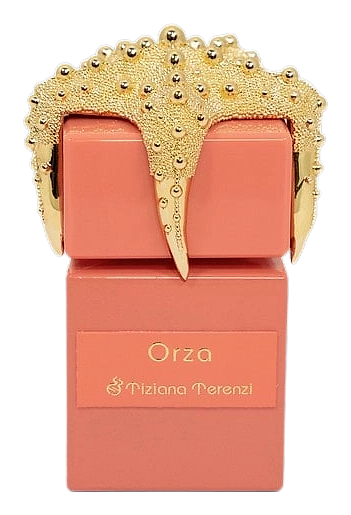
Fragrances featuring Italian Red Plum
Brands
Brands known for Italian Red Plum
Good to know
Questions, answered
The essentials on Italian Red Plum in perfumery: how it smells, where it comes from, and how it behaves on skin.
Is Italian Red Plum a natural ingredient?
No. Natural plum extraction is not feasible due to the fruit's volatile and delicate aroma compounds. Every Italian Red Plum note in perfumery is a synthetic accord built from individual aromatic molecules.
How do perfumers create the plum smell in fragrances?
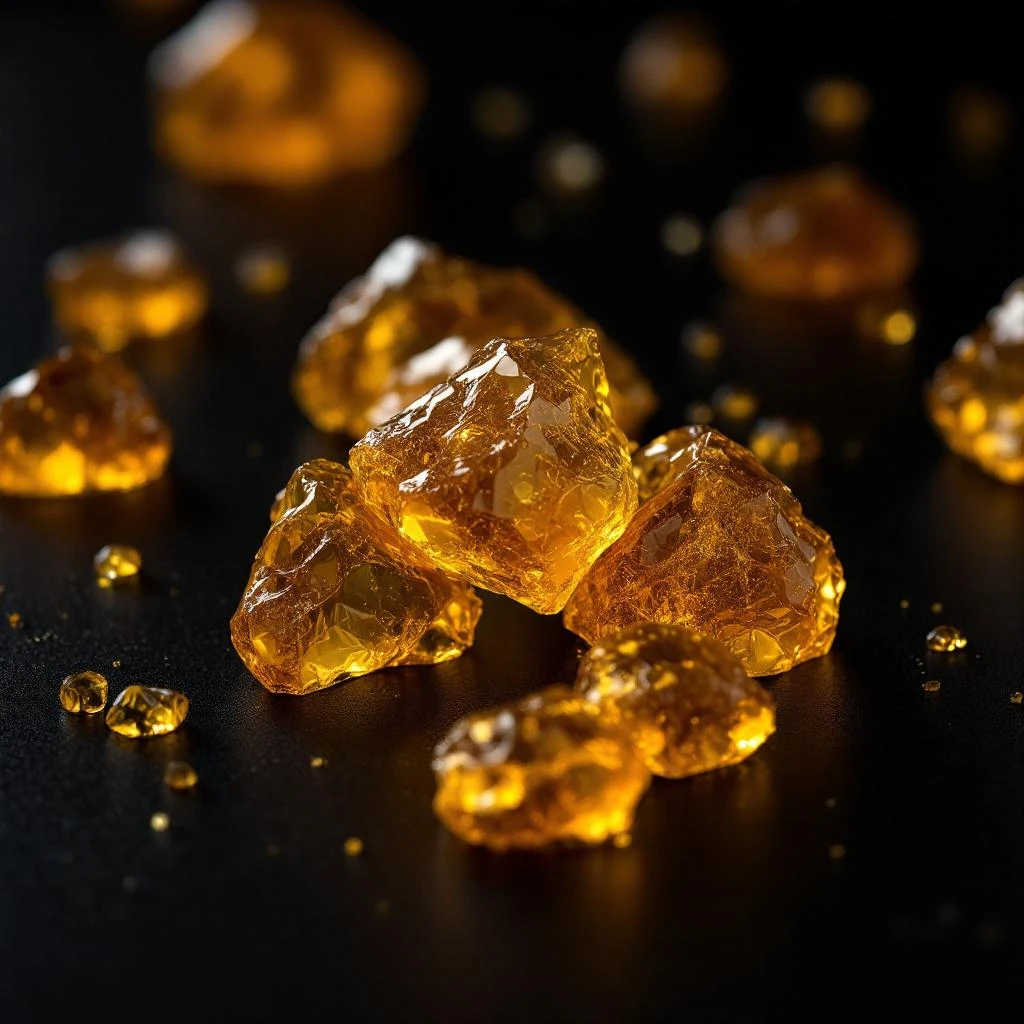
Perfumers combine specific molecules to build a plum accord. Key materials include gamma-decalactone for the soft, oily fruitiness, plum aldehyde for depth, and fruity esters for brightness. The exact formula depends on whether the perfumer wants a greener, skin-like plum or a deeper, jammy character.
What does Italian Red Plum smell like?
Italian Red Plum reads as lush, jammy, and slightly tart, with a velvety depth reminiscent of ripe fruit with a subtle wine-like undertone. It sits between sweet and tart, offering both freshness and richness that reads as unmistakably plum.
Why is Italy associated with this note if it is synthetic?
The association draws from Renaissance Italy's foundational role in perfumery craft and the imagery of Italian plum orchards. Italian perfumers were instrumental in developing the techniques that eventually made synthetic reconstruction of natural notes possible.
Which fragrance families use Italian Red Plum?
Italian Red Plum appears most often in fruited florals, chypres, and oriental compositions. It pairs naturally with rose, iris, patchouli, and ambery bases, adding a rich fruit dimension that distinguishes it from lighter berry or citrus fruit notes.
What molecules are used to build plum notes?
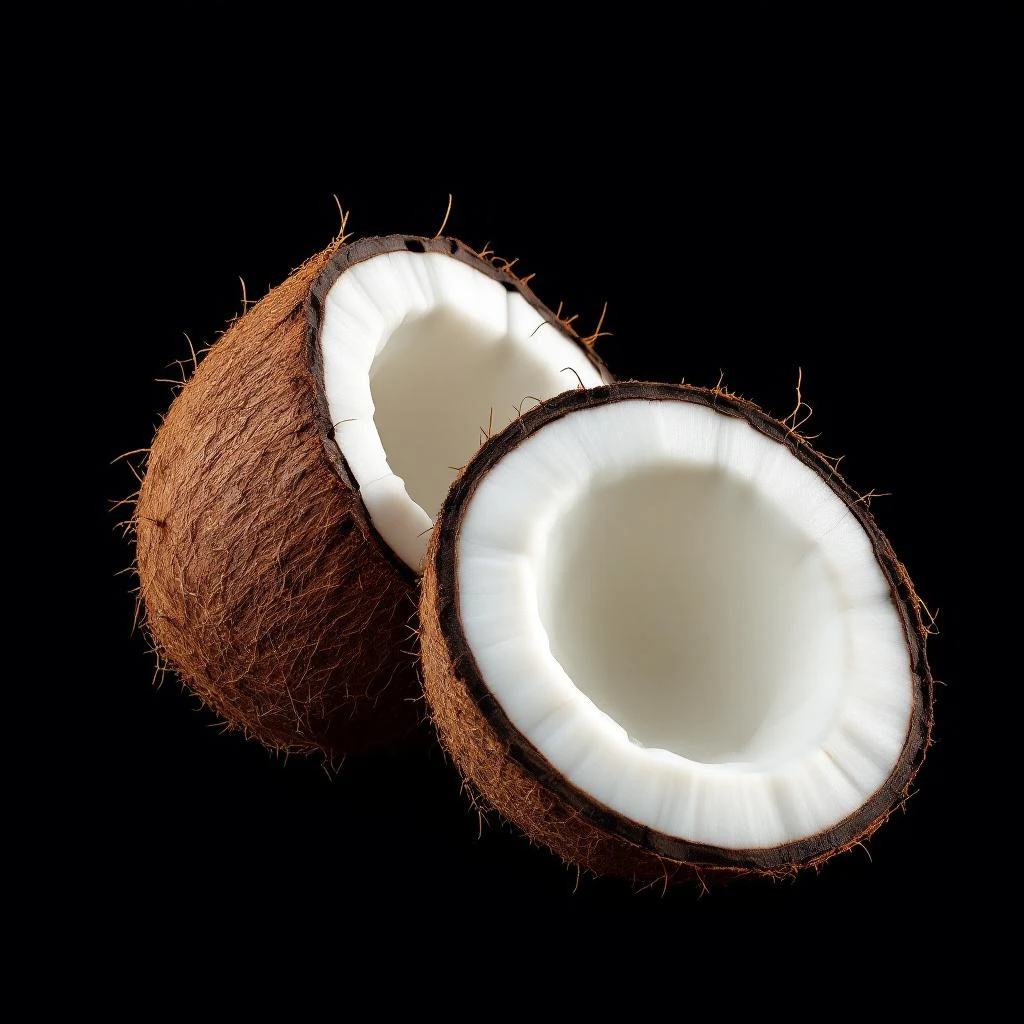
Common molecules include gamma-decalactone (soft oily fruit), gamma-nonalactone (coconut-peach), plum aldehyde (characteristic plum depth), and various short-chain esters that contribute bright, fruity top notes. Aldehydes also add a slight waxy, skin-like quality.
How does Italian Red Plum differ from generic plum notes?
Italian Red Plum tends toward a specific character: richer, warmer, and more wine-like than generic fruity accords. The descriptor signals the depth and specificity perfumers aim for, distinguishing it from lighter, generic stone fruit reconstructions.
Is Italian Red Plum sustainable as a fragrance material?
Yes, in one sense. Because it is synthetic, Italian Red Plum does not require agricultural land, harvesting labor, or natural extraction infrastructure. However, the sustainability profile depends on the specific synthesis routes used for each molecule in the accord.