Iris Bud
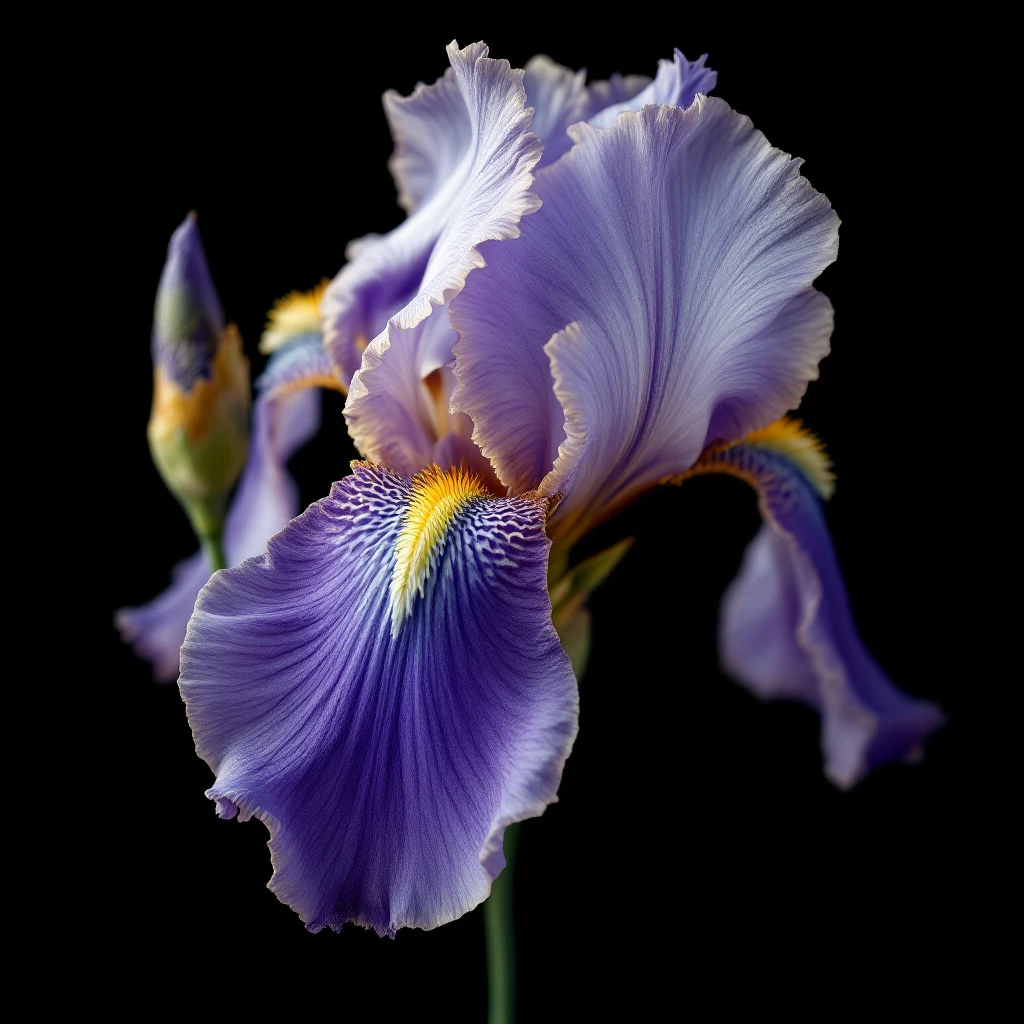
Harvested from the rhizomes of the bearded iris, this rare ingredient requires six years of patient cultivation before it reveals its signature powdery, violet-laced aroma.
Character
How it smells
The world's most patient perfume ingredient.
It takes over a ton of fresh rhizomes to produce just one kilogram of orris butter, making it more costly than many precious metals.




Origin
Italy
The aromatic use of iris rhizomes dates to ancient Egypt, where priests employed the root in religious ceremonies and cosmetics. By the Renaissance, orris had traveled to Catherine de Medici's French court, where perfumers began extracting its essence through complex distillation to create soft, powdery scents that became hallmarks of aristocratic fragrance. The 19th century saw French craftsmen refine these techniques further, establishing orris as an essential ingredient in powdered perfumes and pomades.
Roman and Egyptian medicine also valued orris for its purported healing properties, and people traditionally chewed the raw root as a breath freshener. Today, iris cultivation remains rooted in traditional farming regions of Italy, France, and Morocco, where multi-generational growers maintain the centuries-old practices that produce this extraordinary material.
Wears it best
Fragrances featuring Iris Bud
Brands
Brands known for Iris Bud
Good to know
Questions, answered
The essentials on Iris Bud in perfumery: how it smells, where it comes from, and how it behaves on skin.
What does iris smell like in perfumery?
Orris delivers a soft, powdery aroma with clear violet, raspberry, and subtle pepper notes. The scent carries an elegant, slightly woody quality that works exceptionally well as a base note.
Why does orris cost so much?
The six-year minimum cultivation window and the sheer volume of rhizomes required make orris extremely expensive. One ton of fresh roots yields roughly one kilogram of finished butter.
Is synthetic iris available?
Synthetic alternatives like irone exist, offering a more affordable option. However, they rarely replicate the full complexity and depth that natural orris butter develops during extended aging.
What is the difference between iris and orris?
Orris specifically refers to the aromatic rhizome (root) of the bearded iris. The flower itself carries a lighter, greener scent profile, while orris concentrate offers the characteristic powdery depth.
Where does the best orris come from?
Italy, particularly Tuscany, produces the benchmark orris from Iris pallida. Morocco and France also cultivate high-quality crops, though Tuscan-grown material commands the highest market prices.
How long must the roots age?
After harvest, the rhizomes require two to three years of controlled drying and aging before extraction. This aging period proves non-negotiable for developing the signature powdery aroma.
Do modern perfumers still use orris?
Yes, orris remains a highly sought-after ingredient in both luxury and niche perfumery. Its versatility allows perfumers to create sophisticated base notes that lend elegance and longevity to compositions.
What makes iris a sustainable ingredient choice?
Orris cultivation supports traditional farming communities in Mediterranean regions, and the long shelf life of aged rhizomes reduces waste. The perennial iris plants also return annually, requiring no replanting.




