Lotus Petals
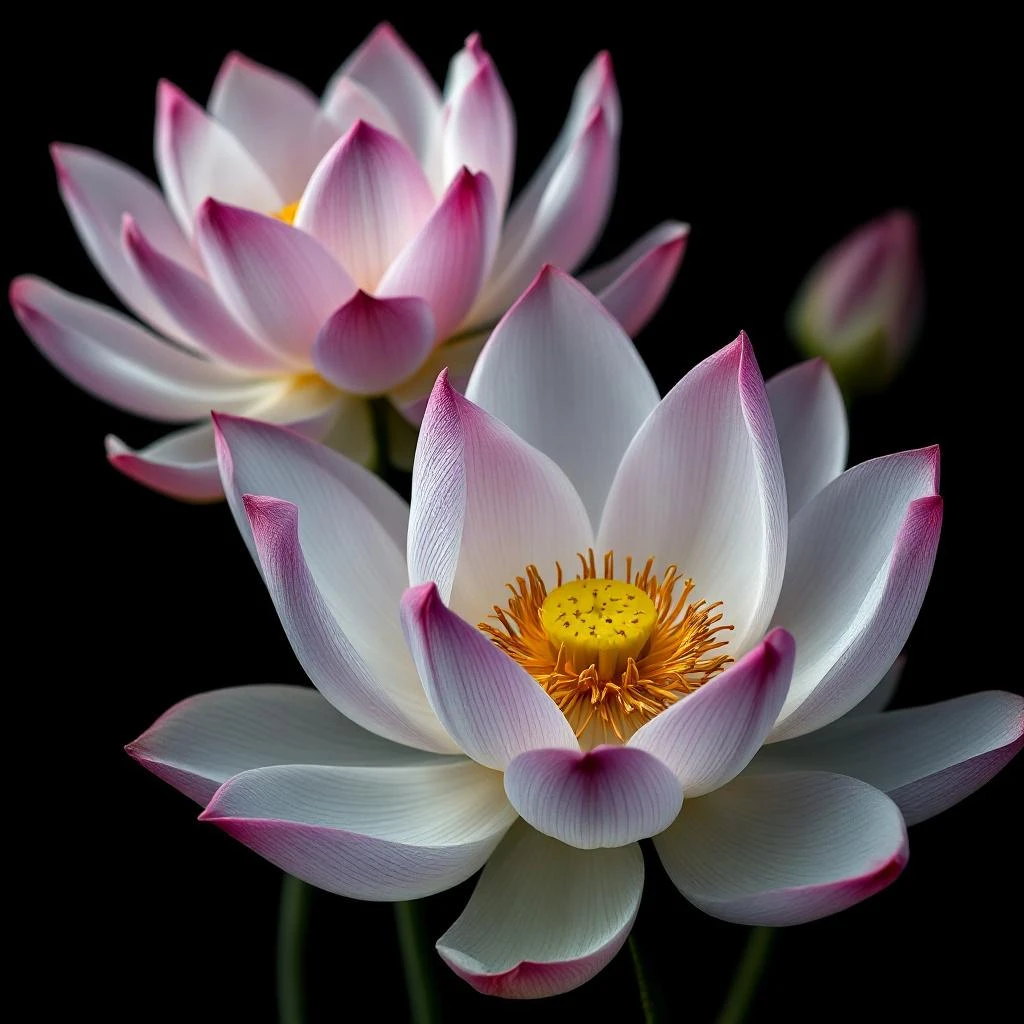
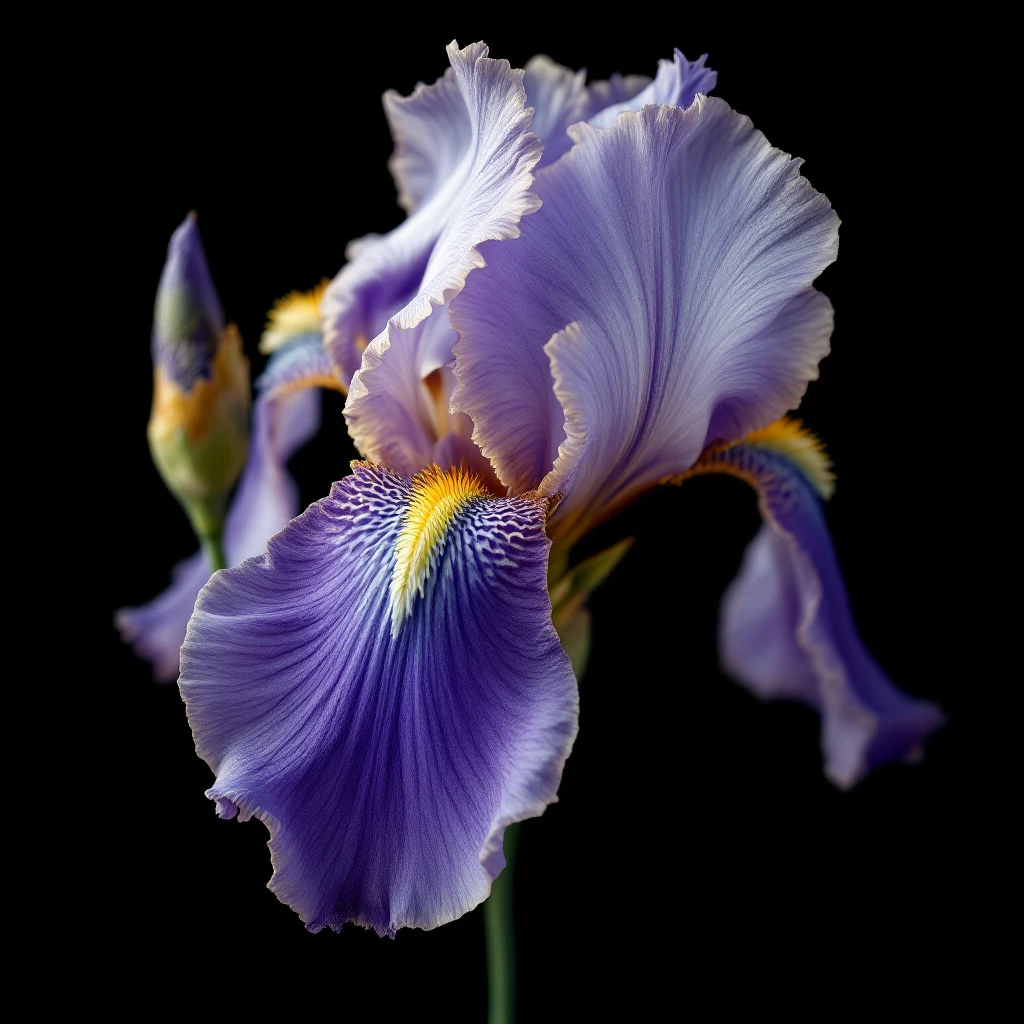
Lotus petals lend a delicate, watery green aroma with a whisper of almond sweetness, recalling the still surface of a sunrise‑lit pond and the quiet purity of early morning.
Character
How it smells
Pure pond‑kissed freshness in a single petal.
Lotus releases only trace amounts of volatile compounds; traditional distillation yields no oil, so modern perfumers often synthesize its signature note from lab‑crafted aromachemicals.







Origin
India
Lotus has floated through human culture for millennia, appearing in the art and ritual of ancient Egypt, Mesopotamia, and the Indus Valley. Egyptian priests harvested the blossoms at dusk, believing the flower embodied rebirth and purity, and used enfleurage‑treated petals to scent ceremonial oils for temple offerings.
In the Indian subcontinent, the lotus is linked to the god Vishnu and the goddess Lakshmi; fragrant lotus water was mixed with sandalwood and rose to create sacred incense burned during festivals. Classical Chinese texts describe lotus perfume as a symbol of noble conduct, and early traders carried lotus‑infused oils along the Silk Road to the Mediterranean.
By the 19th century, European chemists attempted to isolate lotus aromatics, but the low volatility frustrated distillation attempts, prompting a shift toward synthetic recreation. Today, the lotus remains a sign of serenity in luxury branding, its mythic associations guiding designers who seek to evoke calm, renewal, and a touch of the divine in modern scent compositions.
Wears it best
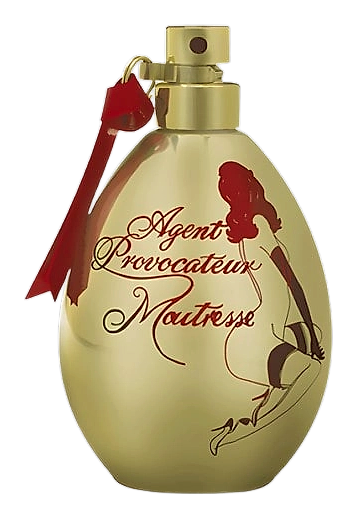
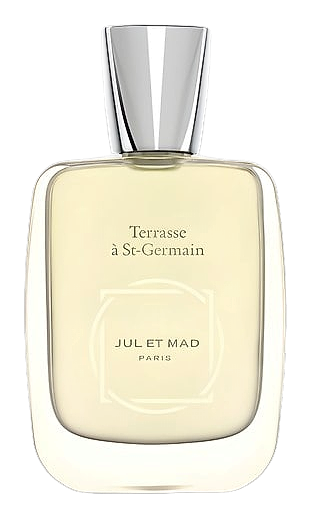
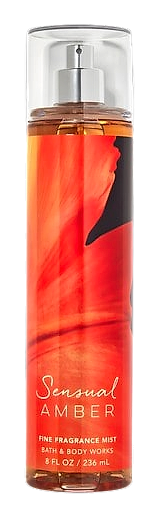
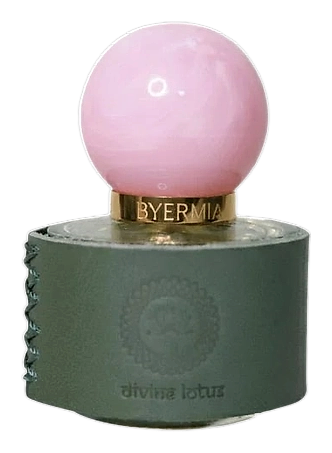
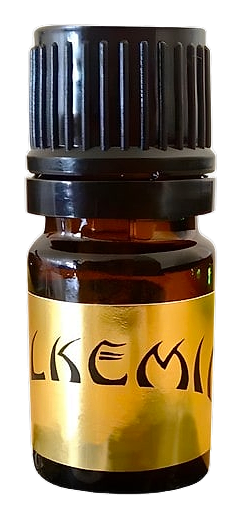
Fragrances featuring Lotus Petals
Brands
Brands known for Lotus Petals
Good to know
Questions, answered
The essentials on Lotus Petals in perfumery: how it smells, where it comes from, and how it behaves on skin.
What primary scent does lotus petal impart?
Lotus petal contributes a light, watery green note with a faint almond nuance. In laboratory analysis, the dominant volatile is (E)-β‑ocimene, which accounts for about 12 % of the trace compounds detected in night‑blooming flowers.
Why can’t traditional distillation capture lotus scent?
Distillation fails because lotus releases volatiles in concentrations below one part per million, far too low for steam extraction. A 2021 study measured the oil yield at only 0.018 % by weight from fresh petals.
How was lotus fragrance first preserved?
Ancient Egyptian artisans used enfleurage, layering petals on animal fat to absorb the aroma over several days. Records from the 15th dynasty describe the process in temple workshops, noting that the resulting fat was later mixed with wine for ritual use.
What modern method reproduces lotus aroma?
Perfumers now synthesize lotus‑like notes using hydroxycitronellol and lotus‑derived lactones, which mimic the flower’s green‑almond profile. The synthetic route yields consistent material at a scale of several kilograms per batch, as reported by a leading fragrance house in 2022.
Which cultures associate lotus with spirituality?
In both ancient Egypt and Hindu tradition, lotus symbolizes rebirth and purity, appearing in temple iconography and ritual oils. Archaeological finds include lotus‑infused ointments dated to 2500 BC in the Nile Valley.
Is lotus oil used in modern cosmetics?
Natural lotus oil is rare, but extracts are employed in niche skin‑care for their antioxidant properties. A 2020 clinical trial showed a 15 % reduction in skin redness after a two‑week regimen with lotus‑seed oil.
What part of the lotus releases the most scent?
Research shows the flower’s appendages emit the strongest aroma, followed by petals and pistils. In a 2019 chromatographic study, appendage emissions were measured at 0.045 % of total volatile output.
How sustainable is lotus harvesting?
Wild lotus is protected in many regions; commercial sourcing relies on cultivated ponds that rotate harvests each season. The International Aquatic Plant Association reports a 30 % increase in cultivated lotus acreage between 2015 and 2021.