Iranian Green Rose
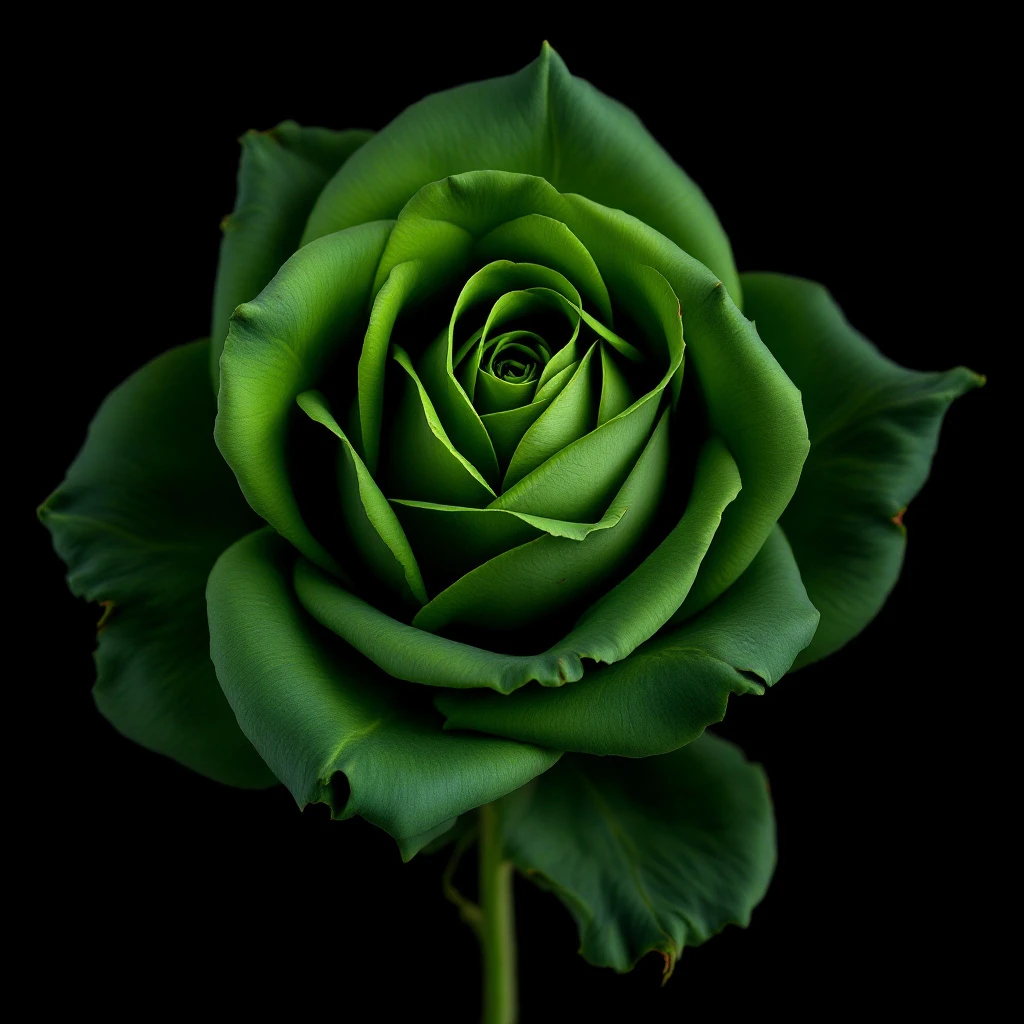
A wild, green-edged rose absolute from the highlands of Iran, where Rosa damascena has been cultivated for over a thousand years. It carries a sharper, more herbaceous lift than its Turkish or Bulgarian cousins.
Character
How it smells
Persia's wild rose, picked at dawn
Iran produces rose water at volumes that have made it a global export staple, with Persian distillation techniques dating back to the medieval Islamic golden age.




Origin
Iran
The Damask Rose takes its common name from Damascus, but its genetic and aromatic heart lies further east, in Persia. The Crusader Robert de Brie is often credited with carrying specimens from Persia to Europe between 1254 and 1276, though the plant had already been cultivated across the Iranian plateau long before that journey. Iranians are recognized as among the earliest manufacturers of perfume, perfecting steam distillation methods during the medieval Islamic golden age that practitioners still use today.
Persian and Arab perfumers developed the rose water and attar traditions that shaped perfumery across the Ottoman Empire, the Mughal courts, and eventually Europe. In Iranian culture, the rose carries deep symbolic weight, associated with love, the divine, and the poet Rumi's verses. Kashan's rose gardens have operated continuously for centuries, supplying both ceremonial rose water for religious occasions and aromatic material for export.
This continuity places Iranian rose production among the oldest unbroken fragrance agricultural traditions on earth.
Wears it best
Fragrances featuring Iranian Green Rose
Good to know
Questions, answered
The essentials on Iranian Green Rose in perfumery: how it smells, where it comes from, and how it behaves on skin.
What makes Iranian rose different from Turkish or Bulgarian rose?
Iranian rose oil often presents a greener, more herbaceous profile with sharper aldehyde notes, while Bulgarian and Turkish versions tend toward honeyed sweetness and jammy fruit tones. The difference comes from terroir, harvest timing, and traditional Kashan-region processing methods.
Is Iranian Green Rose a specific species?
It refers to Rosa damascena processed to emphasize its greener facets, sometimes through early-harvest picking or inclusion of stems and calyx during distillation. It is not a separate botanical species, but a stylistic interpretation of the classic Damask rose.
Where in Iran is rose grown for perfume?
The Kashan region in Isfahan Province is the historic center of Iranian rose cultivation, with highland valleys providing the cool nights and dry days that concentrate aromatic compounds in the petals.
How is Iranian rose oil extracted?
Persian producers primarily use hydrodistillation in copper alembics, a technique refined during the medieval Islamic era. Some modern processors use solvent extraction to capture greener, more stem-influenced character in the absolute.
What does Iranian Green Rose smell like?
Expect a sharp green-aldehyde opening layered over classic damask rose honey and linalool softness. Compared to Bulgarian rose, it reads more leafy and metallic, with less of the jammy fruit undertone.
Why is rose important in Iranian culture?
The rose carries symbolic weight in Persian poetry and Sufi tradition, appearing prominently in Rumi's verses as a metaphor for divine love. Iranian rose water also serves ceremonial and culinary roles, from religious offerings to flavoring ice cream and desserts.
Is Iranian rose oil used in modern perfumery?
Iranian rose production largely supplies domestic attar markets and rose water exports rather than Western fine fragrance houses, which source mainly from Bulgaria and Turkey. Smaller specialty producers do offer Iranian rose absolute for niche perfumers.
When did Persians start distilling rose?
Persian and Arab chemists perfected steam distillation during the medieval Islamic golden age, roughly between the 9th and 13th centuries. These techniques, including the copper alembic still, became the foundation for European perfumery after transmission through trade and scholarship.




