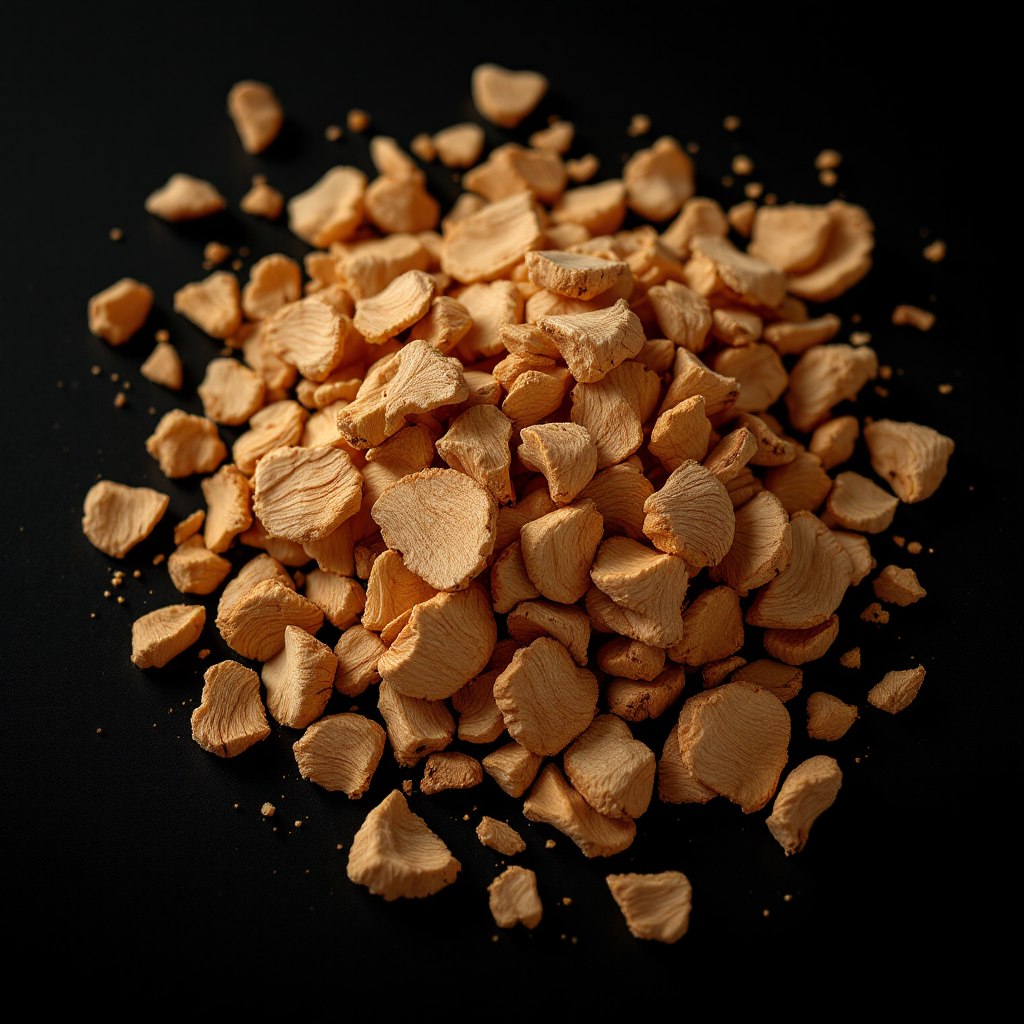
Indonesian Vetiver
Buried in Indonesian soil, vetiver roots yield an oil that is earthy, smoky, and subtly sweet. Distillers in Java and Sulawesi steam-distill these mature roots to produce one of perfumery's most prized base materials.
Character
How it smells
The earthy backbone of modern perfumery
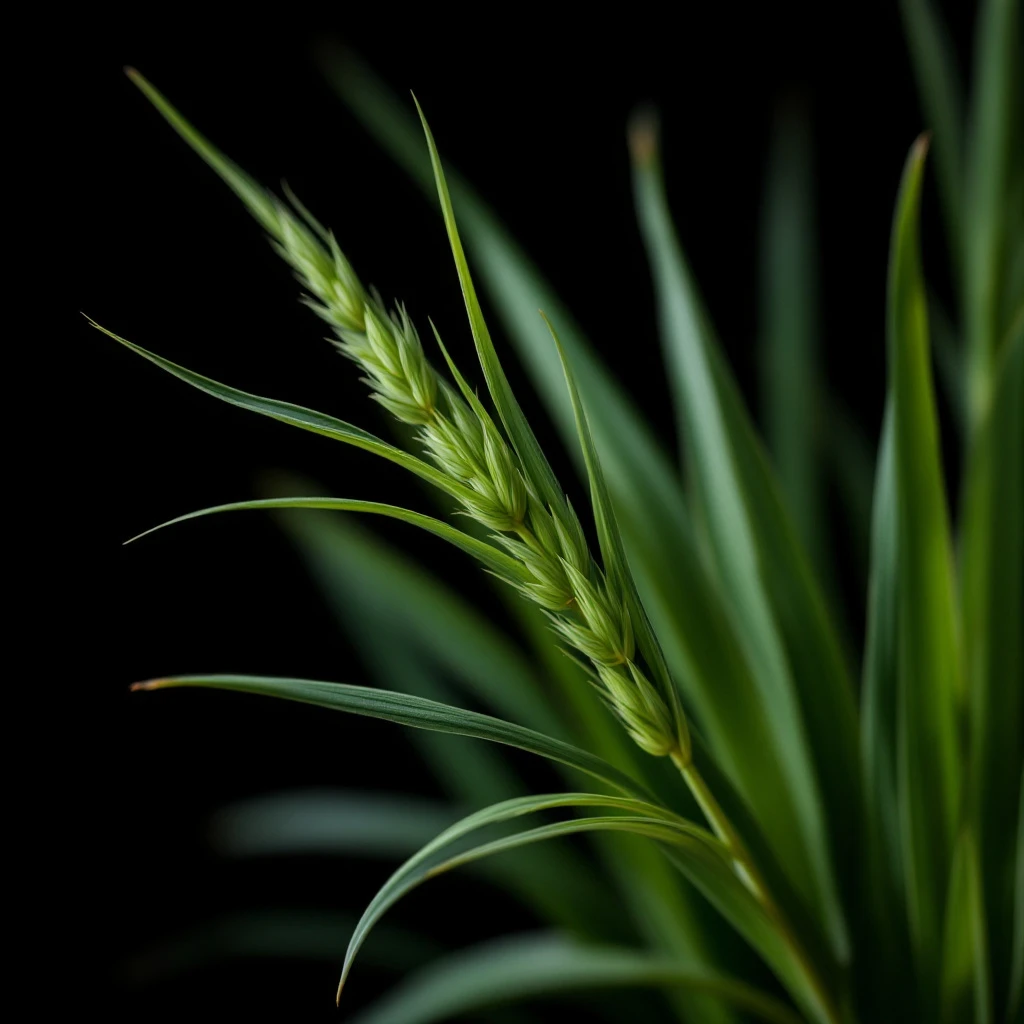
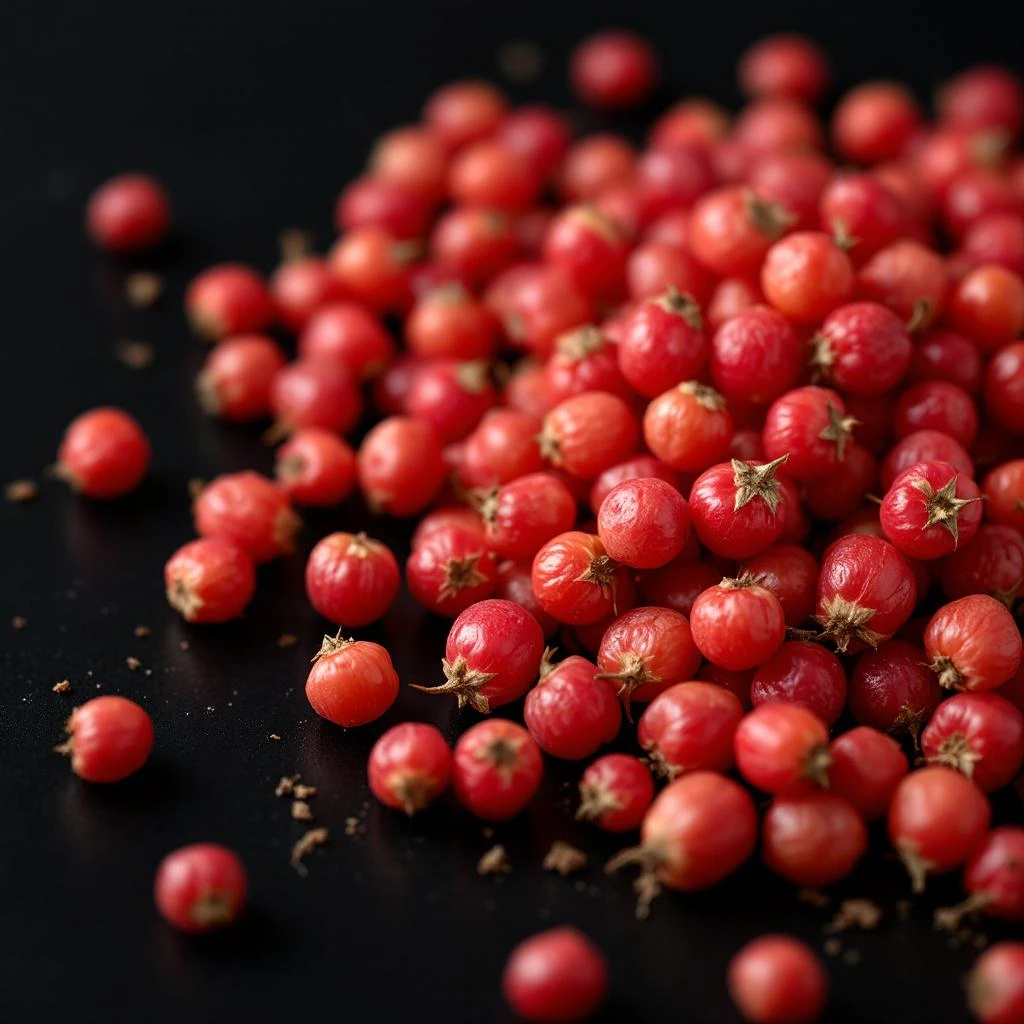
Indonesian vetiver roots grow as deep as 4 meters underground, anchoring soil against erosion while producing the aromatic oil prized in fine fragrance.






Origin
Indonesia
Vetiver originated in the Indus Valley, where ancient civilizations used its fragrant roots as medicine and ceremonial incense before 1750 BCE. From there, the plant migrated eastward into Southeast Asia, where Indonesian cultivation likely began centuries ago. By the early 1900s, vetiver had become a commercial crop across the Indonesian archipelago, with export to European perfume houses growing steadily.
The industry received a boost when Reunion Island, which shares similar growing conditions, entered production and demonstrated vetiver's adaptability to island cultivation. Today, Indonesia remains one of the three dominant sources of fine vetiver oil alongside Haiti and Java, each origin producing subtle variations in the finished material. Indonesian vetiver carries a particular reputation for earthiness, a trait that perfumers attribute to the volcanic soils found across the islands.
The ingredient has moved from functional uses like perfuming textiles to a signature role in masculine fragrance bases, where its staying power provides depth that lasts hours on the skin.
Wears it best
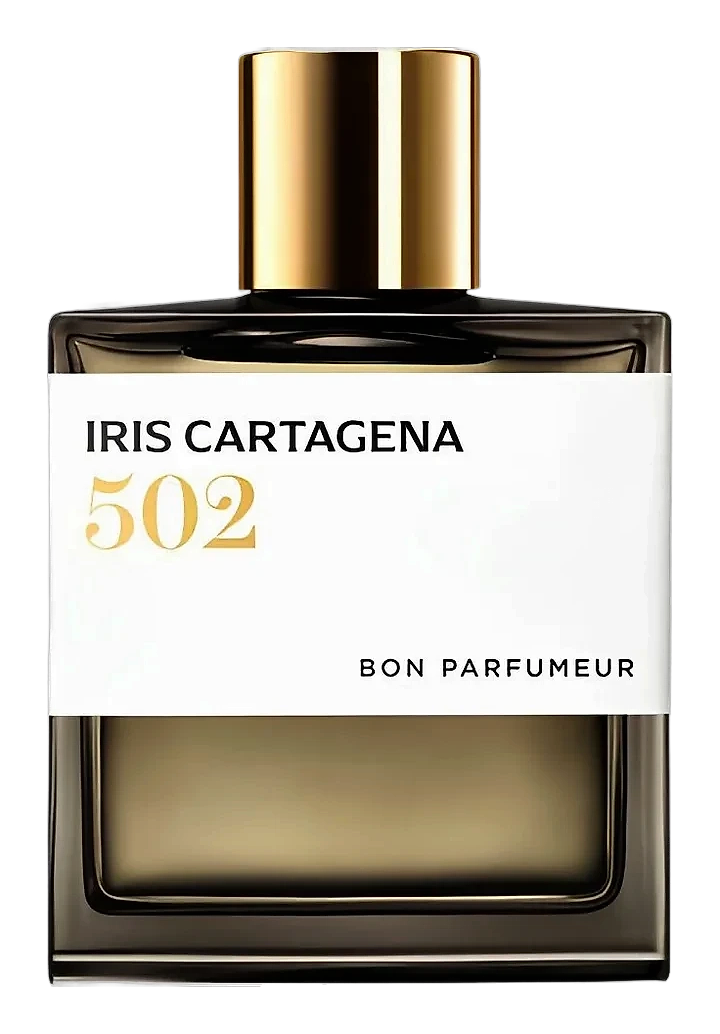
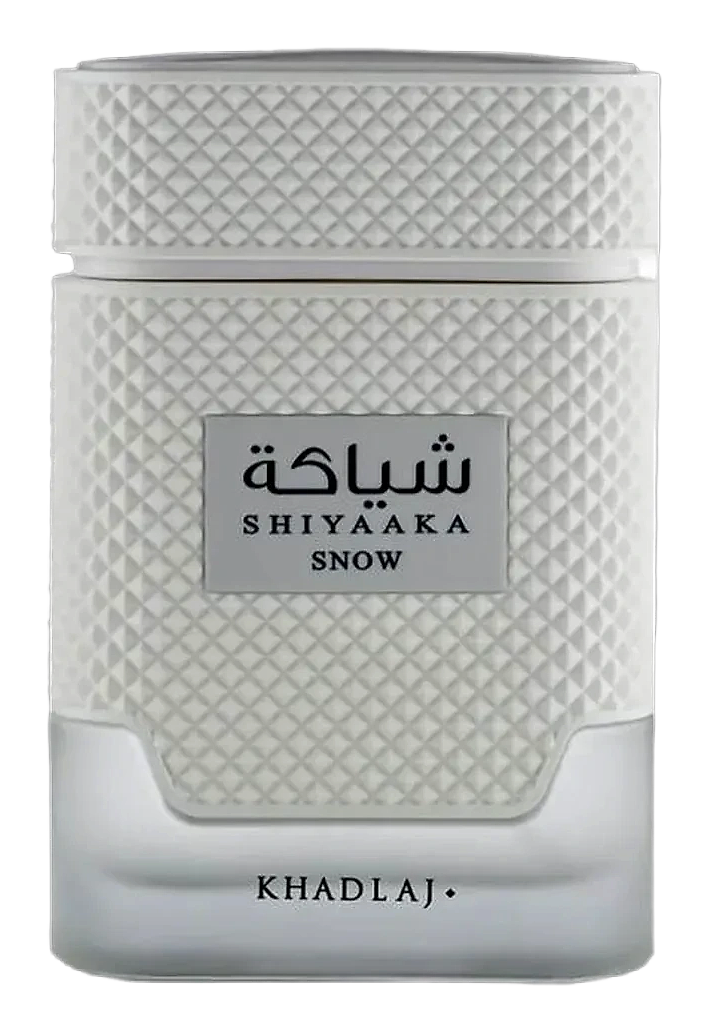
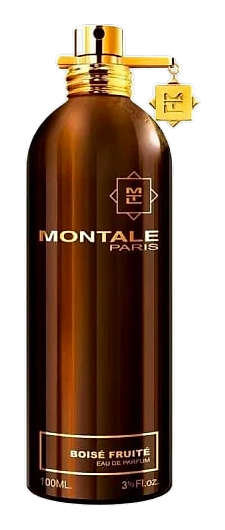
Fragrances featuring Indonesian Vetiver
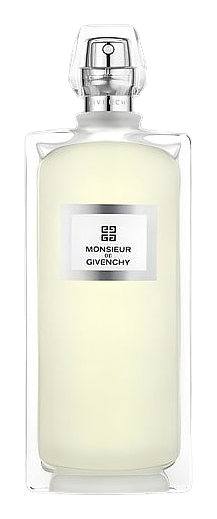

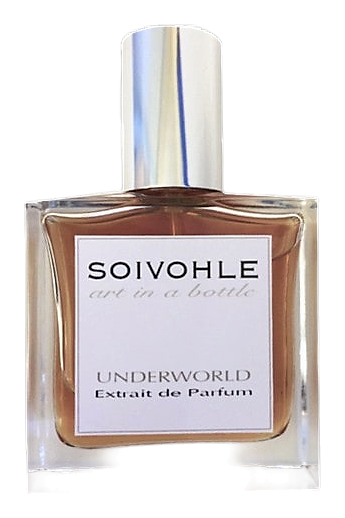

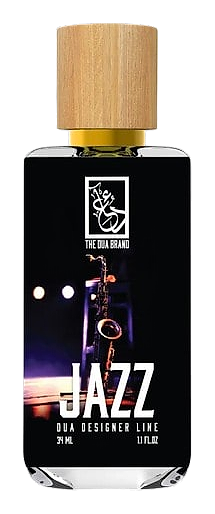

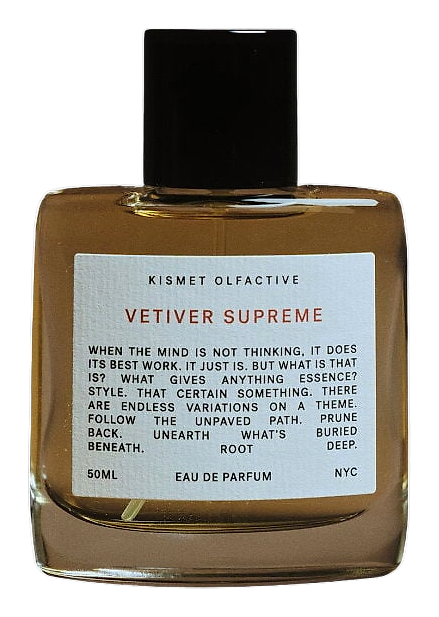

Brands
Brands known for Indonesian Vetiver
Good to know
Questions, answered
The essentials on Indonesian Vetiver in perfumery: how it smells, where it comes from, and how it behaves on skin.
What does Indonesian vetiver smell like?
Indonesian vetiver reads as earthy, smoky, and slightly sweet with woody depth. It brings warmth and grounding effect to fragrance bases, lasting hours on skin without overwhelming mid notes.
How is vetiver oil extracted in Indonesia?
Steam distillation extracts Indonesian vetiver oil from mature roots. Farmers dry the roots in tropical sun before loading them into stills, then apply sustained steam heat for 8 to 12 hours per batch.
Which countries produce the best vetiver oil?
Indonesia, Haiti, and Sri Lanka produce the finest vetiver oil, each offering subtle scent variations tied to their local soils and climate conditions.
How long have people used vetiver in perfumery?
Vetiver has appeared in fragrance since at least 1750 BCE, with records from the Babylonian Empire. Indonesian cultivation for perfume export began over a century ago.
Why do perfumers favor vetiver in masculine fragrances?
Vetiver provides long-lasting earthy depth that anchors lighter top and heart notes, making it a staple base material in men's colognes and woody fragrances.
What part of the vetiver plant produces the oil?
Only the roots yield vetiver essential oil, unlike most aromatic plants that are distilled from leaves or flowers. Plants are harvested once roots reach sufficient maturity.
How deep do vetiver roots grow?
Vetiver roots extend as deep as 4 meters underground, making the plant highly drought-resistant and erosion-stabilizing while providing abundant material for oil extraction.
Does Indonesian vetiver differ from Haitian vetiver?
Yes, soil composition and climate create detectable scent differences. Indonesian vetiver tends toward smoke and mineral earth tones, while Haitian vetiver often shows brighter citrus and sweet wood facets.