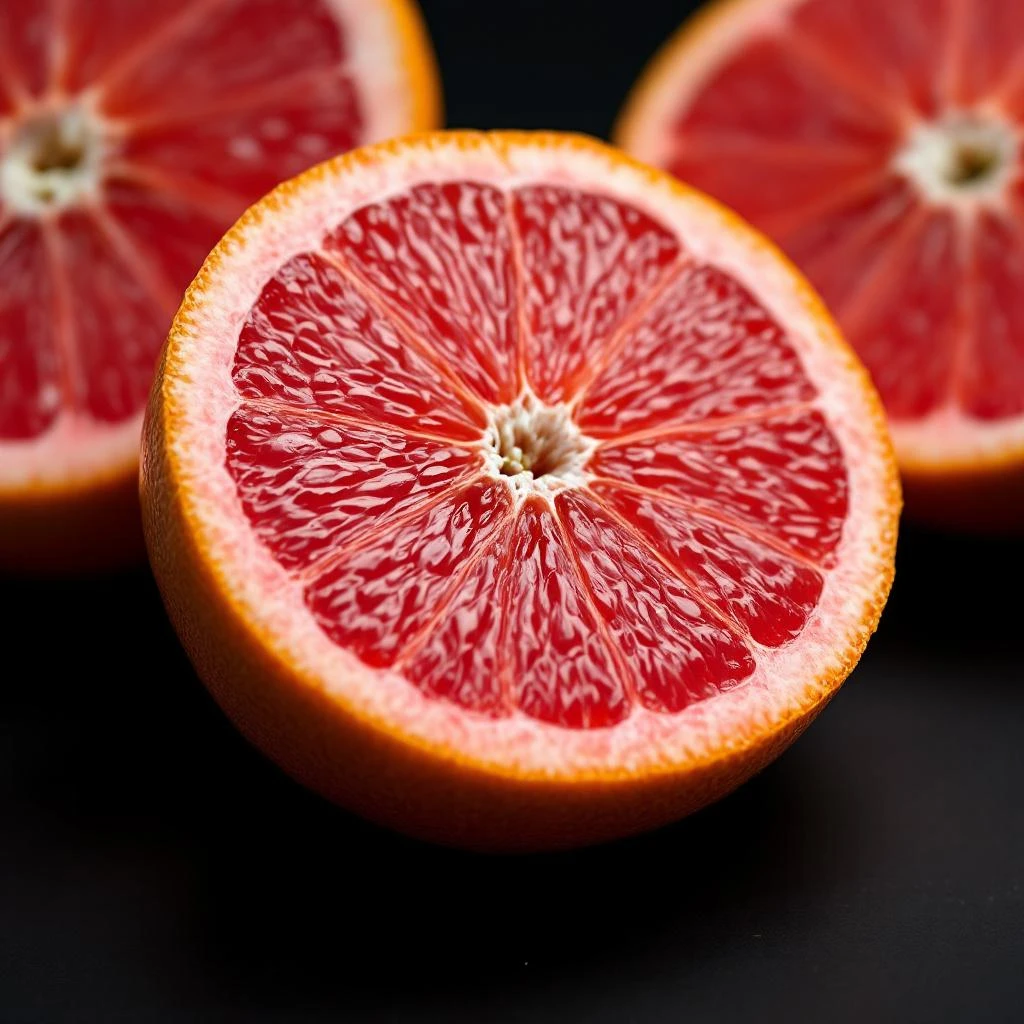
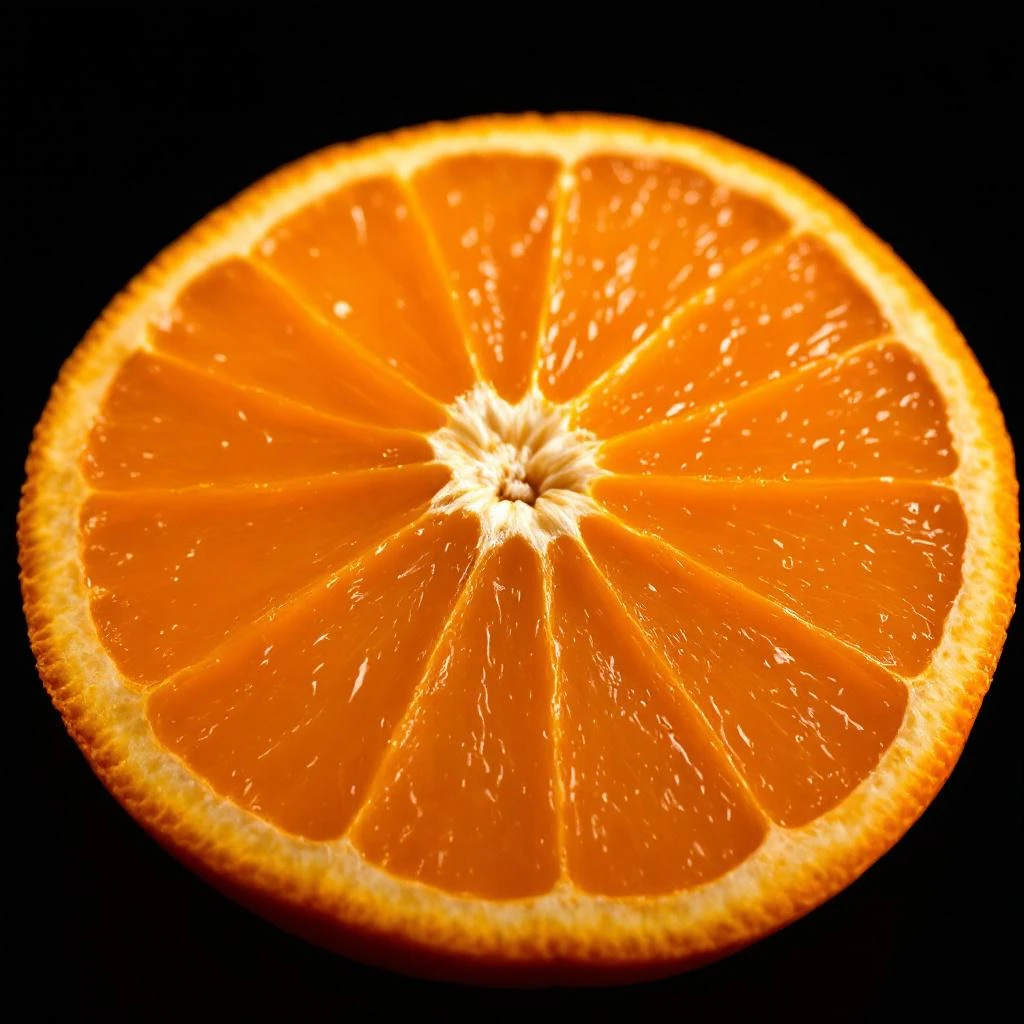
Iced Lemon
The sharp, crystalline essence of fresh citrus captured at its most vibrant. Iced Lemon delivers an immediate rush of bright acidity, like slicing through a sun-drenched fruit in cool morning air.

Character
How it smells
Crisp citrus brightness that cuts through the air.
Lemon peel contains aliphatic aldehydes that create its distinctive sharp character, separate from the sweet floral notes of the juice inside.








Origin
Italy
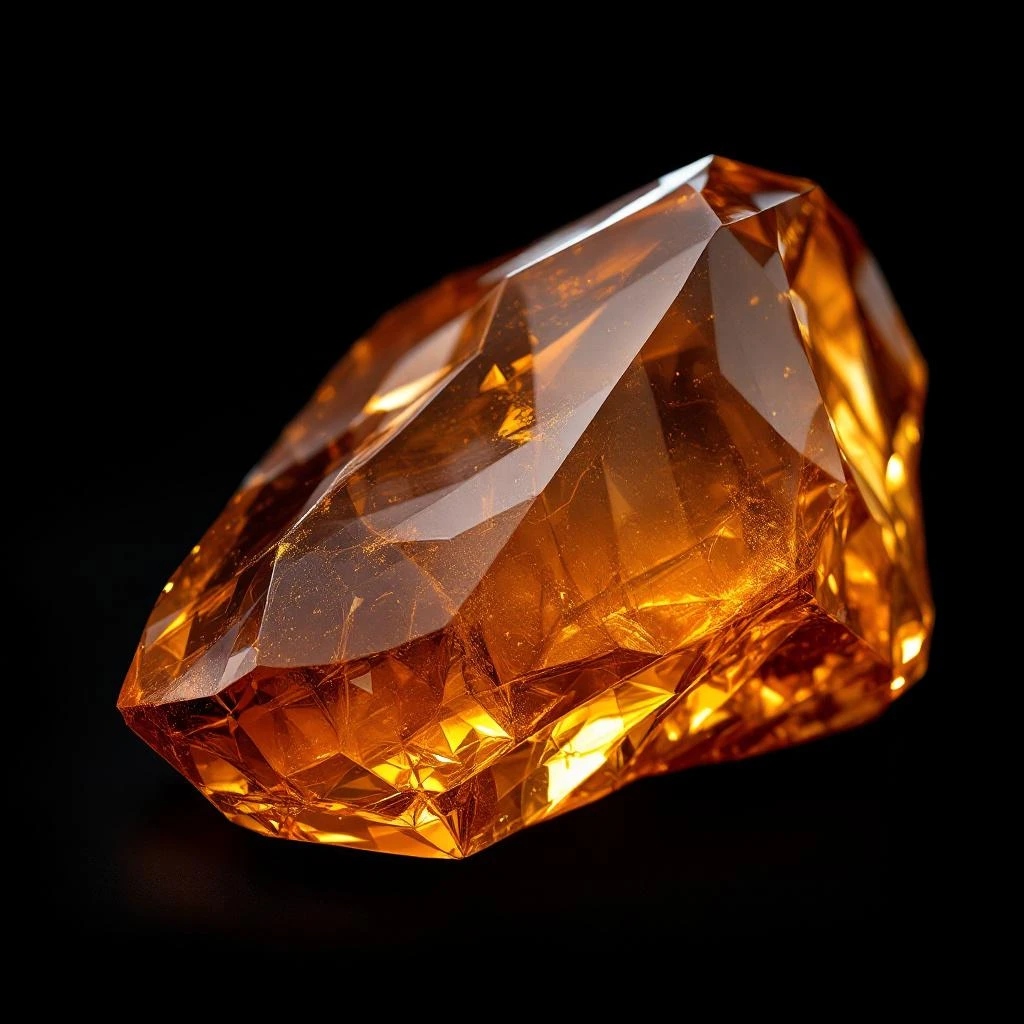
Lemon cultivation spread from Mesopotamia through the Mediterranean world via Arab traders during the Middle Ages. Italian monastery gardens in Sicily developed prized varieties prized for their thick, oil-rich rinds.
Spanish colonizers carried lemon seeds to the New World, where California developed into a major producing region by the nineteenth century. Grasse, France became the center for citrus processing as European perfume houses sought consistent raw materials.
Industrial cold pressing equipment transformed small-scale artisanal production into something that could supply fragrance houses globally. The technique preserves the same compounds perfumers sought centuries ago, even as the supply chain expanded worldwide.
Wears it best
Fragrances featuring Iced Lemon
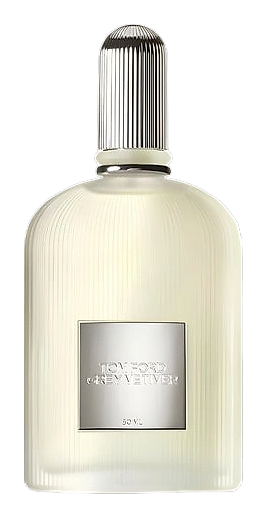
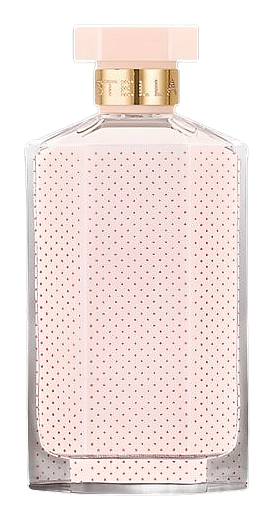
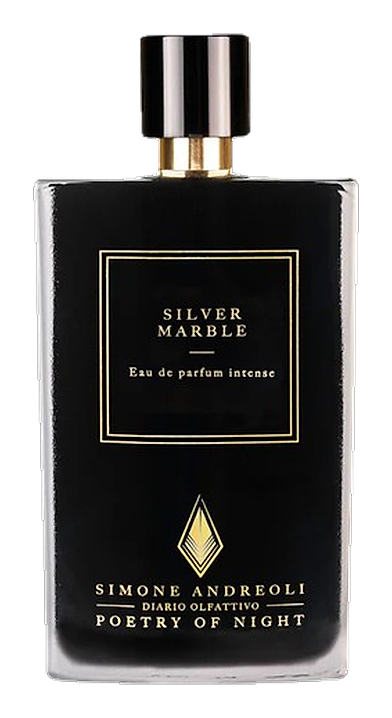

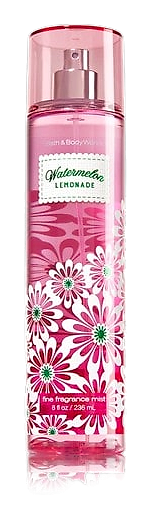
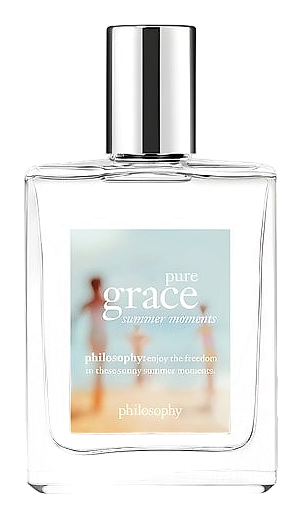
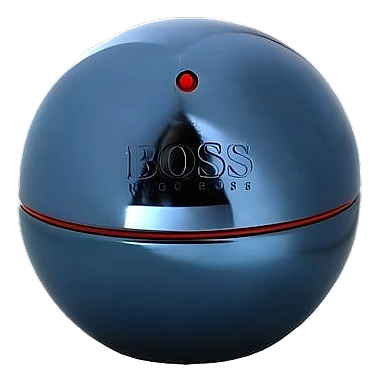
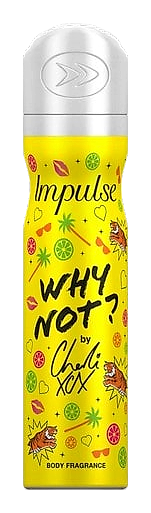

Brands
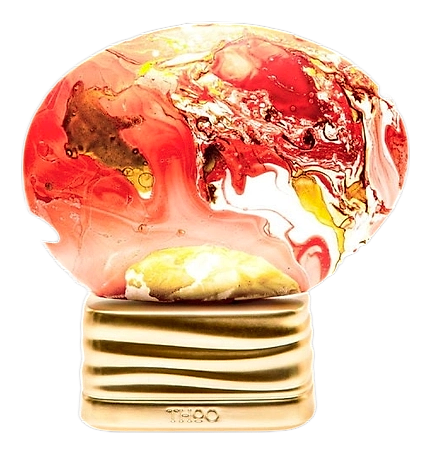
Brands known for Iced Lemon
Good to know
Questions, answered
The essentials on Iced Lemon in perfumery: how it smells, where it comes from, and how it behaves on skin.
What makes Iced Lemon different from regular lemon oil?
Iced Lemon emphasizes the sharp aldehyde compounds that create its crisp, almost metallic citrus character. Standard lemon oil sometimes includes sweet mid-notes from the fruit interior. The cold expression method used captures primarily the aromatic compounds concentrated in the peel.
Where does Iced Lemon raw material come from?
Italy and California produce most of the world's lemon essence for perfumery. Sicily has particularly favorable growing conditions with volcanic soil and Mediterranean climate, producing fruit with notably high aromatic compound concentrations in the peel.
Why is cold expression used for lemon?
Lemon peel contains heat-sensitive aldehydes that degrade when extracted with steam or solvents. Cold expression preserves these volatile compounds intact, giving the finished ingredient its characteristic bright, cutting quality.
What fragrance families use Iced Lemon?
Iced Lemon appears frequently in citrus colognes, aquatic compositions, and green fragrances. It also works well as a top note in chypre and oriental formulas where its brightness provides initial impact before deeper notes develop.
How long does lemon peel stay usable after harvest?
Fresh lemon peel loses significant aromatic intensity within 48 hours of harvesting. Perfumers typically schedule extraction immediately after picking, with processing beginning within one day to preserve the aldehyde content.
Is Iced Lemon natural or synthetic?
The Iced Lemon note typically refers to natural cold-pressed lemon essence. However, fragrance chemists can also create similar锐利的 citrus character using synthetic aroma chemicals. The natural version provides a complexity that laboratory copies struggle to fully replicate.
What compounds give lemon its characteristic aroma?
Citral, a combination of geranial and neral, provides lemon's distinctive scent. Limonene, while abundant, contributes less to the characteristic aroma than these aldehydes. The ratio between these compounds varies by variety and growing conditions.
Can Iced Lemon be combined with other citrus notes?
Iced Lemon blends easily with bergamot, lime, and grapefruit. It also works with herbal notes like basil and rosemary. The sharp character contrasts well with sweeter materials like vanilla or honey in the heart of a composition.