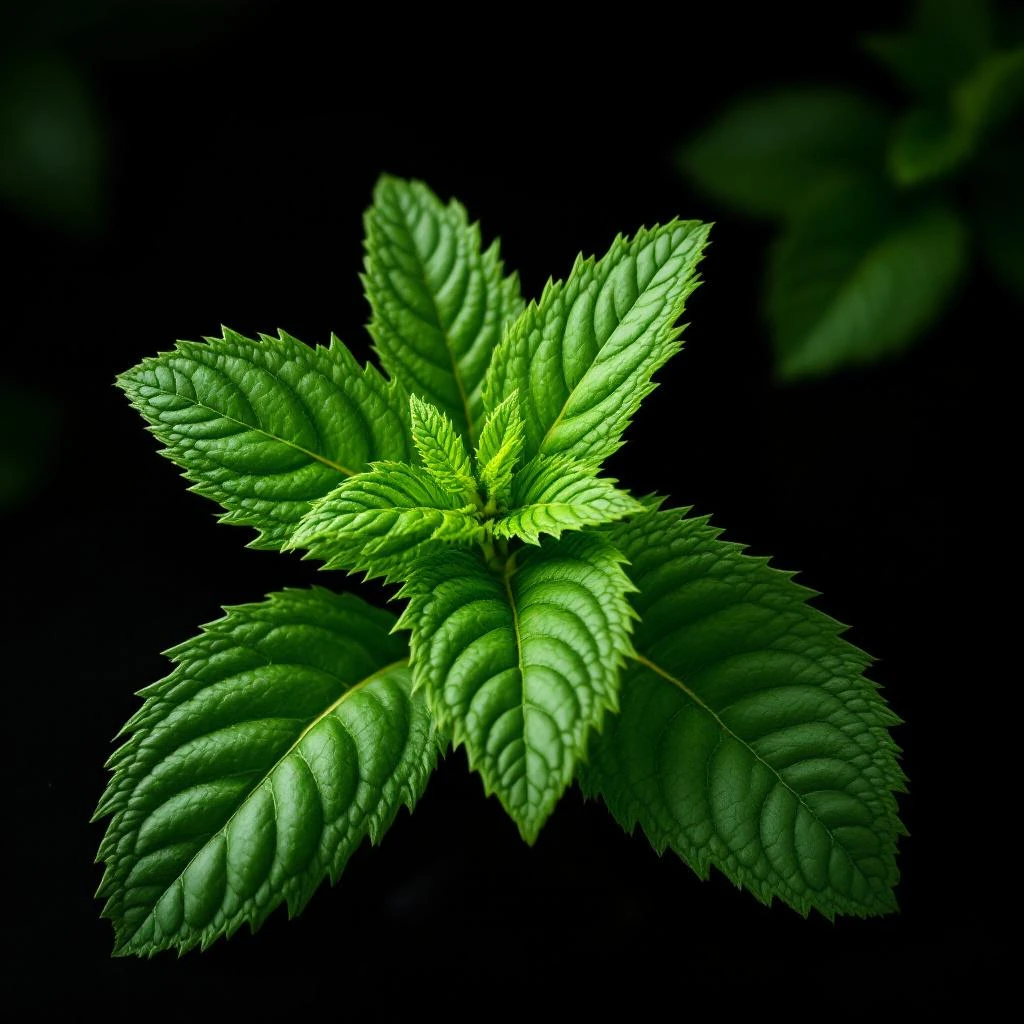
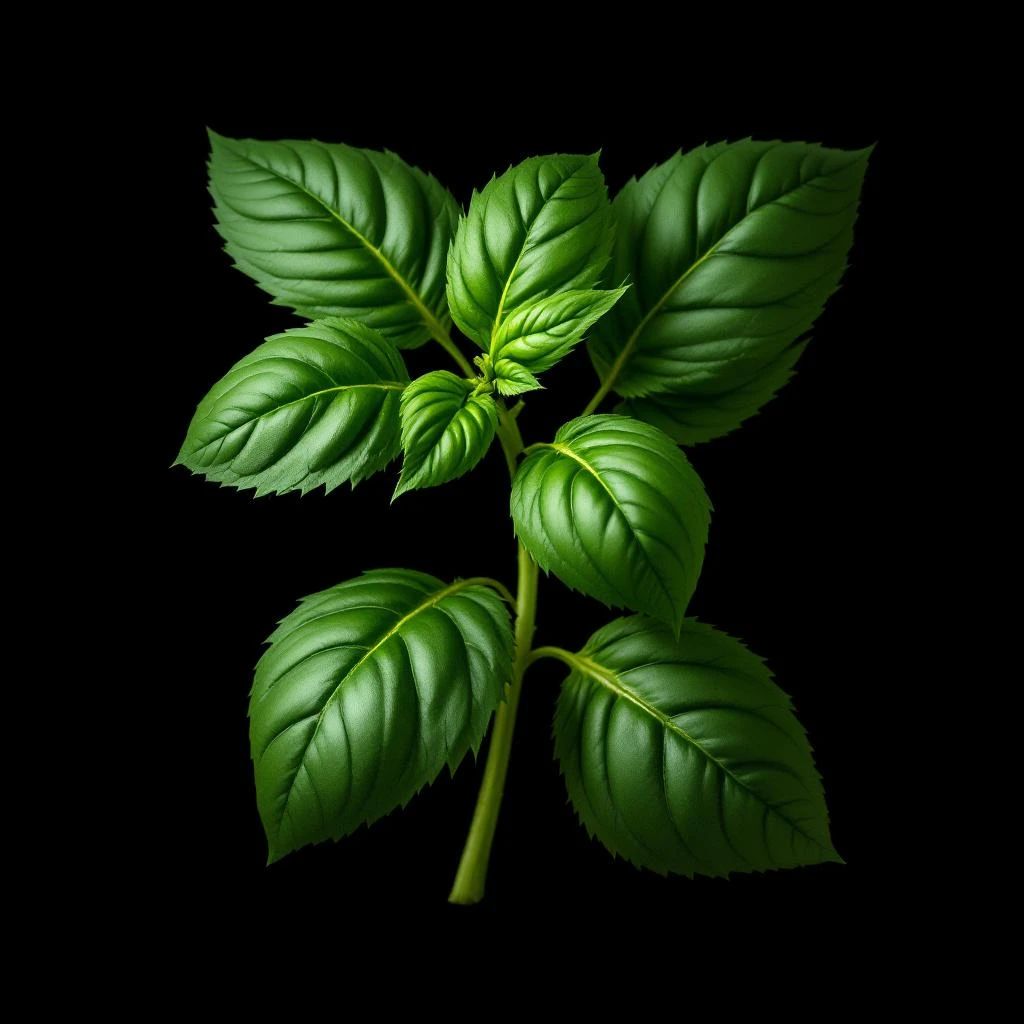
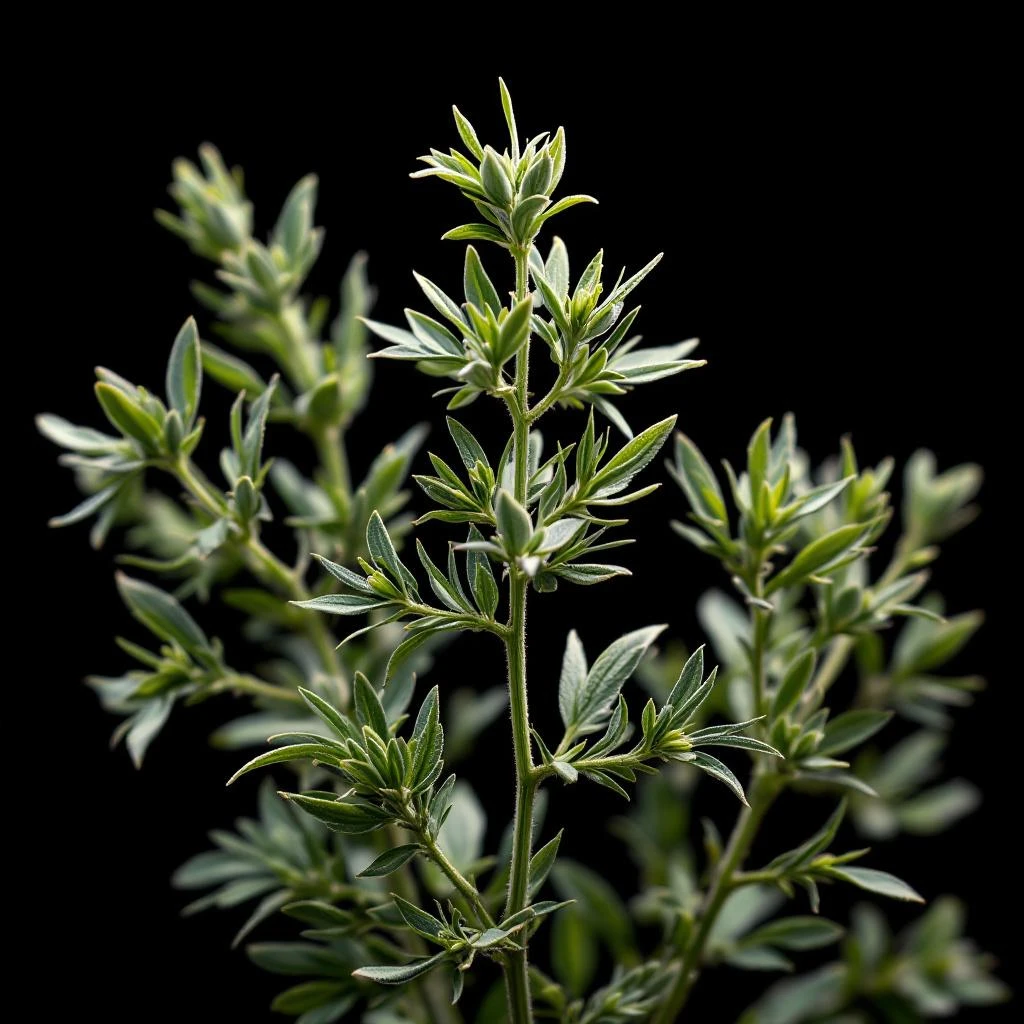
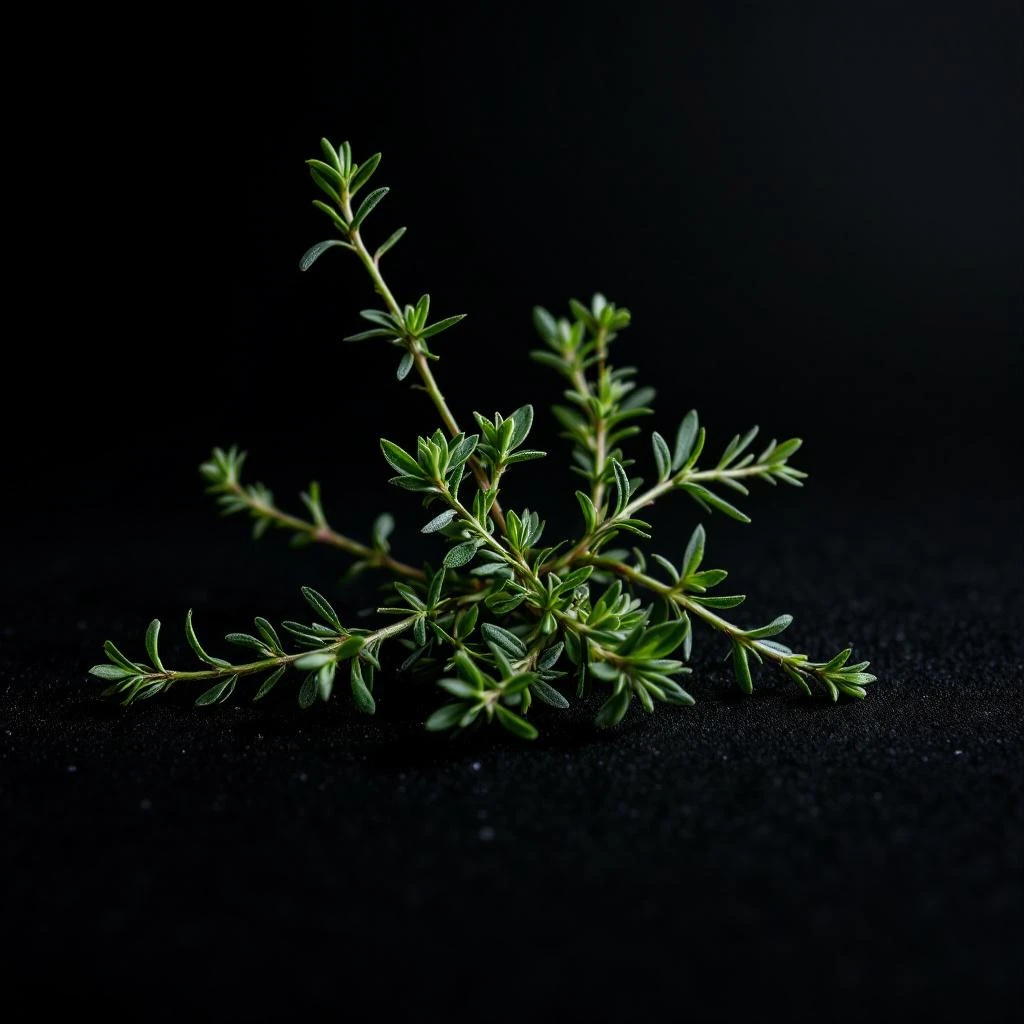
Hungarian Tarragon
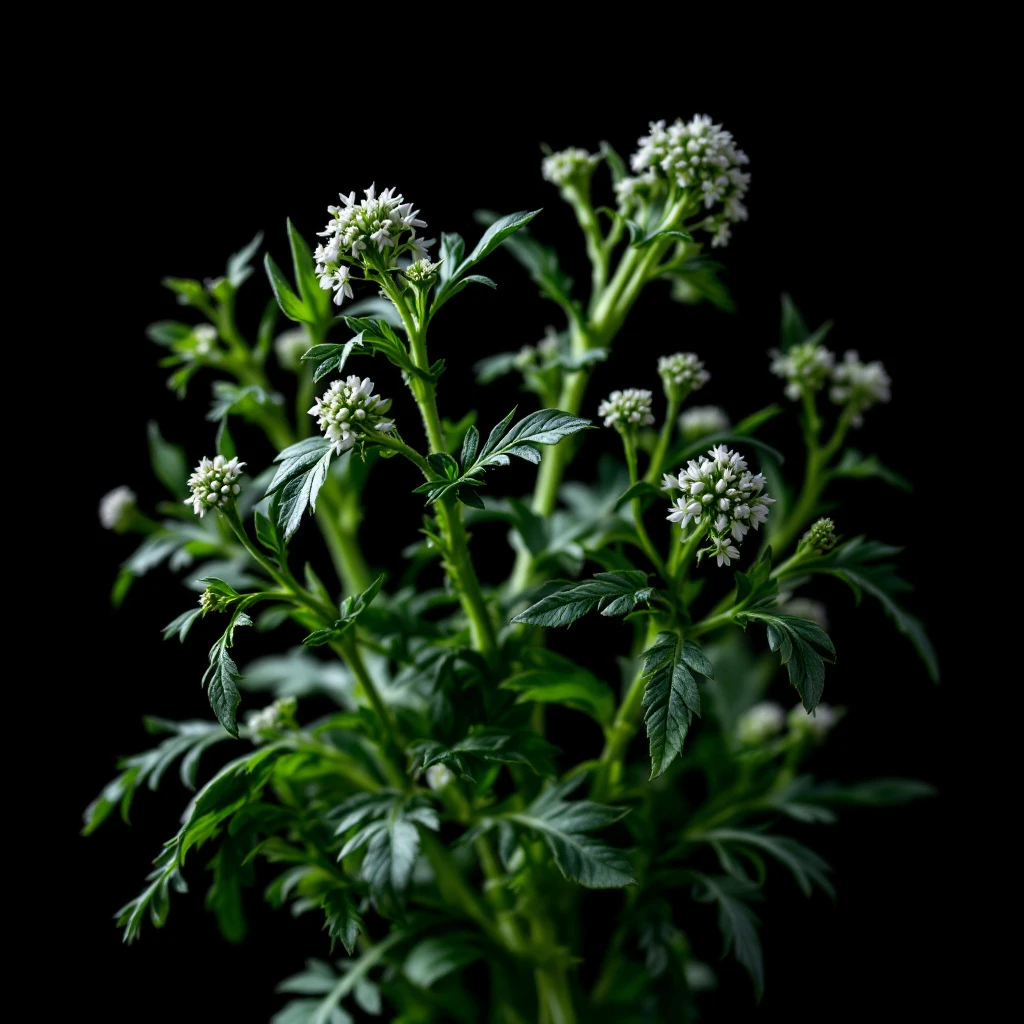
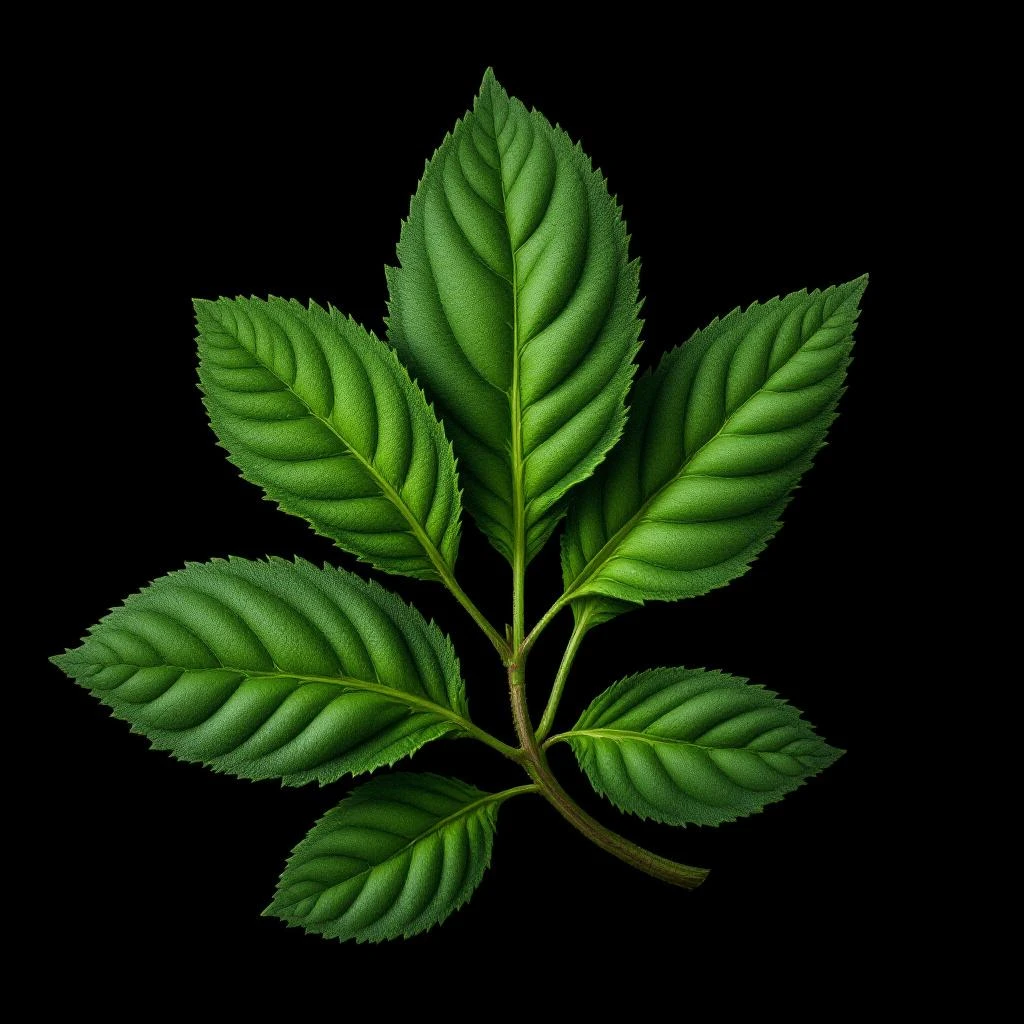
Hungarian tarragon delivers a crisp, green anise character that sets it apart from its earthier French cousin. Its essential oil adds herbaceous freshness that lifts fragrance compositions.
Character
How it smells
The freshest voice in the Artemisia family.
Hungary's cooler climate produces tarragon with a noticeably brighter, fresher quality compared to French varieties.


Origin
Hungary
Queen Elizabeth of Hungary (1305-1380) gave her name to one of the earliest recorded modern perfumes, Hungary Water, a blend of alcohol and botanical extracts. The original formula drew heavily from herbs native to the Carpathian Basin, establishing Hungary as a center for aromatic cultivation. While the exact original recipe remains debated, herbalists believe tarragon likely featured among the regional botanicals.
This royal connection elevated Hungary's reputation in European perfumery circles during the medieval period. Today, Hungarian tarragon essential oil remains prized among perfumers who seek its distinctive fresh, green character over the earthier French variety.
Wears it best
Fragrances featuring Hungarian Tarragon
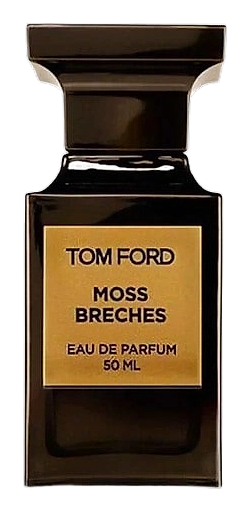
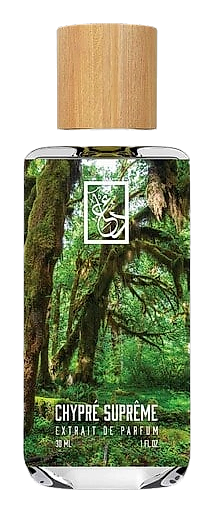
Brands
Brands known for Hungarian Tarragon
Good to know
Questions, answered
The essentials on Hungarian Tarragon in perfumery: how it smells, where it comes from, and how it behaves on skin.
What does Hungarian tarragon smell like in perfume?
Hungarian tarragon carries a fresh, green anise character with grassy undertones. It differs from French tarragon by noticeably lacking earthiness, instead offering a crisp, herbaceous quality that brightens fragrance compositions.
Which fragrance families use Hungarian tarragon?
Perfumers incorporate Hungarian tarragon primarily in aromatic, green, and fougère families. It works especially well in men's colognes and designer fragrances seeking a natural herbaceous lift.
Is Hungarian tarragon the same as French tarragon?
Both come from Artemisia dracunculus, but the Hungarian variety grows in cooler climates that produce a noticeably brighter, fresher essential oil. French tarragon oil tends toward earthier, more bitter qualities.
What compound gives tarragon its anise character?
Estragole (methyl chavicol) dominates the chemical profile of tarragon oil, creating its characteristic sweet, licorice-like aroma. This compound appears in higher concentrations in fresh, properly distilled oil.
Can synthetic versions replace natural Hungarian tarragon?
Synthetic estragole mimics the primary aroma, but natural tarragon oil contains trace compounds that create a more complex, nuanced effect. Perfumers often combine both approaches in formulations.
When should perfumers add tarragon oil during formulation?
Tarragon oil serves best as a top-to-heart transition note. Adding it during the early mixing phase allows its fresh character to integrate while maintaining its distinctive green lift.
Does Hungarian tarragon appear in historic perfume records?
Queen of Hungary Water, documented from the 1370s, likely incorporated local herbs including tarragon. The exact original formula remains unknown, but herbalists widely believe regional botanicals featured prominently.
What harvest timing affects tarragon oil quality?
Peak bloom harvest delivers the highest estragole concentration. Distillers monitor plant maturity carefully because harvesting too early or late noticeably reduces both yield and aromatic intensity.