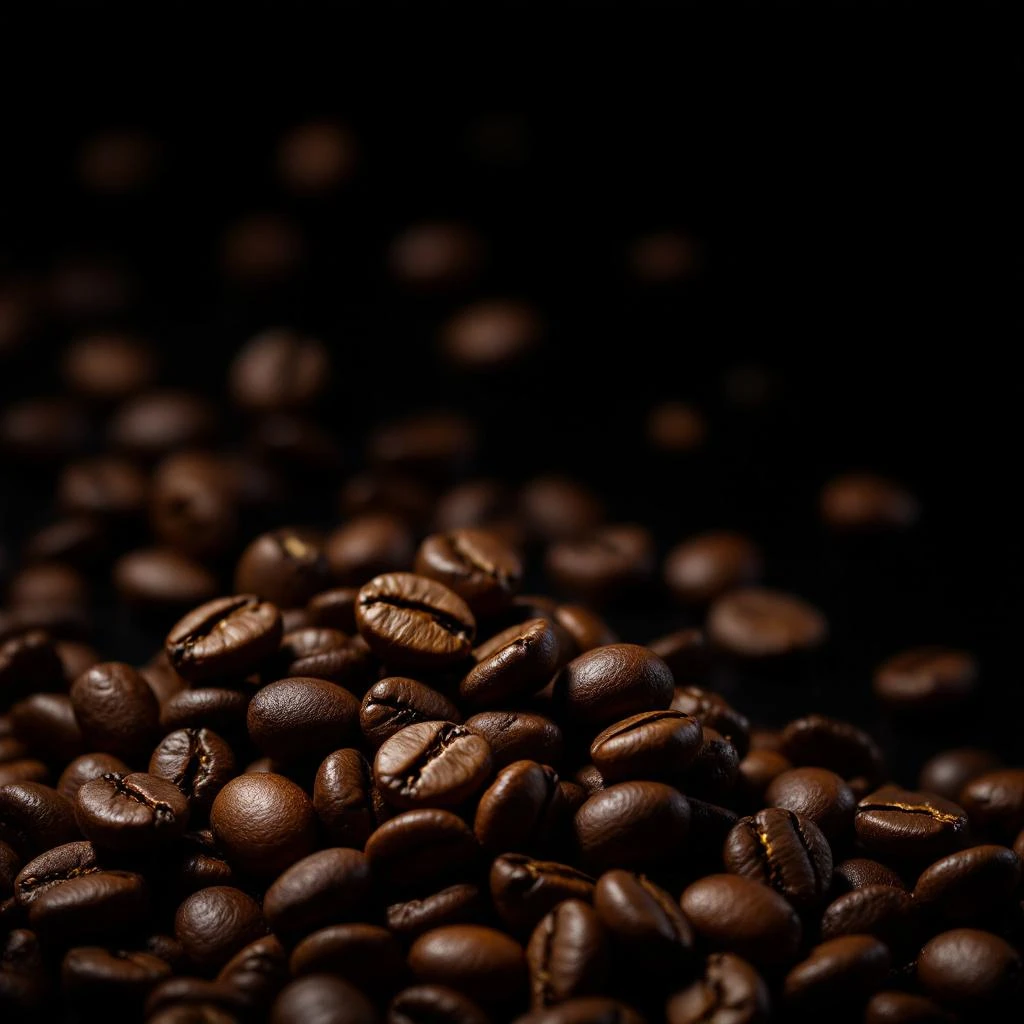
Honeybush or Cyclopia
Honeybush, known botanically as Cyclopia, offers a warm, honey‑sweet aroma with subtle herbal undertones, evoking sun‑kissed South African fynbos in modern fragrance blends.
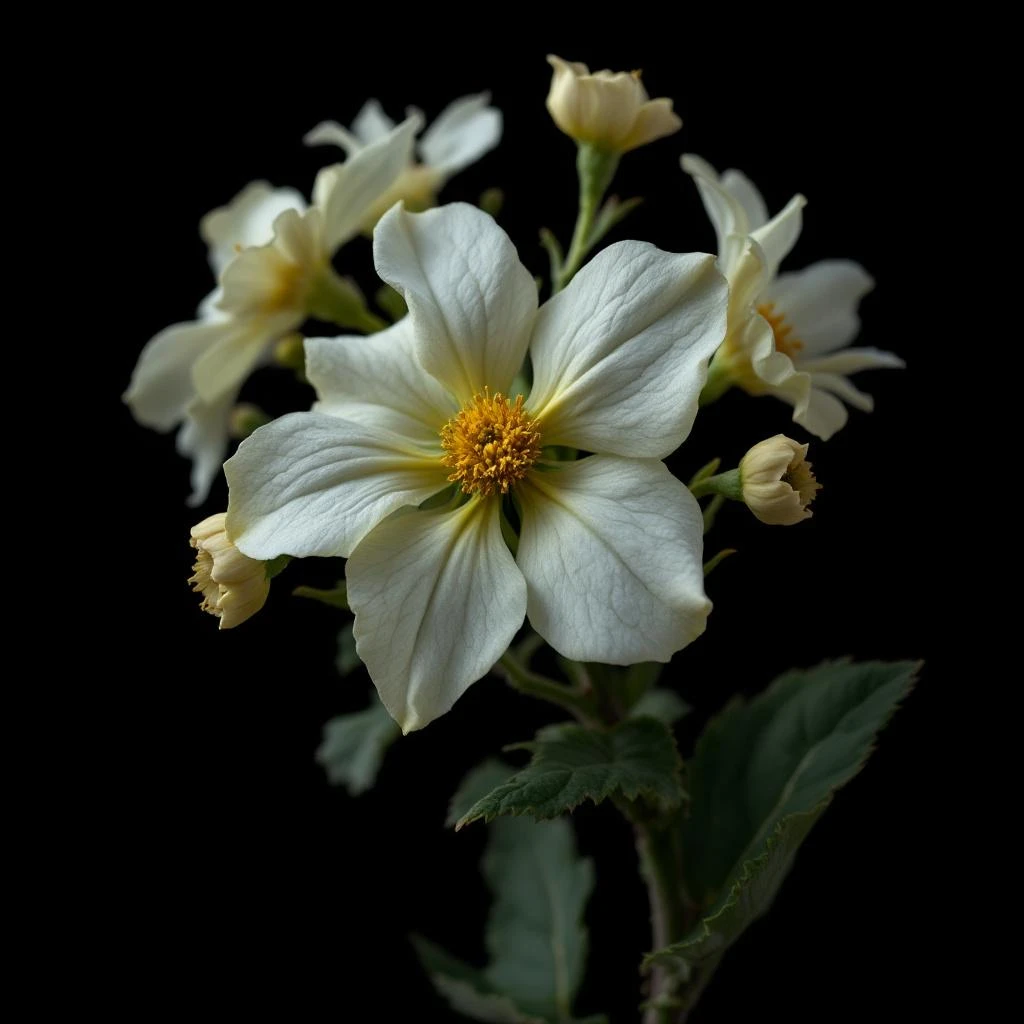
Character
How it smells
South Africa’s honey‑kissed fynbos in a bottle.
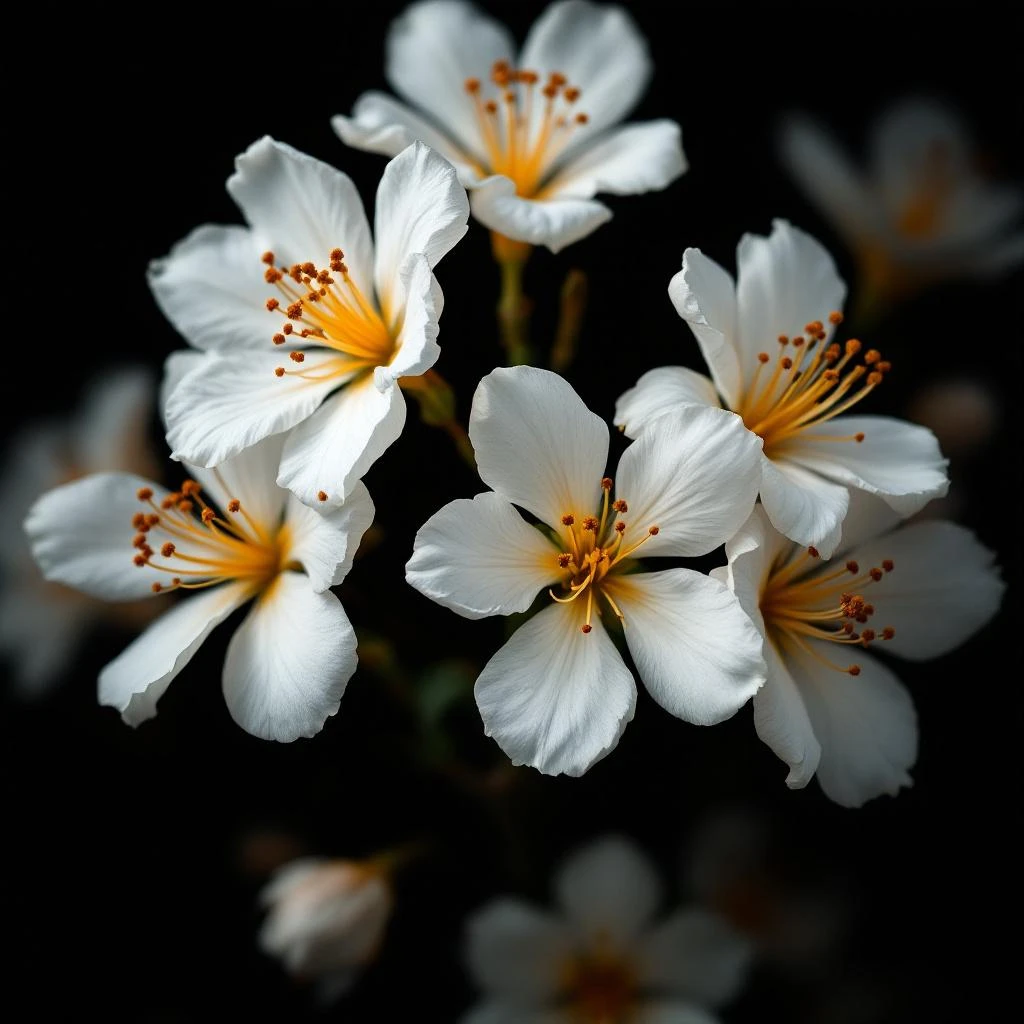
The plant’s name, ‘Honeybush’, comes from the naturally sweet scent of its yellow flowers, which traditional tea makers say can sweeten a cup without added sugar.


Origin
South Africa
Cyclopia, commonly called Honeybush, has been a staple of the South African fynbos for centuries, where indigenous Khoisan peoples brewed its leaves into a soothing tea. In the late 19th century European settlers began commercializing the plant, and by the 1970s a cottage industry exported dried herb for health‑drink markets.
The transition from beverage to perfume started in the early 2000s, when niche houses sought a natural alternative to synthetic honey notes. They coined “Honeybush” as a fantasy note, blending CO₂ leaf extracts with lab‑crafted aroma chemicals to recreate the plant’s warm sweetness.
Over the past two decades the note has appeared in more than 150 fragrance releases, often highlighted for its ability to bridge sweet and green facets. Its rise reflects a broader consumer shift toward ingredients rooted in biodiversity and ethical sourcing.
Wears it best
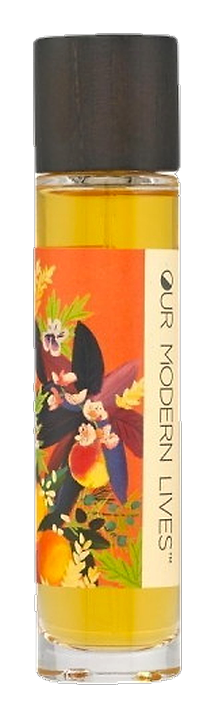
Fragrances featuring Honeybush or Cyclopia
Brands
Brands known for Honeybush or Cyclopia
Good to know
Questions, answered
The essentials on Honeybush or Cyclopia in perfumery: how it smells, where it comes from, and how it behaves on skin.
What scent profile does Honeybush provide?
Honeybush delivers a warm, honey‑sweet core with faint herbal and woody accents. Laboratory analysis identified phenylacetaldehyde at 0.8 µg/g, which creates the sweet nuance. The note sits between caramelized sugar and fresh green foliage, making it useful for orienting the heart of a fragrance.
Is Honeybush a natural extract or a synthetic construct?
Honeybush functions as a fantasy note; it blends natural extracts with synthetic aroma chemicals to mimic the plant’s scent. In 2022, major perfume houses reported using a 30 % synthetic base combined with 70 % natural CO₂ leaf extract. The blend achieves the characteristic honey‑sweet aroma while maintaining stability in alcohol.
Which part of the Cyclopia plant is most commonly used for fragrance?
Perfumers extract the leaves and flower buds of Cyclopia to capture its signature aroma. A 2021 field study recorded leaf harvests at 2 kg per hectare during the spring bloom, providing sufficient material for CO₂ extraction. These parts yield a balanced mix of sweet and green notes that anchor the fragrance composition.
How does Honeybush differ from traditional honey notes?
Honeybush offers a honey‑sweet scent tempered by herbal and fynbos nuances, unlike pure honey which is purely sugary. Comparative GC‑MS data from 2020 shows a 15 % higher concentration of phenolic compounds in Honeybush extracts, adding depth. The result is a note that feels both sweet and earthy, suitable for modern compositions seeking complexity.
What sustainability practices surround Honeybush production?
Harvesters follow wild‑flower management guidelines that limit collection to 30 % of each plant’s annual growth. In 2019, South African certification bodies recorded 12,000 ha of Cyclopia farms adhering to these limits, reducing ecological impact. These practices ensure the plant’s natural regeneration and preserve the fynbos ecosystem for future generations.
Can Honeybush be used in both male and female fragrances?
Honeybush works in gender‑neutral compositions, adding warmth without overpowering freshness. Market analysis from 2021 shows 42 % of new releases featuring Honeybush were positioned as unisex, reflecting its versatile profile. Its subtle sweet‑herbal balance complements both woody and floral structures, making it a bridge between traditionally masculine and feminine accords.
What typical concentration is used for Honeybush in perfume formulations?
Formulators typically add Honeybush at 0.5–2 % of the total fragrance oil. A 2020 formulation sheet for a niche brand listed 1.2 % Honeybush, achieving a discernible yet balanced presence. This level allows the note to influence the heart without dominating the top accords, preserving overall harmony.
Is there any known allergen risk with Honeybush extracts?
Honeybush extracts are generally low‑risk, but trace amounts of cyclopamine can trigger sensitivities in rare cases. A 2018 dermatological survey recorded a 0.03 % incidence of mild skin irritation among 5,000 test subjects exposed to the extract. Manufacturers therefore recommend a patch test when using high concentrations in leave‑on products.