Honeybush
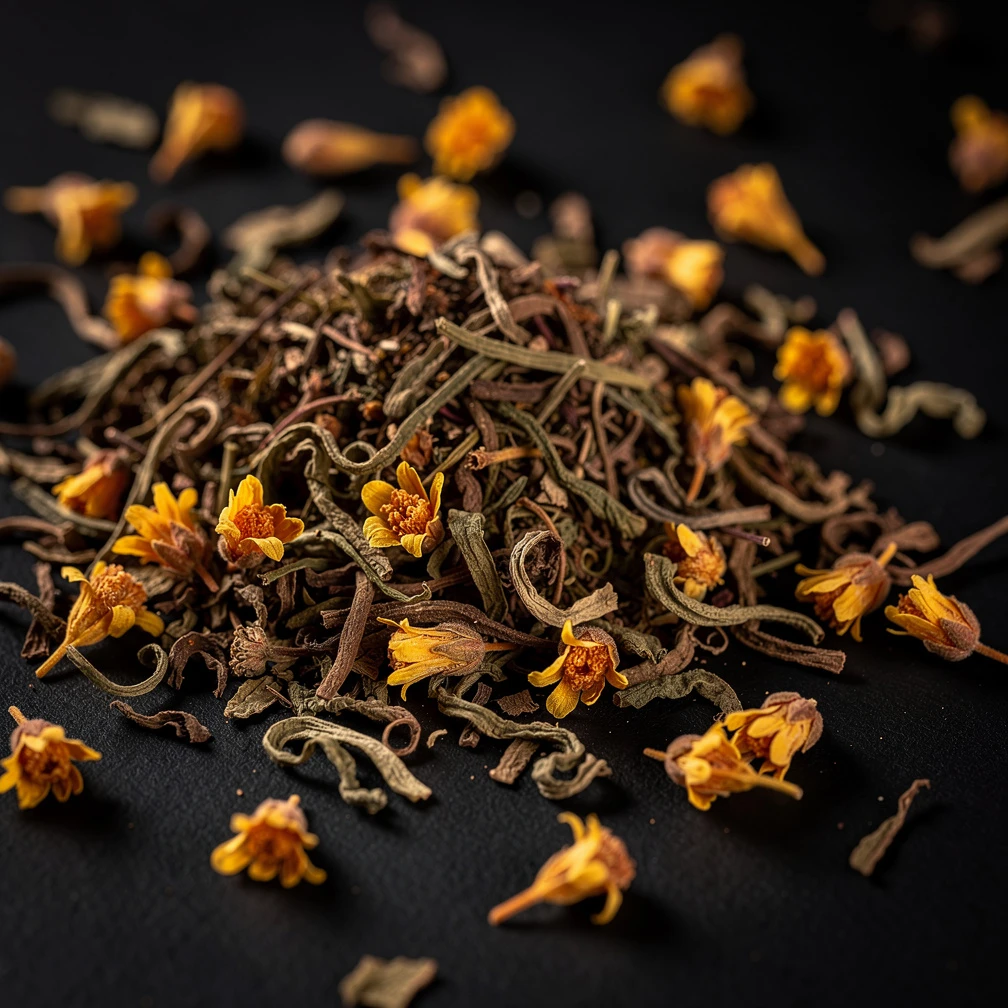
Honeybush brings a sun-warmed sweetness to perfumery, drawn from a South African shrub whose fermented leaves release a honey-like aroma without any animal derivatives.
Character
How it smells
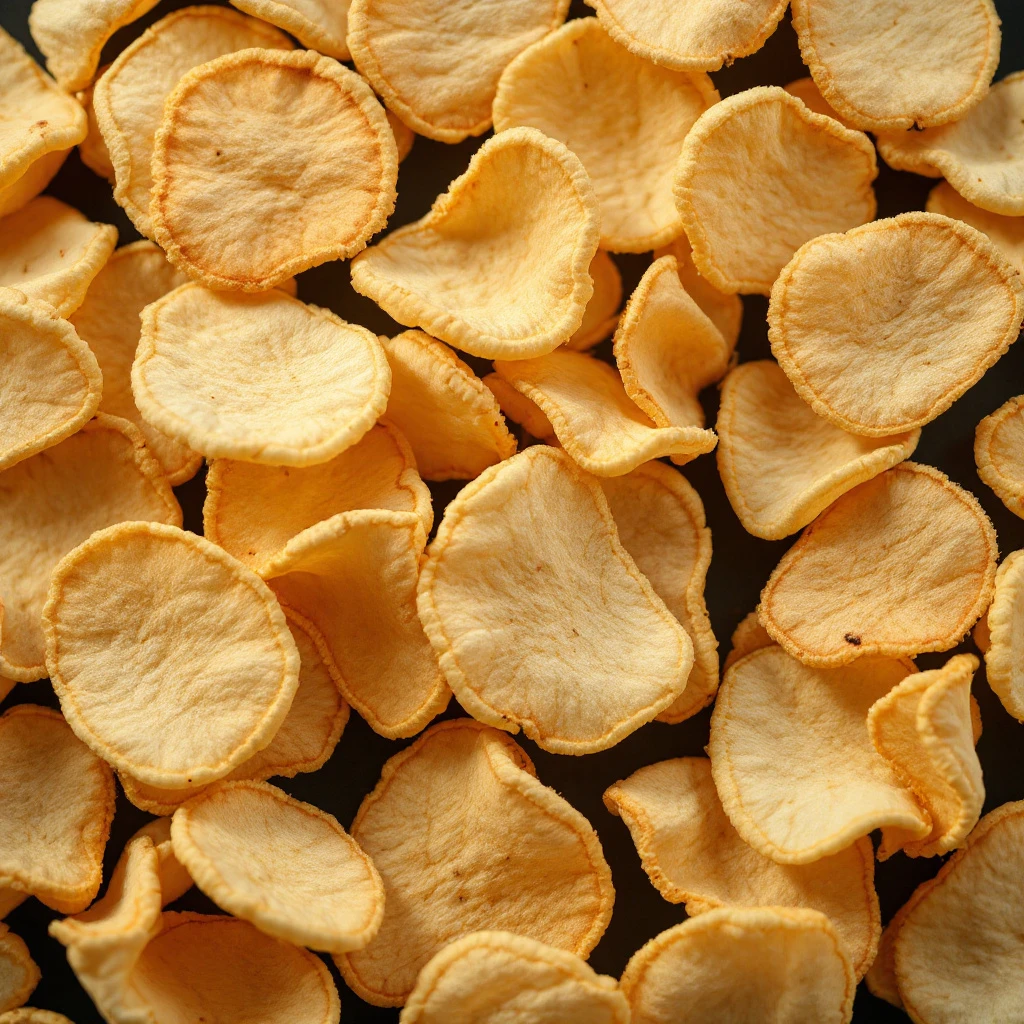
Golden rooibos cousin, brewed into a bottle.
Unlike true honey notes, honeybush contains zero animal products. Its sweetness comes from the Cyclopia plant's natural sugars, activated through a fermentation process similar to tea-making.
Origin
South Africa
Honeybush takes its English name from the Afrikaans term honingbos, and its botanical identity from the genus Cyclopia, first described by botanists in the early nineteenth century during colonial surveys of the Cape Floristic Region. Indigenous Khoisan communities harvested the wild shrub long before any formal documentation, using the leaves to brew a sweet, caffeine-free tisane valued for its calming properties. The plant entered European awareness through Dutch settlers who adopted the local brewing traditions and documented the honey-scented infusion in herbals by the 1700s.
Serious commercial cultivation began in the 1990s when South African agricultural researchers identified the species' potential beyond tea markets. Cyclopia genistoides and Cyclopia subternata emerged as the two primary species developed for fragrance and beverage industries. The plant's resistance to drought and pests made it attractive to farmers seeking sustainable alternatives in fynbos ecosystems.
By the 2010s, perfumers began experimenting with honeybush absolutes in niche compositions, drawn by its capacity to deliver gourmand warmth without the sweetness of synthetic vanillin or the regulatory complexity of animal-derived notes. Today, South Africa produces the majority of global honeybush supply, protected by geographical indication efforts that link the ingredient to its native terroir.
Wears it best
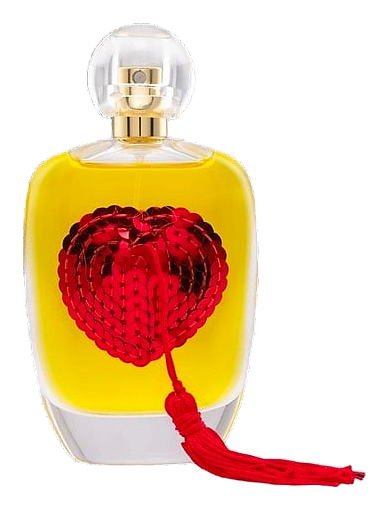
Fragrances featuring Honeybush
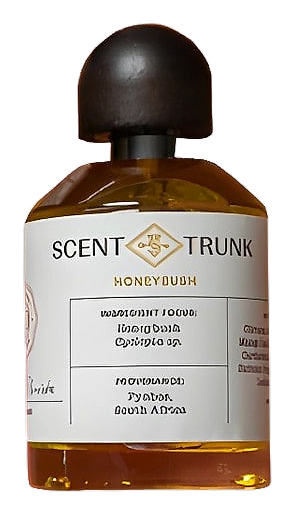
Brands
Brands known for Honeybush
Good to know
Questions, answered
The essentials on Honeybush in perfumery: how it smells, where it comes from, and how it behaves on skin.
What does honeybush smell like in perfume?
Honeybush offers a warm, sweet-floral character with notes of dried apricot, soft hay, and caramelized sugar. It sits comfortably between a tea accord and a light gourmand base, adding comfort without heavy sweetness in compositions.
Is honeybush vegan and cruelty-free?
Yes, honeybush is entirely plant-derived from the Cyclopia shrub native to South Africa. Unlike true honey absolute, it contains no animal products, making it suitable for vegan fragrance formulations seeking natural sweetness.
How is honeybush different from rooibos?
Both are South African shrubs, but honeybush (Cyclopia) ferments into a sweeter, more floral profile with honey-like nuances, while rooibos (Aspalathus linearis) produces earthier, woodier notes with reddish color and mild astringency.
Where does honeybush grow naturally?
Honeybush is endemic to the Western and Eastern Cape provinces of South Africa, thriving in the fynbos biome. Wild populations still exist alongside cultivated fields developed since the 1990s for commercial use.
Can honeybush be used as a standalone perfume note?
Rarely. Honeybush absolute typically appears in trace amounts (under 1 percent) within base accords, where its sugary warmth supports florals, ambers, or woody compositions rather than dominating a fragrance on its own.
Is honeybush extract sustainable to produce?
Honeybush ranks among the more sustainable botanical ingredients. The Cyclopia plant requires minimal irrigation, resists pests naturally, and regenerates after cutting, supporting both wild harvesting and small-scale farming in South Africa.
Does honeybush contain caffeine like real tea?
No, honeybush is naturally caffeine-free. Its stimulating aroma comes from phenolic compounds and glycosides released during fermentation, not from methylxanthine alkaloids found in Camellia sinensis tea leaves.
When did honeybush enter modern perfumery?
Honeybush appeared in niche fragrance compositions during the early 2010s, though the plant had been used in South African tisanes for centuries. Its entry into perfumery followed commercial cultivation expansion in the Cape region.