Red Mandarin
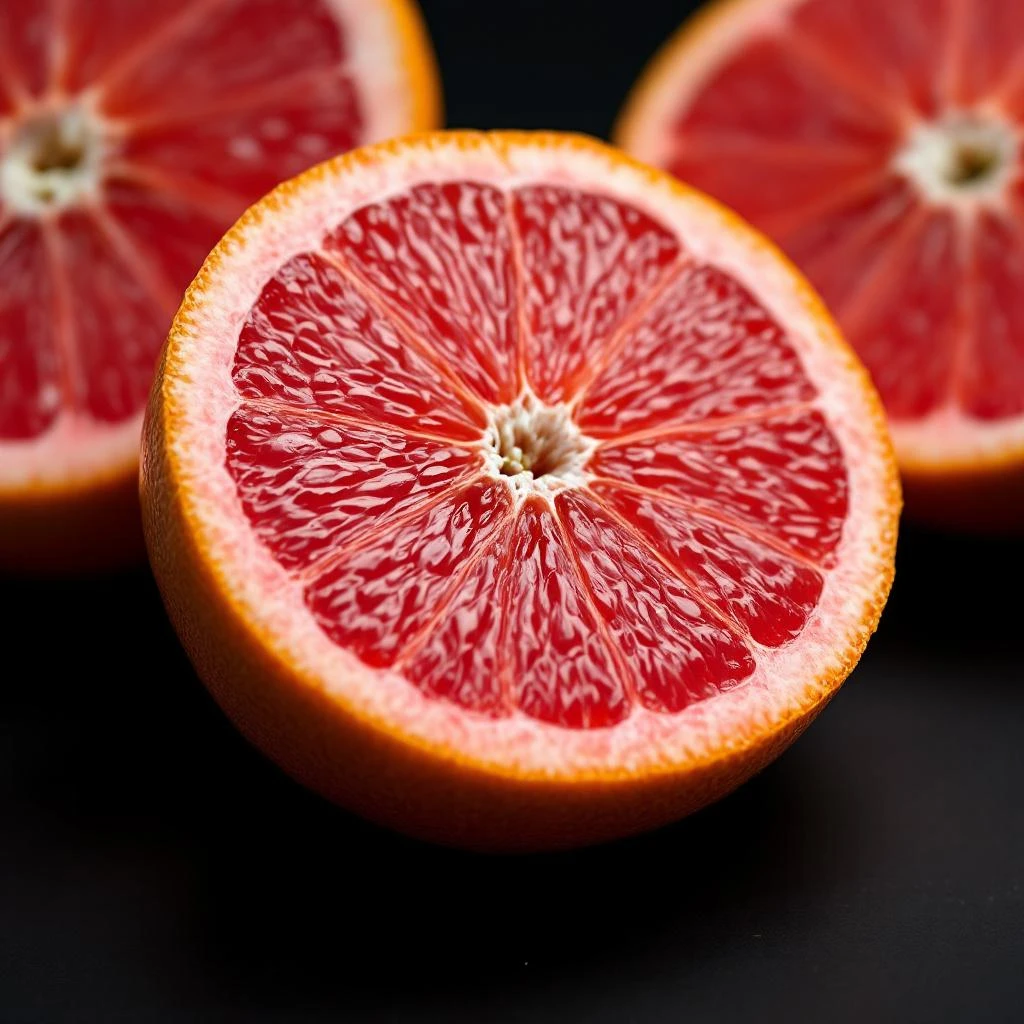
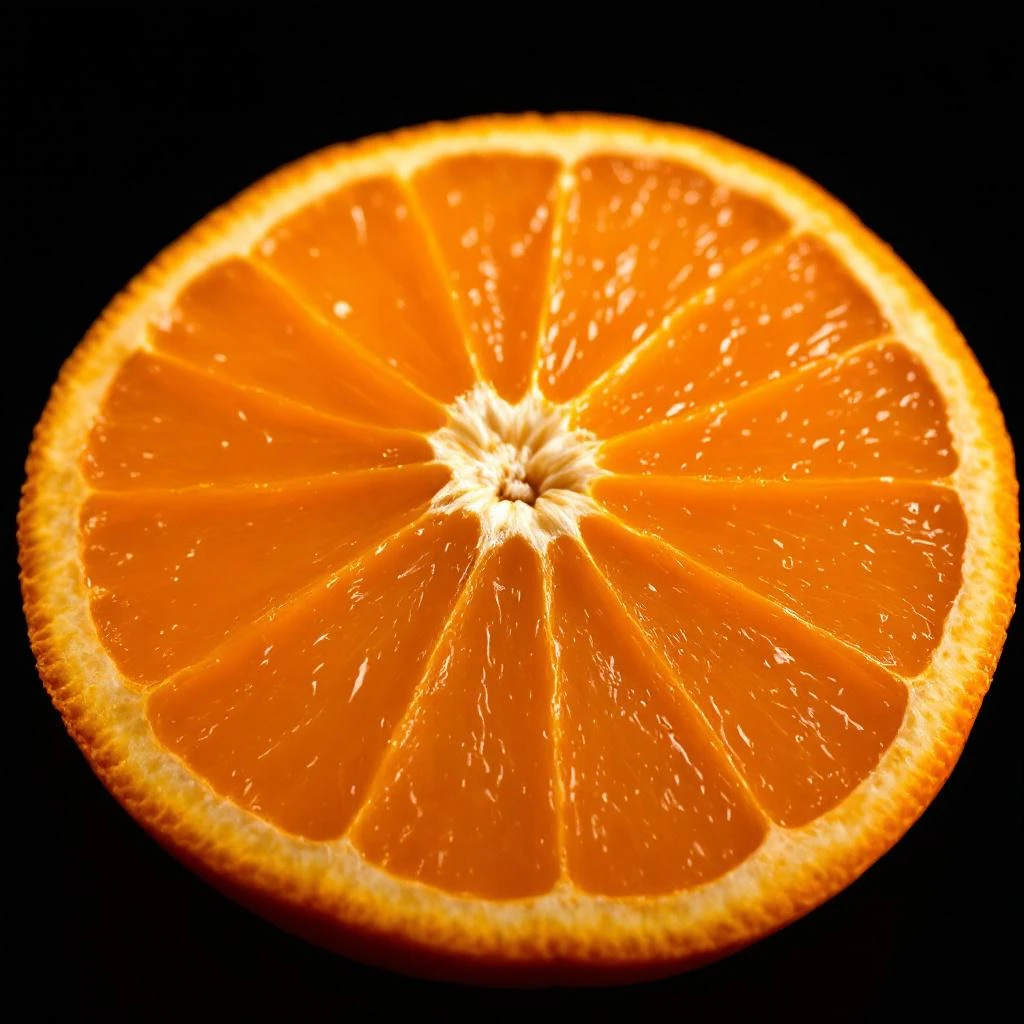
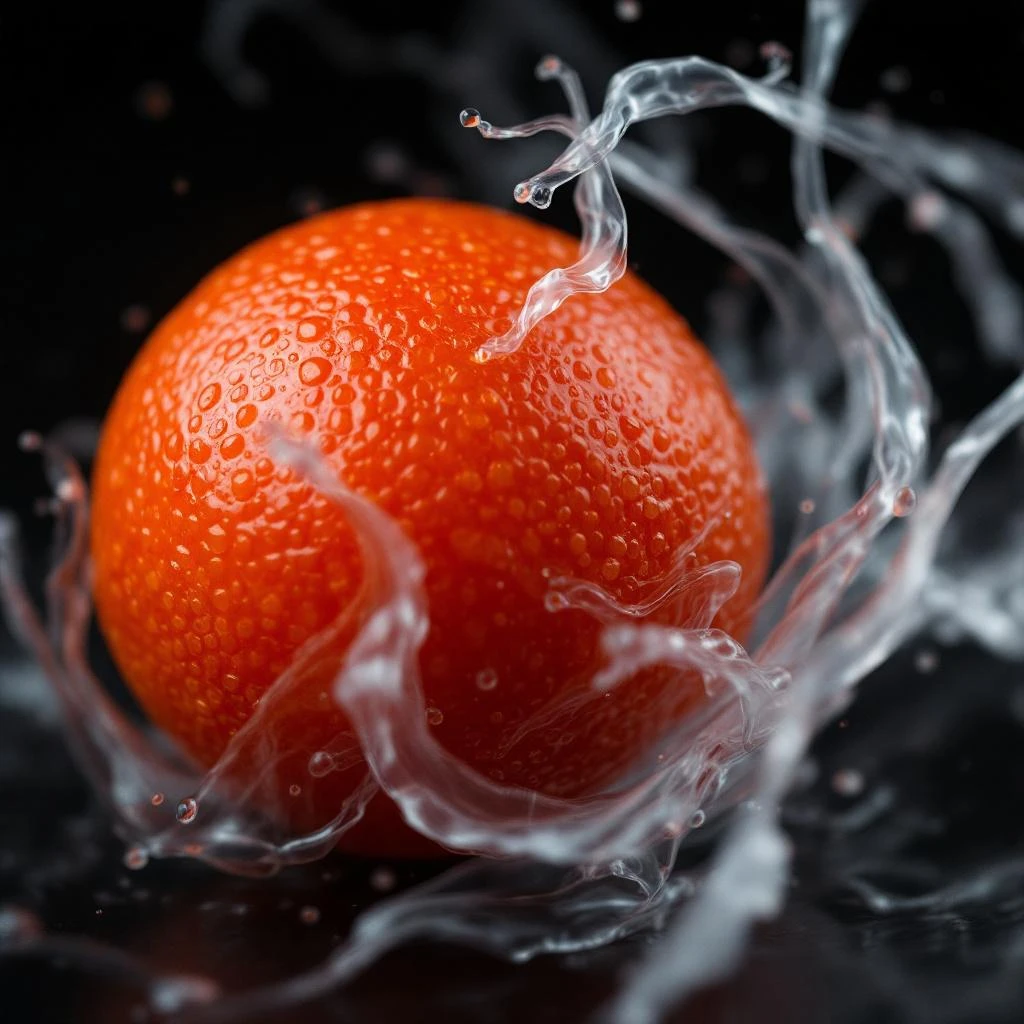
Red mandarin brings the warmth of sunlit Mediterranean orchards to a composition. Cold-pressed from ripe Italian and Spanish fruit peels, this citrus note glows with sweet, juicy radiance and a whisper of tangy zest.
Character
How it smells
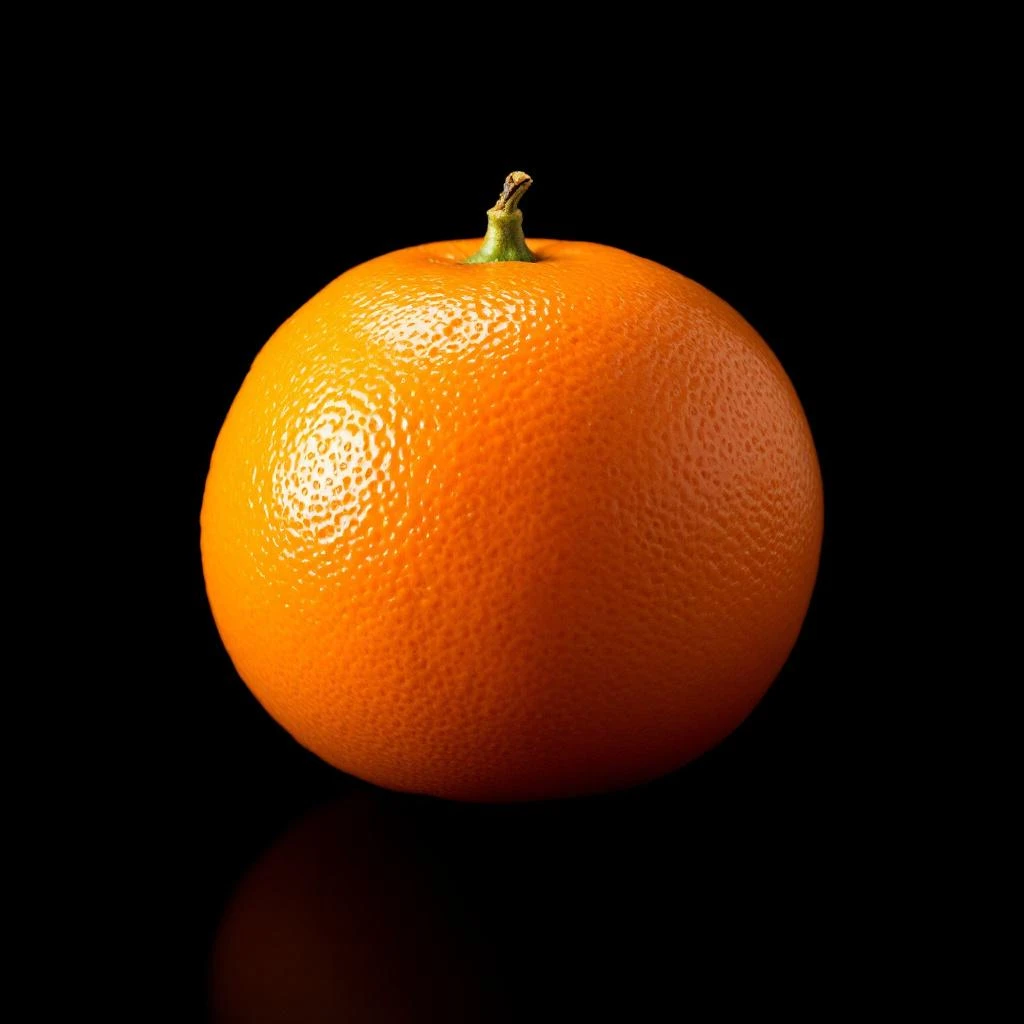
Sunlit citrus with a rosy blush
Red mandarin gets its deeper hue from cooler nights during ripening, which also concentrate its sugars and produce a notably sweeter, less sharp aroma than green mandarin.


Origin
Italy
The mandarin orange traces its origins to ancient China, where it grew wild in the southern provinces for centuries before entering cultivation around the 12th century. Chinese poets celebrated the fruit in Song dynasty verse, and tribute mandarins (so named for the officials who once received them as gifts) traveled along trade routes to Japan and Southeast Asia.
European traders introduced Citrus reticulata to the Mediterranean in the early 1800s, where Sicily and later Spain became the heart of commercial production. Italian growers in Calabria and Sicily favored the deeper red-skinned varieties for their superior sweetness, and these eventually earned the red mandarin label that distinguishes them from paler yellow cultivars.
The Italian perfume industry, centered around Reggio Calabria, adopted cold-pressed mandarin oil in the late 19th century as eau de cologne formulations grew popular across Europe. Today, major naturals houses source red mandarin from Mediterranean cooperatives under sustainability programs that trace each batch back to specific orchards, preserving a tradition that connects modern perfumery to over 800 years of citrus cultivation.
Wears it best
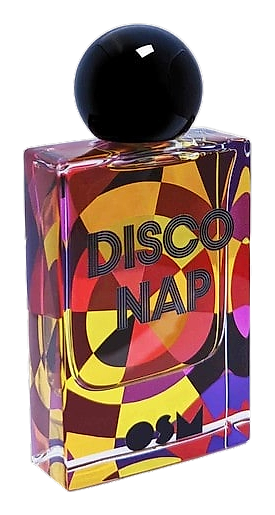
Fragrances featuring Red Mandarin

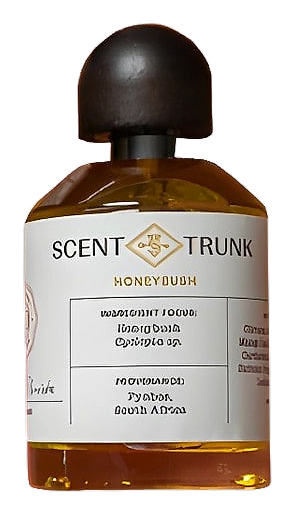
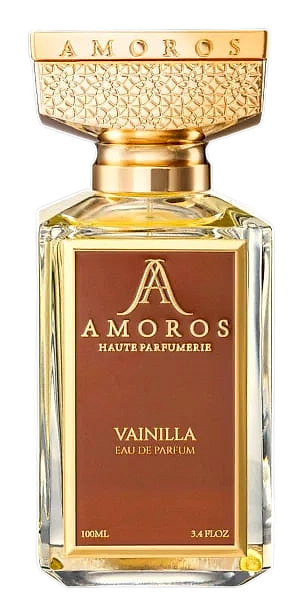
Brands
Brands known for Red Mandarin
Good to know
Questions, answered
The essentials on Red Mandarin in perfumery: how it smells, where it comes from, and how it behaves on skin.
What does red mandarin smell like in perfume?
Red mandarin smells sweet, juicy, and luminous with a soft, almost floral undertone beneath the bright citrus zest. It carries less sharpness than lemon or green mandarin, giving compositions a warmer, sunnier opening. Most perfumers describe it as the friendliest top note in the citrus family.
How is red mandarin essential oil produced?
Producers cold-press the outer peel of fully ripened Citrus reticulata fruit harvested in Italy and Spain. Mechanical pressure breaks open the rind's oil glands without heat, preserving the volatile top notes that define the ingredient. Each ton of fruit yields roughly 3 to 5 kilograms of oil.
Where does red mandarin originate?
Red mandarin comes from Citrus reticulata, a species native to southern China that spread to Mediterranean orchards in the early 1800s. Today, Italy (especially Calabria and Sicily) and Spain lead global production, with Italian red varieties prized for their deeper color and sweeter juice.
What is the difference between red mandarin and regular mandarin?
Red mandarin refers to fully ripened Citrus reticulata with a deep orange-red skin and higher sugar content. Regular or green mandarin is harvested earlier, producing a sharper, more acidic oil. Red varieties offer a sweeter, rounder aroma with subtle floral facets that early-picked fruit lacks.
Why does red mandarin oil have a short shelf life?
Red mandarin oil oxidizes rapidly when exposed to oxygen, light, and heat, which causes it to develop turpentine-like off-notes within months. Producers store it in nitrogen-flushed dark containers and recommend using it within 18 to 24 months to preserve its fresh, juicy character.
Is red mandarin natural or synthetic in perfumery?
Most red mandarin in fine perfumery comes from cold-pressed natural oil sourced in Italy and Spain. Synthetic alternatives exist but rarely match the complex, juicy sweetness of the real peel, which contains trace aldehydes and floral esters that define the ingredient's signature warmth.
What perfume families use red mandarin?
Red mandarin appears across nearly every fragrance family but shines brightest in citrus colognes, fresh florals, and fruity compositions. It brightens oriental bases, lifts aquatic accords, and adds a sunlit sparkle to chypre structures, making it one of perfumery's most versatile top notes.
Can red mandarin cause skin sensitivity?
Like all citrus peel oils, red mandarin contains furocoumarins that can cause photosensitivity in some individuals. IFRA guidelines restrict its concentration in leave-on products, and perfumers often pair it with antioxidants to slow oxidation. A patch test is advisable for sensitive skin.