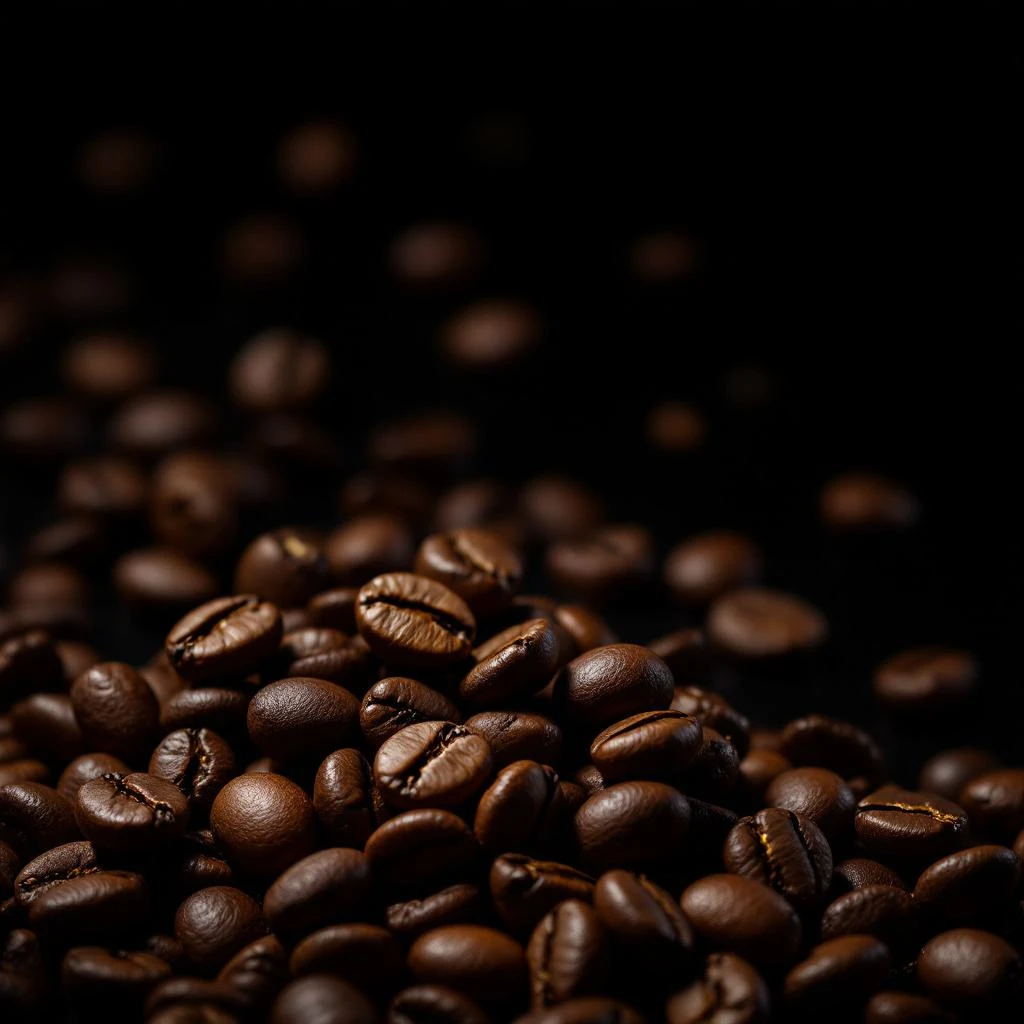
Honey Syrup
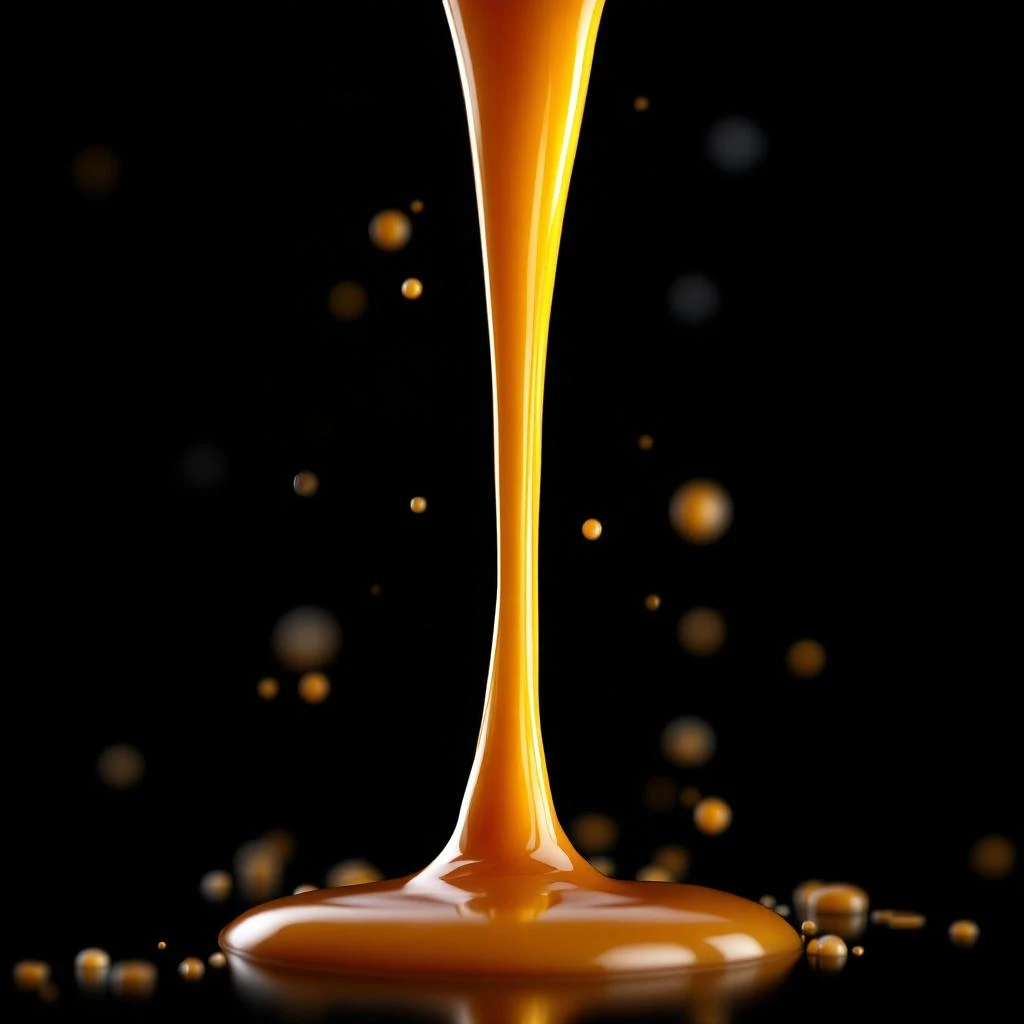
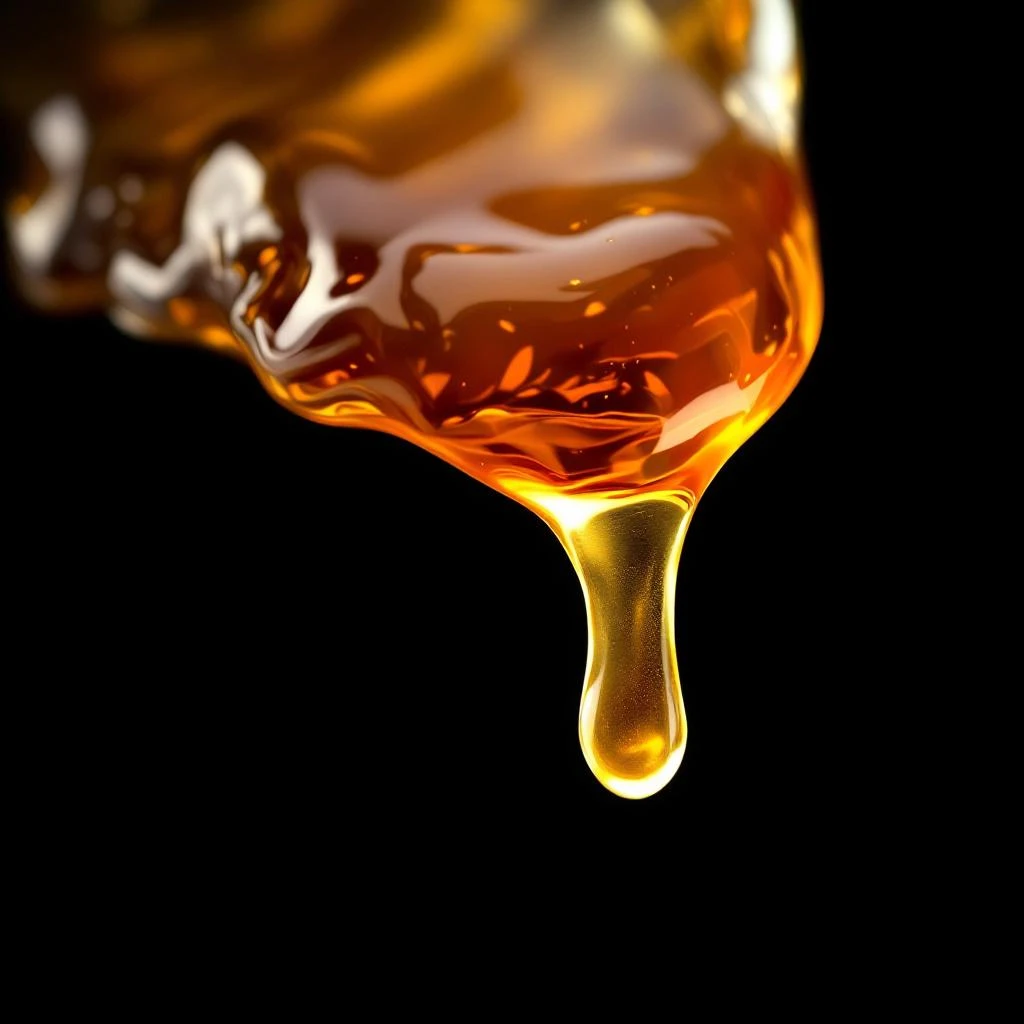
Golden and sensual, honey brings warmth and depth to fragrances. From ancient sacred rituals to modern perfumery, this nectarous note bridges gourmand sweetness with animalic richness.
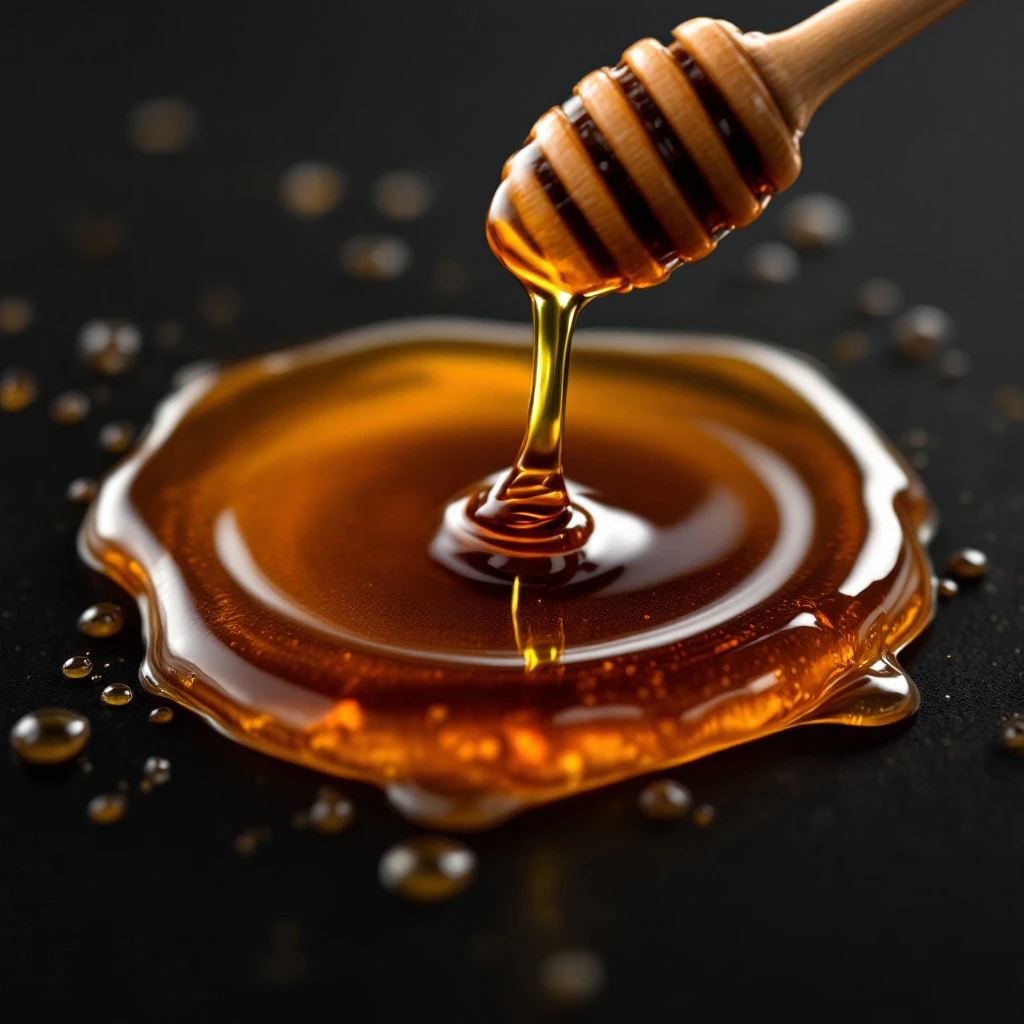
Character
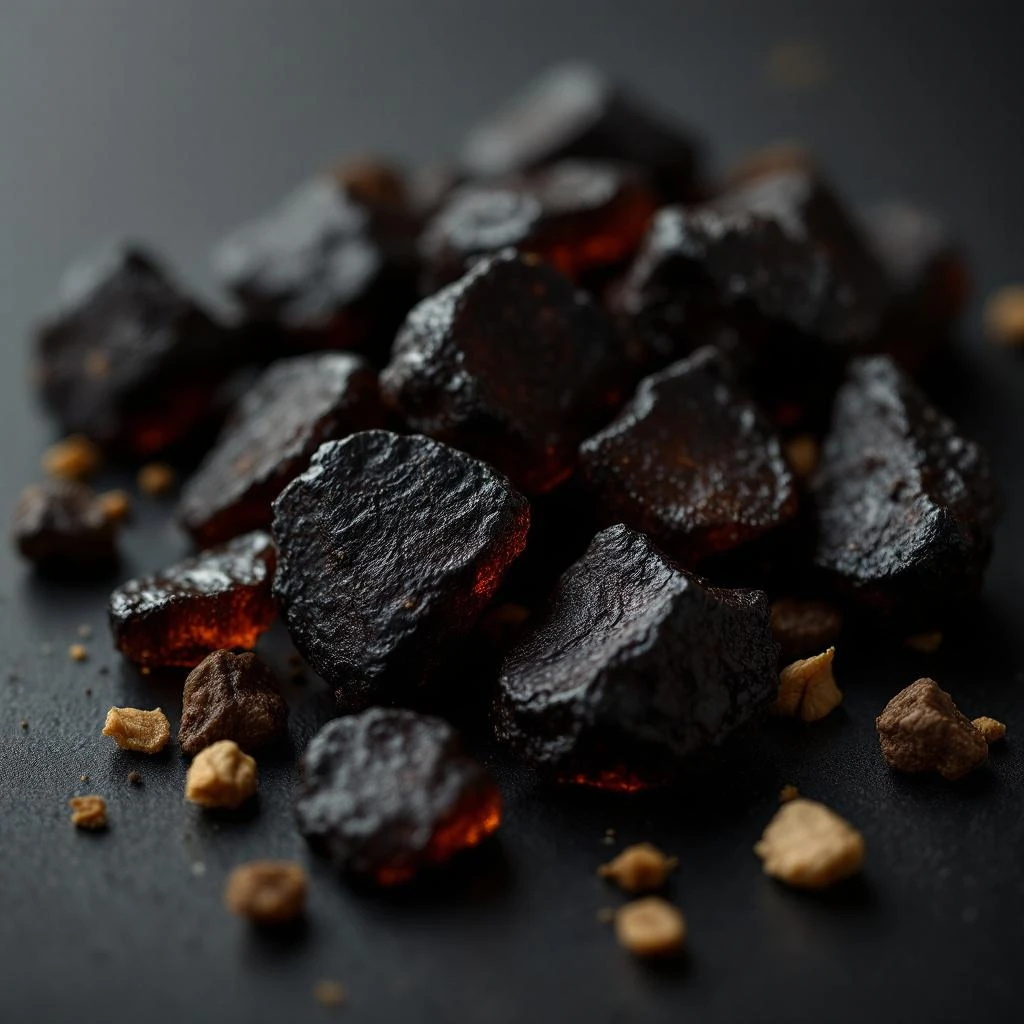
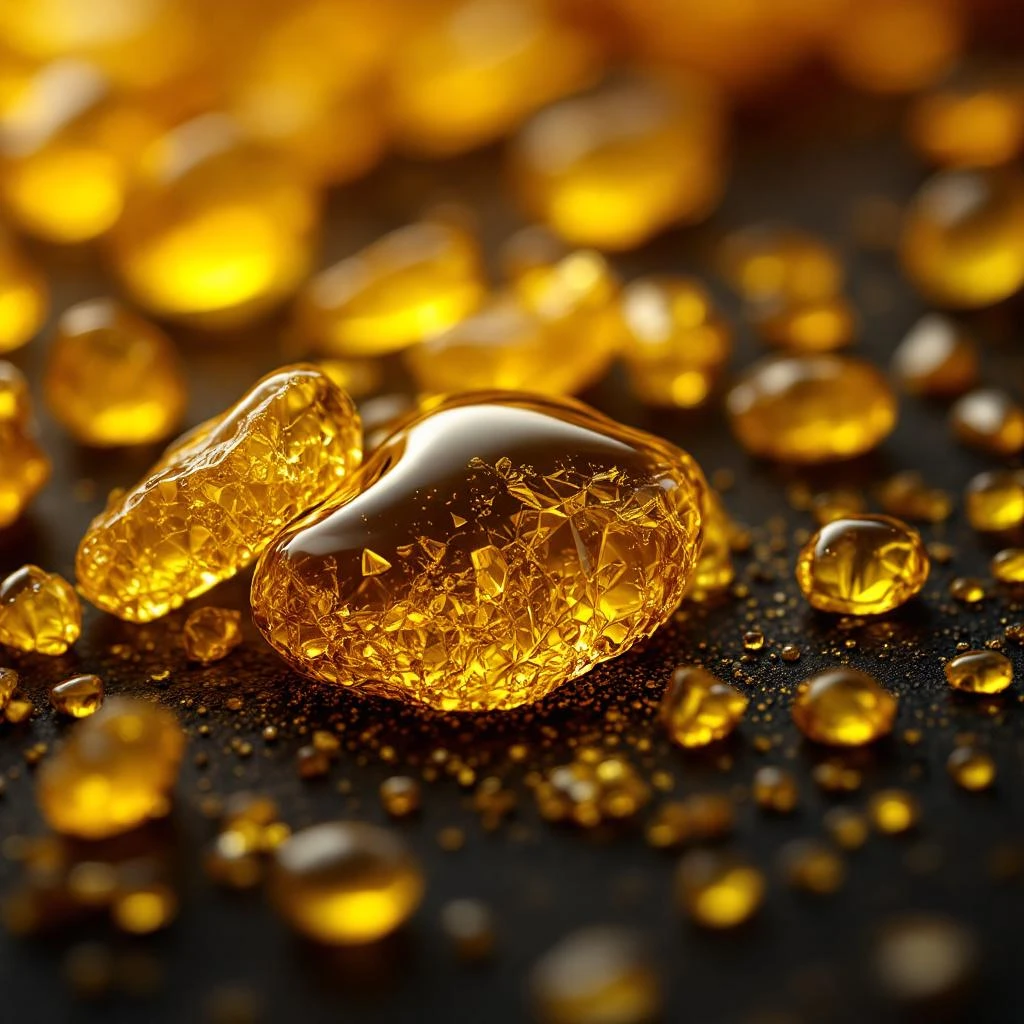
How it smells
Nectarous warmth with a wild edge.
Honeybees evolved 20 million years ago; humans began harvesting their honey 7,000 years before the Common Era.
Origin
Mediterranean region (Grasse, France)
Honey's association with the sacred, feminine, and luxurious predates modern perfumery by millennia. Ancient Arab perfumers were the first to capture honey's sweetness in fragrance, weaving it into rituals and cosmetics.
When perfumery modernized in the 19th century, heavy animalic scents gave way to softer florals, and honey's round, sweet facet became essential for softening opulent compositions. The founding of Haarmann & Reimer in 1874 marked synthetic chemistry's entry into perfumery, eventually enabling reproducible honey accords.
Today, honey appears in both natural extracts and synthetics, valued for its ability to add golden depth to oriental, chypre, and floral compositions. Nose Christine Nagel described it simply: honey has two facets—half devil, half angel.
Wears it best
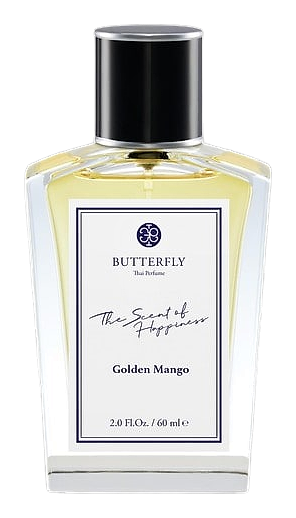
Fragrances featuring Honey Syrup
Brands
Brands known for Honey Syrup
Good to know
Questions, answered
The essentials on Honey Syrup in perfumery: how it smells, where it comes from, and how it behaves on skin.
What does honey syrup smell like in perfume?
Honey in fragrance is warm, sweet, and slightly animalic with waxy and pollen undertones. Natural honey absolute smells syrupy and treacle-like, while beeswax absolute adds a dusty, honeyed sweetness with subtle fermentation notes.
Is honey a top note or base note?
Honey typically functions as a heart note in perfumery, though its fixative properties allow it to persist into the base. The scent evolves on skin as sugars fade, revealing deeper waxy and animalic facets.
What fragrance families pair well with honey?
Honey complements oriental fragrances with warmth and depth, softens opulent florals, and adds sensuality to chypre compositions. The honey-tobacco combination (using phenylacetates and damascones) appears in classics like Serge Lutens Chergui.
Is natural honey used in perfumery?
Natural honey absolute and beeswax absolute exist but face sustainability and ethical concerns. Modern perfumers often use synthetic honey molecules like phenylacetic acid, which provides the characteristic waxy-honey quality without harvesting beeswax.
What gives honey its distinctive scent?
Honey's scent comes from phenylacetic acid (heavy, waxy quality), ethyl phenylacetate (cleaner sweetness), musks, wax-like molecules, and floral materials. The specific honey variety—acacia, orange blossom, eucalyptus—alters woody, herbal, or tobacco nuances.
How long has honey been used in perfume?
Ancient Arab perfumers first captured honey's sweetness in fragrance. By the 19th century's modernization of perfumery, honey softened heavy animalic compositions. French perfumers in Grasse pioneered beeswax absolute extraction in the late 1800s.
Does honey work for both men and women's fragrances?
Honey's dual nature—sweet and sensual, warm and animalic—makes it versatile across gender presentations. Perfumers use it to soften floral feminine compositions or add richness to masculine oriental and tobacco fragrances.
What makes honey challenging to reproduce synthetically?
Honey's complexity resists simplification. A synthetic capturing only sweetness becomes a caricature. Capturing the full spectrum—warmth, wax, flowers, slight fermentation, and intimacy—requires combining phenylacetates, musks, and floral materials. This balance is what makes honey both valued and challenging.