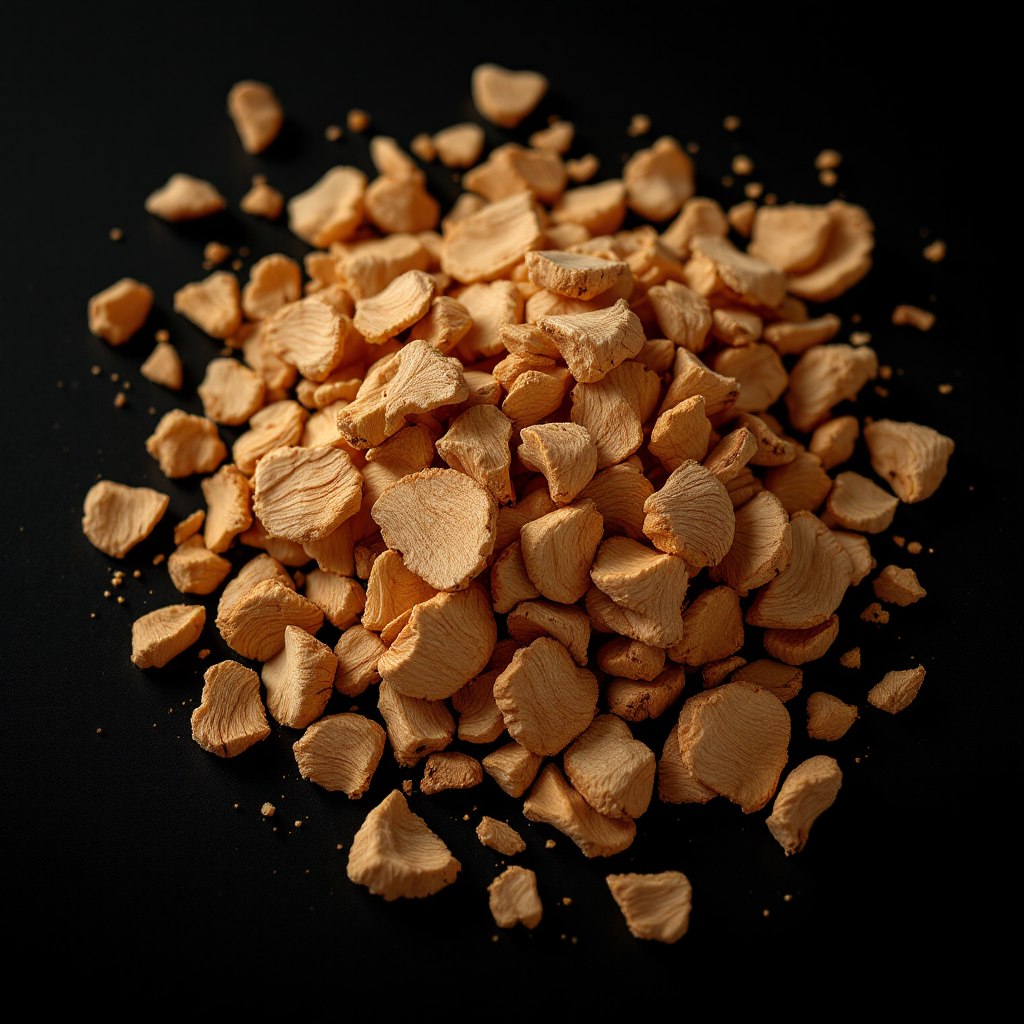
Himalayan Spruce
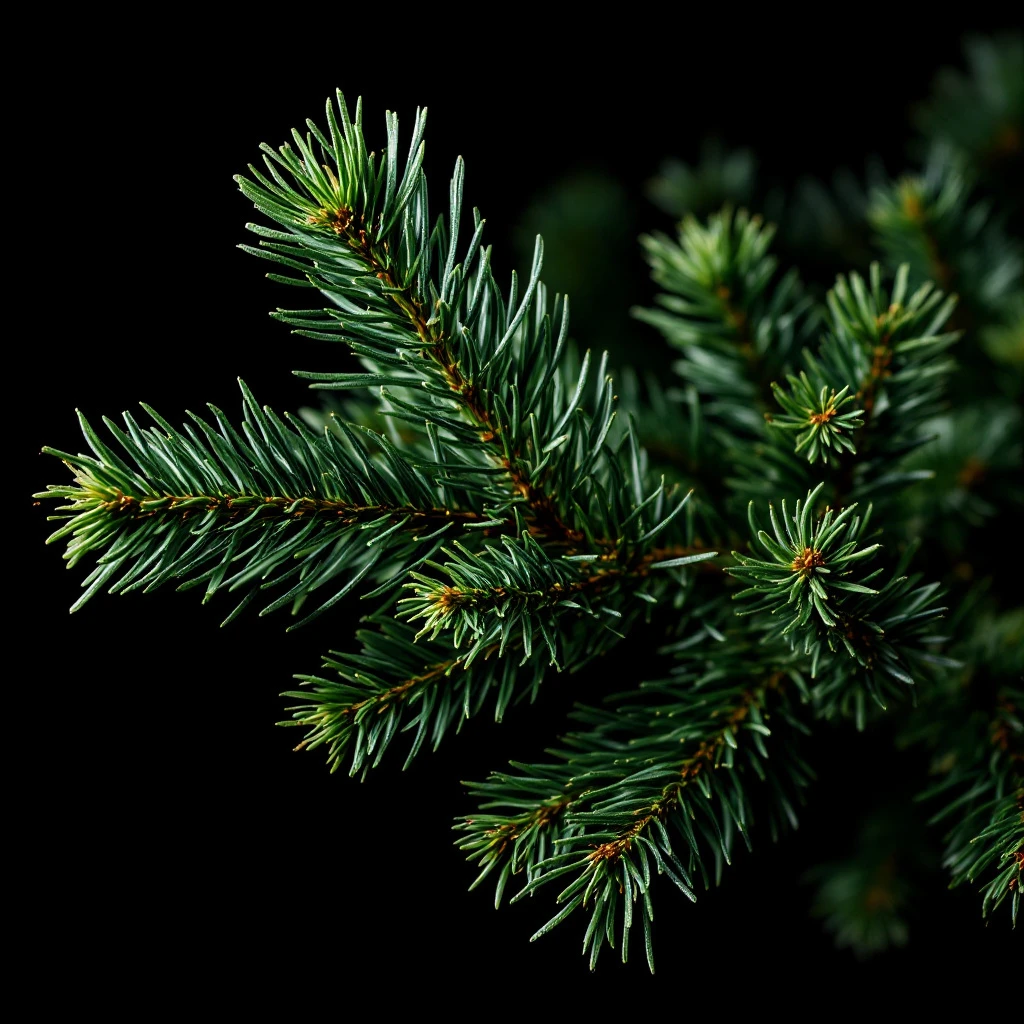
Found in the high altitudes of the western Himalayas, this evergreen conifer yields a crisp, forest-fresh essential oil. Its sharp, balsamic needles capture the cold mountain air in every drop.
Character
How it smells
Cold mountain air, captured in a bottle.
These trees can live for over 500 years, standing sentinel on slopes where few other trees survive.






Origin
India
For centuries, Himalayan communities used spruce resin and needles in traditional medicine and spiritual practices. Buddhist monasteries in Nepal and Tibet burned spruce needle bundles during meditation, believing the fresh, purifying scent cleared the mind. Local herbalists incorporated the resin into remedies for respiratory ailments.
Western perfumers discovered Himalayan Spruce essential oil in the late 19th century as colonial trade routes opened. The oil found its place in fougère and coniferous compositions, prized for its cleaner, more refined character compared to common European spruce. Today, it remains a relatively rare ingredient in fine perfumery, appearing in niche fragrances that seek to evoke high-altitude mountain forests. The ingredient also holds significance in Himalayan wellness traditions, where practitioners continue using spruce in aromatherapy and natural healing.
Wears it best
Fragrances featuring Himalayan Spruce
Brands
Brands known for Himalayan Spruce
Good to know
Questions, answered
The essentials on Himalayan Spruce in perfumery: how it smells, where it comes from, and how it behaves on skin.
What does Himalayan Spruce smell like?
Himalayan Spruce oil has a crisp, fresh pine scent with balsamic undertones and subtle woody warmth. The aroma evokes high-altitude forest landscapes, combining sharp conifer brightness with a softer, more refined character than common pine or fir oils.
Is Himalayan Spruce natural or synthetic?
Himalayan Spruce is a completely natural ingredient. Steam distillation of needles and young twigs from Picea smithiana trees produces the essential oil used in perfumery.
What fragrances feature Himalayan Spruce?
Himalayan Spruce appears in coniferous, fougère, and forest-inspired fragrance families. It pairs well with conifer oils, citrus, and earthy notes like oakmoss and vetiver.
Where does Himalayan Spruce grow?
The trees grow in the western Himalayan region, primarily across northern India, Nepal, Bhutan, Pakistan, and Tibet at elevations between 2,400 and 3,600 meters.
Is Himalayan Spruce sustainable?
Sustainable sourcing requires careful management because Himalayan Spruce trees grow slowly and inhabit fragile alpine ecosystems. Responsible producers work with certified wildcrafters and replanting initiatives to protect these natural resources.
How is Himalayan Spruce oil different from regular spruce oil?
The high-altitude growing conditions and unique mountain terroir create subtle differences in aromatic composition. Himalayan Spruce typically offers a lighter, more refined scent profile compared to European spruce species.
What extraction method produces Himalayan Spruce oil?
Steam distillation extracts the oil from needles and young twigs of Himalayan Spruce trees. Some specialty producers use supercritical CO2 extraction to capture a broader range of aromatic compounds.
Can Himalayan Spruce oil be used in aromatherapy?
Yes, the oil appears in some aromatherapy applications for respiratory support and creating a fresh, grounding atmosphere. Consult a qualified aromatherapy practitioner for proper dilution and usage guidelines.