The Story
Why it exists.
The beginning
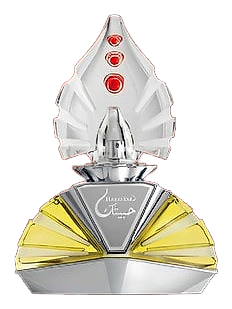
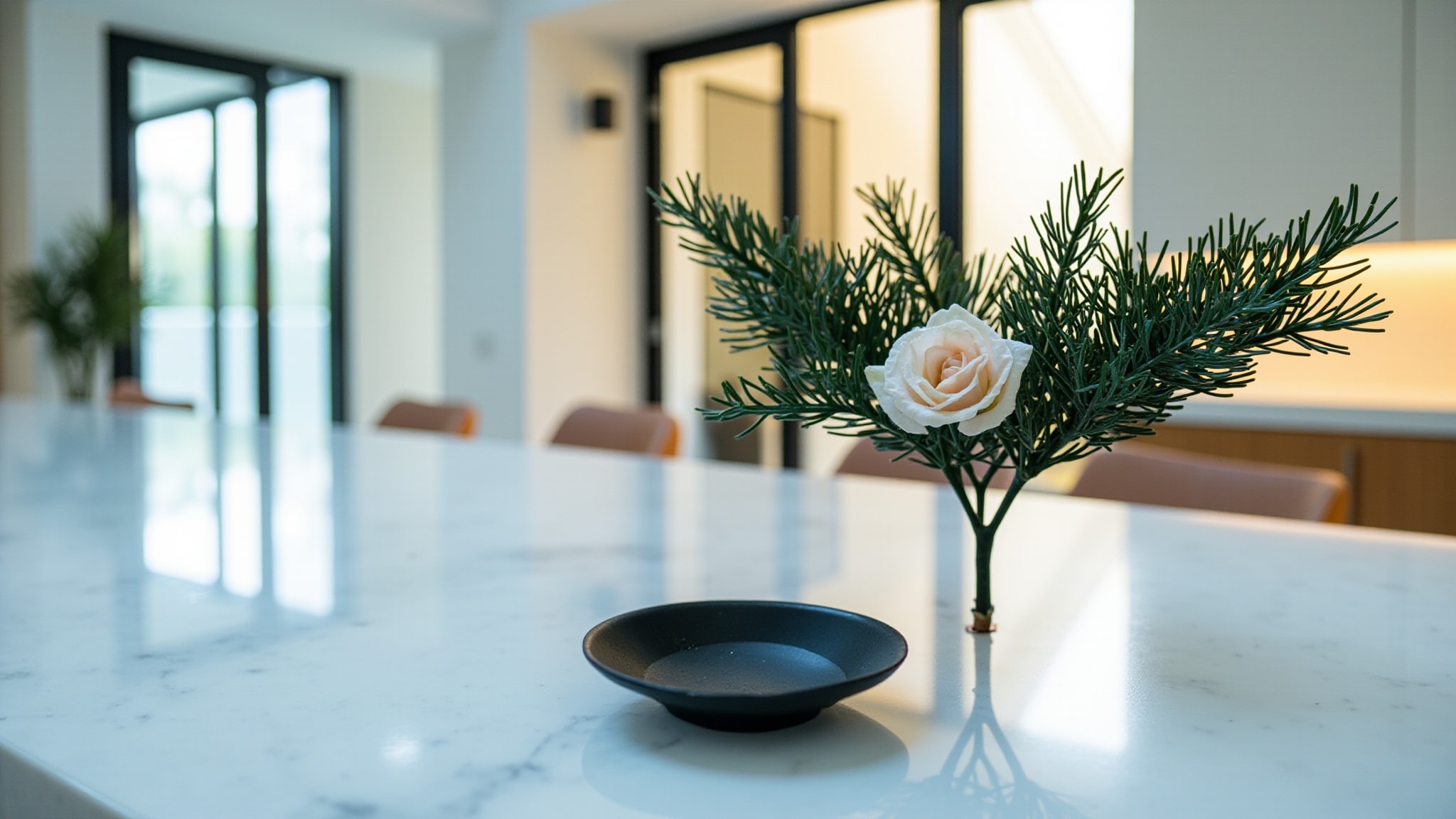
Swiss Arabian built this fragrance around a singular idea. The perfumer brought rose and spruce into the same composition and let them negotiate. One is warm and floral, the other cold and green. What emerged is a fragrance about the moment when cool becomes warm, when restraint becomes desire. The juxtaposition feels intentional but never forced, each note finding its place without apology. There's a conversation happening between the freshness of the conifer and the softness of the rose, and the wearer gets to witness it unfold on their skin. It's a composition that rewards patience, revealing new facets as the hours pass.
The opening is cold and balsamic, clean as morning air, and gradually surrenders to the spices underneath. Cumin is the pivot point, earthy and warm, pushing the composition away from freshness and toward something more intimate. Hyacinth and iris add a powdery softness that keeps the heart from becoming harsh. The result is a fragrance that changes direction mid-stream, taking the wearer from restraint to release without a clear transition point, which is exactly the point.
The evolution
The opening is the cleanest moment. Spruce announces itself with the smell of cold air and evergreen needles, sharp enough to cut through anything. The rose arrives soft and dewy, tempering the conifer instead of competing with it. As the top notes recede, the spices begin their work. Cumin adds warmth that wasn't there before. Black pepper prickles at the edges. The hyacinth softens the whole thing into something powdery, almost delicate. This middle phase shifts constantly between aromatic freshness and warm spice. Then the base takes over. Cedarwood anchors everything with a dry woody warmth. Musk brings it closer to the skin. And the oud, it doesn't shout, but it lingers. Patchouli keeps the whole thing grounded in earth. The spruce fades first, but the oud and cedar remain, building slowly in the background.
Cultural impact
Habeitak stands apart in the Oriental Spicy landscape by leading with spruce, a conifer note more commonly associated with cooler climates. The choice creates an unexpected tension with the warmer elements that follow. Swiss Arabian demonstrates here that Arabian perfumery traditions can accommodate a wider range of materials than convention might suggest. The fragrance has attracted attention from those who appreciate its unconventional structure, the way it moves from crisp conifer into deeper, richer territory without the expected warm-bloom opening.