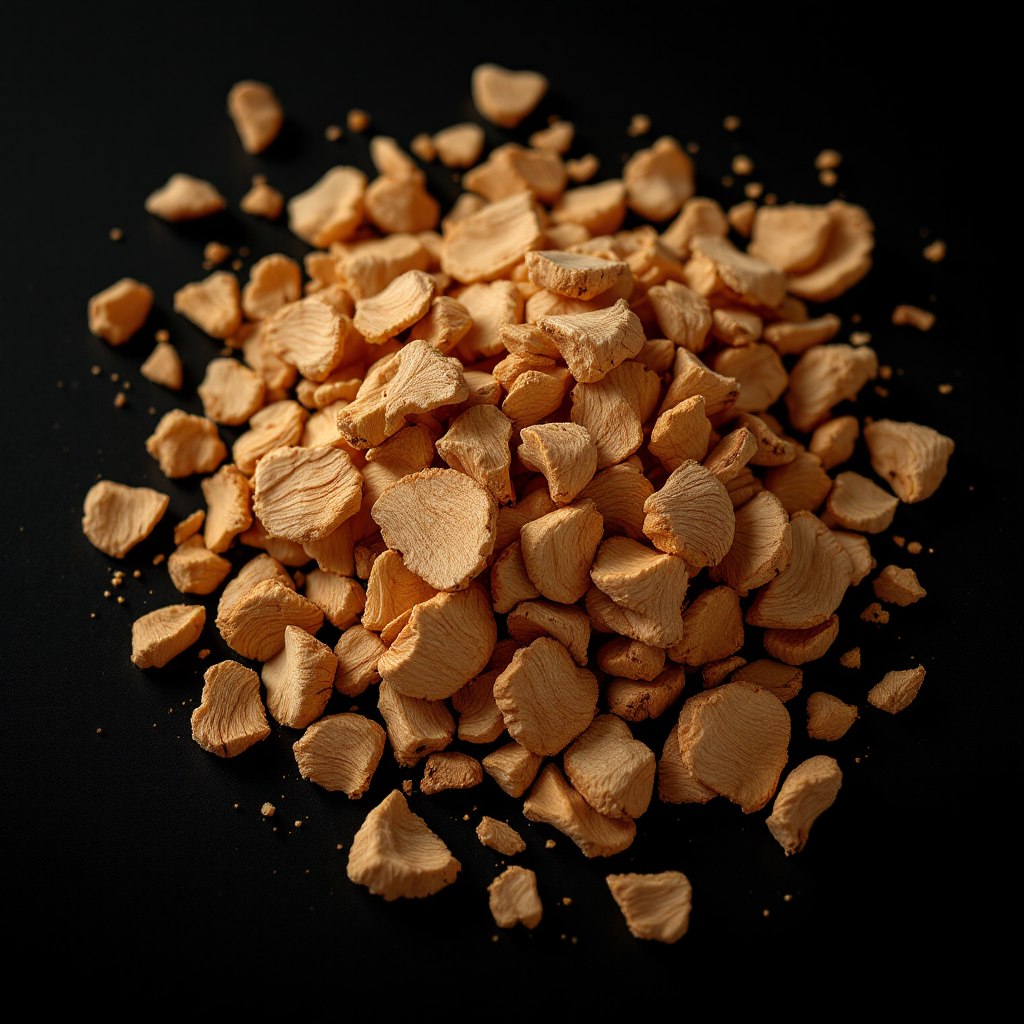
Himalayan Fir
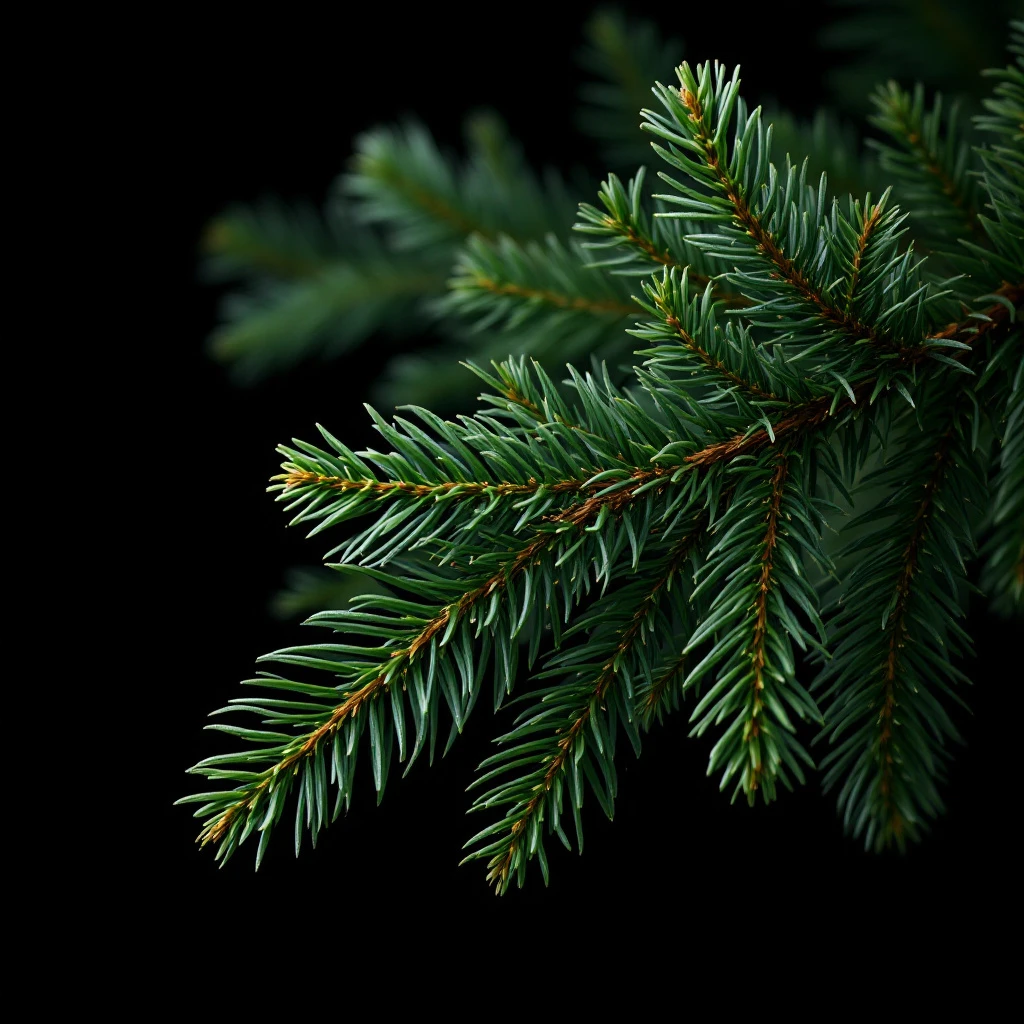
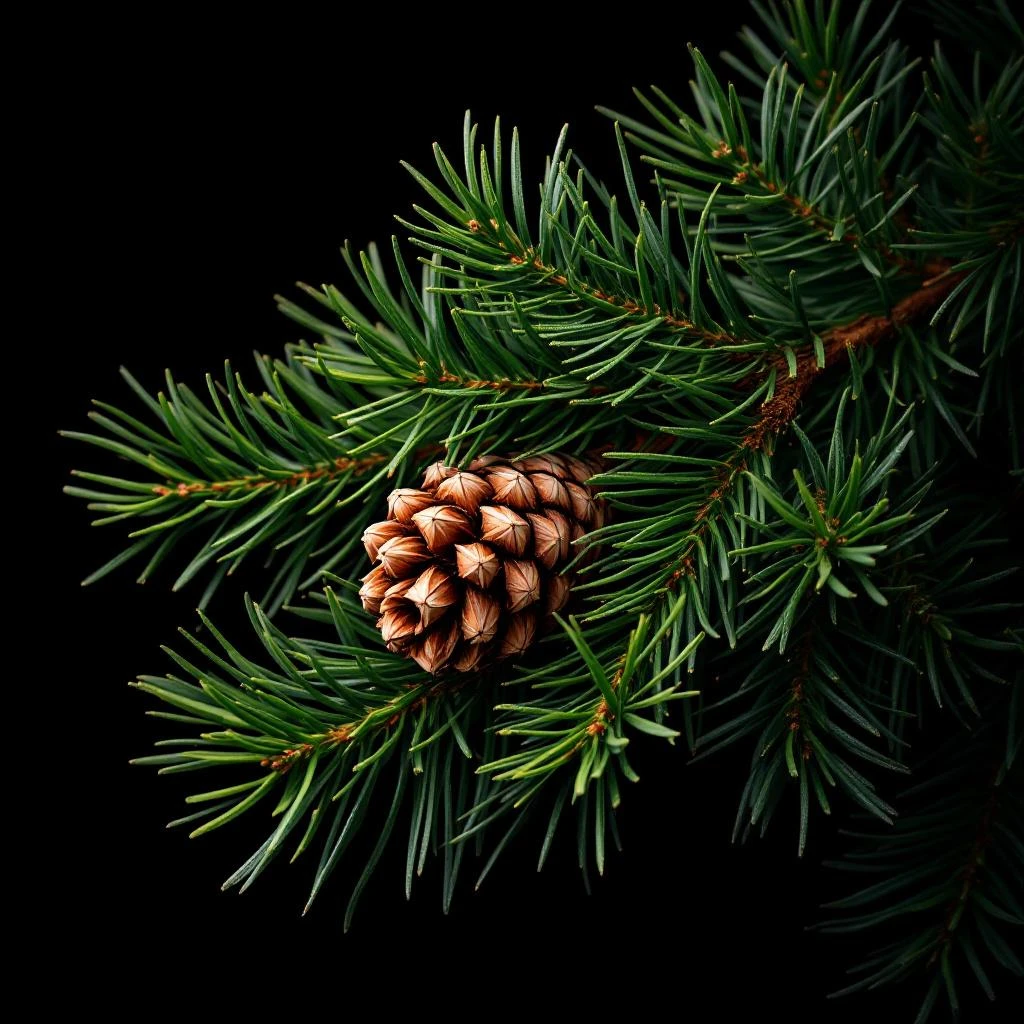
Himalayan Fir (Abies spectabilis) yields a crisp, resinous essential oil drawn from needles and twigs gathered at elevations above 2,800 meters. Its scent captures cold alpine forests with green, piney sharpness balanced by a subtle balsamic sweetness.
Character
How it smells
Crisp alpine air, captured in green resin.
Trees must reach 40 to 60 years old before their needles contain enough volatile oil for commercial distillation.
Pairs beautifully with


Origin
Nepal
Abies spectabilis has been woven into Himalayan communities for centuries, though its appearance in commercial perfumery is far more recent. Indigenous peoples of Nepal, northern India, and Tibet long burned fir branches as incense during religious ceremonies, valued the resin for medicinal balms, and used the aromatic wood in temples and homes. British colonial botanists documented the species in the early nineteenth century during surveys of the eastern Himalayas, recording its impressive stature, sometimes reaching 50 meters, and its distinctive cones.
However, systematic extraction of its essential oil did not begin until the late twentieth century, when improved road access to high-altitude forests allowed small-scale distilleries to emerge. Since the 1990s, Himalayan Fir has appeared in niche perfumery as a fresher, more refined alternative to European Silver Fir or Siberian Fir. It carries a brighter green facet and a softer balsamic undertone, attributed to the unique terpene profile shaped by extreme mountain climates.
Today, sustainable harvesting programs in Nepal and Uttarakhand aim to protect mature stands while supporting the livelihoods of high-altitude forest communities.
Wears it best
Fragrances featuring Himalayan Fir
Brands
Brands known for Himalayan Fir
Good to know
Questions, answered
The essentials on Himalayan Fir in perfumery: how it smells, where it comes from, and how it behaves on skin.
What does Himalayan Fir smell like in a fragrance?
BLUF: It smells crisp, green, and resinous with a cool pine character and a subtle balsamic sweetness. Supporting fact: Its dominant compound, bornyl acetate, contributes a soft, woody undertone beneath sharper pine-like top notes.
Is Himalayan Fir the same as Silver Fir or Siberian Fir?
BLUF: No, they are distinct species with different terpene profiles. Supporting fact: Abies spectabilis contains higher concentrations of camphene and bornyl acetate than Abies alba, giving it a fresher, more balsamic character.
Where does Himalayan Fir grow?
BLUF: It grows in the eastern Himalayas at elevations between 2,800 and 4,000 meters. Supporting fact: Native populations exist across Nepal, Uttarakhand in India, Sikkim, Bhutan, and parts of southern Tibet.
How is Himalayan Fir essential oil extracted?
BLUF: It is extracted by steam distillation of freshly harvested needles and twigs. Supporting fact: Distillation occurs in small mobile stills near collection sites to minimize resin loss during transport.
Why is Himalayan Fir oil expensive?
BLUF: Remote harvest locations and low oil yields drive up the cost. Supporting fact: It takes roughly 300 to 400 kilograms of fresh needles to produce one kilogram of essential oil.
Can Himalayan Fir be harvested sustainably?
BLUF: Yes, when collectors prune branches selectively rather than felling whole trees. Supporting fact: Several community forestry programs in Nepal now require trees to be at least 40 years old before needle harvesting begins.
What fragrance families feature Himalayan Fir?
BLUF: It appears most often in aromatic, woody, and fresh fougère compositions. Supporting fact: Its bright green top notes make it a popular modifier in winter and outdoor-themed fragrances seeking an authentic coniferous lift.
Is Himalayan Fir safe in perfumery?
BLUF: Yes, it is generally regarded as safe when properly diluted in fragrance formulations. Supporting fact: The International Fragrance Association lists fir needle oil among approved materials at standard usage levels, though oxidized oils should be avoided due to skin sensitization risk.