Hazelnut Cream
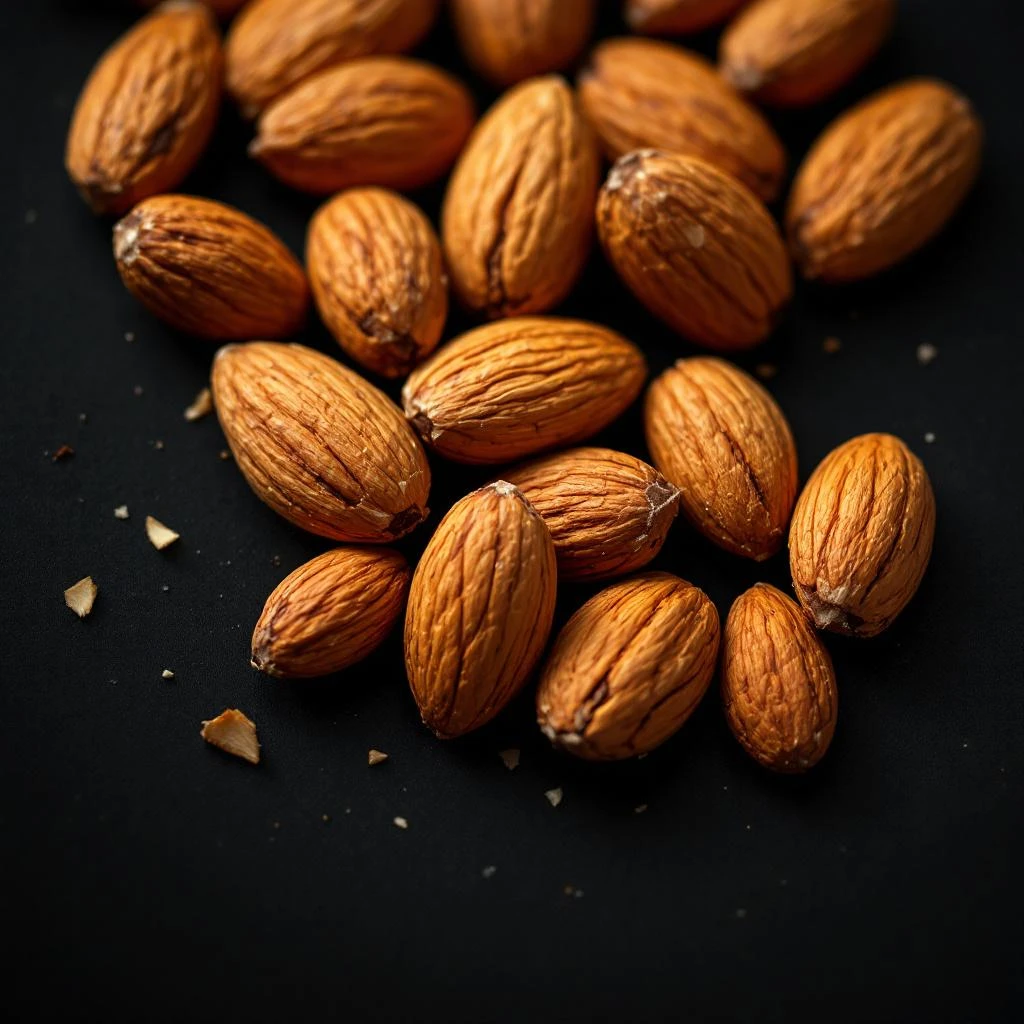
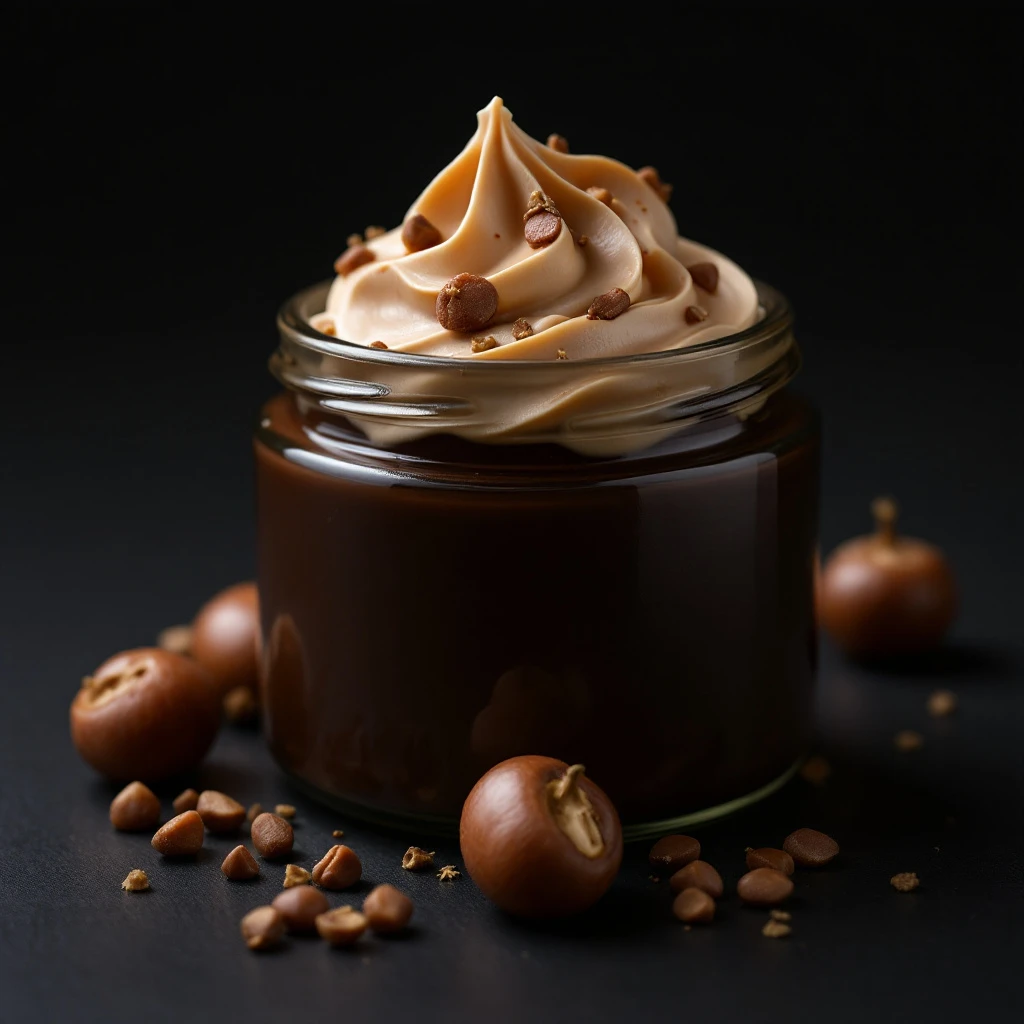
Hazelnut Cream captures the warm, roasted sweetness of shelled hazelnuts with a velvety, gourmand richness. A staple in oriental and chypre families, this note adds depth and comfort to modern fragrance compositions, bridging confection and nature.
Character
How it smells
The velvety warmth of roasted hazelnuts in your scent.
Turkey alone produces roughly 75% of the world's hazelnuts, making it the undisputed heart of this ingredient's supply chain.



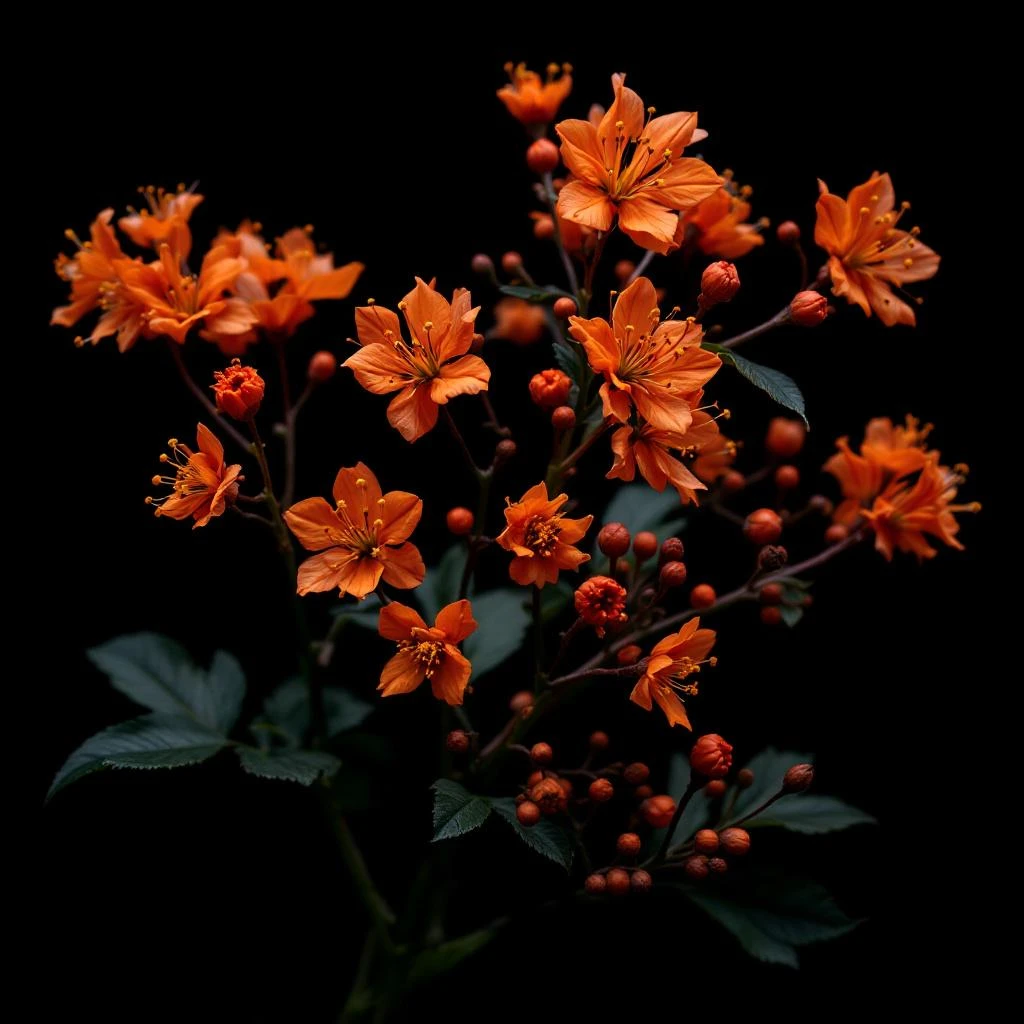



Origin
Turkey
Hazelnuts rank among the oldest cultivated nuts, with evidence of gathering dating back millennia across Anatolia and the Mediterranean. Ancient Greek and Roman texts reference hazelnuts as both food and medicine.
Turkey emerged as the primary cultivating region, a position it holds firmly today. Hazelnut entered perfumery relatively late, gaining prominence as gourmand aesthetics evolved in the late 20th century.
The ingredient suited the era's appetite for edible, comforting accords, particularly in oriental and amber compositions. Today it appears across men's and women's fragrances as a bridge between food and fantasy, its warm character anchoring complex, layered compositions.
Wears it best
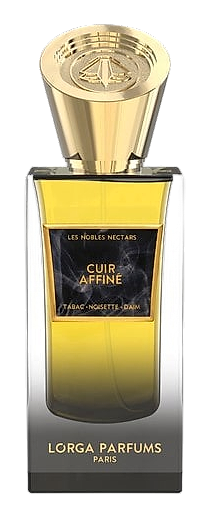
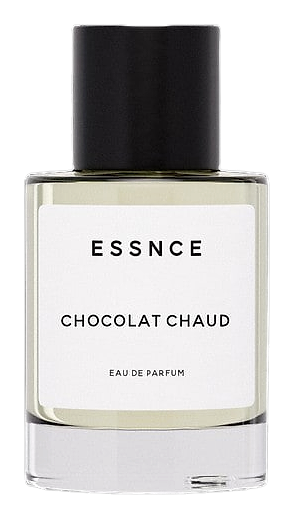
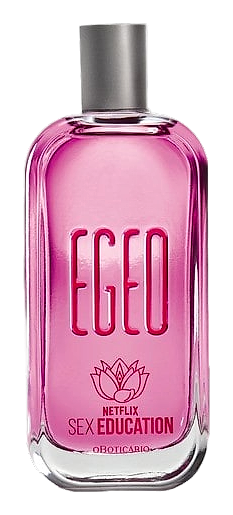
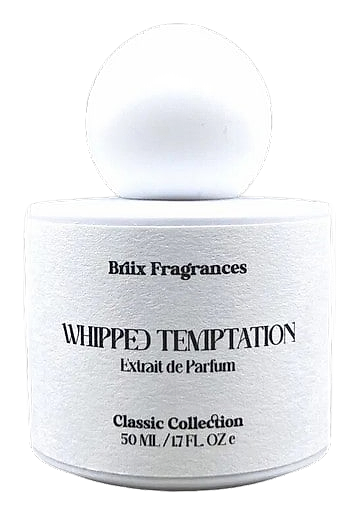
Fragrances featuring Hazelnut Cream
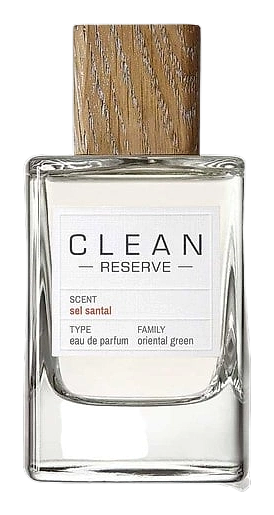
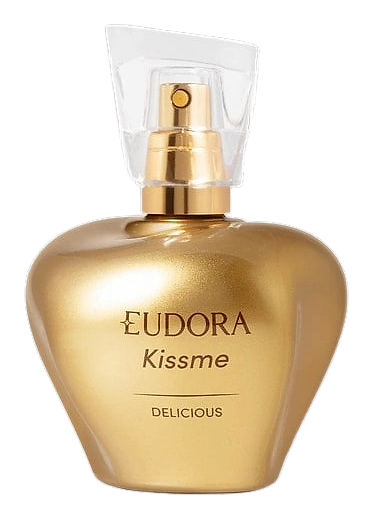
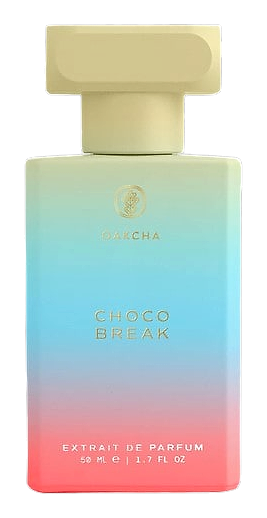
Brands
Brands known for Hazelnut Cream
Good to know
Questions, answered
The essentials on Hazelnut Cream in perfumery: how it smells, where it comes from, and how it behaves on skin.
Is hazelnut in perfume natural or synthetic?
Hazelnut in perfumery is almost exclusively synthetic. Natural solvent extraction produces hazelnut absolute that proves too fatty and unstable for fragrance use. Synthetic aroma molecules replicate the warm, nutty profile reliably and consistently across batches.
What does hazelnut smell like in fragrance?
Hazelnut reads as warm, roasted, and slightly sweet, with creamy undertones and a nutty depth reminiscent of praline or gianduja. The effect is comforting and gourmand without being overtly edible.
What fragrance families use hazelnut most often?
Hazelnut appears primarily in oriental and chypre compositions. It also shows up in certain woody and gourmand fragrances. The note works especially well alongside amber, vanilla, sandalwood, and patchouli.
Where do hazelnuts used in perfumery come from?
Turkey dominates global hazelnut production, supplying roughly 75% of the world's crop. Other sources include Italy, Spain, Georgia, and the United States. Most fragrance-grade reconstructed hazelnut materials trace back to Turkish origins.
How long has hazelnut been used in perfumery?
Hazelnut gained traction in perfumery during the late 20th century as gourmand fragrance aesthetics expanded. Its rise parallels the broader trend of edible, comfort-oriented notes entering mainstream fragrance design.
Does hazelnut pair well with florals?
Yes, hazelnut bridges gourmand and floral territories when paired with jasmine or iris. It adds warmth and texture to lighter floral structures, creating compositions that feel both romantic and grounded.
How long does hazelnut last on the skin?
Hazelnut performs as a heart-to-base note depending on formulation. Synthetic hazelnut molecules generally offer good longevity, contributing a lingering warmth that holds well through the dry-down phase.
Is hazelnut safe for skin application?
Hazelnut materials used in perfumery comply with International Fragrance Association safety standards. Synthetic hazelnut aroma compounds are evaluated for dermatological safety and included at controlled concentrations in finished products.