Hōjicha
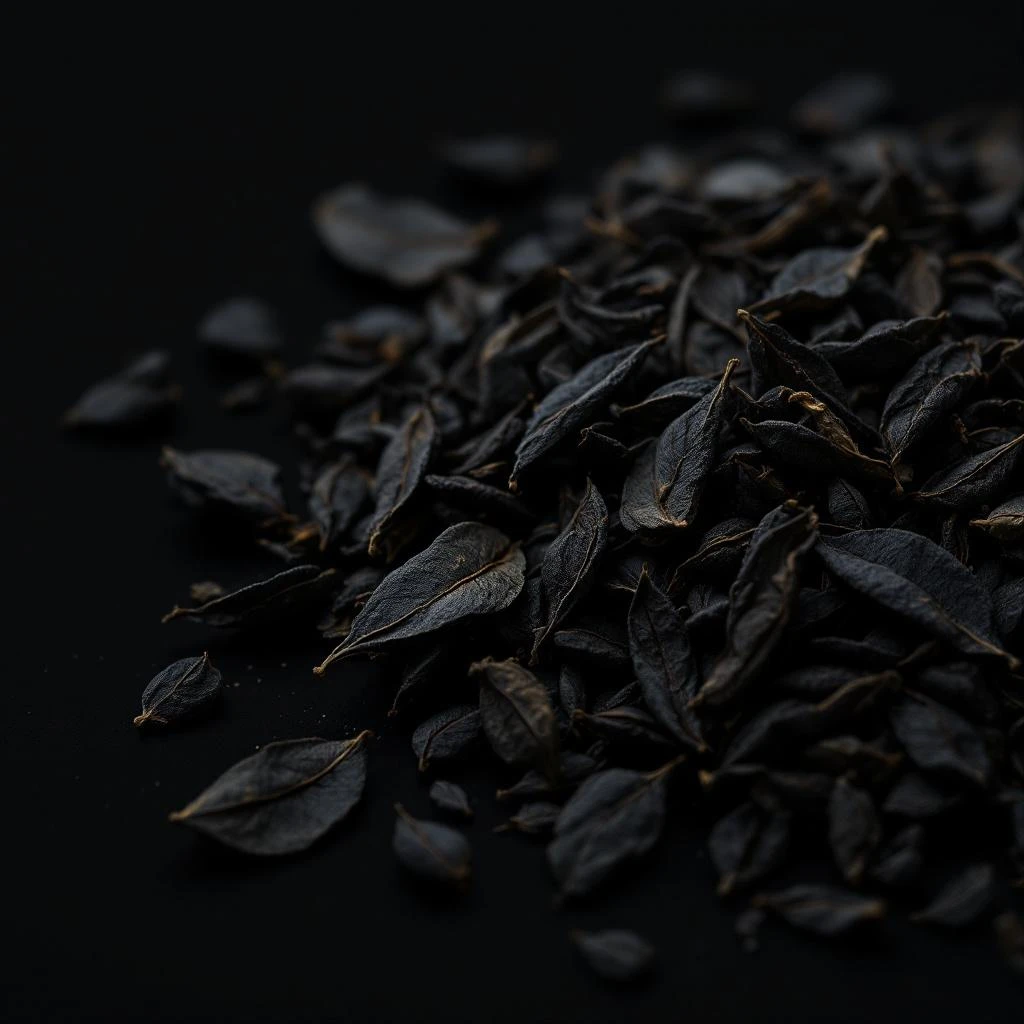
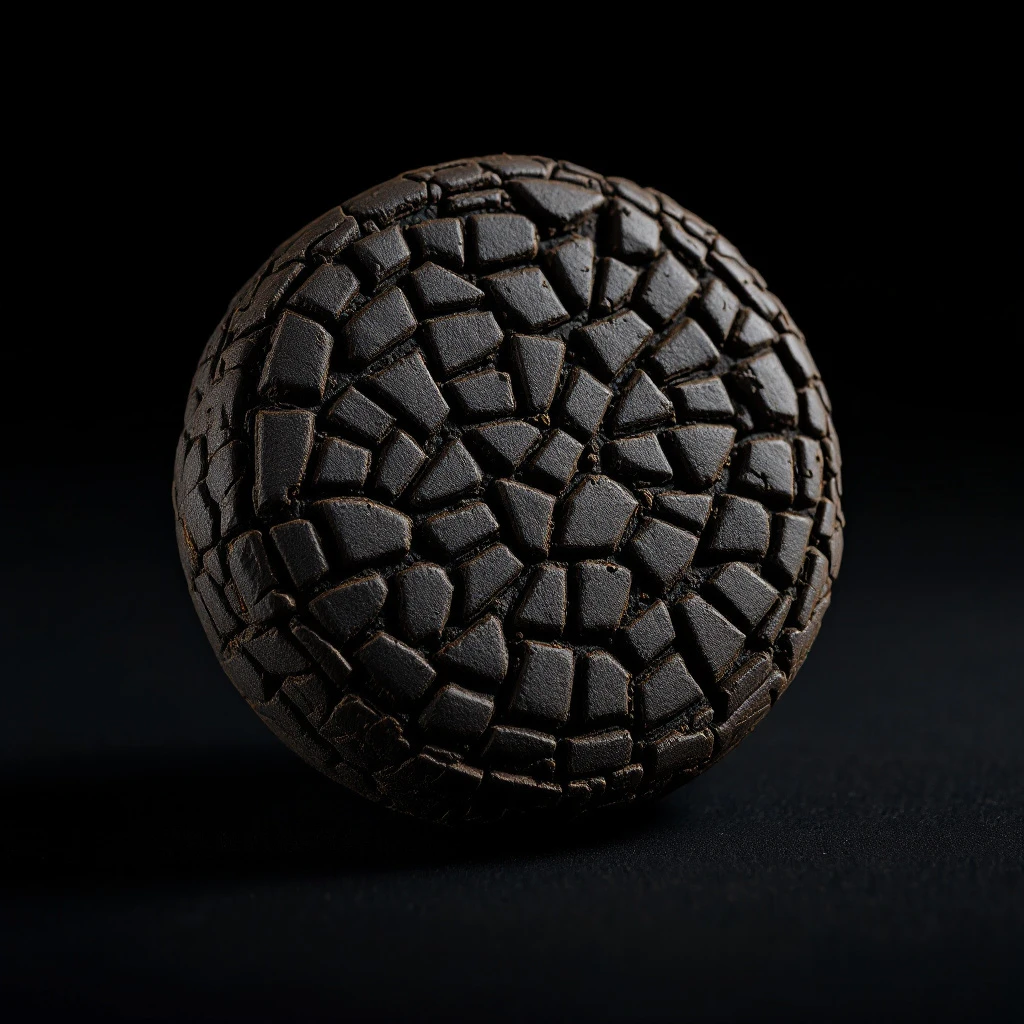
A roasted Japanese green tea with a distinctive nutty, caramel aroma. Lower in caffeine than other teas, it originated in Kyoto as a practical solution to reduce waste. Now it brings warm, umami-rich depth to fine fragrances.
Character
How it smells
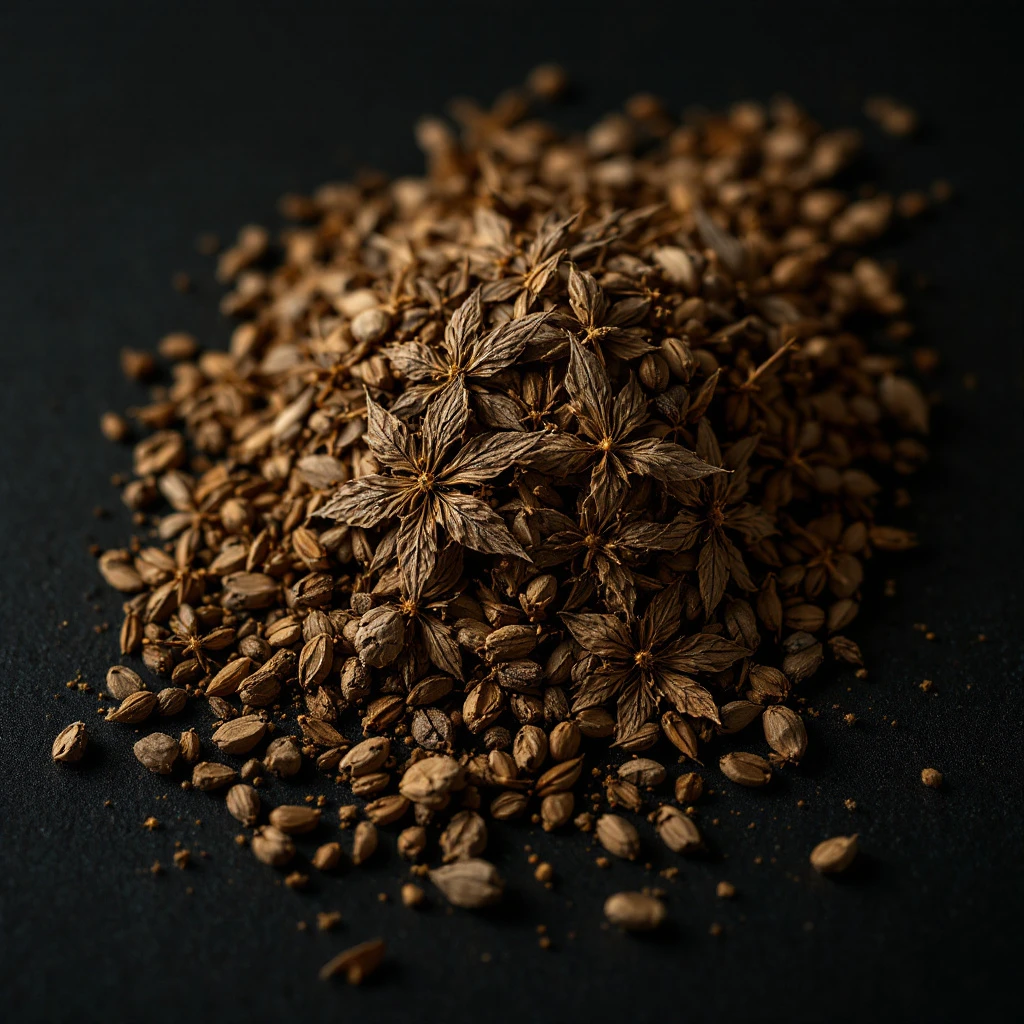
Smoky sweetness from Kyoto's ancient tea tradition
Japanese tea makers originally developed hojicha to use older leaves and stems that would otherwise go to waste, creating an aromatic alternative from what was considered inferior material.





Origin
Japan
Hojicha emerged in sixteenth-century Kyoto when tea merchants sought ways to utilize mature leaves and stems that were less desirable for traditional tea ceremonies. The roasting technique developed as a practical innovation, transforming what would have been waste into a fragrant, accessible beverage. Its warm, approachable character made it popular for evening consumption and among those seeking lower caffeine options.
Japanese perfumers later recognized its aromatic potential, incorporating hojicha notes into contemporary fragrances to capture this cozy, umami-rich essence. The ingredient connects modern perfumery to Japan's long tradition of appreciating fragrance as a meditative practice, much like the art of Kodo, the way of incense.
Wears it best
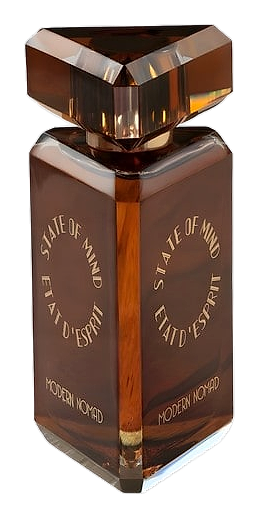
Fragrances featuring Hōjicha
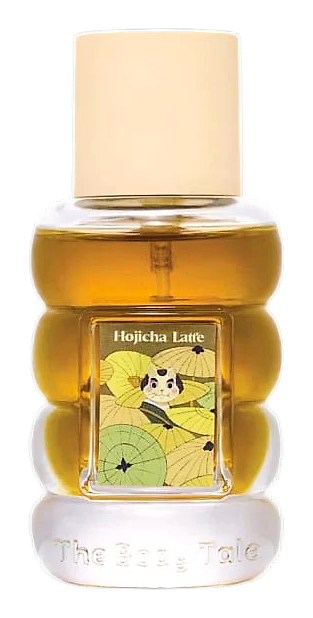
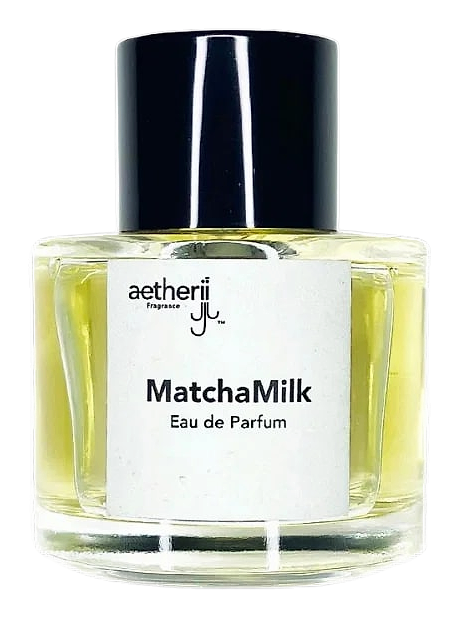
Brands
Brands known for Hōjicha
Good to know
Questions, answered
The essentials on Hōjicha in perfumery: how it smells, where it comes from, and how it behaves on skin.
What does hojicha smell like in perfume?
Hojicha offers a warm, nutty aroma with caramel and smoky undertones. Unlike fresh green tea, it brings roasted depth and a slightly bitter, umami-rich quality that works well in base notes.
Why does hojicha have less caffeine than other teas?
The roasting process degrades caffeine content significantly. Hojicha typically contains about one-quarter the caffeine of sencha, making it suitable for evening wear.
Where does hojicha originate from?
Hojicha originated in Kyoto, Japan, during the sixteenth century. Tea merchants there developed the roasting method to reduce waste from older leaves and stems.
How do perfumers extract hojicha absolute?
Producers roast green tea leaves and stems, then use solvent extraction to capture aromatic compounds. CO2 extraction also yields a purer extract with a more natural profile.
What fragrance families pair well with hojicha?
Hojicha absolute complements woody, gourmand, and oriental fragrance families. It adds warmth to incense-based scents and depth to compositions featuring vanilla, benzoin, or sandalwood.
Is hojicha a common ingredient in perfumery?
Hojicha remains relatively uncommon but appears in niche fragrances focused on Japanese aesthetics. It offers a distinctive alternative to more popular tea notes like matcha or sencha.
What parts of the tea plant does hojicha use?
Hojicha primarily uses older leaves and stems, the parts considered lower quality for traditional tea. This practical use of material that would otherwise go to waste defined the ingredient's origin.
Does hojicha connect to Japanese fragrance traditions?
Yes. Hojicha links modern perfumery to Japan's tradition of appreciating fragrance as a meditative practice, echoing the principles of Kodo, the classical art of incense burning.