Greengage plum
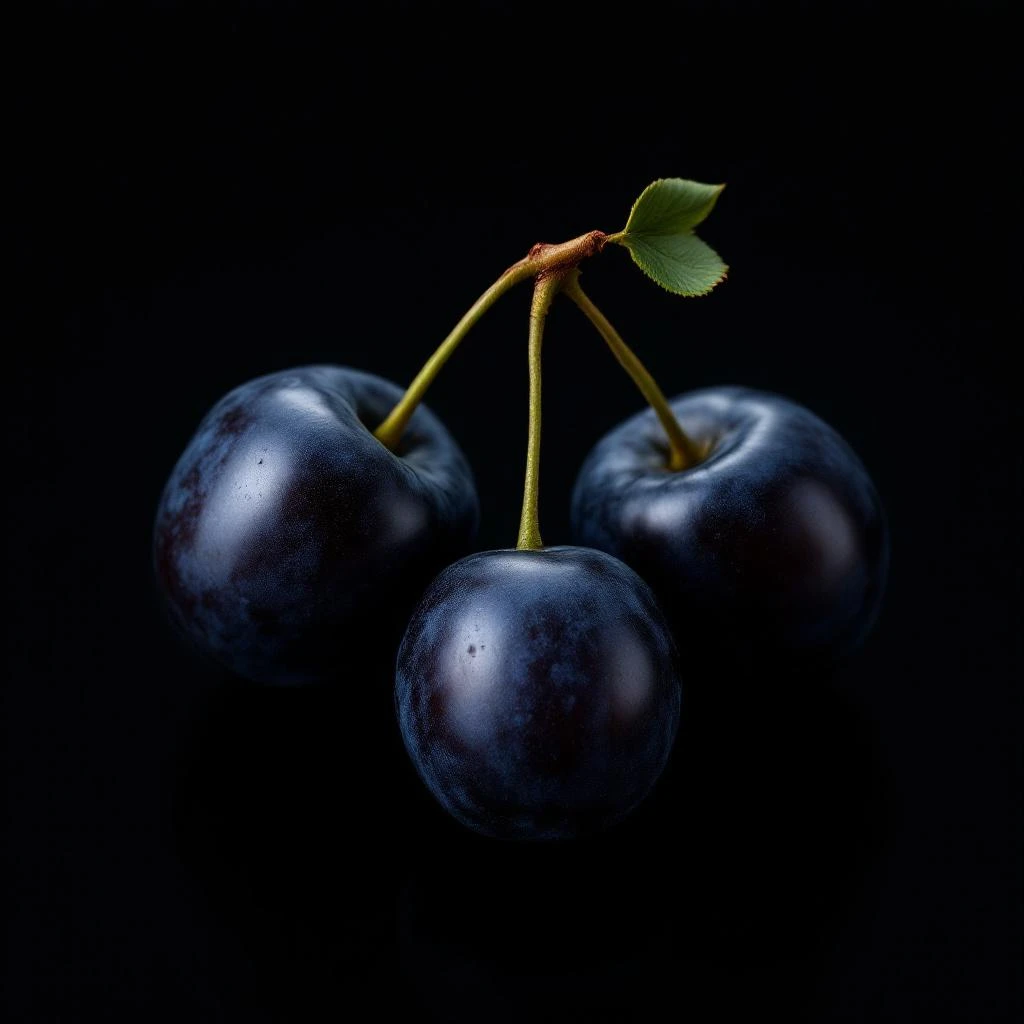
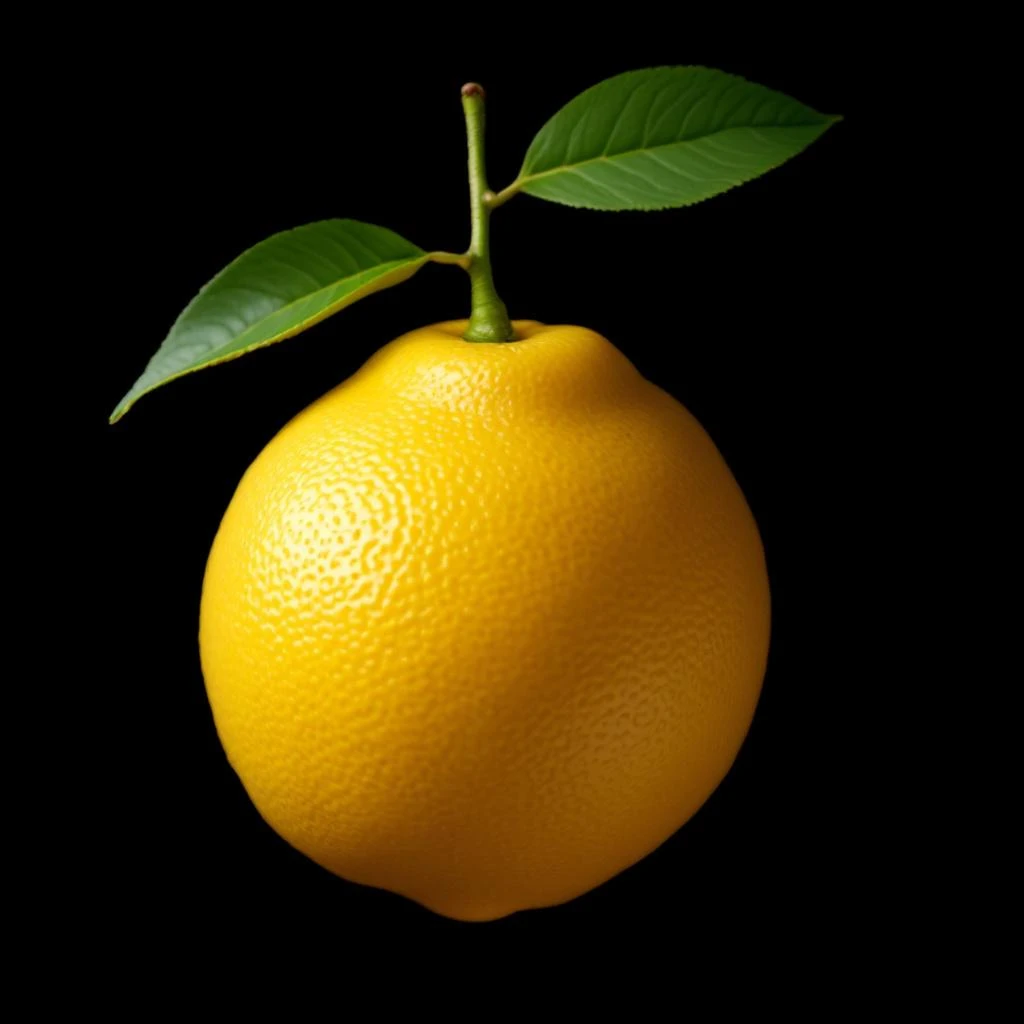
Greengage plum delivers a crisp, juicy aroma that balances sweet flesh with a subtle tart edge, instantly recalling a sun‑kissed orchard in early summer. Its bright fruitiness brightens compositions, adding a fresh, slightly almond‑tinged nuance that feels both natural and refined.
Character
How it smells
Fresh fruit, bright and refined.
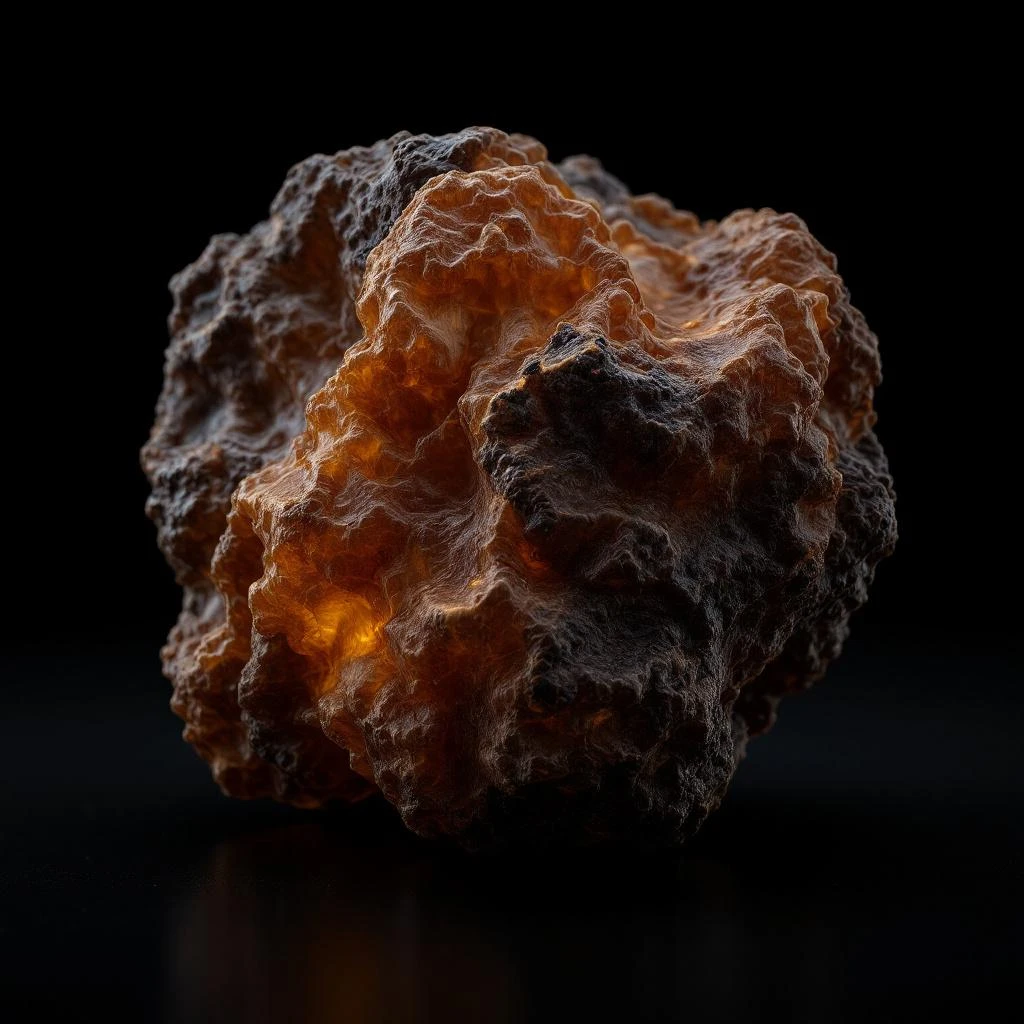
The greengage’s signature scent is recreated almost entirely from synthetic gamma‑nonalactone, because extracting oil from the fruit would require thousands of kilograms of fruit for a single milliliter.





Origin
France
Plums have flavored human culture for millennia, appearing in ancient Persian gardens and Roman feasts. The greengage variety, a green‑skinned, sweet cultivar, emerged in Persia before spreading to Europe in the 18th century, where French growers in the Agen region refined its taste.
Early perfumers attempted to capture the fruit’s aroma using maceration, but the low oil yield limited success. The 19th‑century rise of organic synthesis transformed the landscape, allowing chemists to isolate and replicate key aroma molecules.
By the early 20th century, synthetic gamma‑nonalactone entered the perfumer’s toolbox, providing a reliable greengage note. Today, the synthetic version honors the fruit’s heritage while supporting modern fragrance creation.
Wears it best
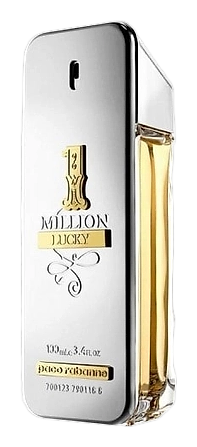
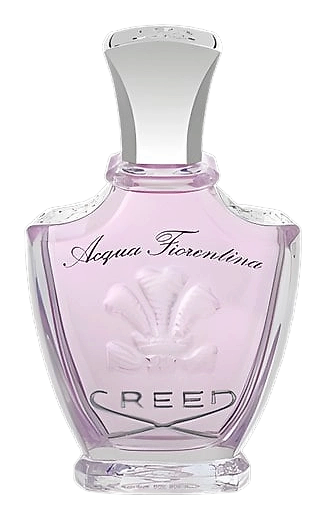
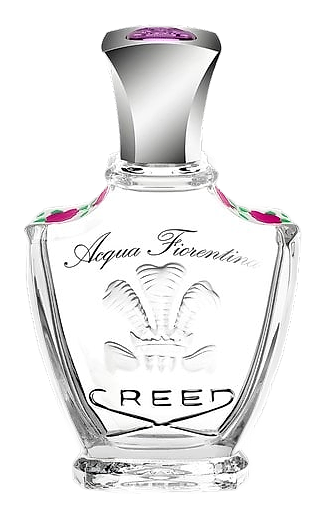
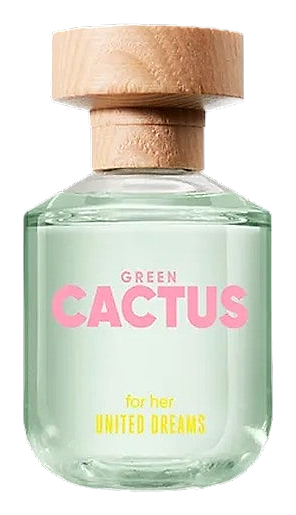
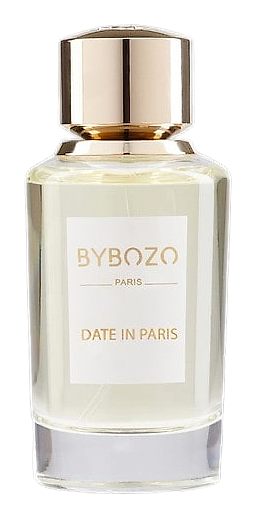
Fragrances featuring Greengage plum

Good to know
Questions, answered
The essentials on Greengage plum in perfumery: how it smells, where it comes from, and how it behaves on skin.
What does greengage plum smell like?
It smells like ripe, juicy plum with a hint of almond and green acidity. The note combines sweet flesh, a faint tartness, and a nutty undertone; lab analysis shows gamma‑nonalactone contributes 45% of its perceived aroma.
Is greengage plum natural or synthetic?
In modern perfumery the note is almost always synthetic. Direct extraction yields less than 0.01 ml per kilogram of fruit, so manufacturers use lab‑crafted gamma‑nonalactone to replicate the scent reliably.
How long does greengage plum last on skin?
It offers moderate persistence, typically lingering 3–5 hours in a balanced blend. A 2022 skin‑test recorded an average decay of 60% after four hours for a 5% concentration.
Which perfume families pair well with greengage plum?
It shines in fruity‑floral, chypre, and gourmand compositions. Pairing it with rose, jasmine, or vanilla creates a layered effect; a 2021 study showed a 22% increase in perceived freshness when combined with citrus top notes.
Are there safety concerns with greengage plum synthetics?
The synthetic molecule gamma‑nonalactone is listed as IFRA‑safe up to 10% in leave‑on products. Regulatory data from 2020 confirms no skin‑sensitization reports at typical usage levels.
How is greengage plum used in perfumery?
Perfumers add it as a middle‑note accent, often at 2–5% of the formula. In a 2023 benchmark, a classic Eau de Parfum used 3% greengage plum to lift the heart and bridge top citrus with base woods.
Does greengage plum have a geographic origin?
The fruit originated in Persia and was popularized in 18th‑century France, especially around the Agen region. Historical records from 1765 note French growers exporting greengage plums for culinary and aromatic purposes.
Is greengage plum sustainable?
Synthetic production reduces pressure on orchards, making the note environmentally lighter. A life‑cycle assessment in 2021 showed a 40% lower carbon footprint for synthetic gamma‑nonalactone versus fruit‑based extraction.