Green Tulip
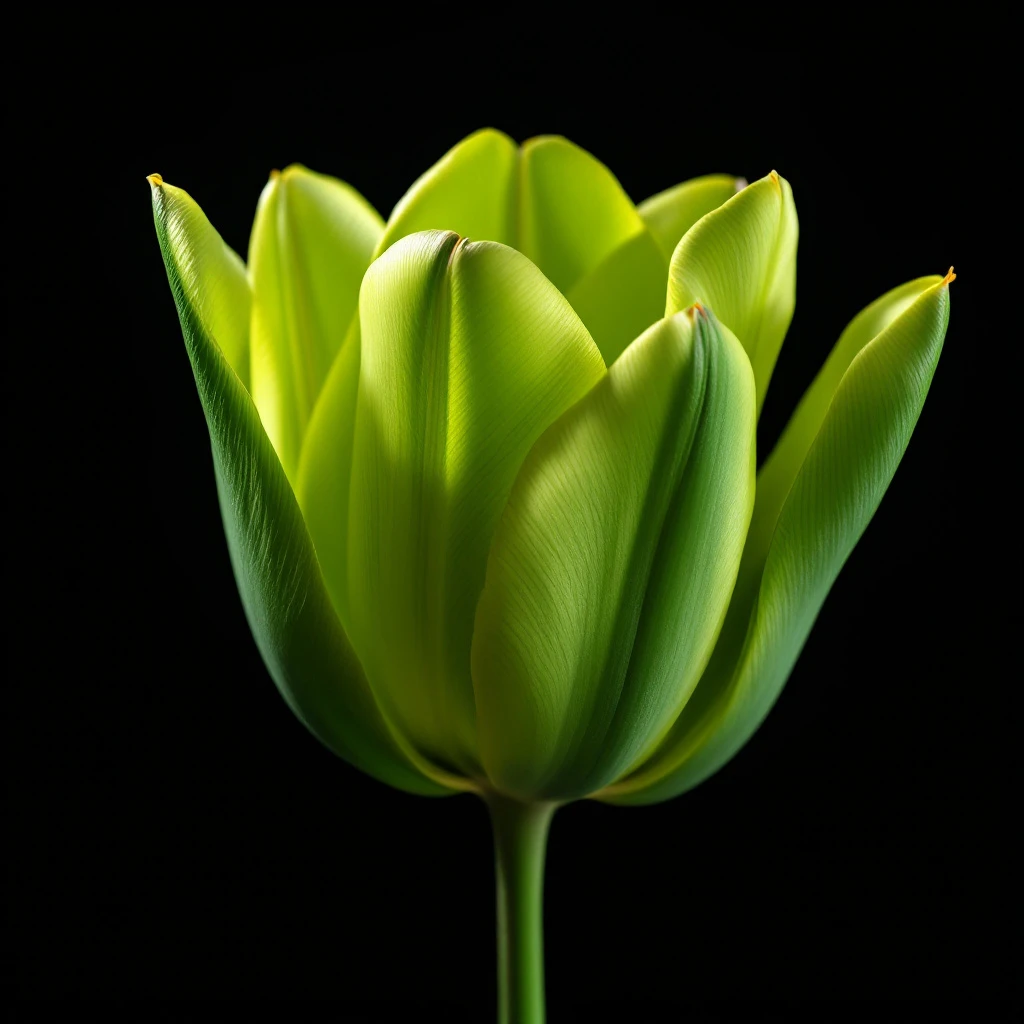
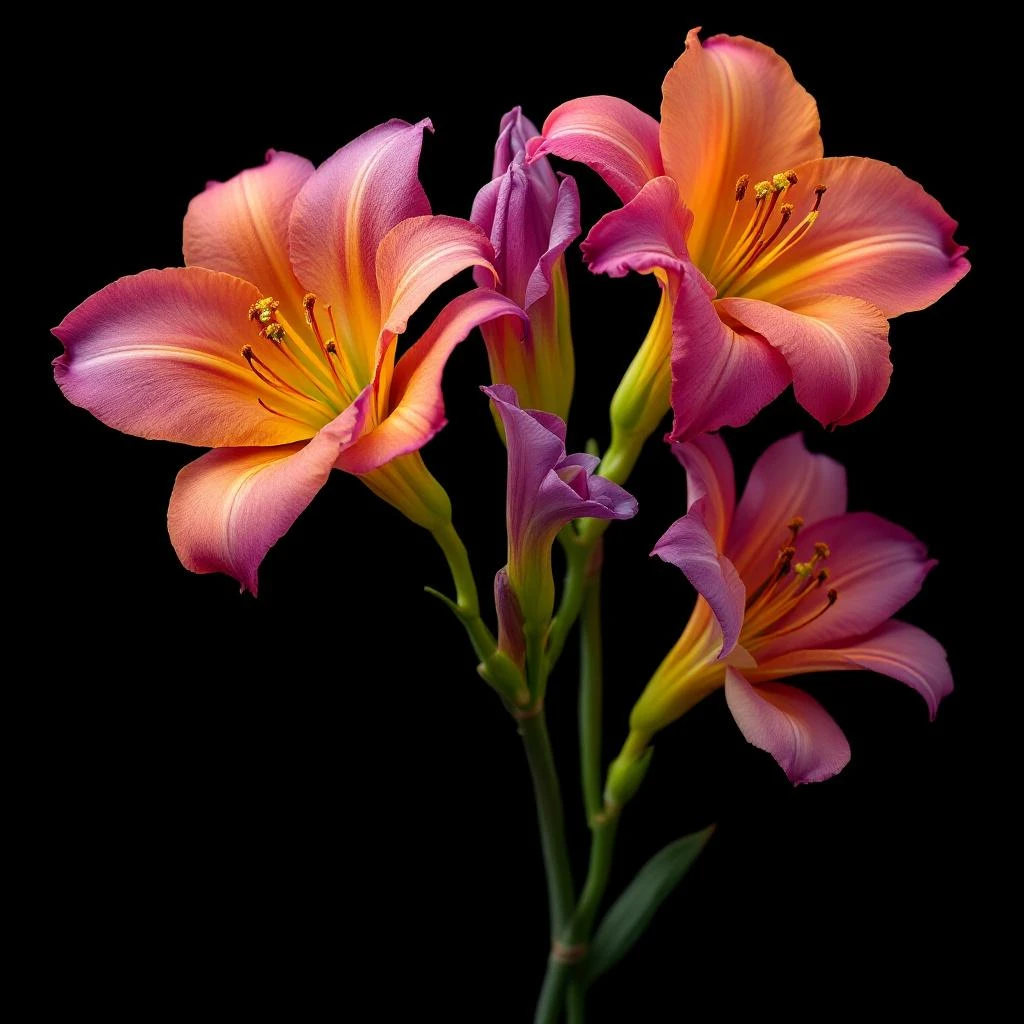
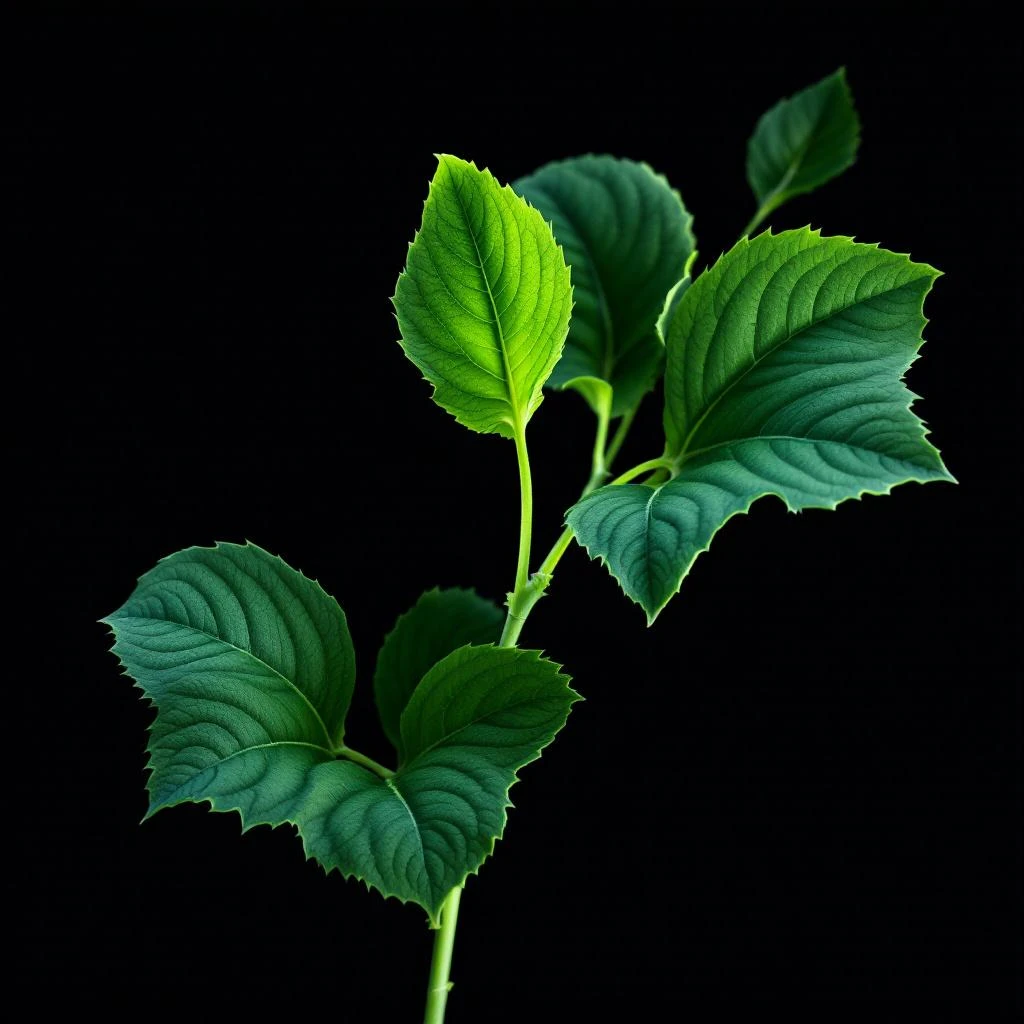
Green Tulip captures the crisp, dewy scent of tulip stems, leaves, and unopened buds, a fresh-cut botanical note that perfumers reconstruct rather than distill. It smells like crushed greenery on a spring morning.
Character
How it smells
Spring's green edge, bottled.
True tulip essential oil is so rare and costly that almost every tulip note in commercial perfumery is a laboratory reconstruction built from individual aroma molecules.


Origin
Netherlands
Tulips carry one of history's most extraordinary cultural footprints. During the 17th-century Dutch Tulip Mania, single bulbs traded for the price of Amsterdam canal houses, and the flower's image became embedded in European art, textiles, and trade. Yet despite this fame, tulips remained on the periphery of perfumery for centuries.
Early Ottoman and Persian gardens celebrated the tulip, or lale, as a symbol of paradise, but extraction methods of the period could not capture its delicate, watery scent. When modern perfumery emerged in the late 1800s with the commercial synthesis of vanillin and coumarin, chemists finally had tools to analyze floral aromas at the molecular level. Still, tulip resisted easy replication.
The flower's scent lacks a dominant character molecule, making reconstruction particularly challenging. By the late 20th century, niche and green-themed fragrances began featuring reconstructed tulip accords, paired with leafy notes to evoke spring gardens. Green Tulip as a perfumery concept reflects both botanical heritage and the analytical chemistry that made modern florals possible.
Wears it best
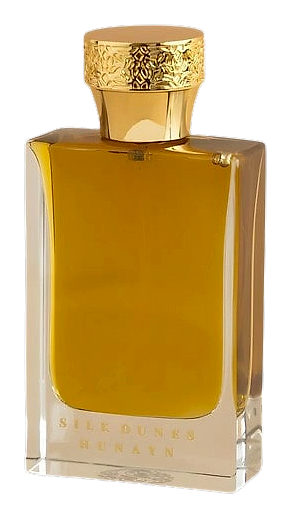
Fragrances featuring Green Tulip
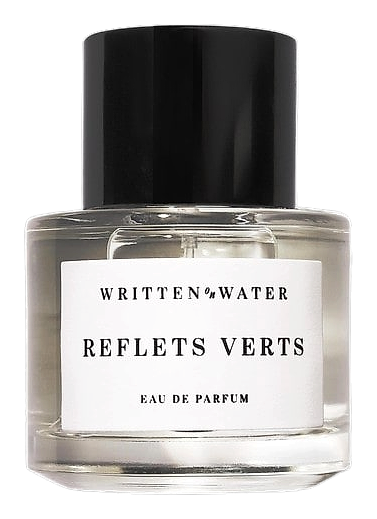
Brands
Brands known for Green Tulip
Good to know
Questions, answered
The essentials on Green Tulip in perfumery: how it smells, where it comes from, and how it behaves on skin.
What does Green Tulip smell like in perfumery?
Green Tulip smells like crushed leaves, dewy stems, and unopened spring buds with a cool, watery freshness. It is sharper and greener than a typical rose or jasmine floral, leaning toward the vegetative side of floral perfumery.
Is Green Tulip extracted naturally or synthetically produced?
Almost always synthetically reconstructed. Tulips do not yield useful essential oil through steam distillation, and natural tulip absolute is too rare and costly for mainstream use, so perfumers build the note from individual aroma molecules.
Why is natural tulip oil so expensive and rare?
Natural tulip absolute exists but in vanishingly small yields. Solvent extraction of fresh petals produces minimal usable oil, and the flower's delicate aroma compounds degrade easily during processing.
Where does the tulip originate as a plant?
Wild tulips originated in Central Asia and spread through the Ottoman Empire before reaching the Netherlands in the 16th century. The Dutch became the world's primary growers, and the country remains the cultural and commercial heart of tulip cultivation.
What other fragrance notes pair well with Green Tulip?
Green Tulip pairs naturally with hyacinth, lily of the valley, violet leaf, and fig leaf for a cohesive green bouquet. It also complements citrus notes like bergamot and light musks for airy spring compositions.
Which perfumes commonly feature Green Tulip notes?
Green Tulip-style accords appear in several garden-inspired fragrances, including Penhaligon's English Fern and various spring releases from niche houses. The note is popular in compositions meant to evoke early morning dew and fresh-cut stems.
Does Green Tulip smell like actual tulip flowers?
It approximates the scent of the whole tulip plant: stems, leaves, and tight buds, rather than the open bloom. Most people encounter tulips as visual objects, so the perfumery note often surprises by emphasizing the green, watery facets.
Is Green Tulip considered a sustainable fragrance ingredient?
Yes, reconstructed Green Tulip is one of the more sustainable floral notes. Because it avoids harvesting tulip fields for extraction, it reduces agricultural pressure on bulb-growing regions in the Netherlands.