Green Sage
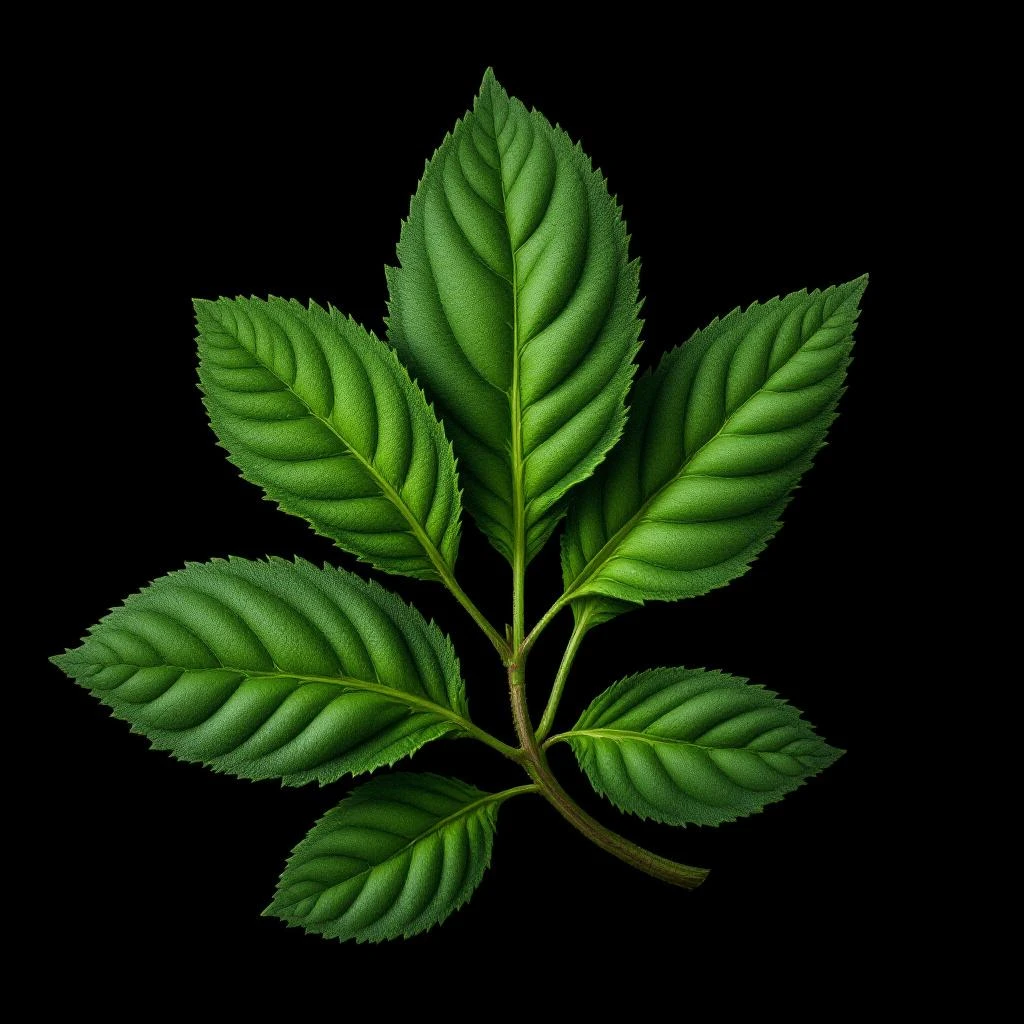
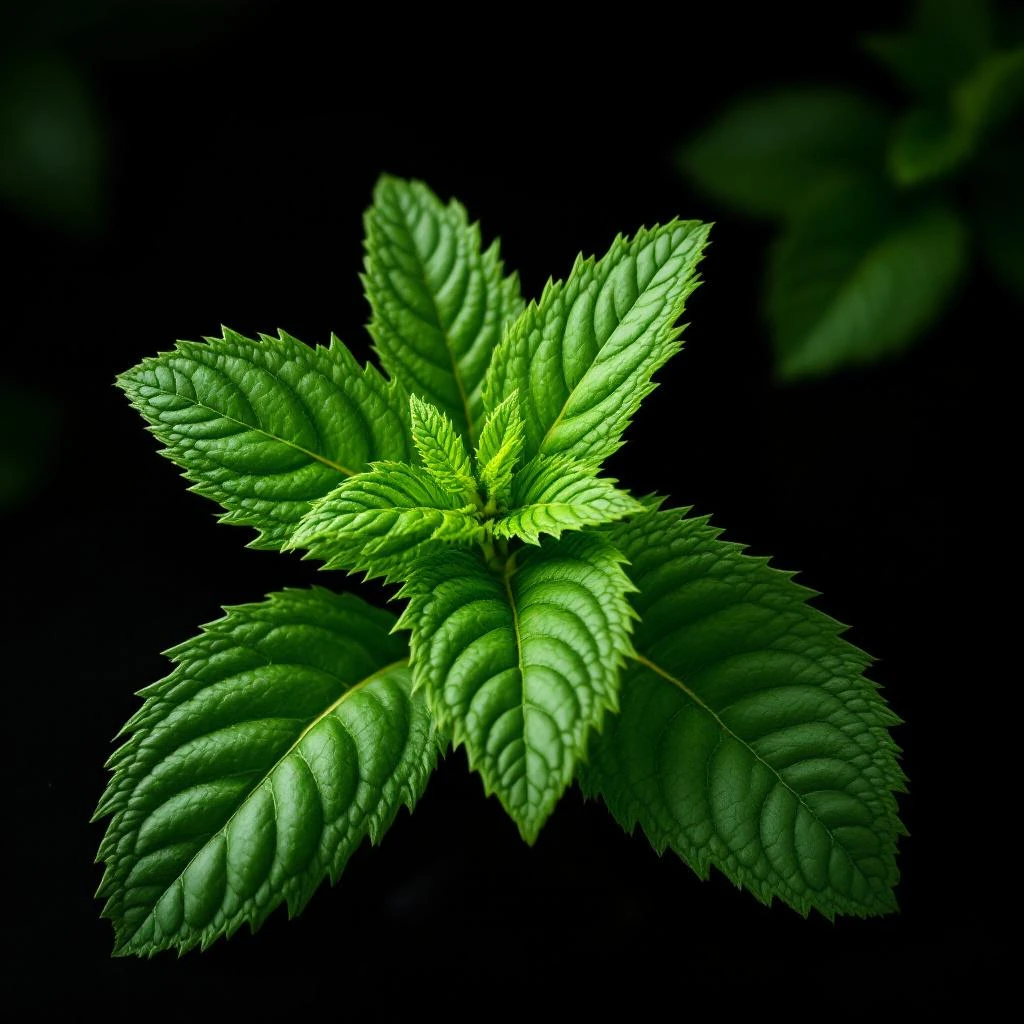
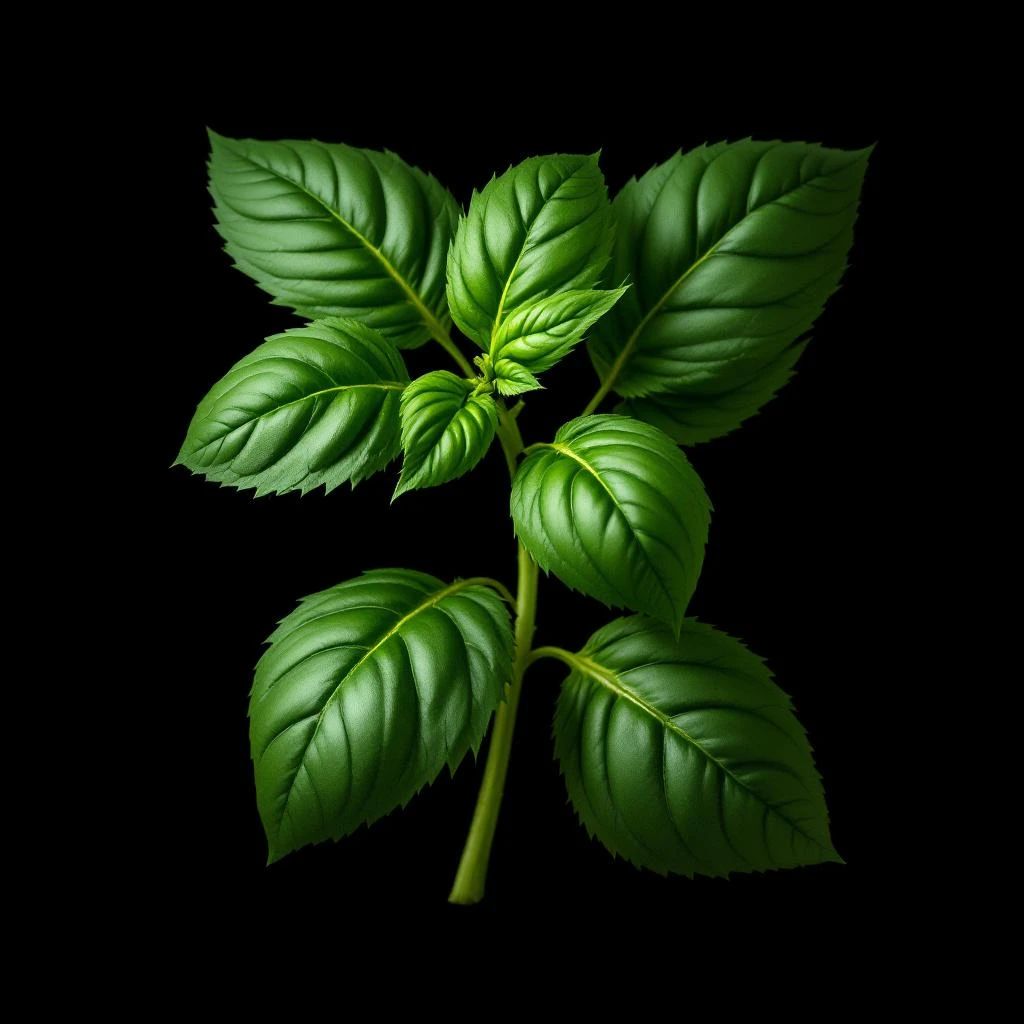
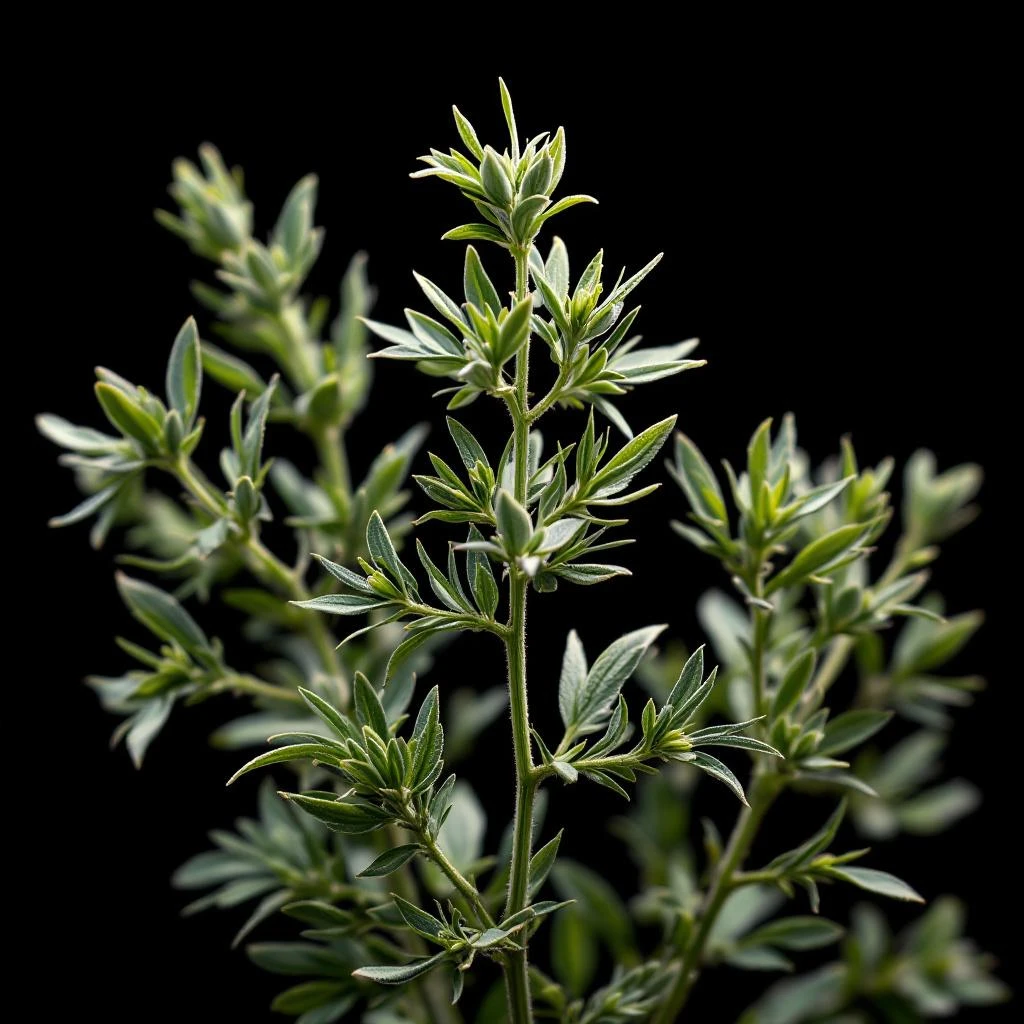
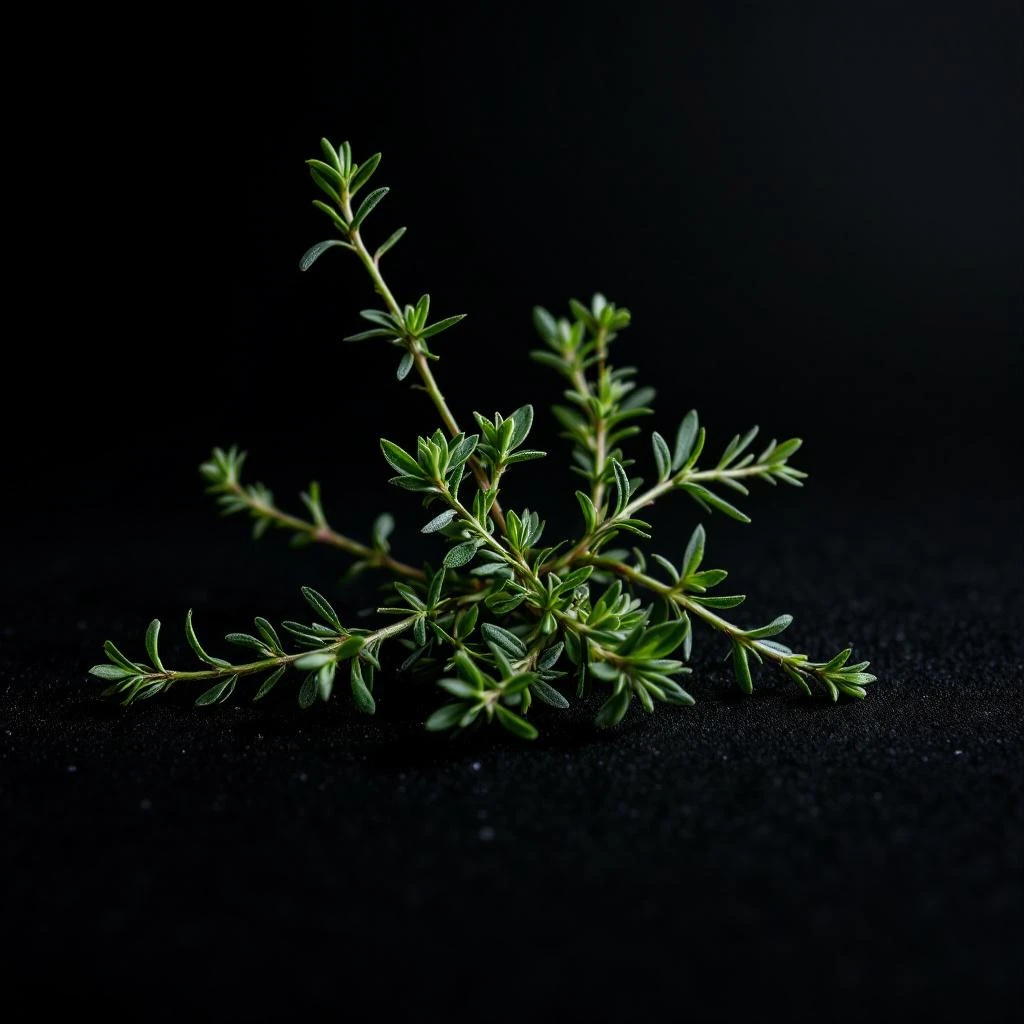
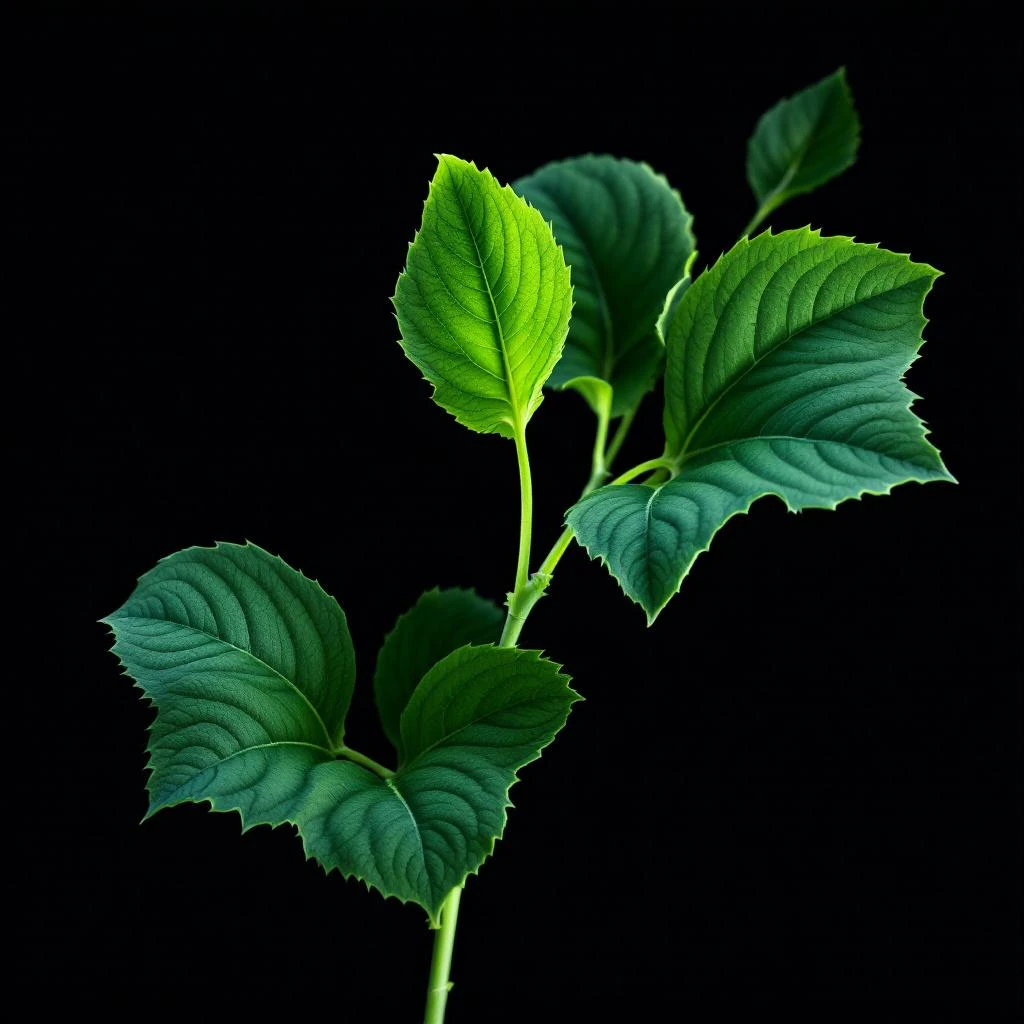
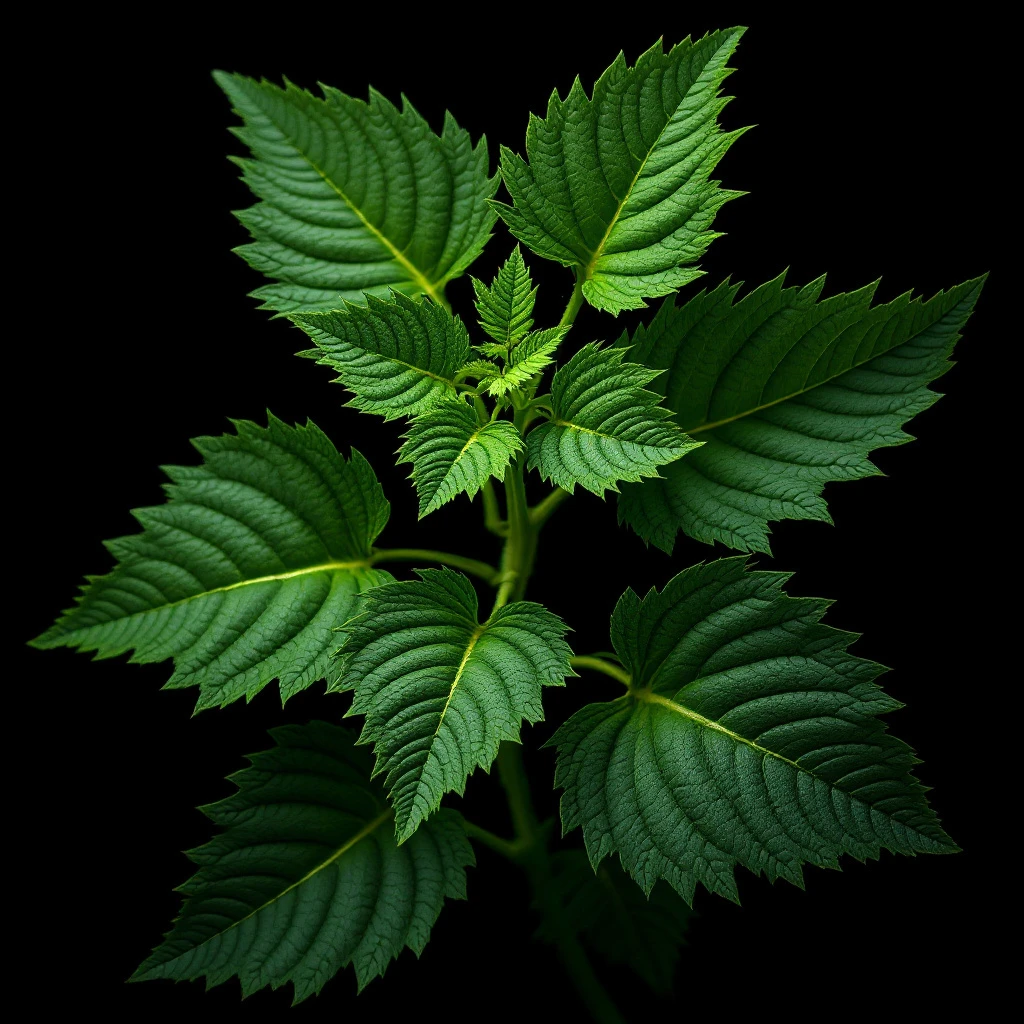
Green sage brings an herbaceous, slightly camphorated freshness to fragrances, evoking sun-warmed Mediterranean hillsides and the clean clarity of mountain air. Its crisp, aromatic character grounds compositions with an organic vitality.
Character
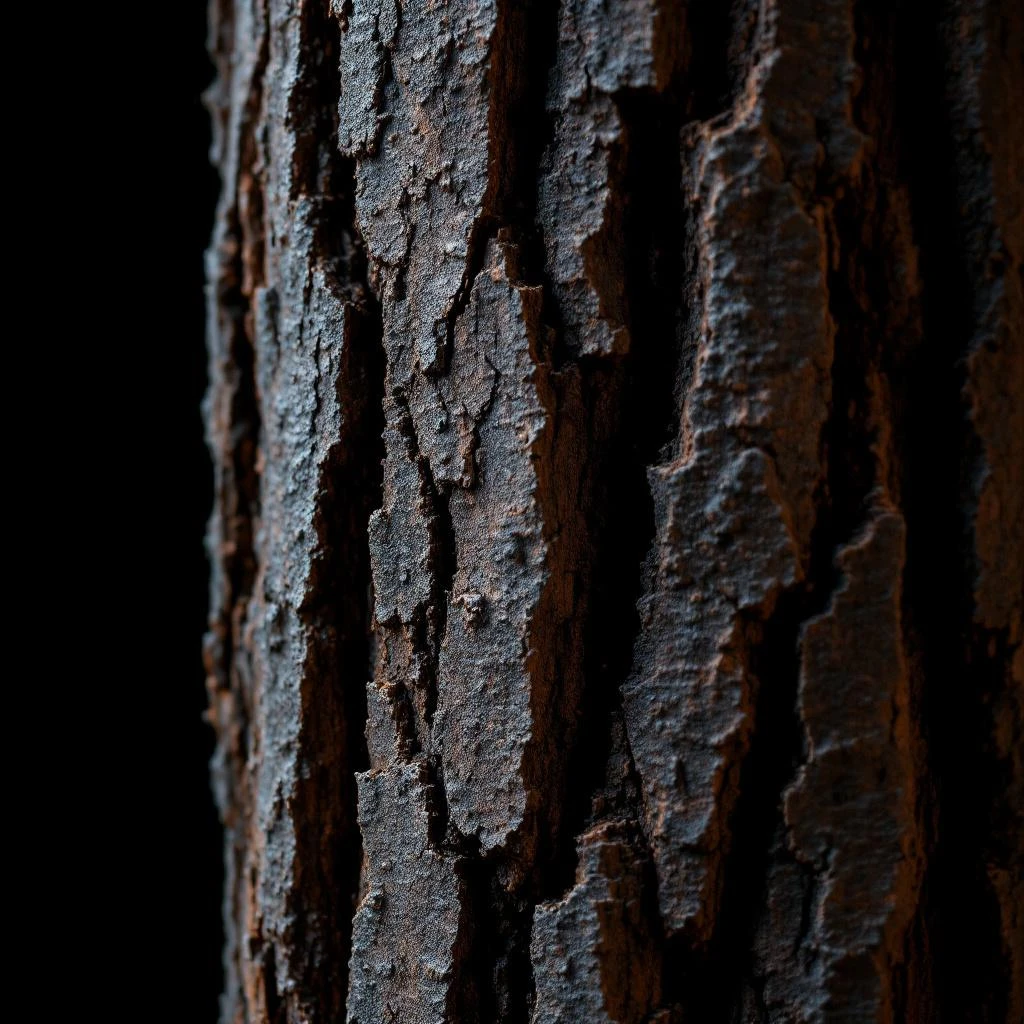
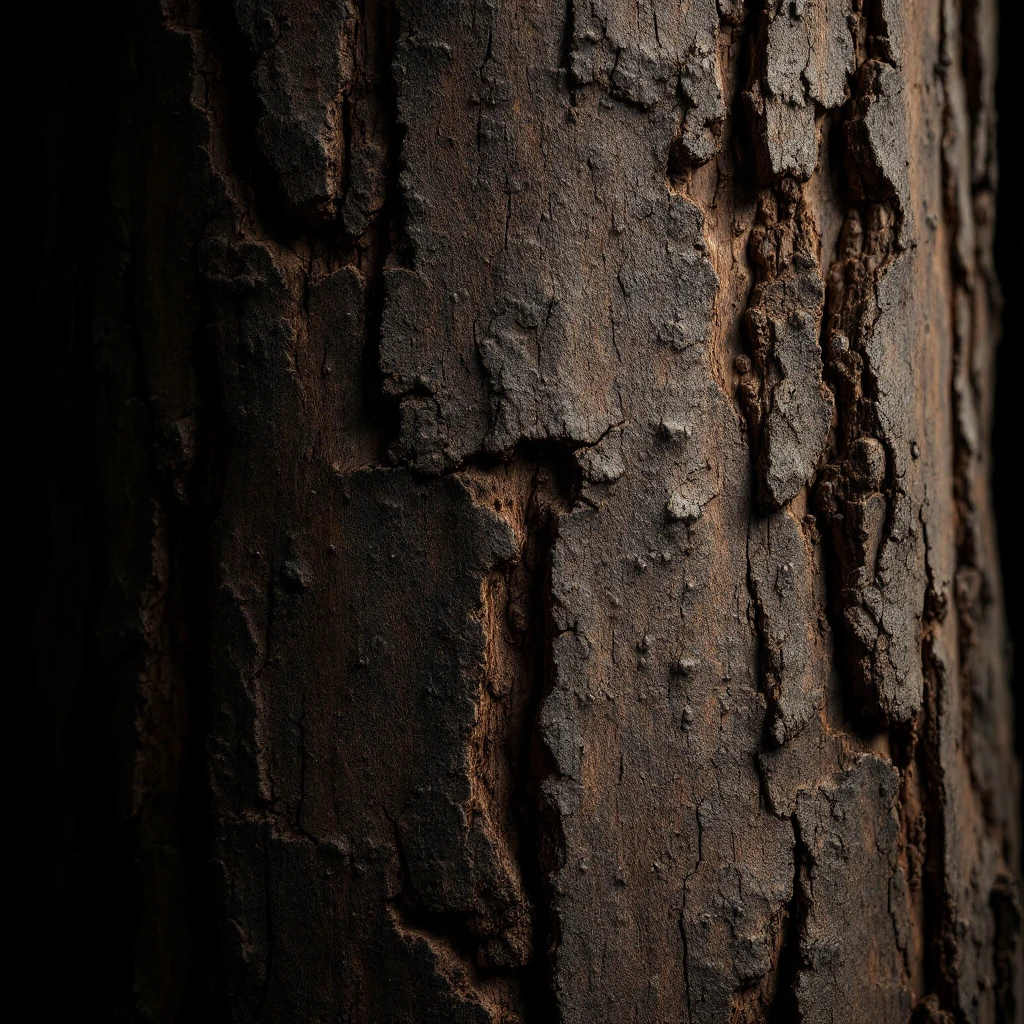
How it smells
The mountain herb that anchors aromatic and fougère fragrances.
Ambroxan, one of perfumery's most coveted base notes, is synthesized from a molecule found in Clary sage, making this humble herb indirectly responsible for some of modern perfumery's most beloved scents.


Origin
Albania
Sage carries its name from the Latin 'salvare,' meaning to save or heal, reflecting a reverence that spans millennia. Ancient Egyptians used it medicinally, while Greek physicians like Dioscorides prescribed it for everything from snakebites to throat infections. Roman texts name sage as a sacred herb, dedicating it to Jupiter and harvesting it with ceremonial protocol.
During the medieval period, European monasteries cultivated sage extensively in medicinal gardens, and it became a staple in apothecary traditions across the continent. Its transition into perfumery began in 19th-century France, when aromatic and fougère fragrance families sought herbal complexity beyond lavender. The Mediterranean basin, where sage grows wild on sun-exposed limestone slopes, remains its spiritual and geographic origin.
Today, Clary sage, a related species prized for its sweeter profile, provides both aromatic oil and sclareol, the precursor to synthetic ambroxan, ensuring sage's continued relevance in contemporary perfumery.
Wears it best
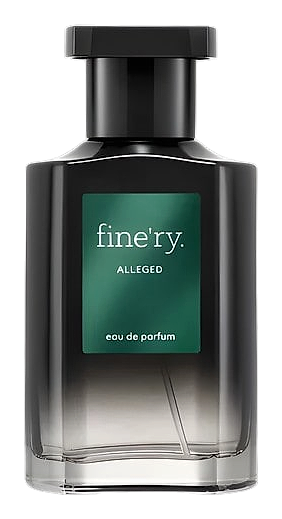
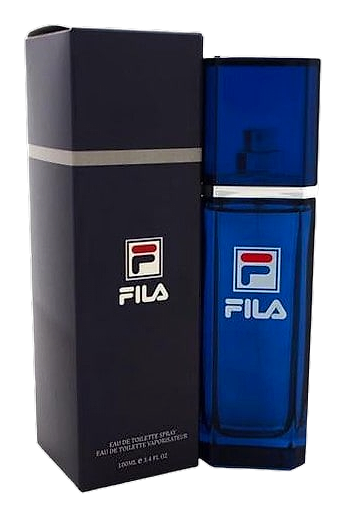
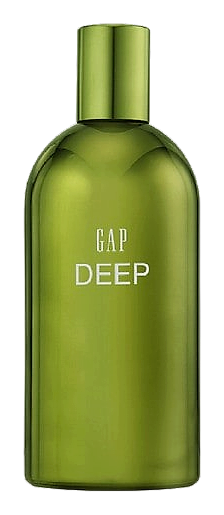
Fragrances featuring Green Sage
Good to know
Questions, answered
The essentials on Green Sage in perfumery: how it smells, where it comes from, and how it behaves on skin.
What role does green sage play in fragrance compositions?
Green sage functions as a bridging top-to-heart note that provides fresh, herbal lift to compositions. It creates natural, outdoorsy character in aromatic and fougère fragrances. Sage pairs particularly well with lavender, rosemary, and oakmoss, adding crispness without overpowering floral or citrus elements.
What fragrance families use green sage most prominently?
Aromatic fragrances rely heavily on sage for their herbaceous signature. Fougère and chypre compositions use it as a supporting element that grounds sweeter or more citrusy components. Some men's colognes and unisex fragrances feature sage as a starring note in the heart.
How does green sage differ from Clary sage in perfumery?
Green sage contains higher levels of thujone and camphor, giving it a sharper, more medicinal quality. Clary sage offers a sweeter, more floral-herbal scent with lower thujone content. Most perfumers prefer Clary sage for fine fragrance due to its smoother profile, while green sage appears more often in functional and aromatic compositions.
What extraction method produces green sage oil?
Steam distillation is the standard method, requiring four to six hours per batch. Fresh or dried plant material withstands the heat without degrading the sensitive aromatic molecules. Supercritical CO2 extraction produces a more complete extract but remains uncommon commercially.
What cultures first used sage for fragrance purposes?
Mediterranean civilizations used sage in ceremonial burning and medicinal preparations for thousands of years before dedicated perfumery existed. The Romans considered it sacred and used it in ritual practices. Monasteries across medieval Europe then carried this knowledge into formal apothecary traditions that eventually influenced perfumery.
What does green sage smell like?
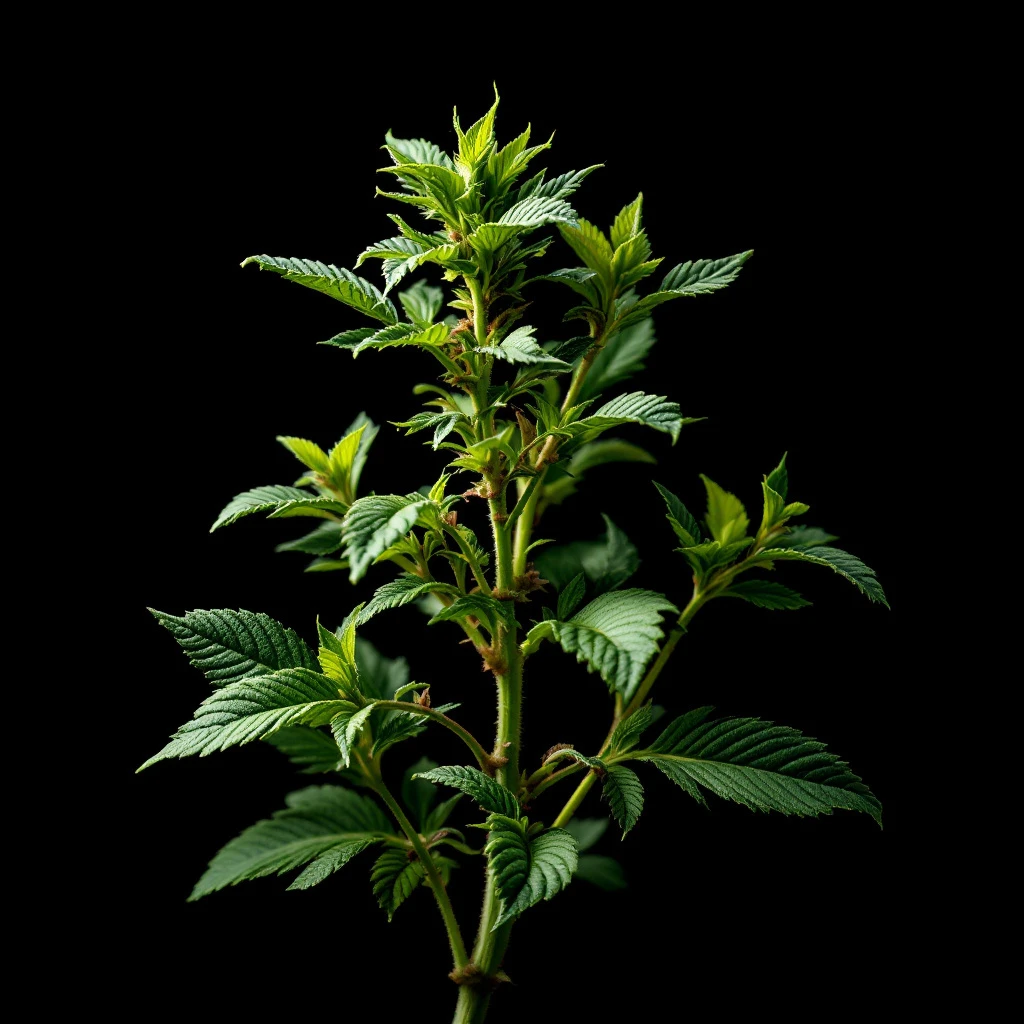
Green sage delivers a clean, herbaceous aroma with camphorated undertones and subtle earthiness. The scent evokes dried herbs, slightly bitter freshness, and Mediterranean landscapes. It reads as natural and invigorating rather than sweet or floral.
Is natural green sage better than synthetic alternatives?
Natural steam-distilled sage oil contains a complex mixture of over 60 identified compounds that work synergistically. Synthetic thujone or isolated camphor can approximate specific facets but lack the full aromatic spectrum. Most perfumers value natural sage for its complexity, though synthetic aromachemicals provide consistency.
How should green sage be stored in a perfume formulation?
Store green sage oil in airtight, dark glass containers away from heat and light. The oil oxidizes over time, degrading both scent quality and fragrance performance. Refrigeration extends shelf life to two years or more. Add antioxidant fixatives during formulation to stabilize the material in finished perfumes.