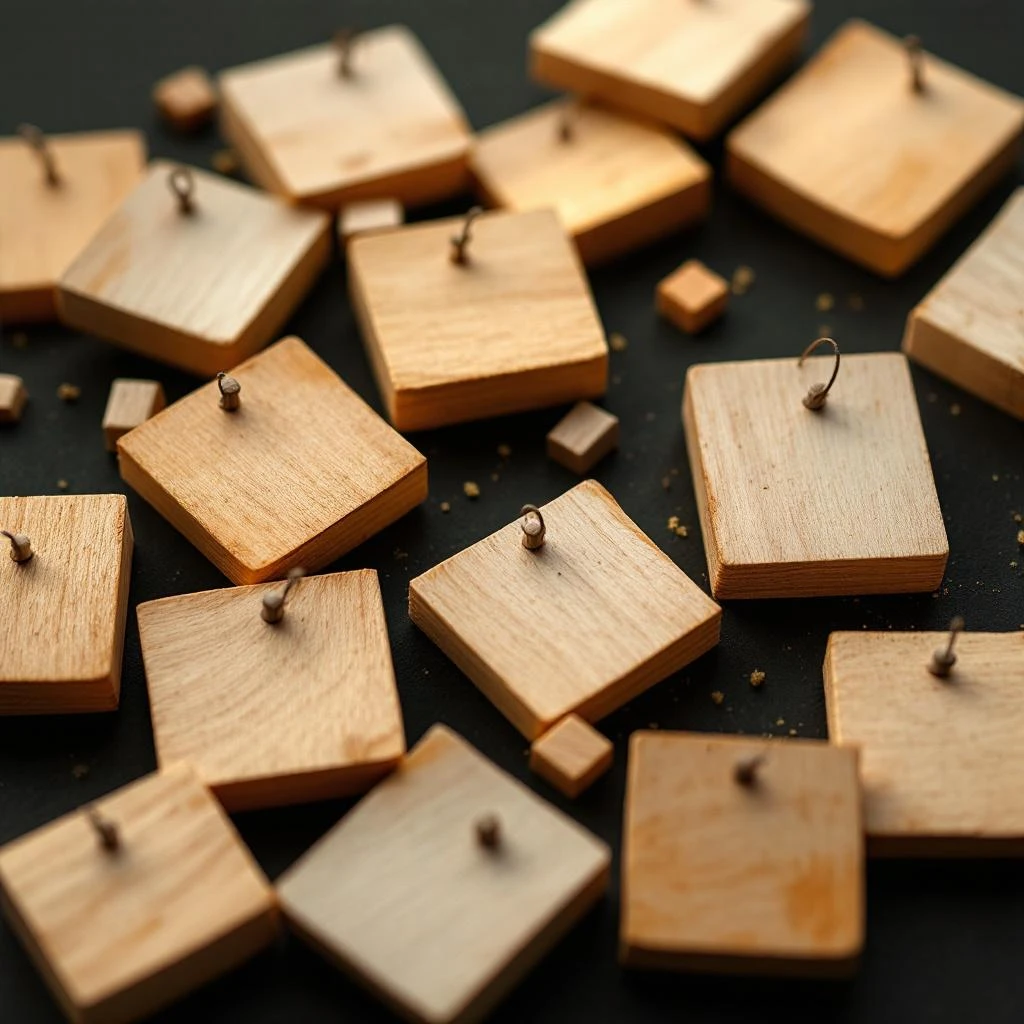
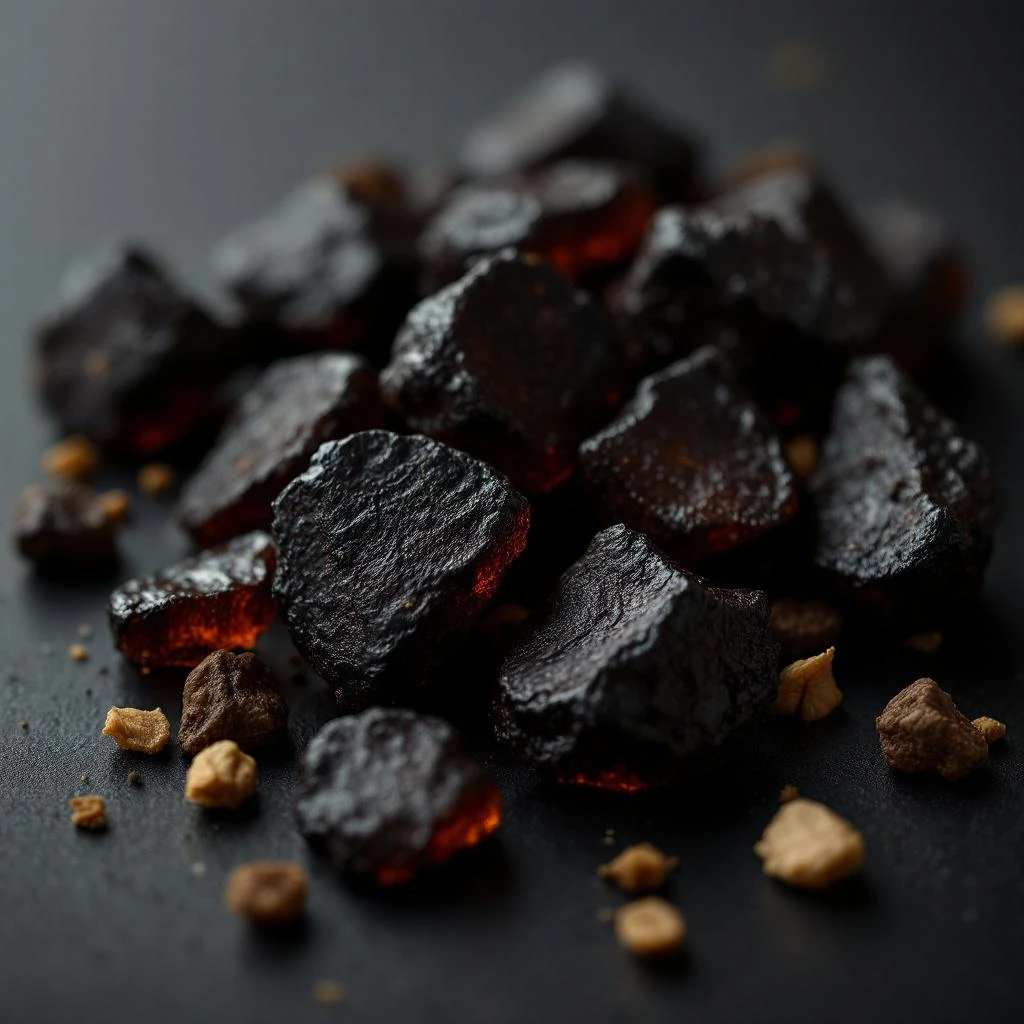
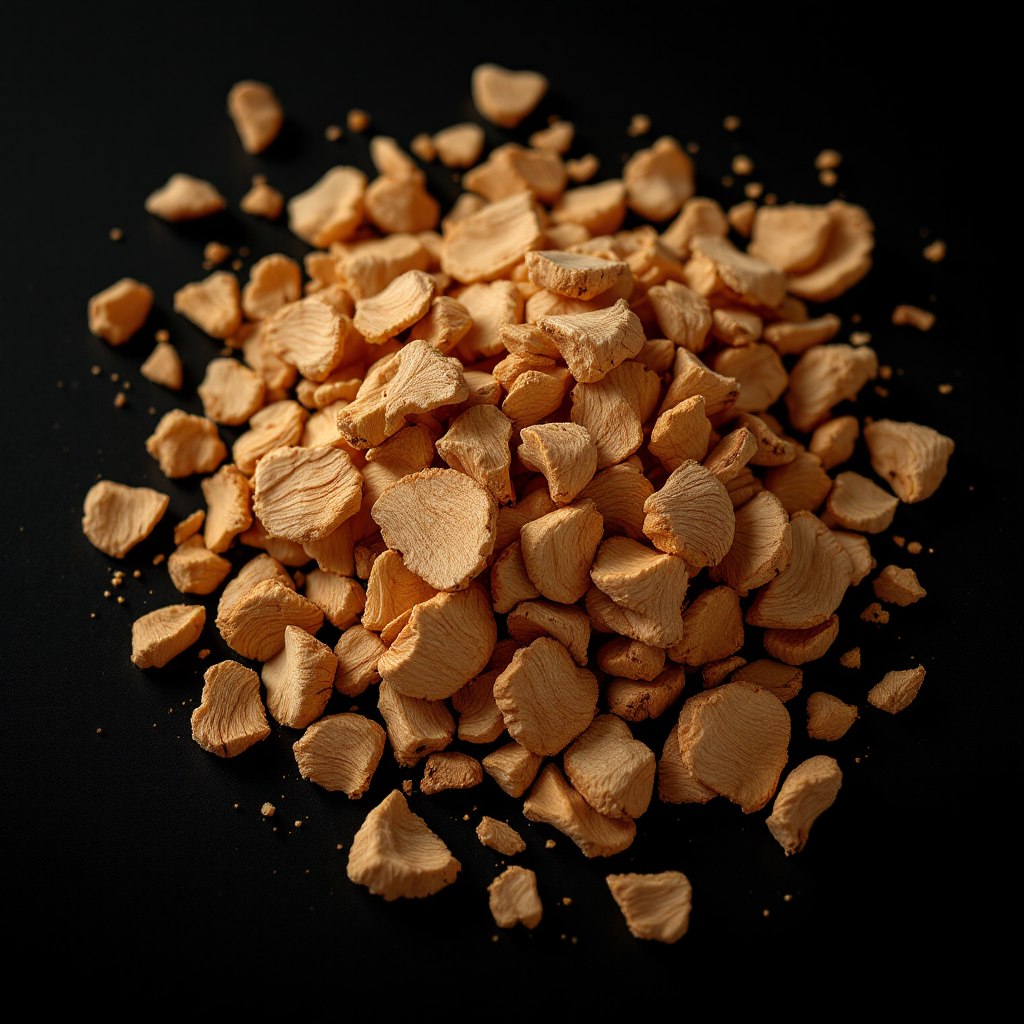
Eucalyptus Bark
Eucalyptus delivers a sharp, clean, minty freshness that energizes fragrance openings. Native to Australia, this fast-growing evergreen has powered the global aromatics industry since 1852, when a Melbourne pharmacist first commercialized its potent essential oil.
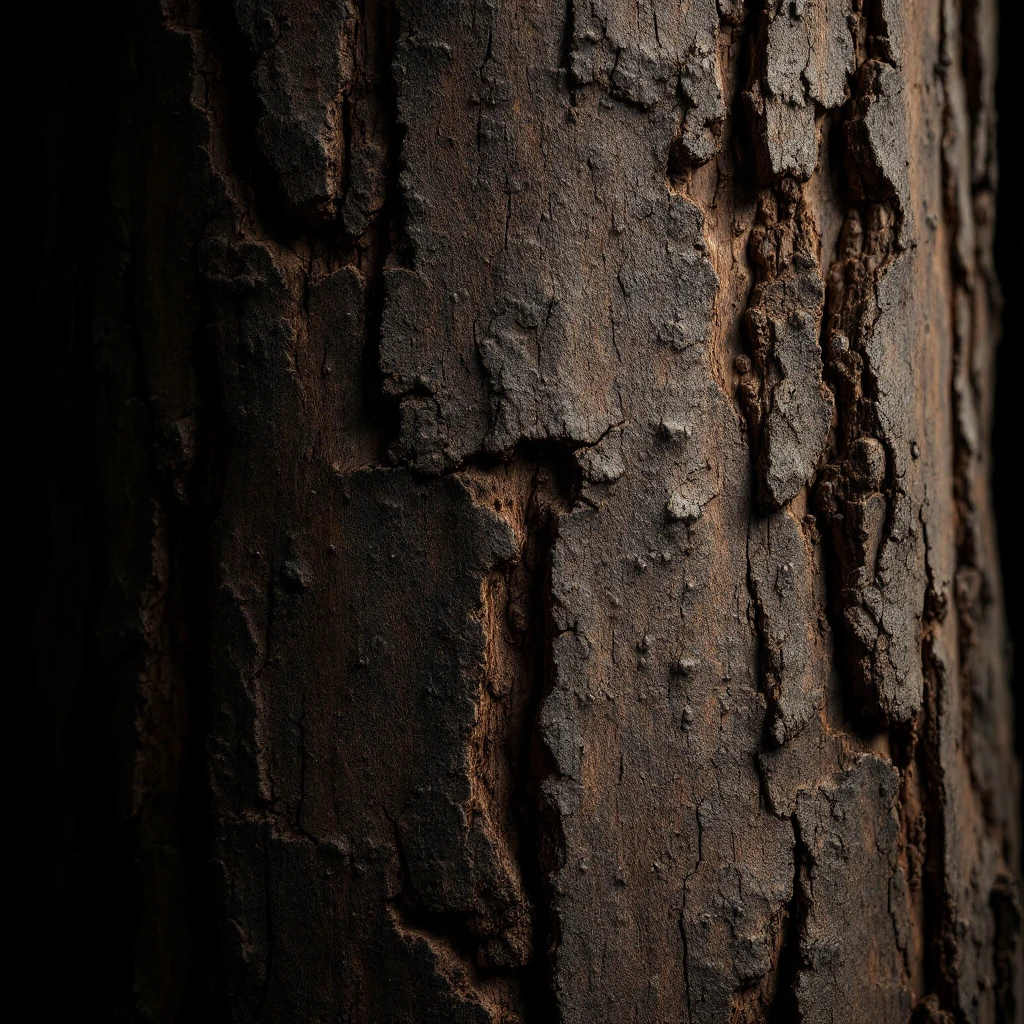
Character
How it smells
A crisp, minty lift that sharpens and energizes fragrance openings.
Joseph Bosisto established the first commercial eucalyptus oil operation in Melbourne in 1852, pioneering Australia's global aromatics trade.

Origin
Australia
Long before European colonization, Australian Aboriginal peoples used eucalyptus leaves in traditional medicine, burning them to treat respiratory conditions and disinfect wounds. Early British colonists observed these practices and began extracting oils from native species.
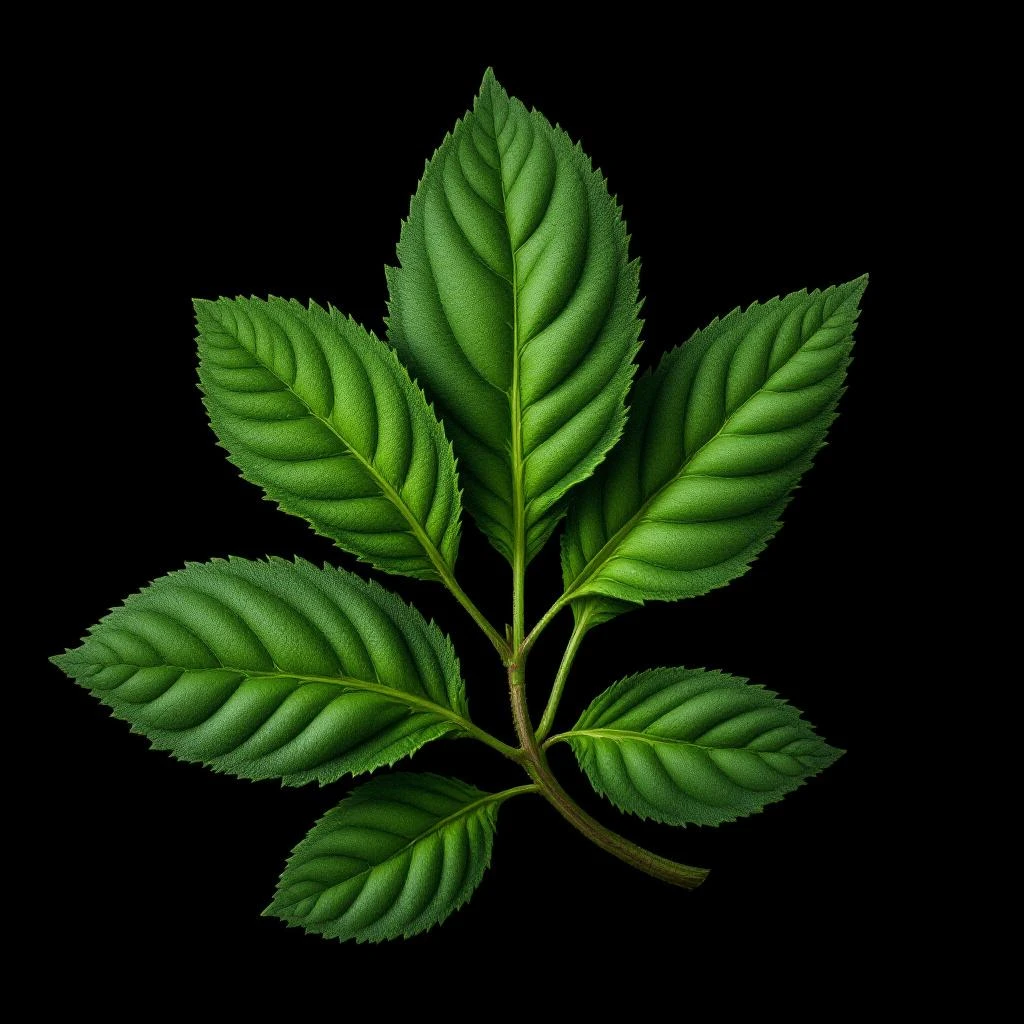
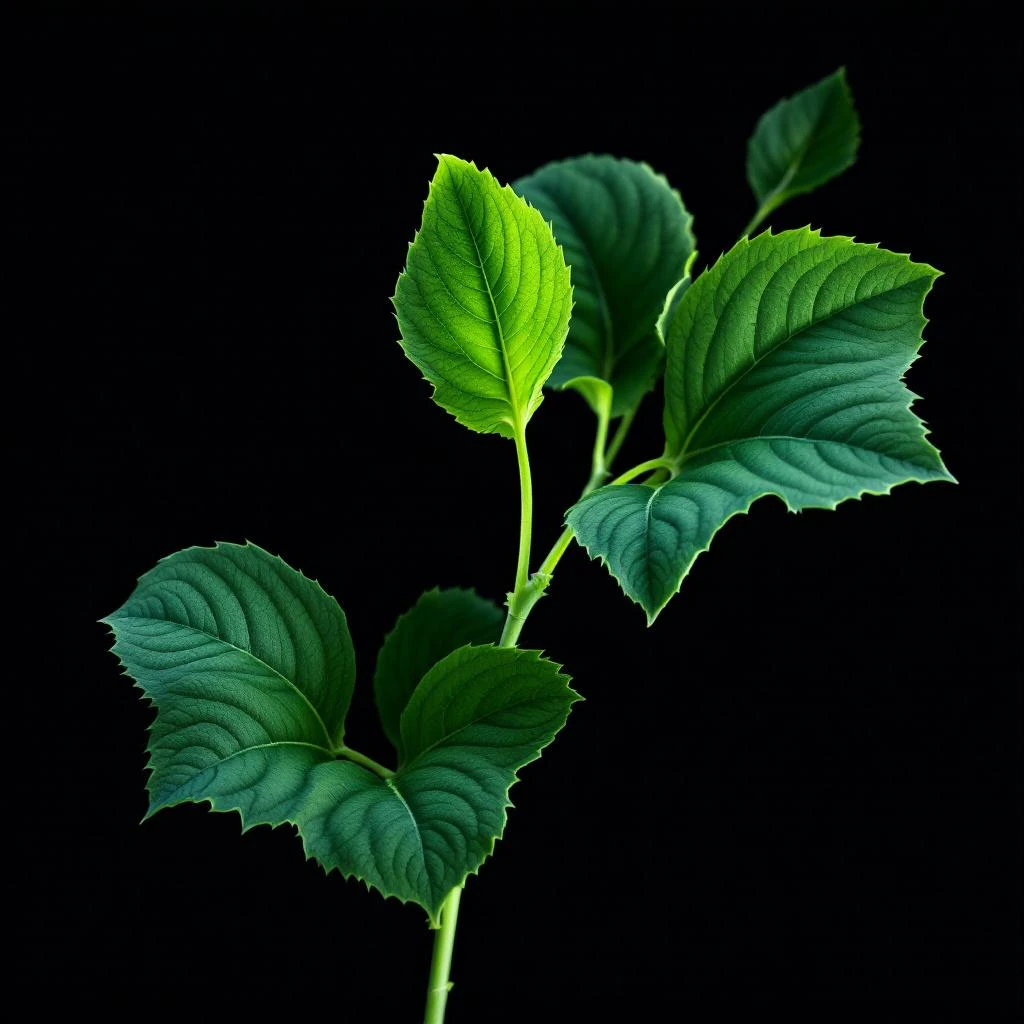
The breakthrough came in 1852 when Melbourne pharmacist Joseph Bosisto recognized the commercial potential of local eucalyptus species, particularly Eucalyptus radiata and Eucalyptus globulus. He established the first systematic production facility, and Australian eucalyptus oil quickly became a prized export to European pharmaceutical and fragrance houses.
By the early 20th century, global demand had sparked plantations across multiple continents, though Australian-sourced oil remains the benchmark for perfumery quality. Today, eucalyptus oil serves as a foundational middle note in masculine fragrances and aromatic compositions, valued for its ability to cut through heavier elements and impart lasting freshness.
Wears it best
Fragrances featuring Eucalyptus Bark
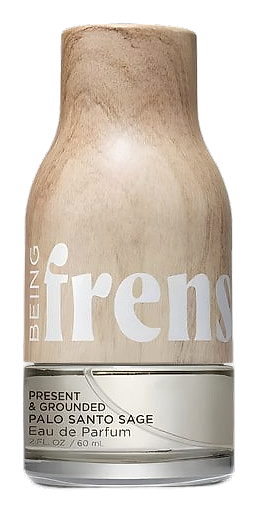
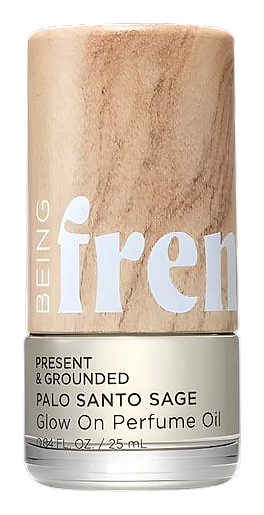
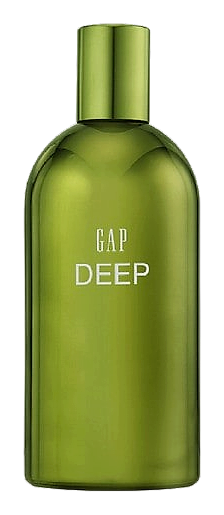
Brands
Brands known for Eucalyptus Bark
Good to know
Questions, answered
The essentials on Eucalyptus Bark in perfumery: how it smells, where it comes from, and how it behaves on skin.
What does eucalyptus bark contribute to fragrance?
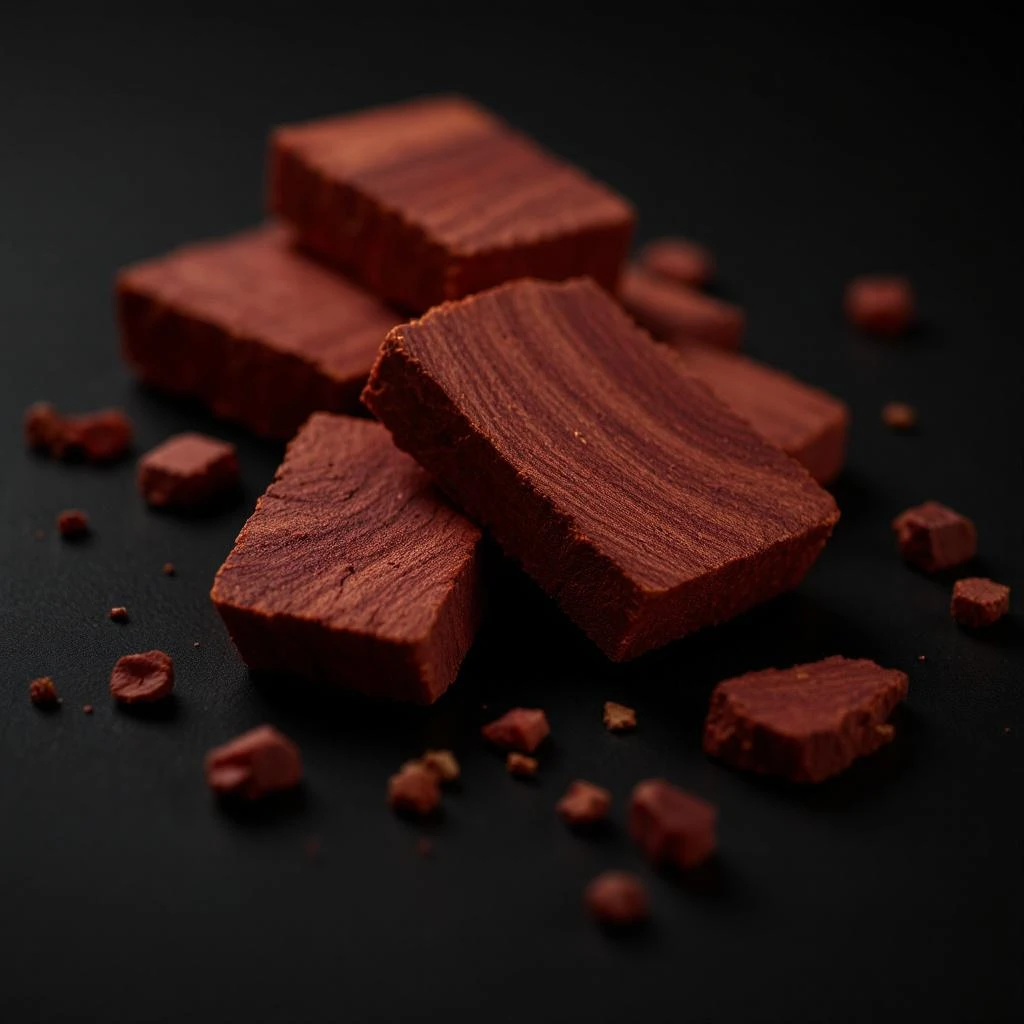
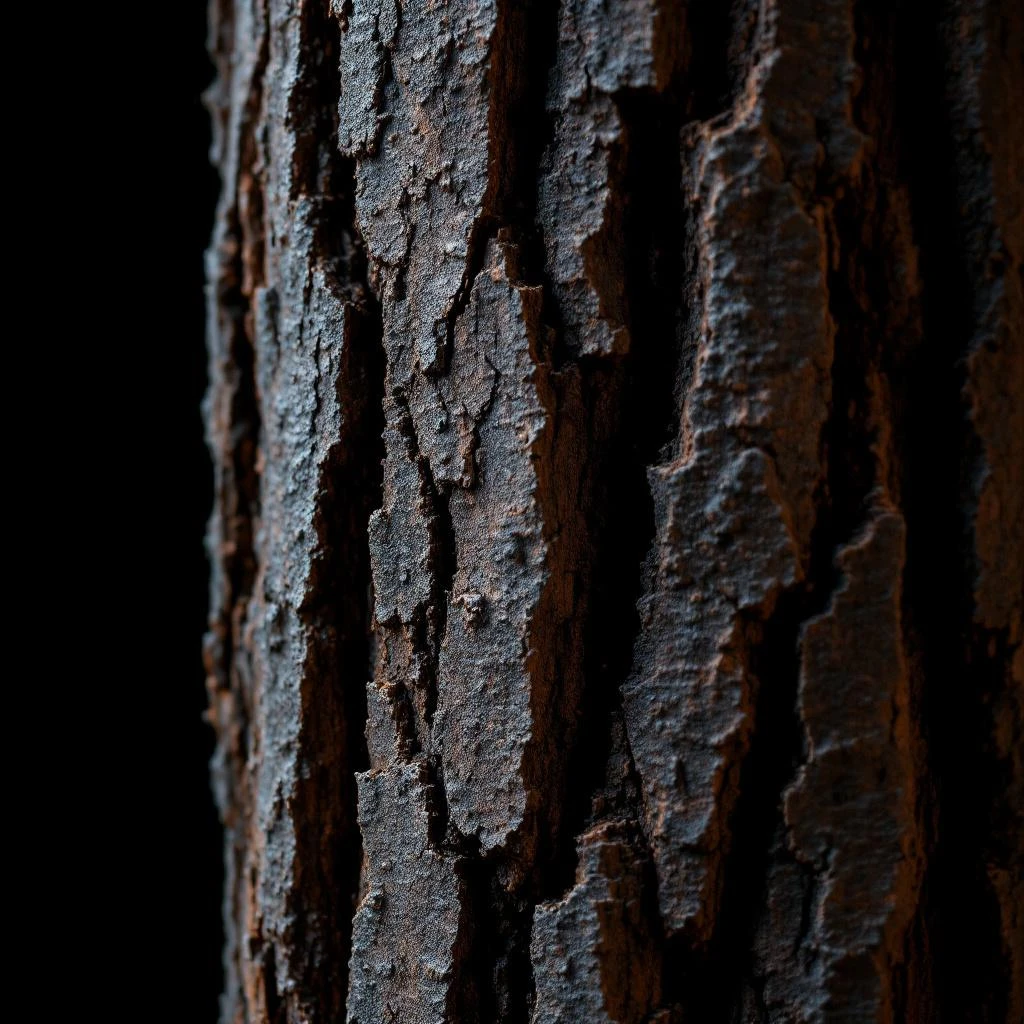
Eucalyptus bark is not the primary perfumery material—the leaves are. However, some specialty extracts incorporate bark-derived compounds for added woody, slightly bitter undertones in fragrance compositions.
What does eucalyptus smell like in perfume?
Eucalyptus oil smells sharp, minty, and medicinal with a distinct coolness. It delivers immediate clarity and freshness, often described as resembling menthol mixed with pine and a subtle camphor quality.
Is eucalyptus a top, middle, or base note?
Eucalyptus functions primarily as a middle note in fine fragrance. It provides an immediate lift on application while bridging fresh top notes with heavier base elements, typically lasting 2-4 hours on skin.
What compounds give eucalyptus its characteristic scent?
Cineole (also called eucalyptol) comprises 60-85% of eucalyptus essential oil and provides the signature sharp, minty character. Alpha-terpineol, pinene, and limonene add secondary aromatic layers.
Which fragrance families use eucalyptus most often?
Eucalyptus appears frequently in fougère, aromatic, and fresh masculine compositions. It also shows up in certain chypre and fruity-fresh women's fragrances seeking a crisp, clean quality.
Can eucalyptus be synthetically replicated?
Synthetic cineole (eucalyptol) exists and appears in many mass-market fragrances. However, natural eucalyptus oil offers complex secondary compounds that synthetic versions cannot fully replicate, particularly for premium formulations.
What scents pair well with eucalyptus in fragrance?
Eucalyptus combines naturally with citrus oils, rosemary, and conifer notes like cedar and pine. These pairings enhance freshness and longevity, creating clean, forest-like accords common in masculine aromatics.
Where does the best eucalyptus oil for perfumery originate?
Australia remains the primary source of premium eucalyptus oil for fragrance, with Eucalyptus radiata and Eucalyptus globulus as the most valued species. Indian and Chinese production focuses more on pharmaceutical cineole applications.