Maltese Lemon
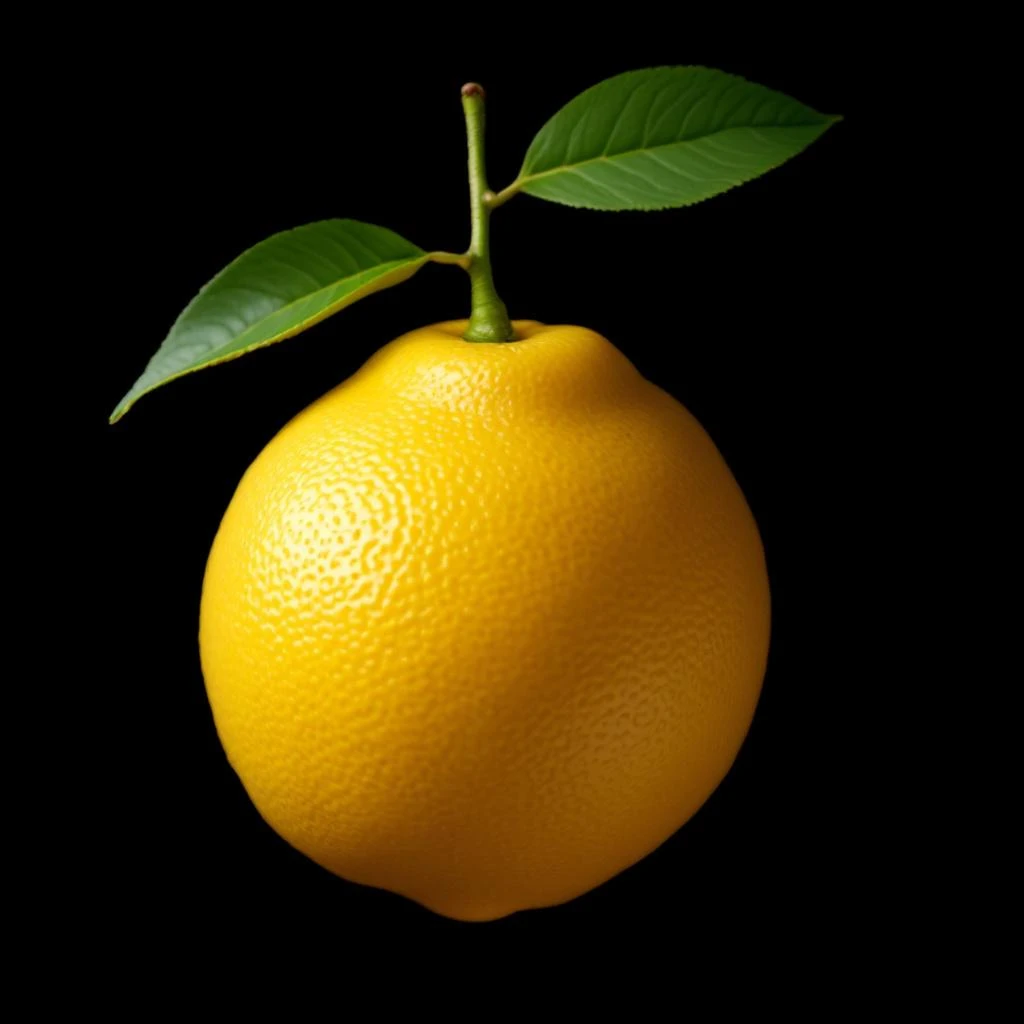
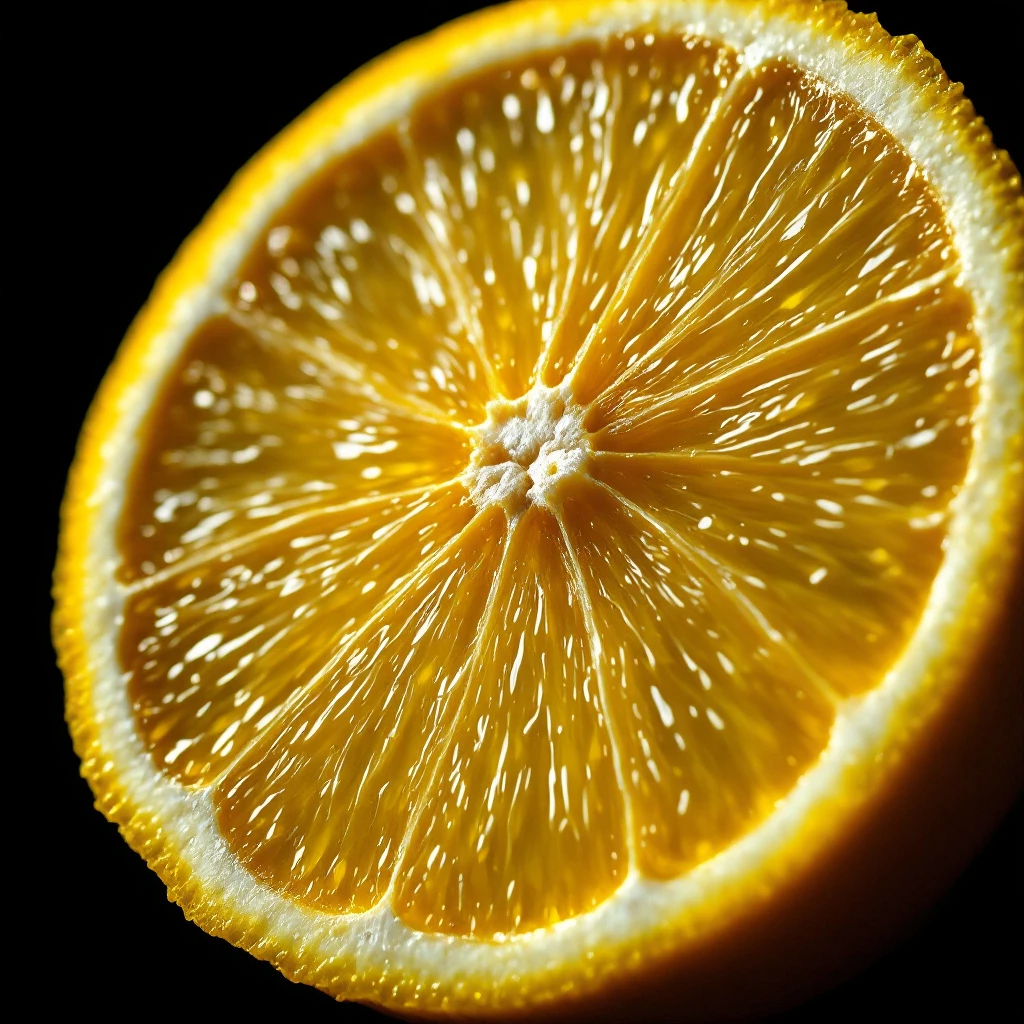
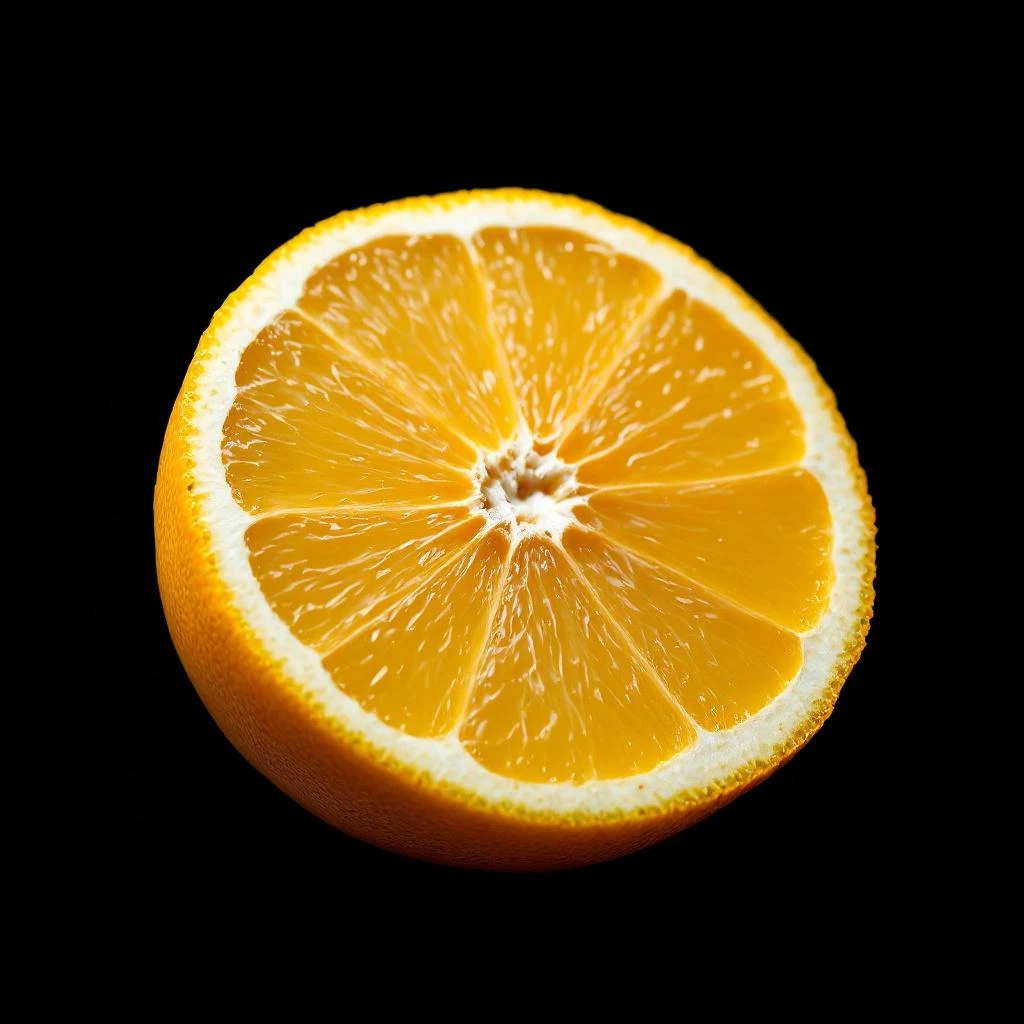
Maltese Lemon captures the sun-drenched essence of Mediterranean citrus. Grown on sun-soaked terraces overlooking the sea, these lemons yield an oil prized for its luminous, honeyed brightness that distinguishes it from sharper New World varieties.
Character
How it smells
Mediterranean sunshine distilled into scent.
Malta's limestone-rich soil and salt-tinged air give its lemons a distinctive floral sweetness found nowhere else on earth.



Origin
Malta
Citrus cultivation reached Malta during Phoenician trading routes around 1000 BCE, though lemons specifically became prominent under Arab rule from 870 to 1091 CE. Arab farmers introduced sophisticated irrigation that let lemons thrive on the islands' arid limestone terrain.
By the Knights of St. John era (1530-1798), Maltese lemons held renown across Mediterranean trade networks.
The Femminello variety, Malta's primary cultivar, dates to 12th-century Sicilian introductions but adapted uniquely to local conditions over centuries. Today, small-scale producers maintain heritage groves on terraced hillside plots, harvesting by hand to protect fruit integrity.
Wears it best
Fragrances featuring Maltese Lemon
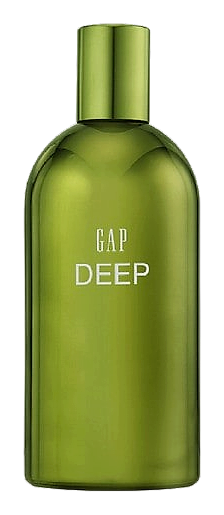
Brands
Brands known for Maltese Lemon
Good to know
Questions, answered
The essentials on Maltese Lemon in perfumery: how it smells, where it comes from, and how it behaves on skin.
What does Maltese Lemon smell like in perfume?
Maltese Lemon opens with sharp citrus brightness that softens into honeyed, floral notes. Its scent lacks the harsh bite of supermarket lemons, instead offering a rounded sweetness with subtle herbal undertones from Mediterranean growing conditions.
How is Maltese Lemon oil extracted?
Producers cold press the lemon peel, mechanically rupturing aromatic glands without heat. This process preserves fragile aromatic molecules that heat-based methods would degrade.
What makes Maltese lemons different from regular lemons?
Malta's limestone soil and coastal climate produce lemons with higher citronellol and geraniol content, adding floral complexity absent in lemons grown in hotter or more humid regions.
Is Maltese Lemon used in top or heart fragrance notes?
Perfumery typically positions it as a top note for immediate citrus impact, though its richer floral character allows some formulas to extend it into heart note territory.
Does Maltese Lemon appear in natural or synthetic perfumery?
Natural Maltese Lemon oil comes from cold-pressed peel, but aroma chemistry also produces nature-identical compounds for cost and consistency in fragrance manufacturing.
What fragrance families use Maltese Lemon?
Citrus, fougère, and aromatic compositions most commonly feature it. It also appears in chypre and modern aquatic fragrances seeking Mediterranean character.
How long does Maltese Lemon last on skin?
Citrus peel oils evaporate quickly, typically 2-4 hours. Formulators pair Maltese Lemon with fixatives like ambroxan or woods to extend its presence.
Is Maltese Lemon sustainable to produce?
Limited cultivation area constrains supply, but traditional Malta farming practices preserve heritage varieties and prevent monoculture expansion.