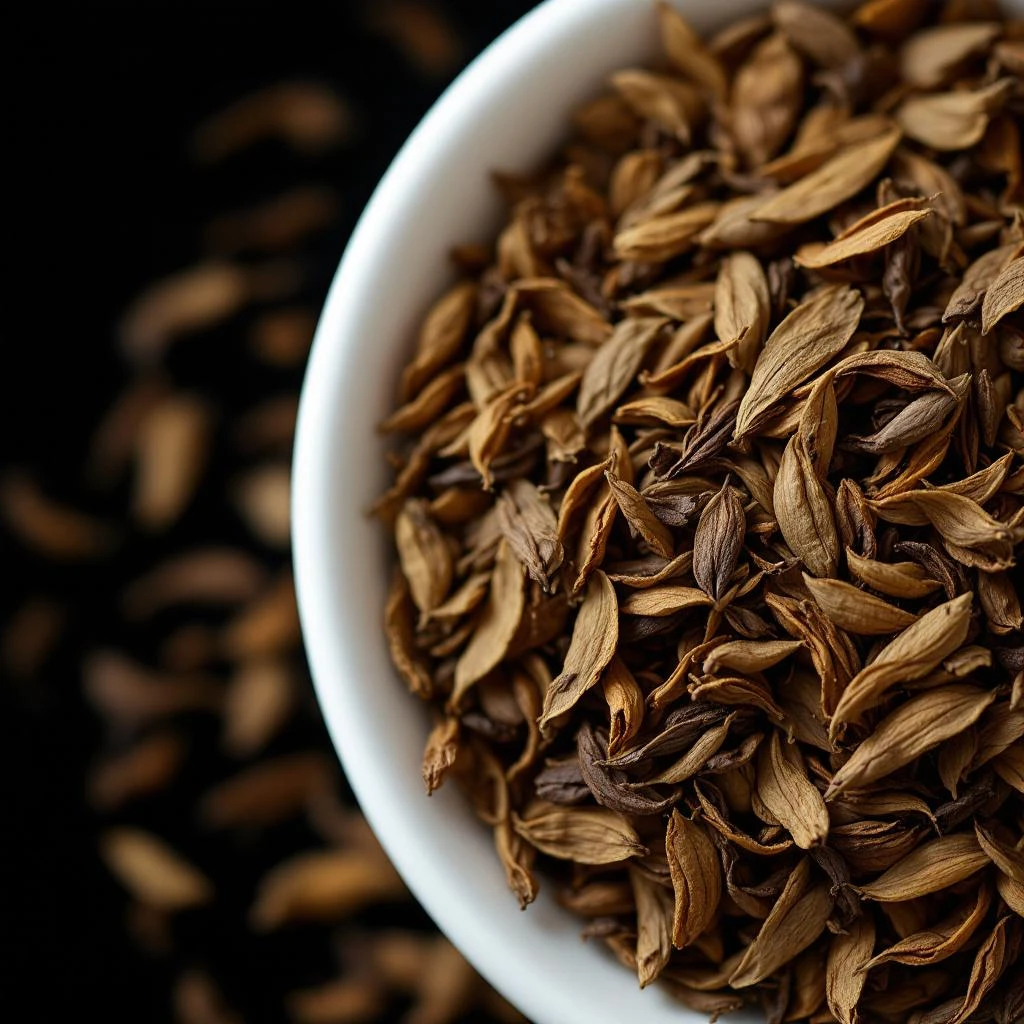
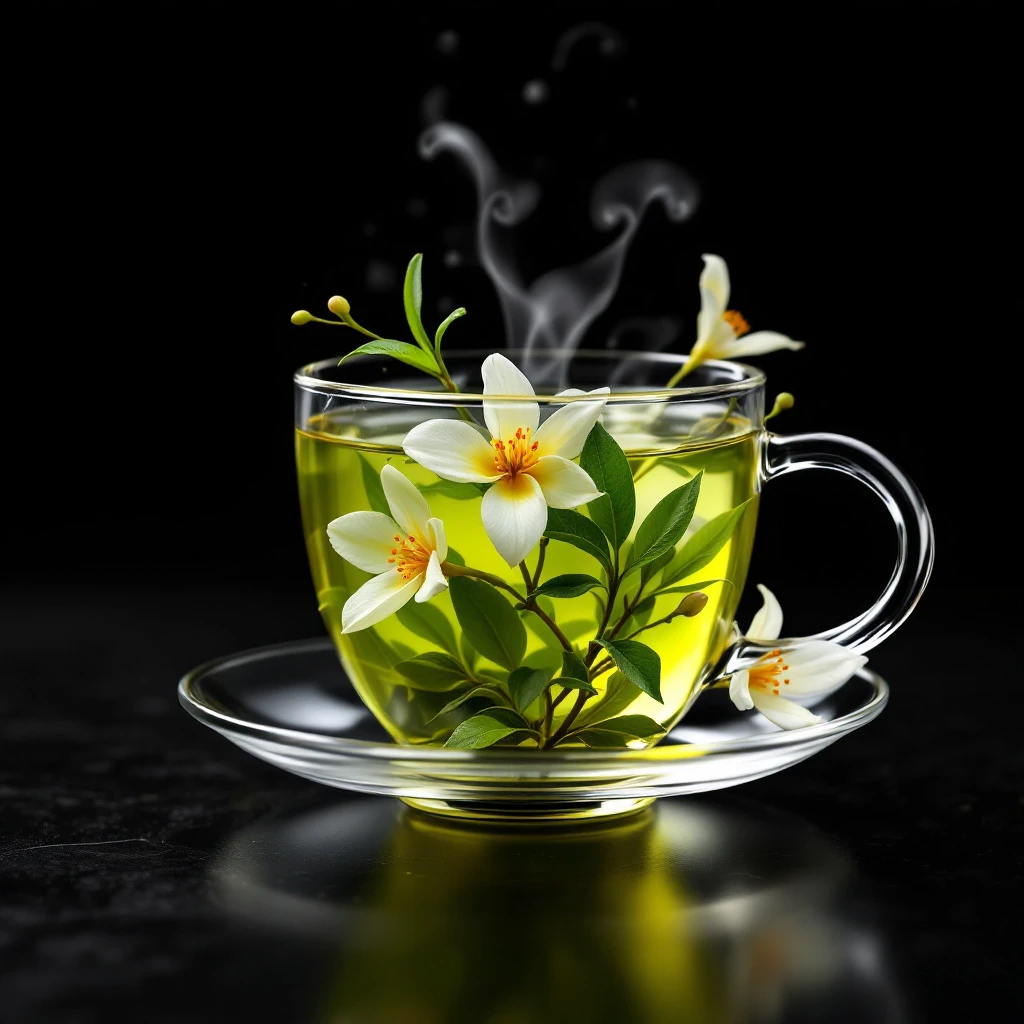
Green Jasmine Tea
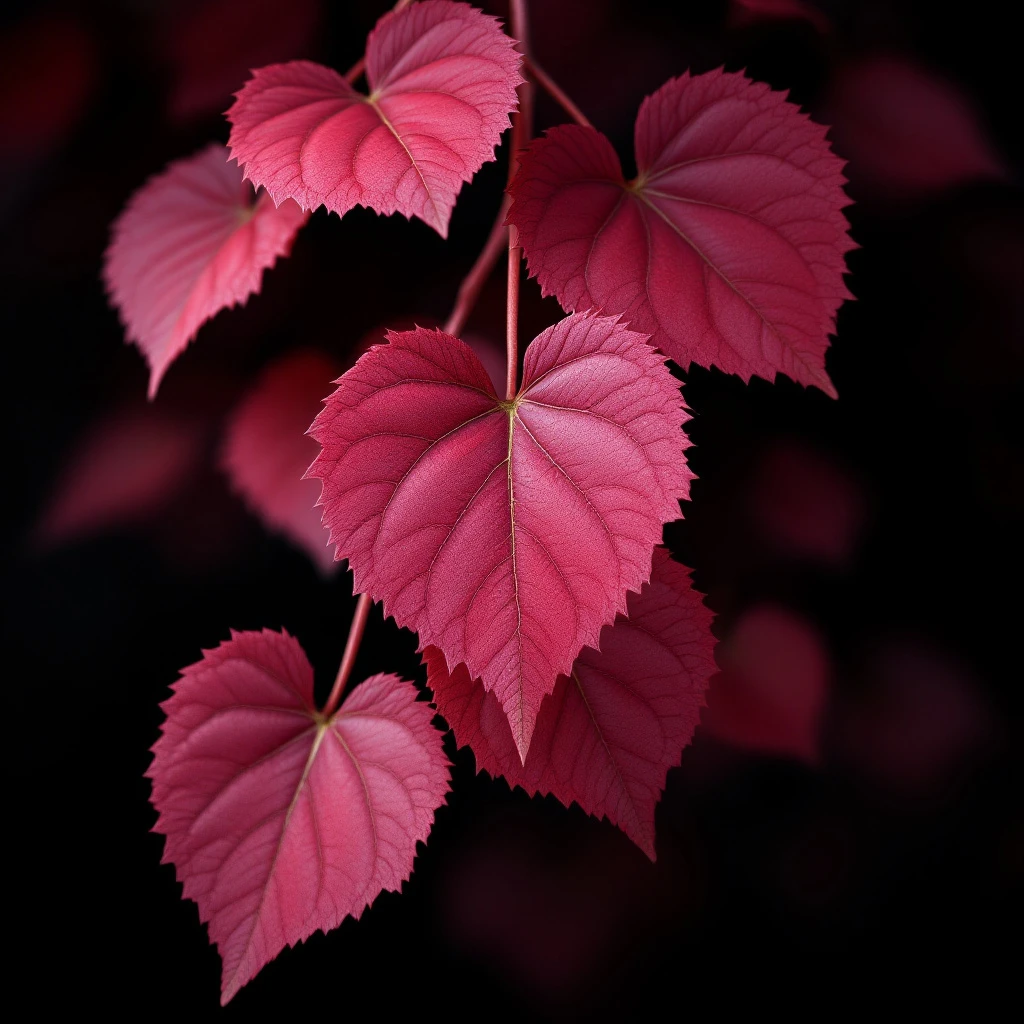
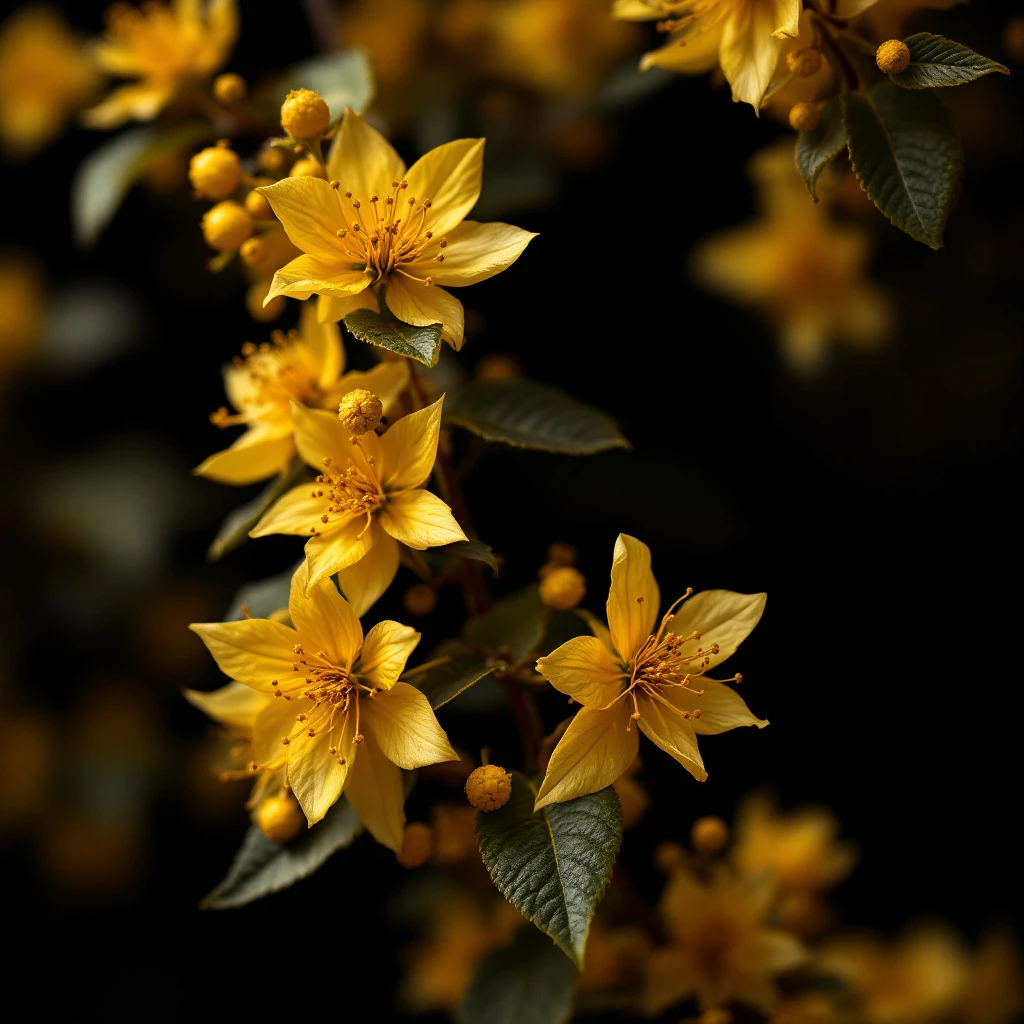
Green jasmine tea is a living collaboration between two botanical traditions. Jasmine flowers lend their nocturnal petals to scent green tea leaves in a centuries-old ritual. In perfumery, this note captures the meditative calm of a freshly poured cup.
Character
How it smells
Crisp green tea meets sun-warmed jasmine
Master tea artisans repeat the scenting process up to seven times during peak jasmine season, building layer upon layer of floral depth.



Origin
China
Jasmine tea first appeared in China over 1,000 years ago during the Southern Song Dynasty, marking one of the earliest recorded practices of scenting tea with flowers. The jasmine plant itself arrived in China from eastern South Asia via India during the Han dynasty, roughly between 206 BC and 220 AD.
Early Chinese tea masters discovered that jasmine blossoms release their fragrance most intensely at night, leading to the tradition of scenting tea during evening hours. The practice refined significantly during the Yuan Dynasty when artisans developed sophisticated layering techniques, repeatedly introducing fresh jasmine blossoms to batches of green or white tea leaves.
Each scenting cycle allows the leaves to absorb the floral aroma before the blossoms are removed and replaced with fresh ones. This labor-intensive process transforms ordinary tea into an aromatic experience that bridges two botanical traditions, a marriage of scent and leaf that eventually traveled along trade routes to influence perfumers worldwide.
Wears it best
Fragrances featuring Green Jasmine Tea
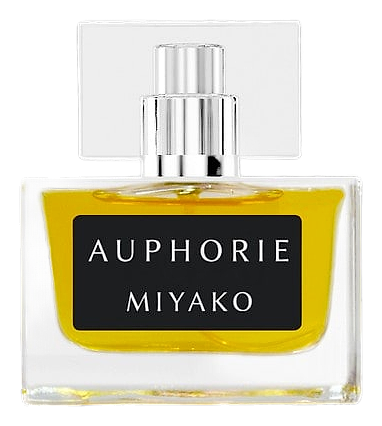
Brands
Brands known for Green Jasmine Tea
Good to know
Questions, answered
The essentials on Green Jasmine Tea in perfumery: how it smells, where it comes from, and how it behaves on skin.
What does green jasmine tea smell like in a fragrance?
Green jasmine tea smells fresh, floral, and slightly sweet with a clean green backdrop. Jasmine brings creamy white floral notes while green tea adds grassy, slightly astringent undertones. The combination creates a calm, meditative scent profile.
Is green jasmine tea a natural or synthetic note?
Both versions exist in perfumery. Natural jasmine absolute comes from solvent extraction of fresh petals, while green tea oil is typically steam distilled from leaves. Perfumers also use nature-identical synthetics like hedione to replicate jasmine's characteristic分子结构 consistently.
What fragrance families commonly feature green jasmine tea?
Green jasmine tea appears frequently in green, floral, and oriental compositions. The note works particularly well in light Eau de Toilettes and fresh fragrance interpretations. Many modern designer fragrances use this note to evoke cleanliness and tranquility.
How long has jasmine tea been used in perfumery?
Jasmine has anchored the perfume industry for centuries, though tea notes gained prominence in Western perfumery during the late 20th century. The green jasmine tea combination specifically emerged as perfumers began exploring Chinese tea traditions.
What extraction method produces jasmine absolute for fragrance?
Solvent extraction produces jasmine absolute, the most common jasmine material in perfumery. Fresh jasmine petals are washed with a solvent, which dissolves the aromatic compounds. The solvent is then evaporated, leaving behind the thick, aromatic absolute.
Does green jasmine tea have aromatherapy properties?
Jasmine carries traditional associations with calmness and positivity, while green tea is often linked to alertness and clarity. When combined as a fragrance note, the accord tends to feel balanced, offering both refreshment and relaxation.
Which countries produce jasmine for perfumery?
India, Egypt, and Morocco grow jasmine specifically for fragrance use. Grasse in France historically dominated jasmine cultivation for perfume. China remains the primary source of jasmine tea traditions.
How do perfumers create the green jasmine tea accord?
Perfumers blend jasmine absolute with green tea aromatic extracts, adjusting ratios to achieve the desired balance. Some add hedione or other jasmine molecules to enhance the floral character. The accord mimics the sensory experience of drinking scented tea.