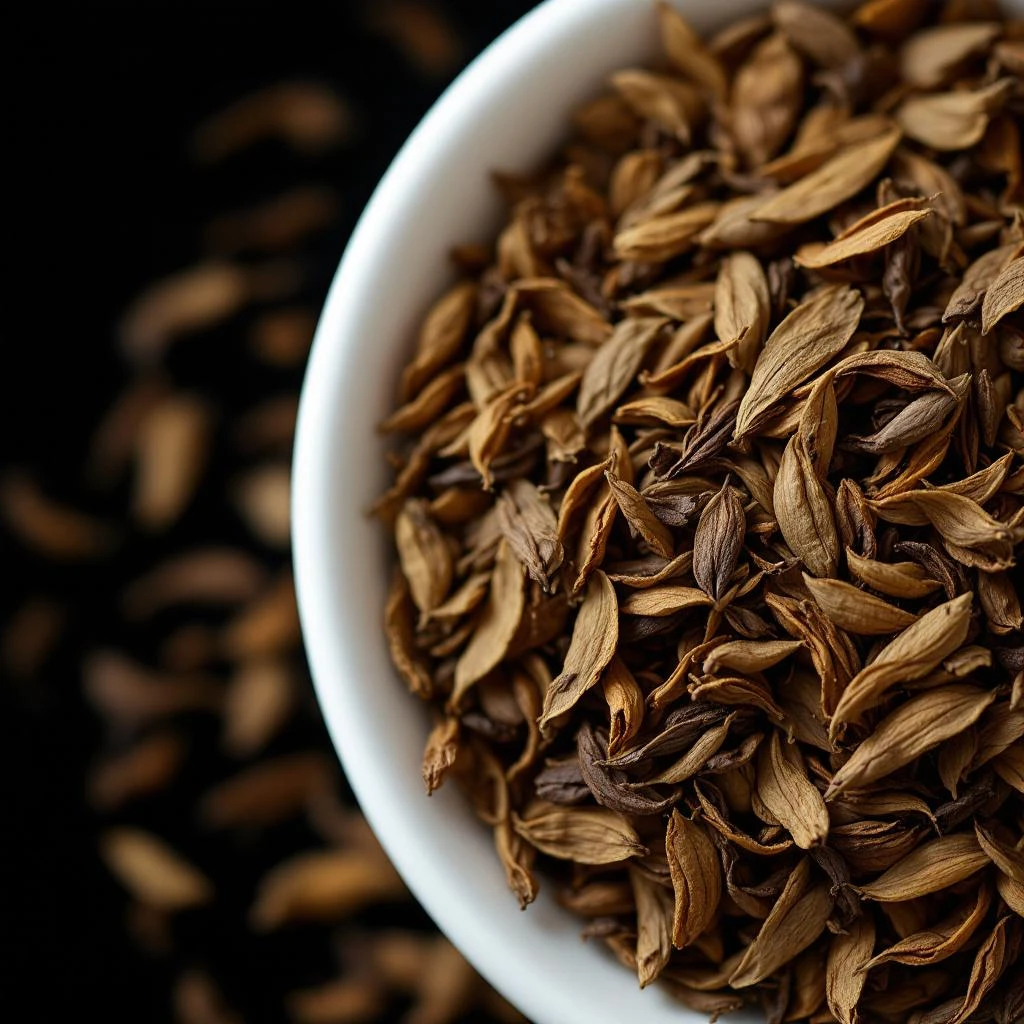
Green Hop
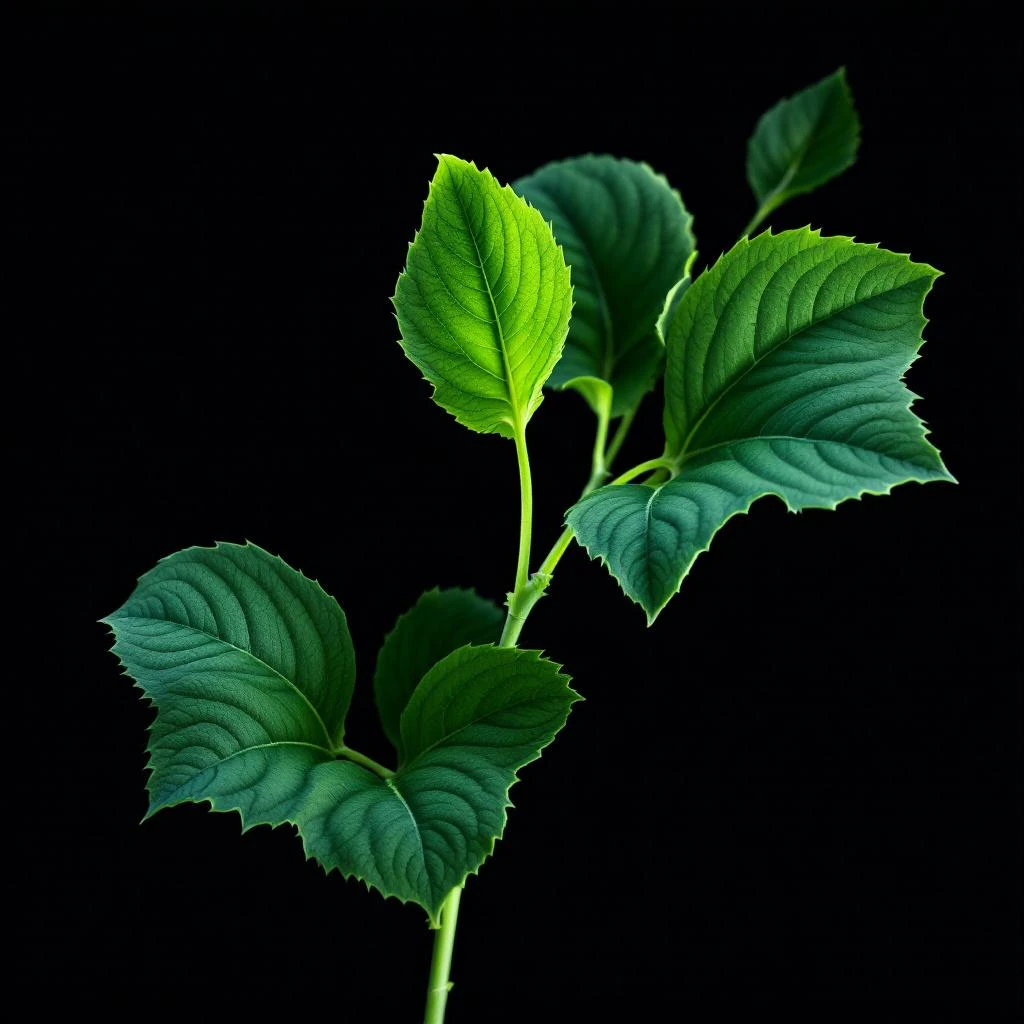
Green Hop captures the living scent of hop vines at harvest: fresh, herbaceous, and bracingly green with subtle fruity and resinous undertones rarely found in perfumery.
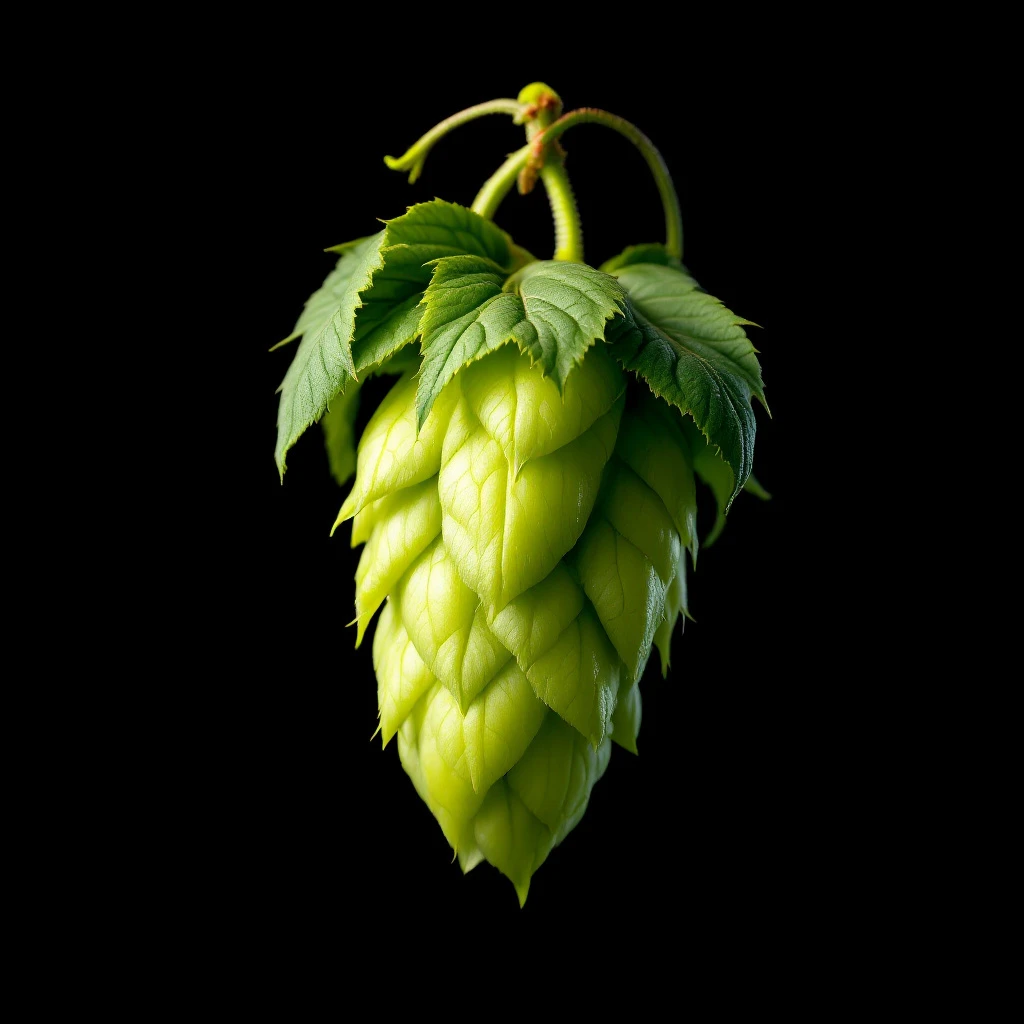
Character
How it smells
Fresh-cut greenness with bitter herbal depth.
Hops belong to the Cannabaceae family, sharing botanical kinship with cannabis. Despite this relation, hop absolute contains no psychoactive compounds.



Origin
United States
Hop cultivation originated in 8th century Germany, where Benedictine monks first cultivated the plant for brewing. The use of fresh hop in perfumery is a more recent development, emerging only in the late 20th century as extraction techniques advanced.
Historically, hops served primarily as a brewing agent and medicinal herb, valued for their preservative and calming properties. The perfumery industry began exploring hop aromatics in the 1970s and 1980s as interest in herbal and green notes grew.
Today, hop cultivation spans temperate regions worldwide, with the Pacific Northwest producing the majority of perfumery-grade material. The Yakima Valley in Washington State has become the epicenter of hop production, supplying fragrance manufacturers with fresh, high-quality cones that capture the vibrant green character prized by perfumers.
Wears it best
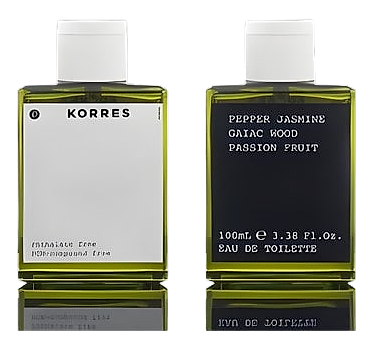
Fragrances featuring Green Hop
Good to know
Questions, answered
The essentials on Green Hop in perfumery: how it smells, where it comes from, and how it behaves on skin.
What does Green Hop smell like?
Green Hop smells like fresh-cut grass with herbal and slightly bitter undertones. The scent captures the green, living quality of hop vines at harvest, with subtle fruity and resinous notes. It adds freshness and natural greenness to fragrance compositions.
Is Green Hop natural or synthetic?
Green Hop is a natural ingredient extracted from fresh hop cones. Synthetic alternatives exist but rarely replicate the full complexity of natural hop absolute. The natural version offers a broader aromatic profile with authentic green, herbaceous qualities.
What part of the hop plant is used in perfumery?
The female cones of the hop plant are used. These strobiles contain lupulin glands that produce the aromatic compounds. Only female plants produce the cones, and they must be harvested at peak ripeness to capture the desired green character.
Where does Green Hop originate from?
The Pacific Northwest produces most perfumery-grade Green Hop, particularly Washington's Yakima Valley. Germany and the Czech Republic also cultivate hops for fragrance use. The region's climate and volcanic soil create ideal growing conditions for high-quality hop cones.
How is Green Hop extracted for perfumery?
Fresh hop cones undergo supercritical CO2 extraction or solvent extraction immediately after harvest. CO2 extraction captures a broader aromatic profile at lower temperatures. Solvent extraction produces a purer absolute with concentrated hop oils. Both methods preserve the volatile green compounds.
Which fragrance families use Green Hop?
Green Hop appears primarily in green, herbal, and fougere fragrances. It pairs well with other fresh notes, lavender, and woody accords. Niche perfumers favor it for creating natural-smelling green compositions that feel authentically herbaceous.
Is Green Hop related to cannabis?
Botanically, hops belong to the Cannabaceae family, sharing ancestry with cannabis. Despite this kinship, hop absolute contains no psychoactive compounds. The scent profile differs significantly, offering green herbaceousness rather than any cannabis-like character.
Is Green Hop sustainable?
Green Hop production is generally sustainable when sourced from established hop-growing regions. Washington State and European growing areas practice responsible agriculture with established crop rotations. The short harvest window creates supply challenges but encourages efficient processing.