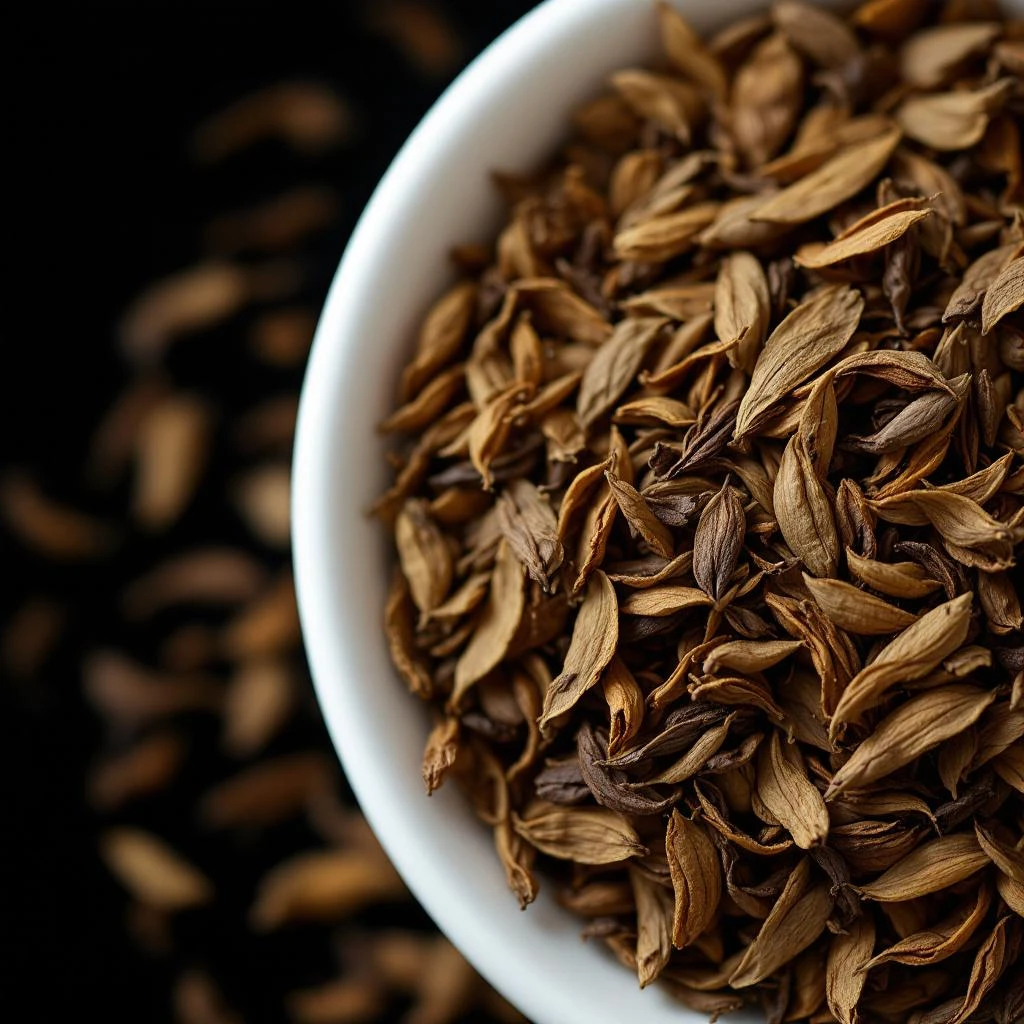
Green Herbs
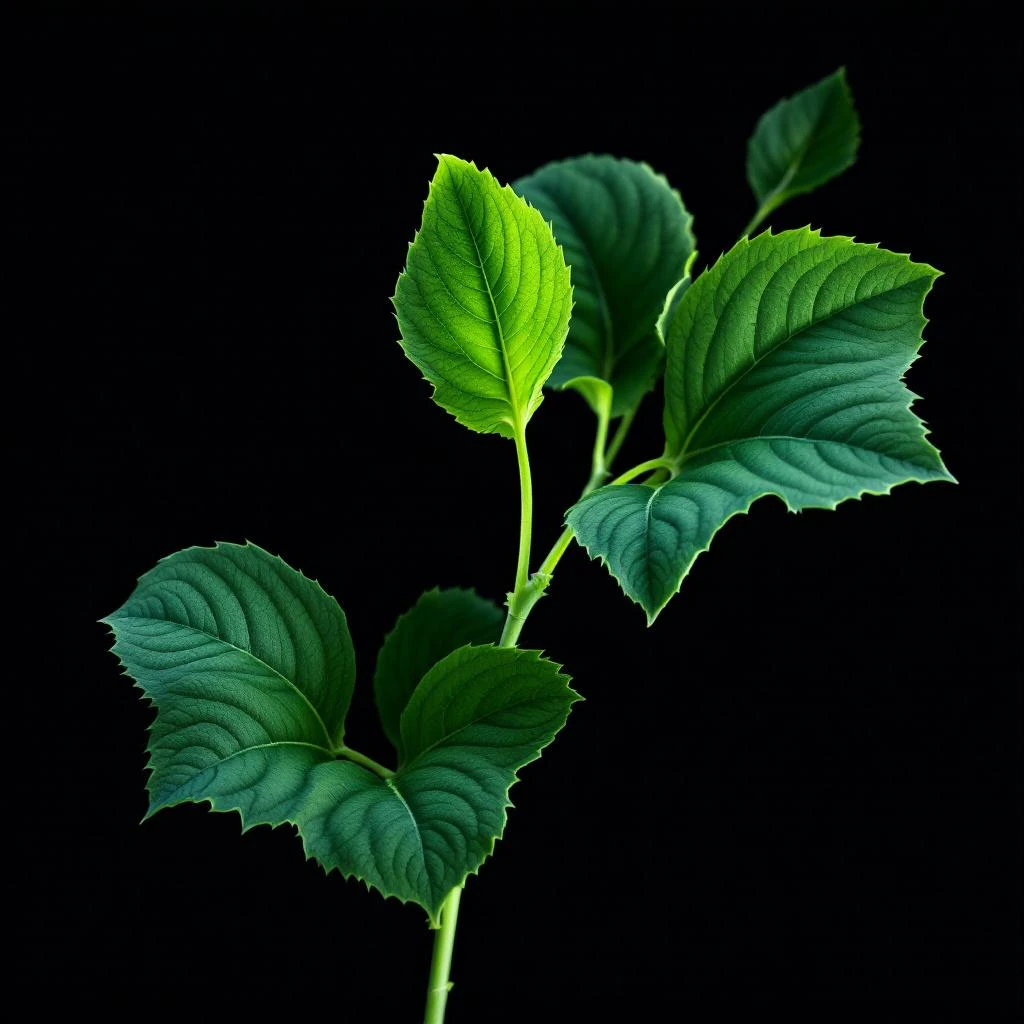
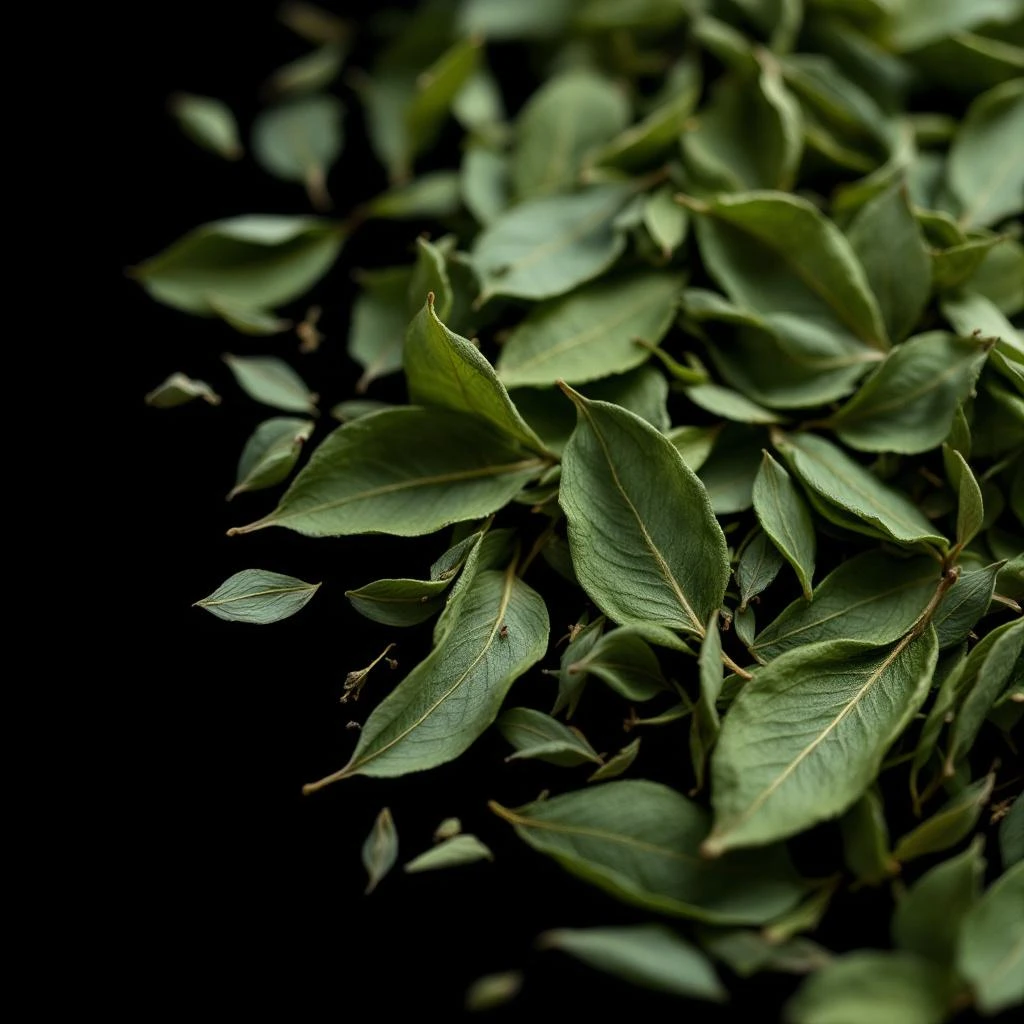
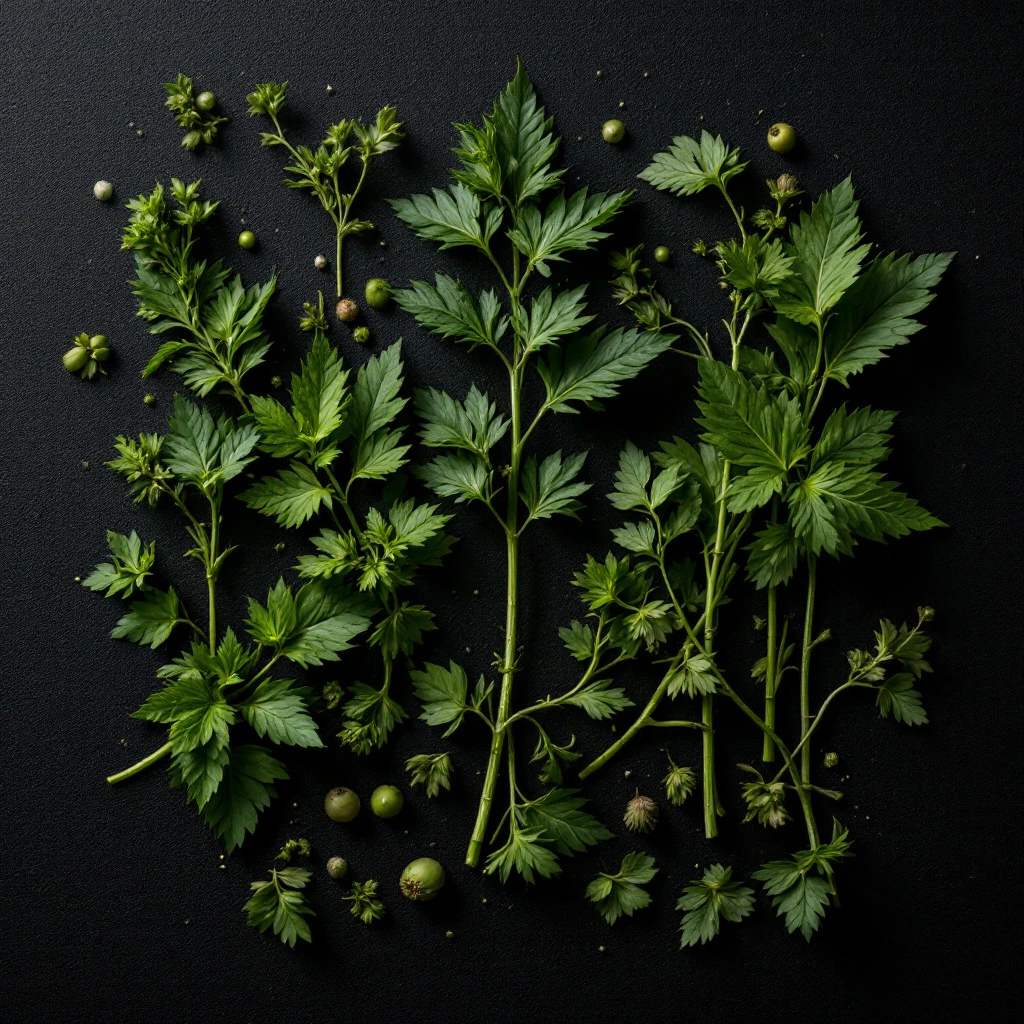
Green herbs capture the raw, cooling snap of a just-picked garden. Aromatic plants like basil, rosemary, thyme, sage, and tarragon lend fragrances their crisp, leafy backbone and unmistakable freshness.
Character
How it smells
Leaves, stems, sunlight captured mid-crush.
Ancient Greeks crowned athletes with wild celery leaves at the Isthmian Games, one of the earliest recorded uses of an aromatic herb in ritual celebration.
Pairs beautifully with

Origin
France
Long before modern laboratories and synthetic aroma molecules, scent was shaped entirely by nature through flowers, woods, resins, herbs, and spices. Egyptians burned aromatic herbs in temple rituals over four thousand years ago, while Greeks and Romans used rosemary, sage, and thyme in bathing ceremonies and medicinal unguents. Medieval monastic gardens preserved herbal knowledge through the early Middle Ages, with monks distilling waters for both liturgical and therapeutic use.
By the Renaissance, aromatic herbs had entered the perfumer's palette in earnest, layered into pomanders, scented waters, and the early alcohol-based colognes of 17th-century Europe. The 19th century brought the commercial synthesis of aroma compounds such as vanillin and coumarin, the first synthetic scent isolated by William Henry Perkin in 1868, which allowed perfumers to reconstruct herbal accords without seasonal harvest limitations. Yet natural herb distillates never disappeared.
Modern niche perfumery has rediscovered them, valuing terroir-driven complexity over the flat consistency of synthetic reconstructions. A field-grown Provençal rosemary still carries nuance no laboratory can fully imitate.
Wears it best
Fragrances featuring Green Herbs
Brands
Brands known for Green Herbs
Good to know
Questions, answered
The essentials on Green Herbs in perfumery: how it smells, where it comes from, and how it behaves on skin.
What does the green herbs fragrance note smell like?
Green herbs deliver a crisp, leafy, slightly cooling aroma with camphoraceous and grassy facets. Think freshly crushed basil leaves, rosemary sprigs pulled from the garden, or the sharp bite of thyme crushed between fingers.
Which herbs are used in perfumery?
Common aromatic herbs include rosemary, thyme, basil, sage, tarragon, and mint. Each contributes distinct characteristics: rosemary adds piney clarity, sage brings earthy depth, and basil offers a sweet-spicy green facet.
How are herbal fragrance oils extracted?
Most herbal oils are produced through steam distillation, where pressurized steam ruptures oil-bearing plant cells and carries volatile compounds into a condenser. Delicate herbs may use hydrodistillation or supercritical CO2 to preserve top notes.
Are herbal notes natural or synthetic?
Both forms exist. Natural distillates come from steam-extracted plant material, while synthetic versions use isolated molecules like linalool or eucalyptol. Premium perfumers often prefer natural distillates for their terroir-driven complexity.
When did herbs first appear in perfumery?
Herbs appear in fragrance history as early as ancient Egypt, where they were burned in temple rituals. Greek and Roman cultures later incorporated rosemary, sage, and thyme into bathing ceremonies and ceremonial oils.
What fragrance families use green herbs?
Green herbs appear across multiple fragrance families: aromatic, fougère, herbal, and green colognes. They serve as brightening top notes in masculine compositions and add freshness to unisex and outdoor-themed scents.
Where are the best aromatic herbs grown for perfumery?
Southern France, particularly Provence, produces some of the world's most prized rosemary, thyme, and lavender. Egypt, Morocco, and Italy also cultivate aromatic herbs for distillation, each region imparting distinct terroir-driven character.
Do herbal fragrance oils have therapeutic properties?
Many herbal oils have documented aromatherapy applications. Rosemary oil has been studied for cognitive stimulation, while thyme and sage distillates show antimicrobial activity. These effects are secondary to their primary role as fragrance materials.