Green Grape
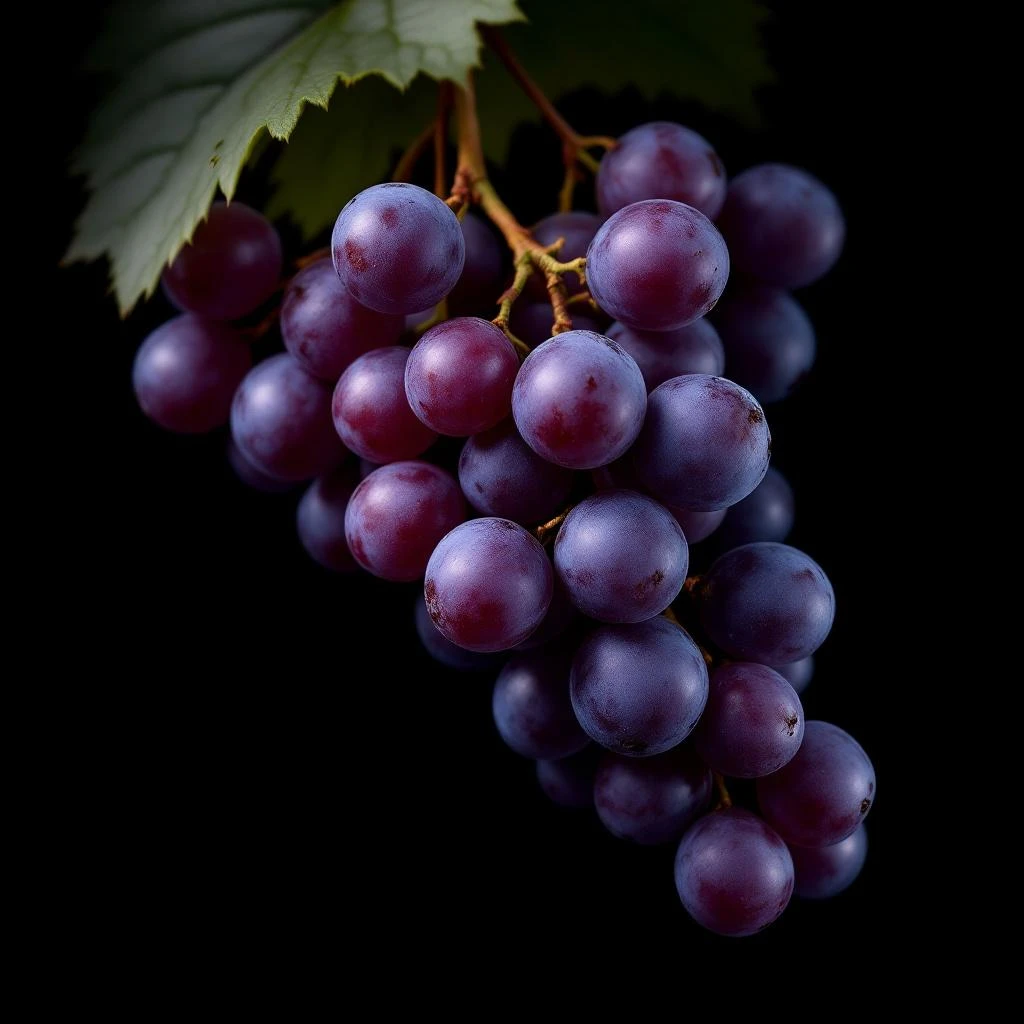
Crisp, dewy, and unmistakably green. Green Grape captures the bright snap of unripe grapes at peak ripeness—juicy without sweetness, fresh without sharpness. A living note that brings gardens and vineyards to the wearer.
Character
How it smells
The vineyard in morning light—dew-kissed, electric, alive.
The compound cis-3-hexen-1-ol, responsible for green grape's signature freshness, also exists in just-cut grass, which explains why fresh-mown lawns and vineyards share the same scent.


Origin
France
Grapes entered perfumery through ancient Egyptian temple rituals, where wine and grape-scented oils symbolized abundance and rebirth. The civilization's perfumers differentiated between two distinct fragrance categories, one of which incorporated fermented grape byproducts alongside resins and herbs.
Medieval Arab perfumers in the Levant refined these early techniques, combining wine-making remnants with aromatic woods and spices. When organic chemistry emerged in 19th-century Europe, chemists identified the specific compounds responsible for grape's aroma—methyl anthranilate became isolable by 1895, the same period when laboratory-created floral scents debuted.
This discovery transformed green grape from a rare natural material into an achievable synthetic note. Today, green grape appears throughout fine fragrance as a bridging element, connecting bright citrus openings to deeper floral or woody foundations while lending contemporary compositions an approachable, natural freshness.
Wears it best
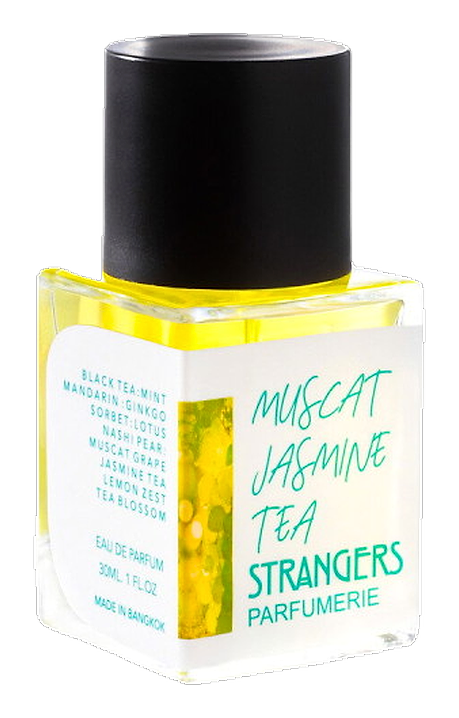
Fragrances featuring Green Grape
Brands
Brands known for Green Grape
Good to know
Questions, answered
The essentials on Green Grape in perfumery: how it smells, where it comes from, and how it behaves on skin.
What does green grape smell like?
Fresh, juicy, and distinctly vegetable. Picture biting into a cold grape as the skin breaks—you get the snap of green flesh, the waxy skin, and the stem's grassiness all at once. Less sweet than grape candy, more alive than grape soda.
Is green grape natural or synthetic in perfumery?
Primarily synthetic. Natural grape absolute exists but rarely appears in commercial fragrances due to extraction difficulty and cost. Modern green grape accords combine synthesized aroma chemicals to replicate the effect with consistency.
What fragrance families pair well with green grape?
Green grape belongs in bright florals, chypres, and contemporary green fragrances. It acts as a bridge between top and heart notes, adding freshness to compositions that might otherwise feel heavy or overly sweet.
What chemical compounds define green grape's scent?
Two key molecules: cis-3-hexen-1-ol delivers the fresh-cut grass and vegetable character, while methyl anthranilate provides the recognizable grape-like sweetness with its slight bitter undertone.
Which famous fragrances feature green grape notes?
Green grape appears across both niche and mainstream releases. Classic examples include green florals that evoke vineyard settings and modern fruity-fresh compositions that favor the unripe grape's tartness over jamminess.
How does green grape differ from other green notes like galbanum or violet leaf?
Drier than galbanum, sweeter than violet leaf, and more fruity than crushed grass. Green grape occupies a unique middle ground—distinctly grape-like without being confectionery, with a vegetable edge that reads as natural rather than synthetic.
What occasions and seasons suit green grape fragrances?
Green grape shines in daytime wear during spring and summer. The dewy, fresh character reads as casual and modern, making it suitable for professional environments and outdoor occasions where heaviness feels out of place.
Does green grape blend well with other fruit notes?
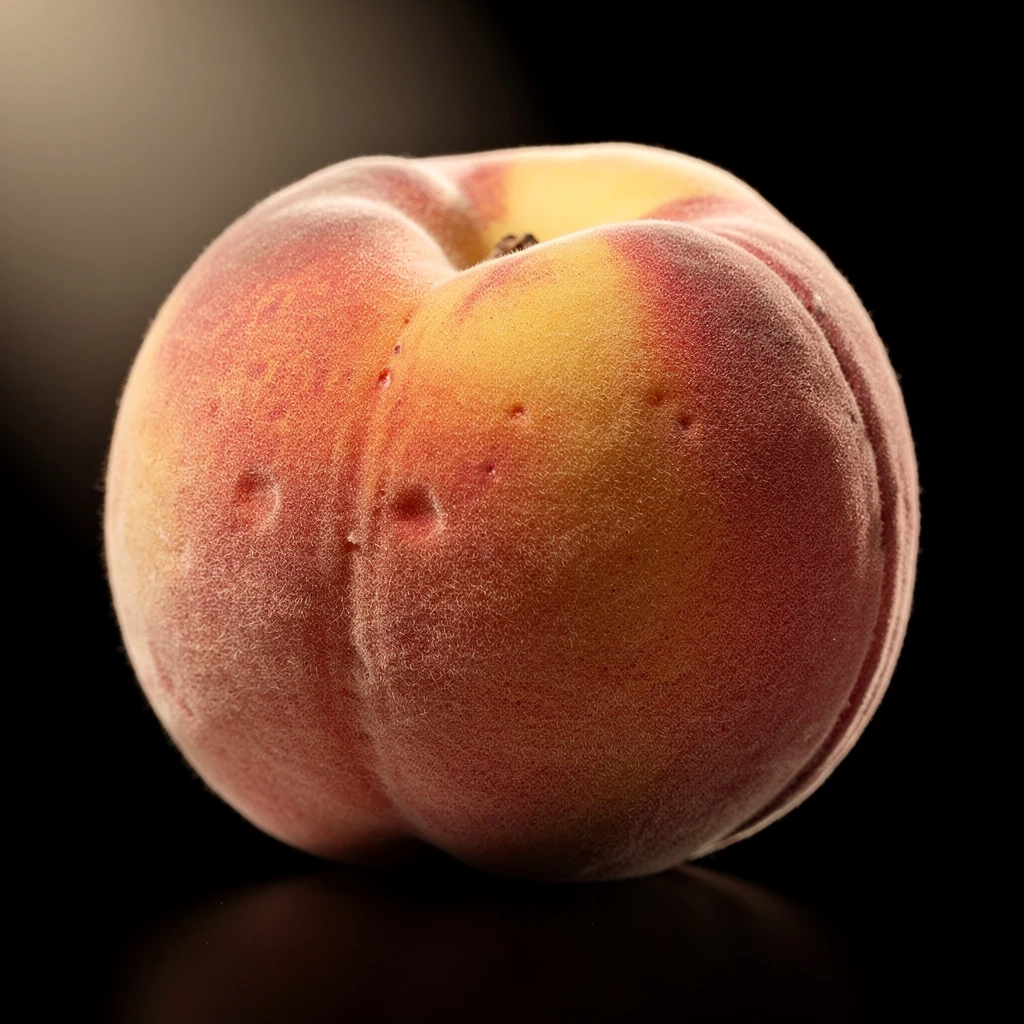
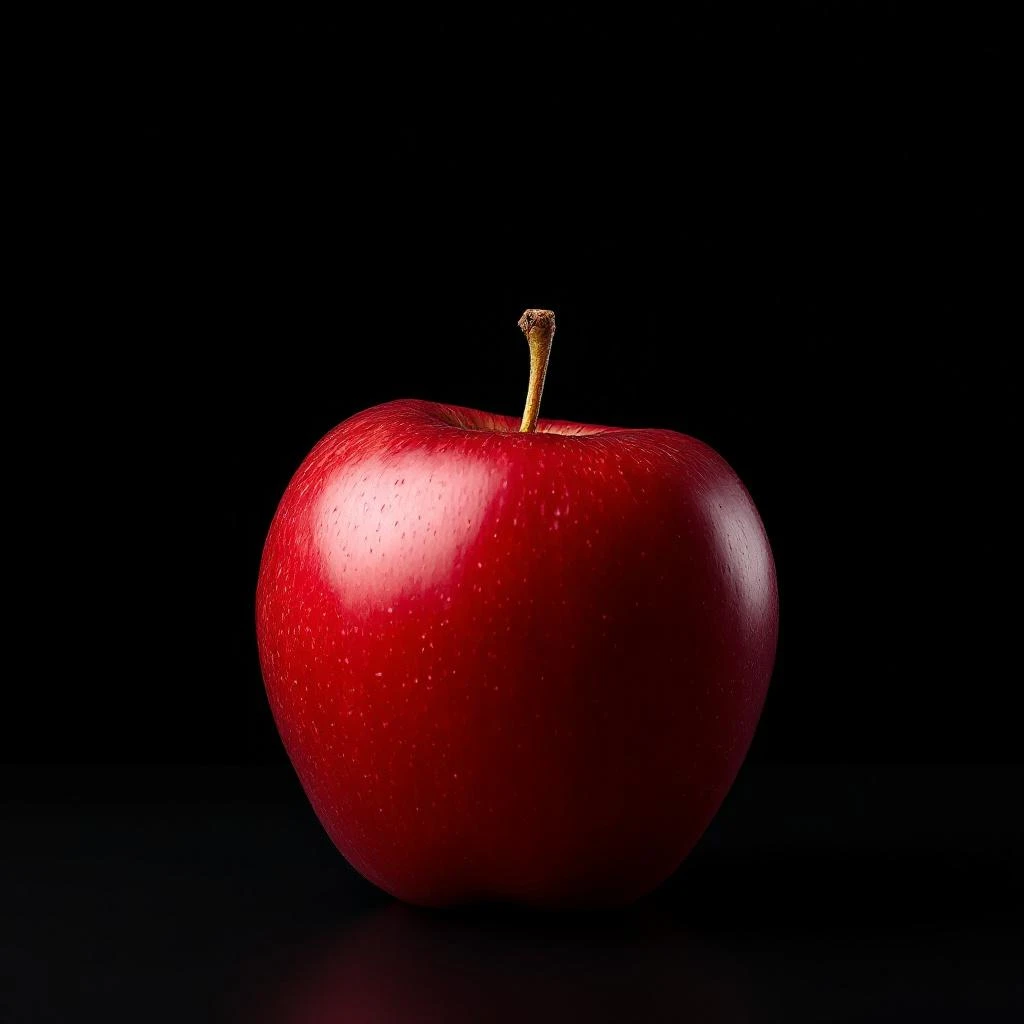
Yes. It pairs naturally with pear, apple, and stone fruits like peach and apricot. The subtle tartness of unripe grape complements these fruits and creates modern, skin-like fruity accords that feel more natural than single-note fruit explosions.