Sorbet
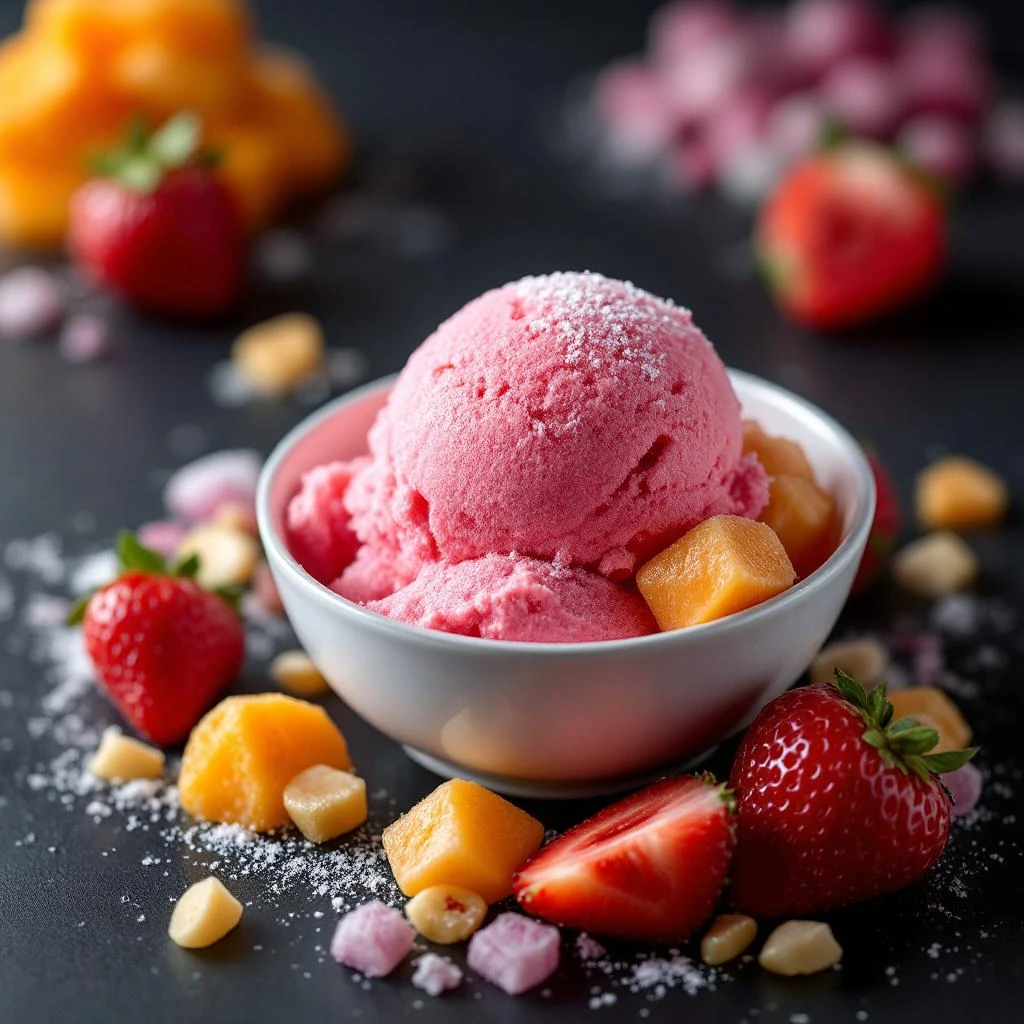
Sorbet is a modern perfumery accord, not a single ingredient. It recreates the refreshing, cold sensation of frozen fruit desserts using combinations of citrus oils, berry extracts, and synthetic coolant molecules like Frescolat ML. The effect is bright, sparkling, and thirst-quenching, designed to evoke that first spoonful of a frosty granita on a hot day.
Character
How it smells
A frosty burst of fruit that cools the skin and brightens the heart.
The word sorbet shares roots with sherbet, both descending from the Arabic "sharbah," meaning a drink. Persian kitchens documented flavored ice around 500 BC, giving us the ancestor of every fruit ices we enjoy today.






Origin
France
The concept of flavored ice traces back to the Persian Empire around 500 BC, where snow from mountains was preserved in underground chambers and drizzled with fruit juices and honey. This luxury spread through the Byzantine and Ottoman empires, evolving into the elaborate sherbets of palace kitchens. By the 17th century, Italian and French aristocracies were serving colorful sorbets between courses to cleanse the palate.
Perfumers borrowed this culinary tradition much later, creating fragrance accords that capture the sensation of biting into a frozen granita. Modern sorbet notes represent a crossover between food culture and perfumery, bottling a moment of refreshment that humans have sought for over 2,500 years.
Wears it best
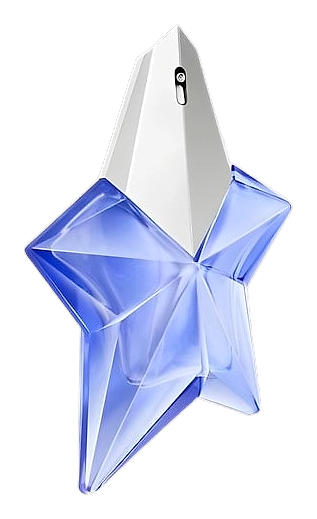
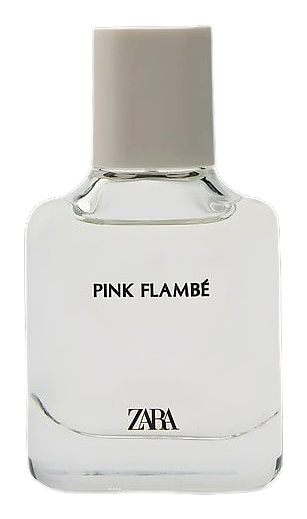
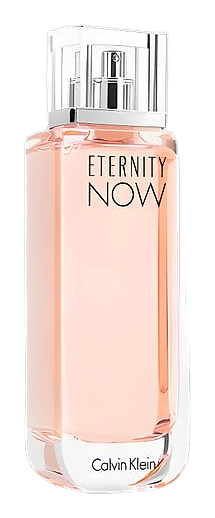
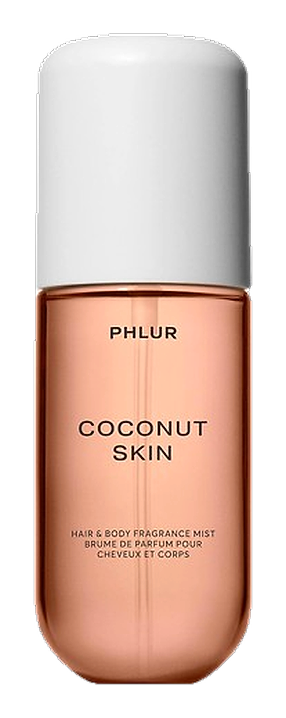
Fragrances featuring Sorbet
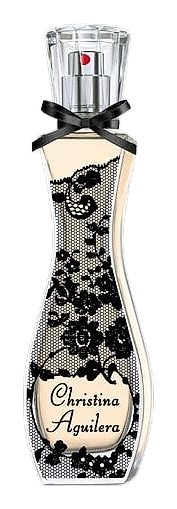
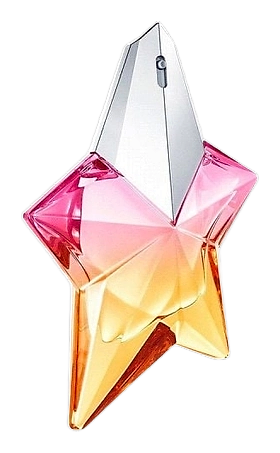
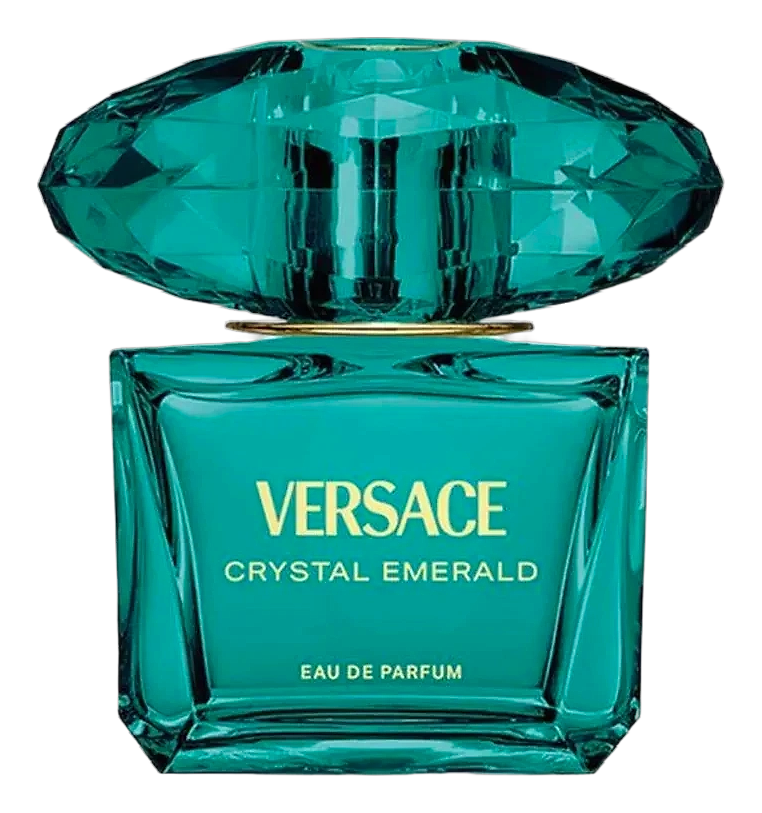
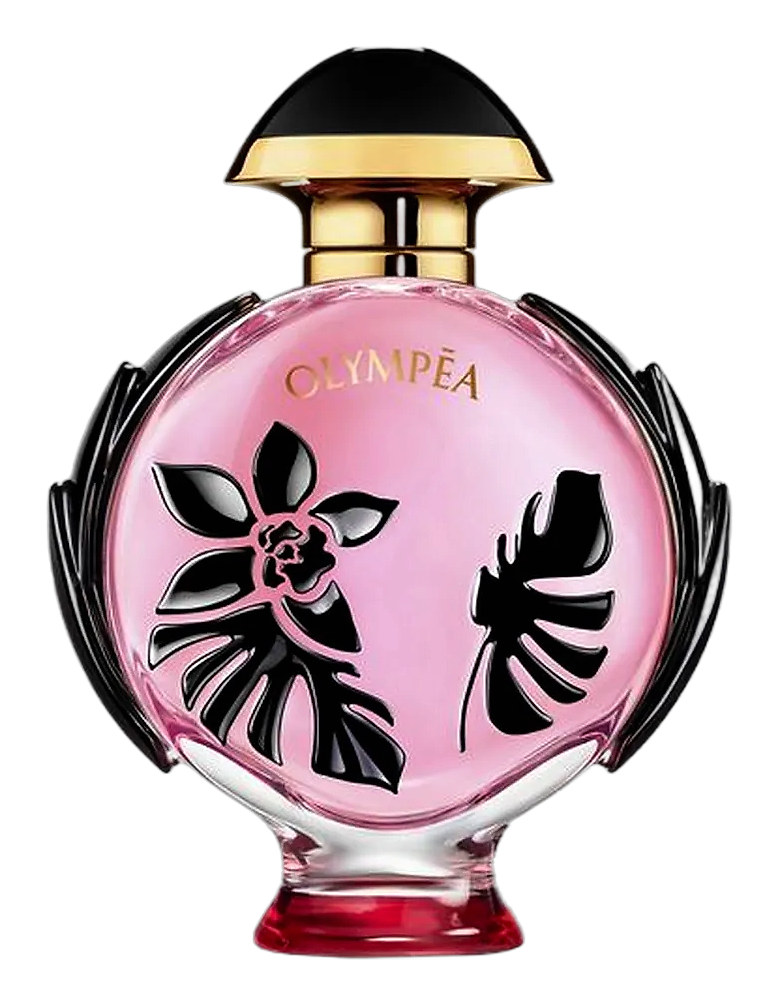


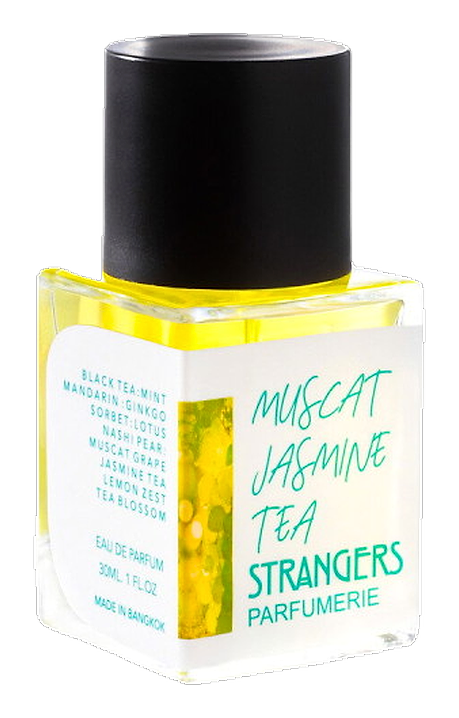
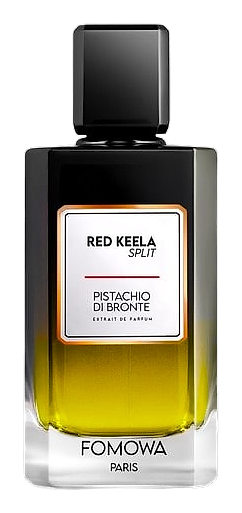
Brands
Brands known for Sorbet
Good to know
Questions, answered
The essentials on Sorbet in perfumery: how it smells, where it comes from, and how it behaves on skin.
What does Sorbet smell like in perfume?
Sorbet smells like a cold, sparkling fruit dessert. The accord combines bright citrus notes, sweet berry or tropical fruit nuances, and a synthetic cooling sensation that mimics the chill of frozen granules. The overall impression is refreshing, juicy, and crystalline.
Why is Sorbet used in perfumery?
Perfumers use sorbet accords to create a refreshing, thirst-quenching effect that brightens a fragrance composition. The accord gained popularity in the 2000s as consumers sought lighter, more refreshing scents. It adds energy and lift to top notes while creating a memorable sensory experience.
Is Sorbet in perfume natural or synthetic?
Sorbet is typically a hybrid accord combining natural citrus and fruit extracts with synthetic aroma chemicals. The cooling sensation often relies on synthetic compounds like Frescolat ML or Physcool, as no natural ingredient replicates the chill effect authentically.
What famous perfumes contain Sorbet?
Many modern fresh fragrances feature sorbet-style accords. Jo Malone London Lime Basil and Mandarin, Dolce Gabbana Light Blue, and Lancome La Vie Est Belle En Rose use bright, fruity-cool interpretations. The exact composition varies by brand.
Is Sorbet a top note, heart note, or base note?
Sorbet functions primarily as a top-to-heart note in perfumery. The bright citrus and cooling elements appear in the opening moments and fade within the first hour. Some deeper sorbet interpretations with fruit extracts can linger into the heart phase.
What notes pair well with Sorbet in perfume?
Sorbet pairs naturally with aquatic notes, white florals, transparent musks, and green tea. The cooling effect enhances citrus, cucumber, and melon accords. Avoid pairing with heavy orientals or dense resins, as the contrast overwhelms the delicate sorbet character.
How is Sorbet extracted?
Sorbet is not extracted from a single source. Perfumers blend citrus essential oils (cold-pressed or distilled), fruit extracts, and synthetic coolant molecules into a composite accord. The chemistry creates a sensation of cold without temperature change, a technique refined in fragrance laboratories over the past three decades.
Is Sorbet used in men's or women's fragrances?
Sorbet accords appear in both genders and gender-neutral fragrances. The bright, refreshing character suits summer scents marketed to anyone. Recent data shows 60% of new fresh fragrances launched between 2018 and 2023 incorporated sorbet-style cool fruit notes.