Green Citrus Fruits
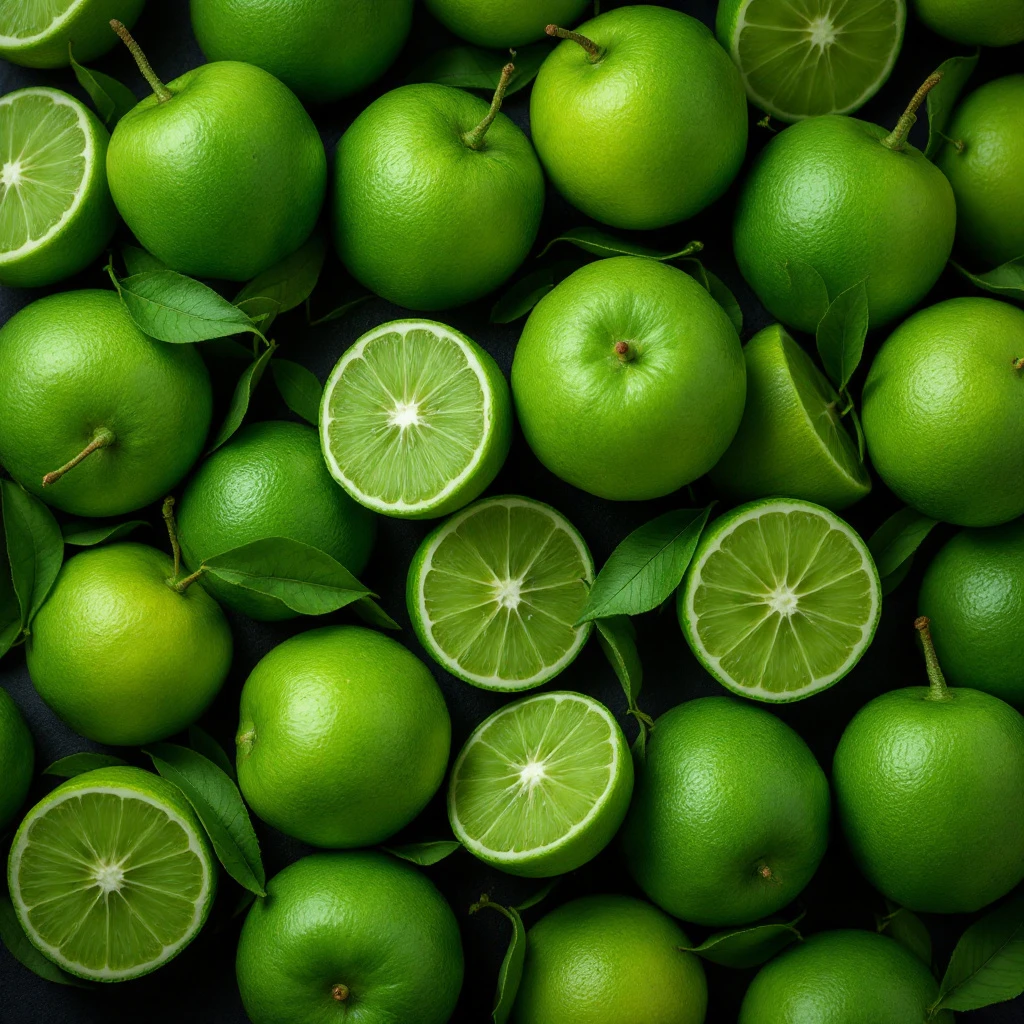
Green Citrus Fruits bring the sharp, vivid brightness of just-squeezed peels to perfumery. These zesty top notes lift compositions with crisp energy and immediate freshness, capturing sunlight in liquid form.
Character
How it smells
Sunlight squeezed from the peel
Calabrian artisans once harvested bergamot oil using scorze a mano, pressing each rind by hand against sponges, a method still practiced for the highest grades.




Origin
Italy
Citrus fruits entered perfumery long before modern chemistry made their oils commercially viable. The earliest evidence of citrus cultivation traces to China and Southeast Asia around 4,000 years ago, though these fruits did not reach Europe until Arab traders carried them through North Africa and into Sicily and Spain during the medieval period. By the 18th century, citrus oils had become foundational to European perfumery, anchoring the cologne tradition and providing the sparkling top notes of countless compositions.
Calabria emerged as the epicenter of bergamot production after the fruit arrived there in the 1700s, and the region's scorze a mano tradition, in which skilled artisans scraped rinds by hand, ensured the highest-quality oil for fine fragrance houses. The 19th century brought two parallel shifts: the industrial extraction of citrus oils using centrifugal machinery, and the synthesis of individual citrus molecules like citral and linalool. These developments allowed perfumers to stabilize volatile top notes and reconstruct citrus accords without dependence on harvest conditions.
Green Citrus Fruits today encompass a spectrum including bergamot, bitter orange, mandarin, clementine, grapefruit, and lime, each contributing distinct character while sharing the family signature of peel-derived luminosity.
Wears it best
Fragrances featuring Green Citrus Fruits

Brands
Brands known for Green Citrus Fruits
Good to know
Questions, answered
The essentials on Green Citrus Fruits in perfumery: how it smells, where it comes from, and how it behaves on skin.
What are Green Citrus Fruits in perfumery?
Green Citrus Fruits are fragrance notes derived from the peels of unripe or early-harvest citrus varieties such as bergamot, green mandarin, and petitgrain. They offer a sharper, more astringent character than fully ripe citrus, with pronounced green and bitter facets alongside the familiar zest.
Why do citrus notes fade so quickly on skin?
Citrus oils are rich in small, volatile monoterpenes like limonene that evaporate within minutes to two hours. To extend their life, perfumers blend citrus with fixatives such as musk or woody bases, or use folded oils where unstable terpenes have been removed.
What is bergamot and why is it so common in cologne?
Bergamot is a small citrus fruit grown almost exclusively in Calabria, Italy, prized for its complex oil balancing bright zest with subtle floral and bitter green notes. It became a signature of Eau de Cologne after the 18th century and anchors countless masculine and unisex compositions.
Is cold-pressed citrus oil better than distilled?
Cold expression preserves the full spectrum of aldehydes and fragile top notes that heat damages, producing a more vivid, true-to-fruit aroma. Distilled citrus oil is more stable and cheaper but lacks the luminous snap prized in fine fragrance.
What is petitgrain and how does it relate to green citrus?
Petitgrain is an essential oil distilled from the leaves, twigs, and unripe fruits of the bitter orange tree. It shares the citrus family brightness but adds a leafy, herbaceous greenness that extends the fresh effect beyond the fleeting top-note stage.
Are Green Citrus Fruits sustainable to source?
Citrus production generates significant peel waste, but most peel byproducts are now upcycled into pectin, animal feed, or further distillation. Calabrian bergamot growers operate under IGP protection, ensuring geographic traceability and supporting small-scale orchards.
How are synthetic citrus ingredients made?
Key citrus molecules like citral, linalool, and limonene are synthesized from petrochemical precursors or isolated from pine turpentine. These aroma chemicals allow perfumers to maintain consistent citrus accords year-round, independent of harvest variability.
What's the difference between green and ripe citrus notes?
Green citrus notes come from early-harvest or unripe fruit and emphasize bitter, vegetal, and herbaceous qualities. Ripe citrus notes lean toward sugary, juicy, and sweet characteristics. Many modern fragrances blend both for multidimensional top-note complexity.