Green Branches
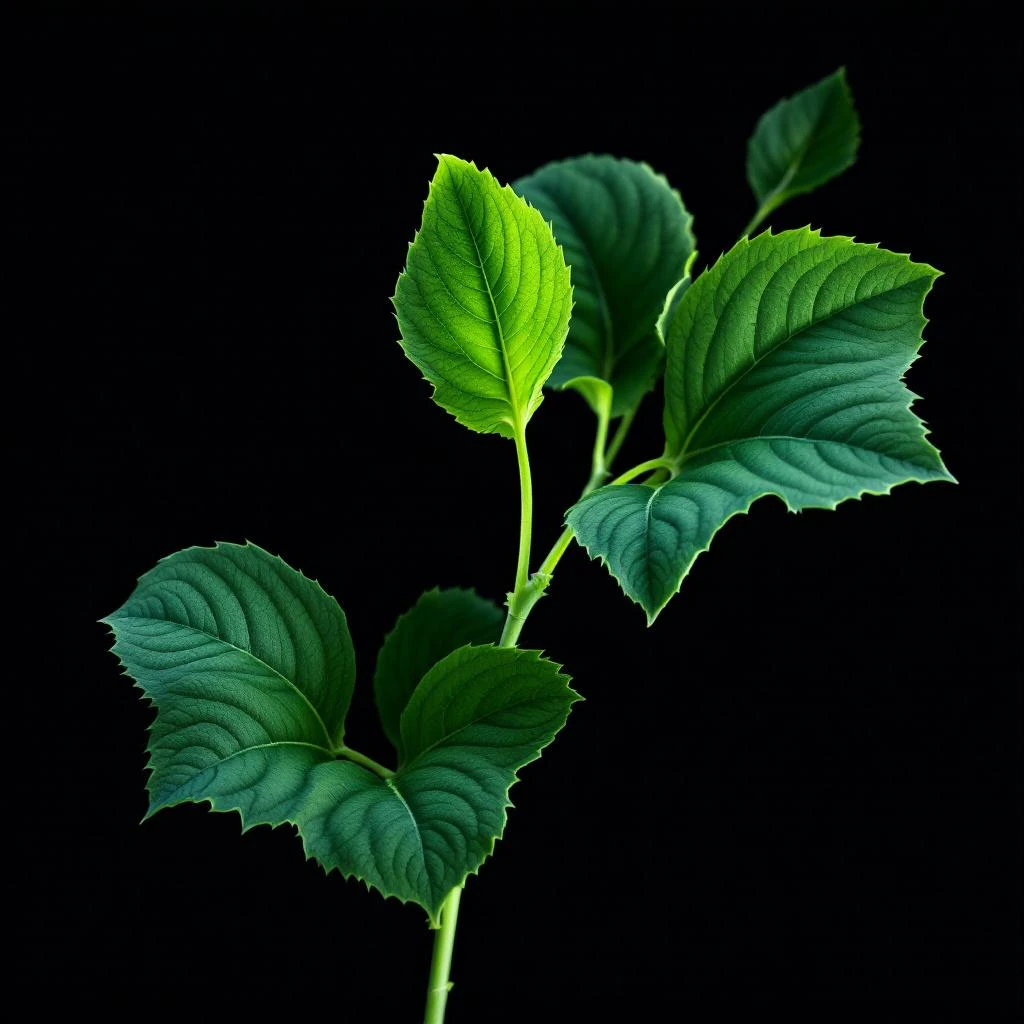
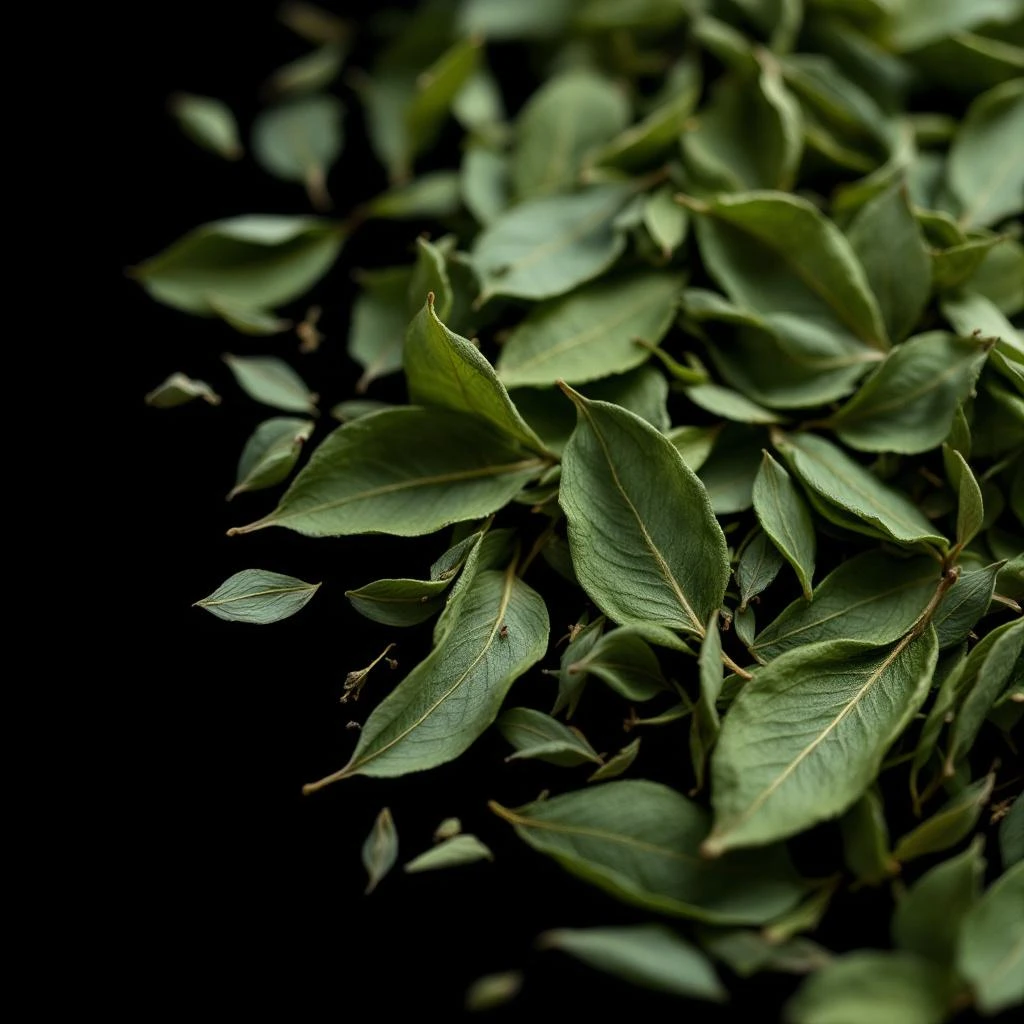
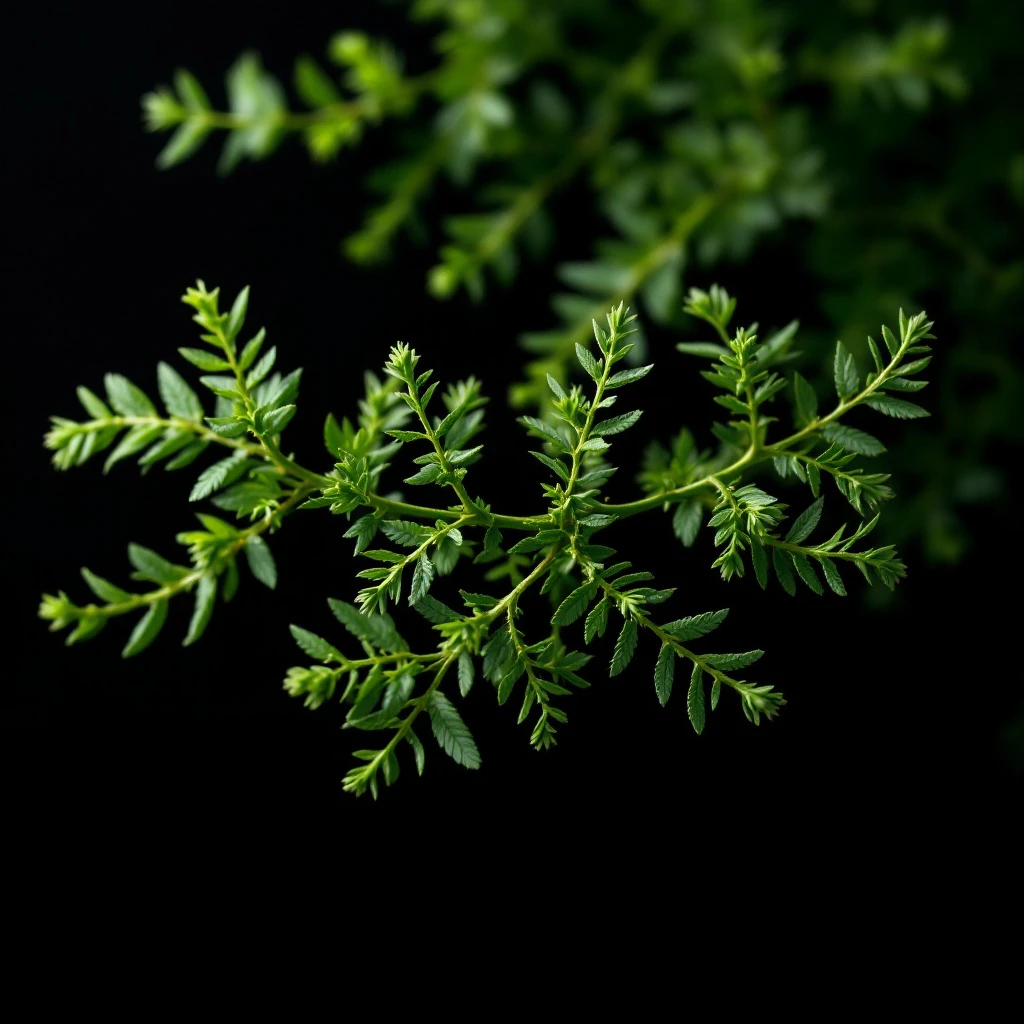
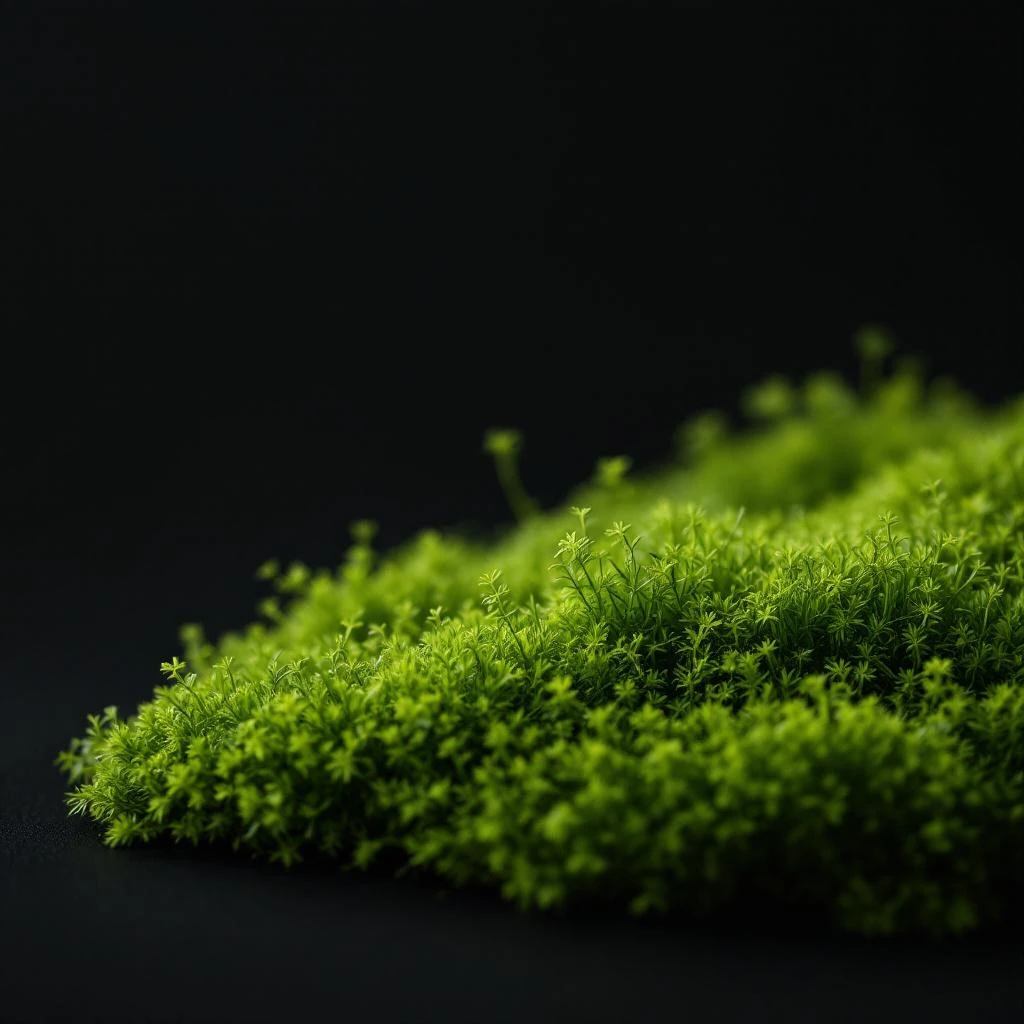
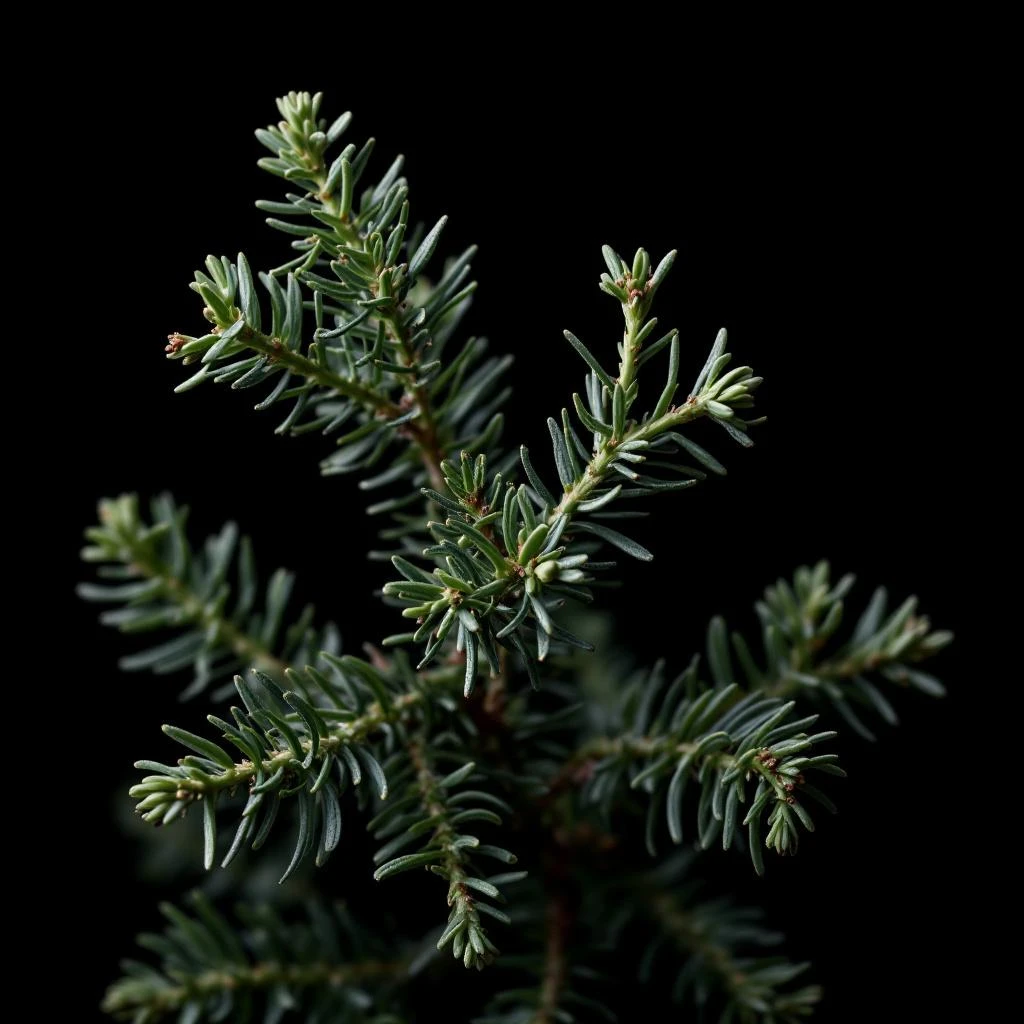
The crisp, living scent of freshly cut stems and dewy leaves. Green Branches captures the moment vegetation releases its scent when crushed, a sensory snapshot of botanical vitality in a bottle.
Character
How it smells
Crisp cut stems and the scent of living leaves.
The smell of crushed green stems activates the same olfactory receptors that detect rain, which is why green notes feel so refreshing.
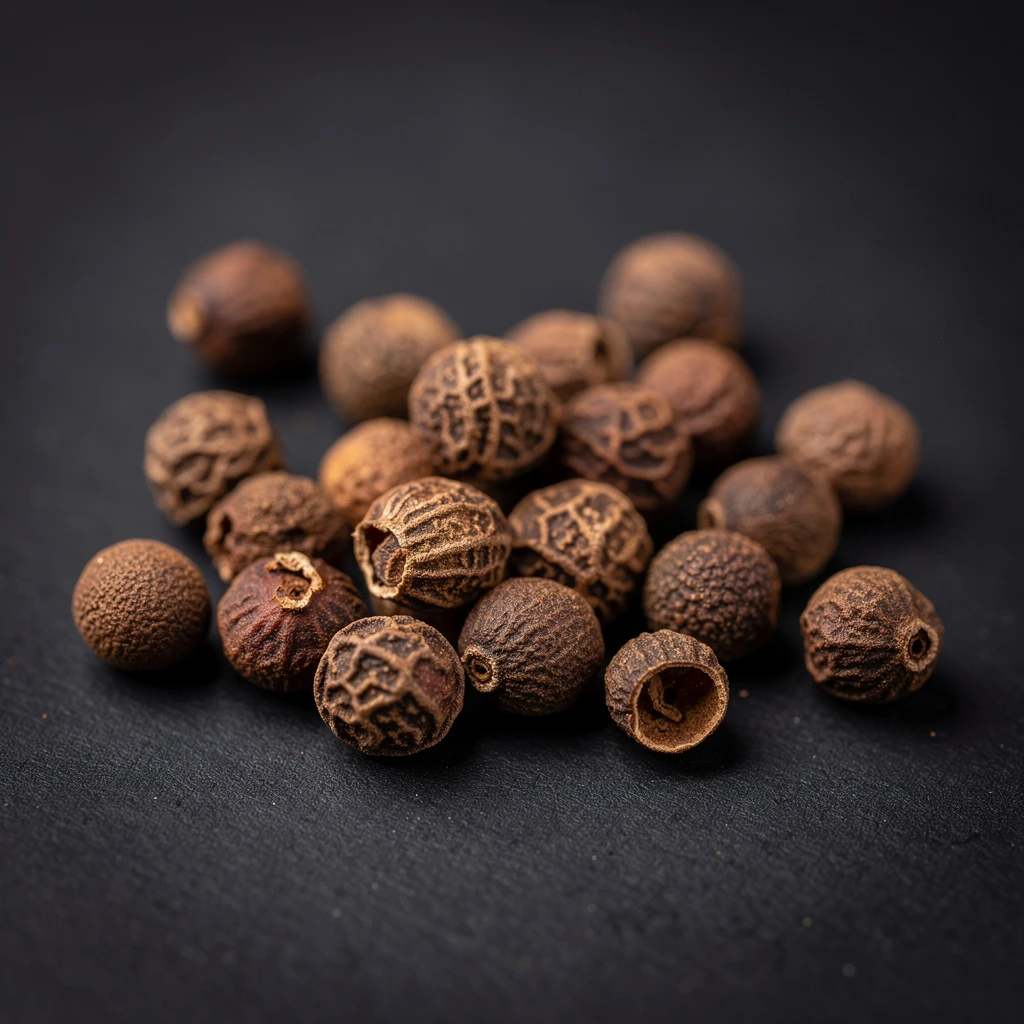
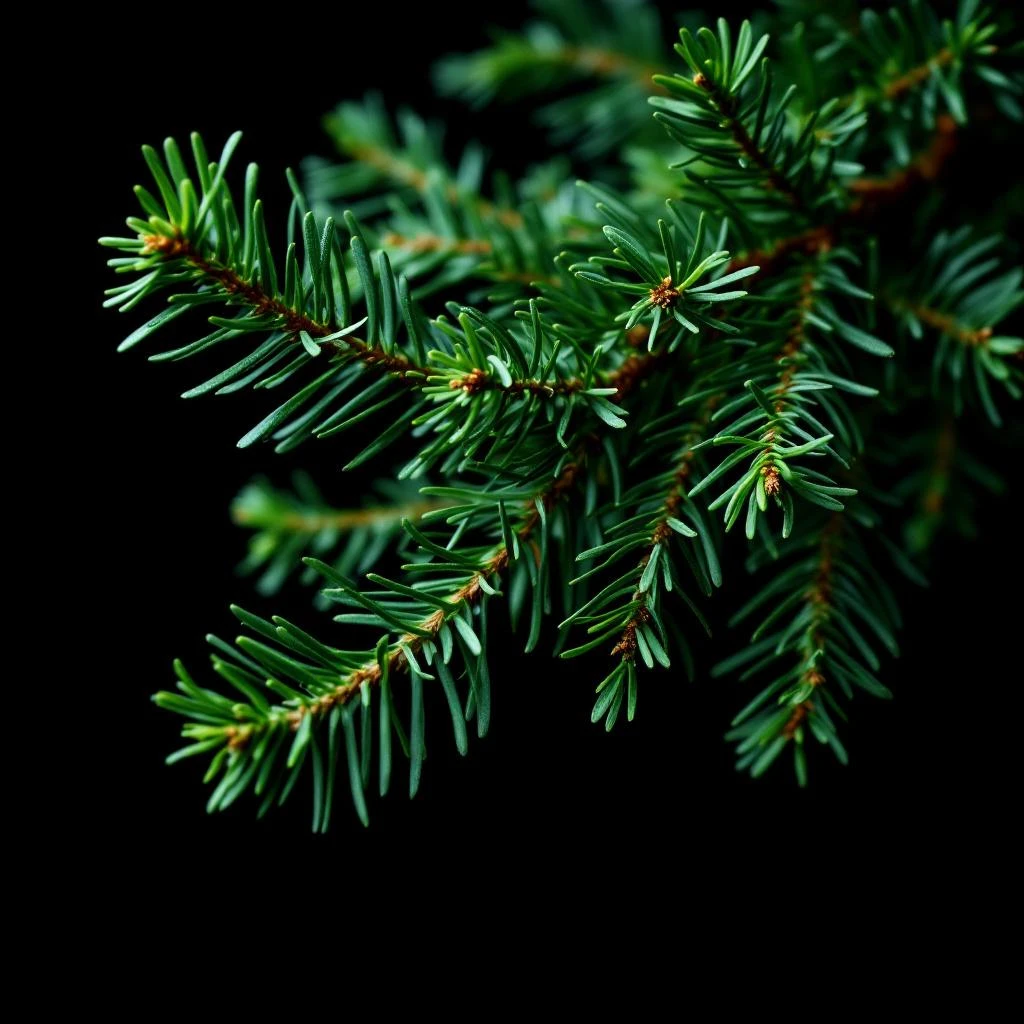
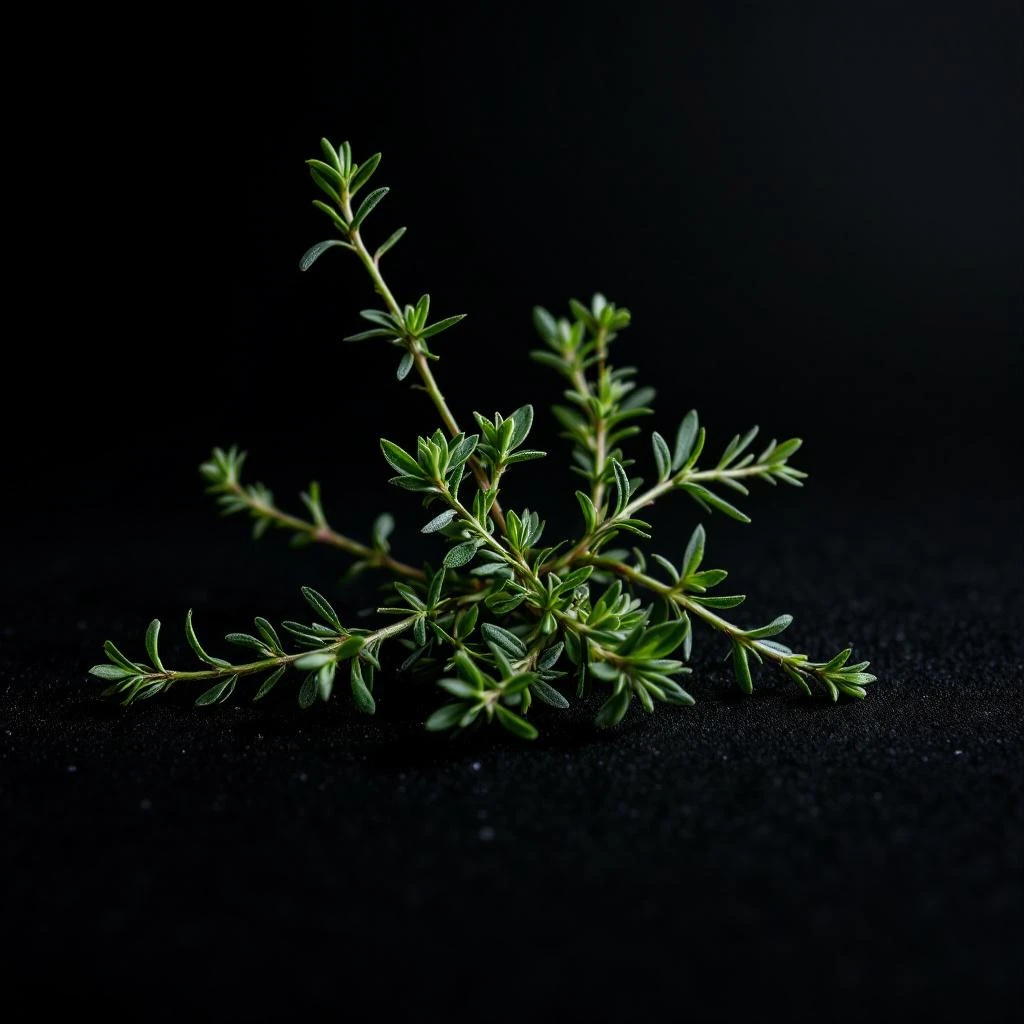
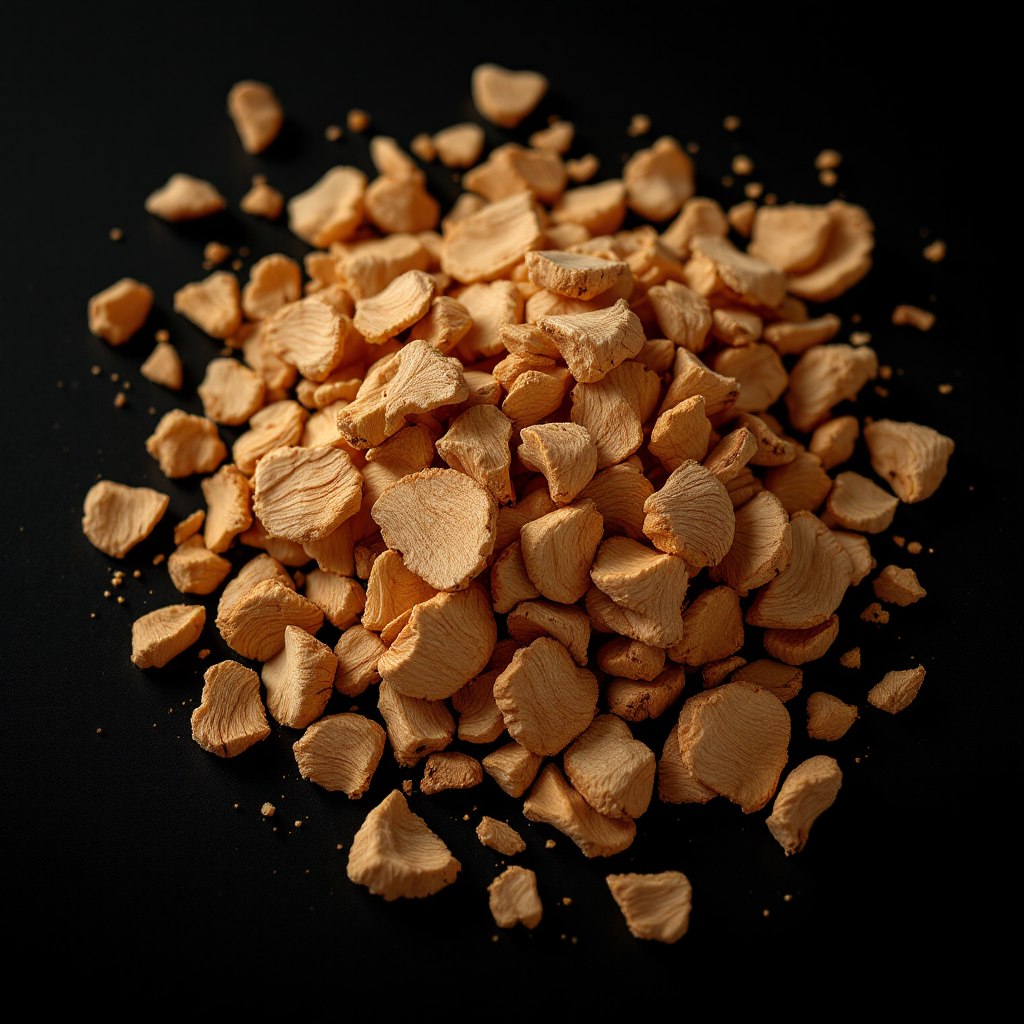
Origin
France
Perfumery first embraced green notes in the early 20th century when chemists began isolating the aromatic compounds responsible for fresh vegetation. Before this, perfumers relied on actual crushed leaves and stems, which lacked longevity.
The 1936 launch of Ma Griffe by Carven marked a turning point, featuring an intense green chypre structure that influenced generations of fragrance designers. Contemporary perfumers now blend natural green branch extracts with synthetic molecules like cis-3-hexenol to create complex, durable green accords that evoke the sensation of walking through a forest after rain.
Wears it best
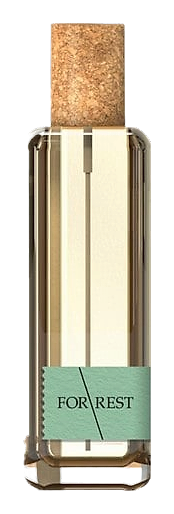
Fragrances featuring Green Branches
Brands
Brands known for Green Branches
Good to know
Questions, answered
The essentials on Green Branches in perfumery: how it smells, where it comes from, and how it behaves on skin.
What does Green Branches smell like?
Green Branches smells like freshly crushed stems and dewy leaves, evoking the scent of cut grass and living vegetation. The aroma is crisp, vegetal, and slightly bitter with an aquatic quality reminiscent of morning dew. It captures the immediate scent a plant releases when damaged.
Is Green Branches a natural or synthetic ingredient?
Green Branches can be either natural or synthetic. Natural versions come from distilling or extracting fresh plant material, while synthetic versions replicate specific green-smelling molecules like cis-3-hexenol. Most modern fragrances use a combination of both to achieve consistent, long-lasting green effects.
Which famous fragrances feature Green Branches prominently?
Several landmark fragrances showcase green branch notes, including Ma Griffe (1943), which defined the green chypre category, and Eau de Soleil by Armani (1976). These compositions use green notes as structural elements that brighten and lift their heart and base components.
What plants provide natural Green Branches notes?
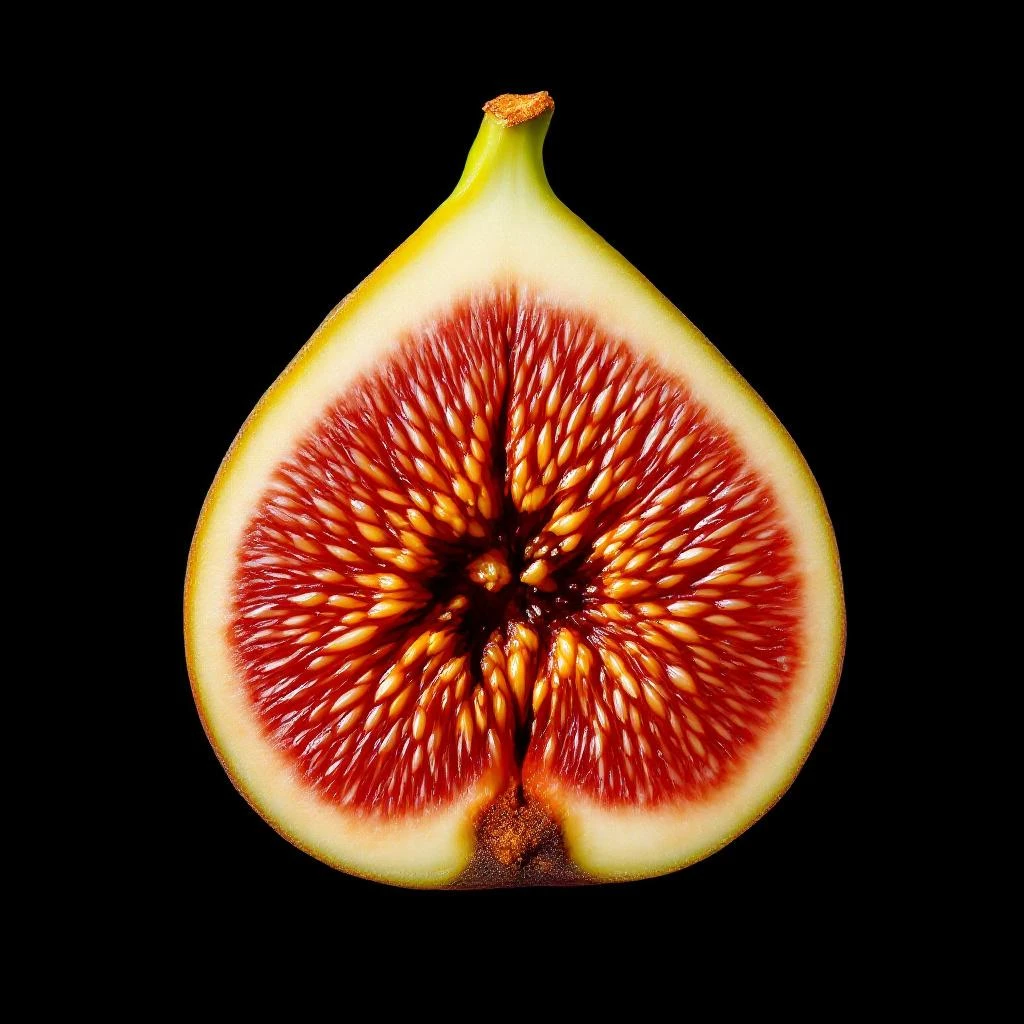
Multiple botanicals yield green branch materials. Galbanum resin provides intensely green, bitter notes. Violet leaf absolute offers fresh, dewy green facets. Fig leaf and tomato leaf extracts contribute sweeter green characteristics. Fresh-cut grass and various herb stems also provide authentic green branch aromatics.
How do perfumers extract scent from green plant material?
Perfumery extracts green scents through steam distillation or solvent extraction. Steam distillation works well for robust stems and leaves, while solvent extraction preserves delicate aromatic molecules in fragile plant tissues. Both methods require immediate processing after harvest to capture peak aromatic intensity.
Does Green Branches fade quickly in a fragrance?
Natural green branch materials tend to evaporate faster than heavier base notes, making them top-to-heart fragrance elements. On skin, expect noticeable green effects for two to four hours depending on concentration. Synthetic green molecules extend longevity while maintaining the fresh, natural character.
Can I grow plants at home to experience Green Branches scent?
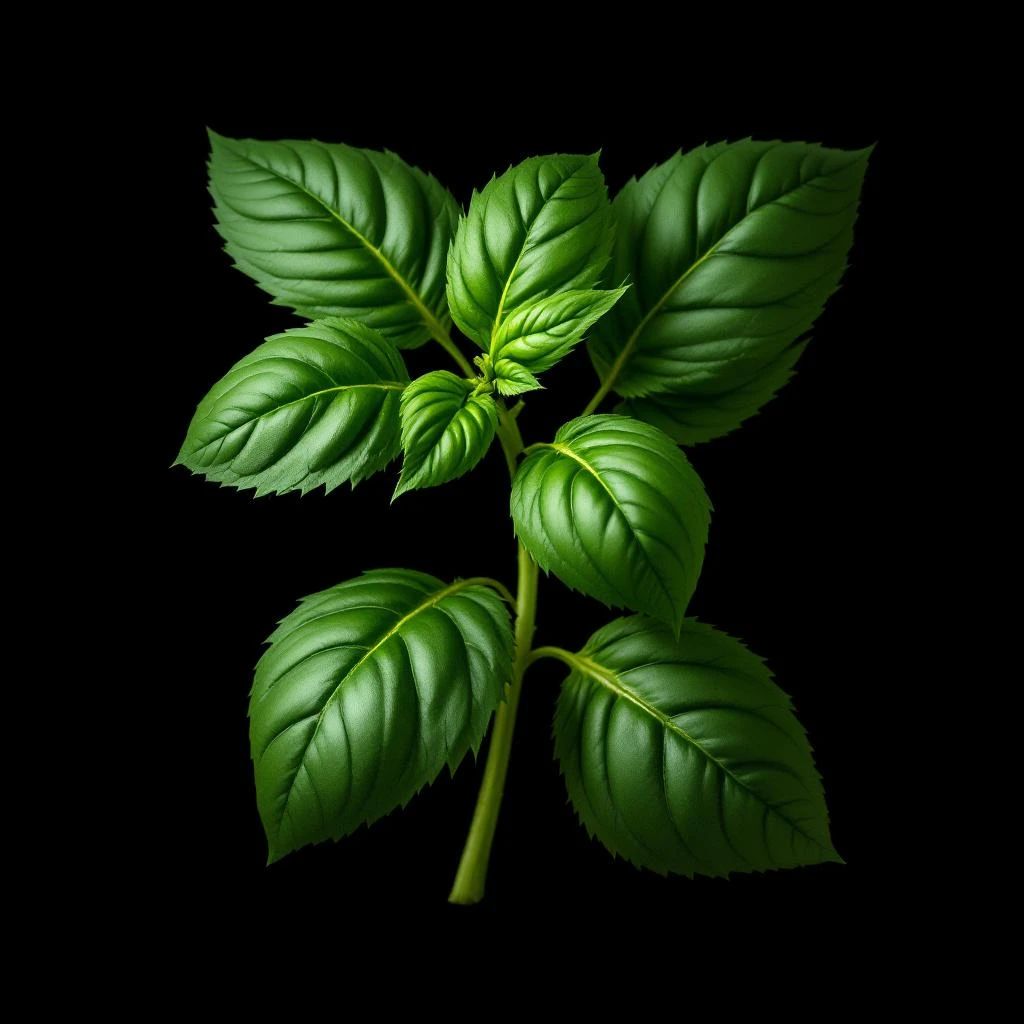
Growing fragrant green plants at home is straightforward. Crushing fresh basil, mint, tomato leaves, or grass between your fingers releases similar aromatic compounds. Harvesting in early morning when dew is present maximizes the intensity of these green-smelling essential oils.
What fragrance families pair well with Green Branches?
Green Branches notes complement floral, citrus, and chypre compositions particularly well. They add lift and freshness to heavy florals while providing natural counterpoint to citrus brightness. In chypre structures, green notes replace traditional bergamot for a more vegetal, modern character.