Green Bitter Orange
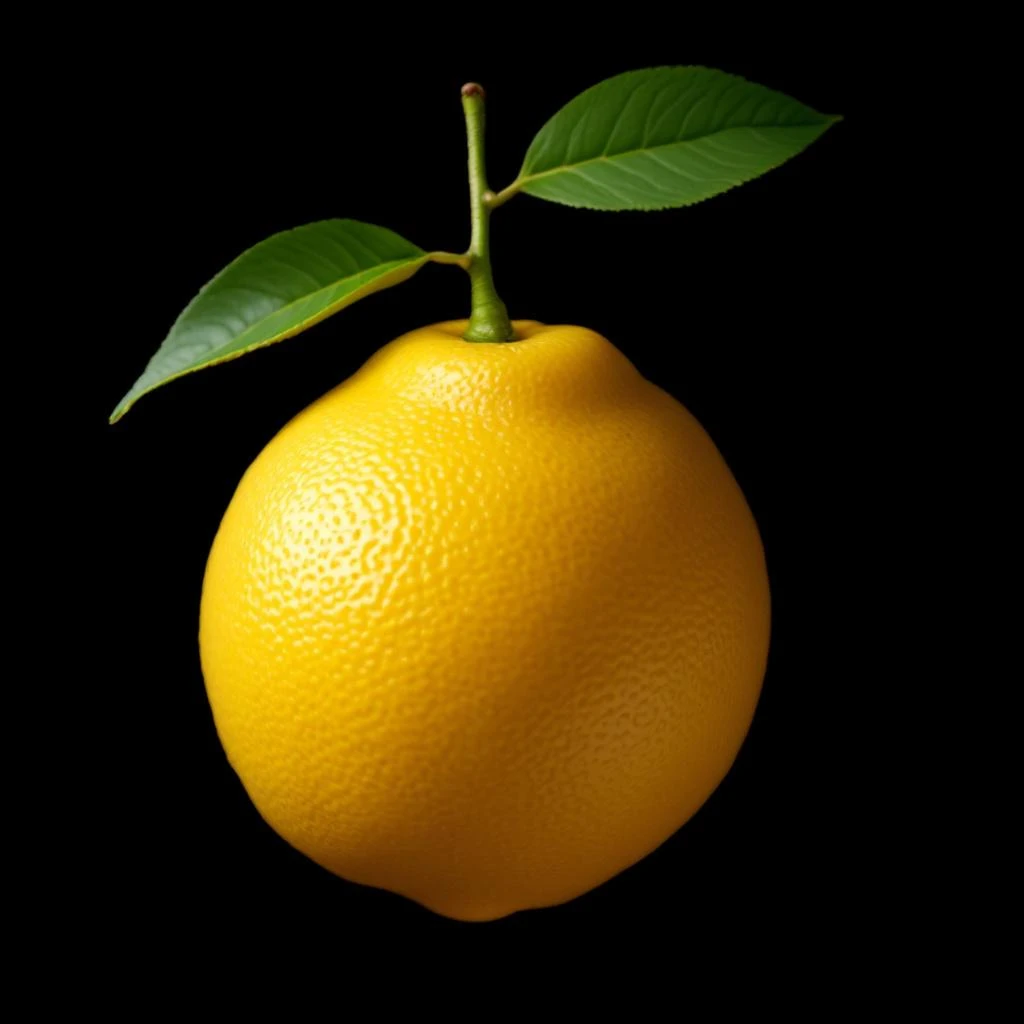
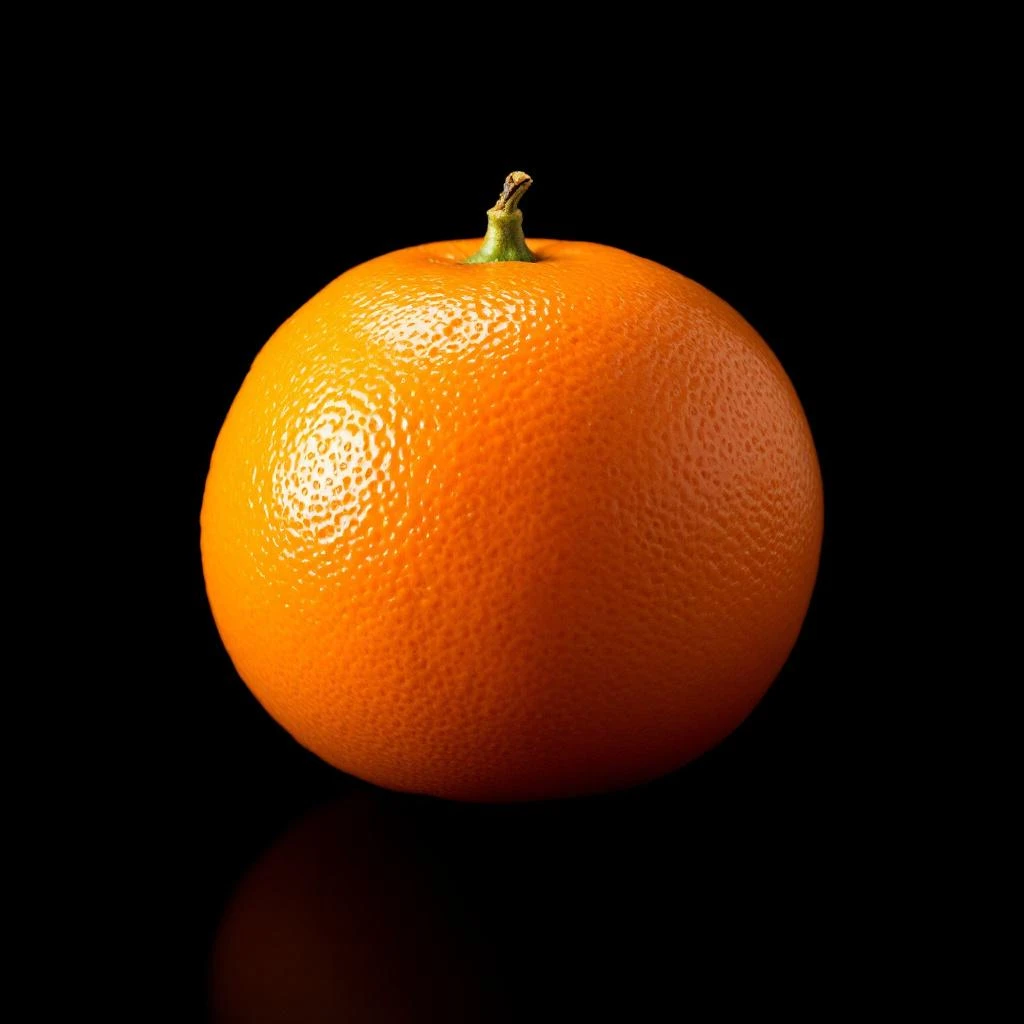
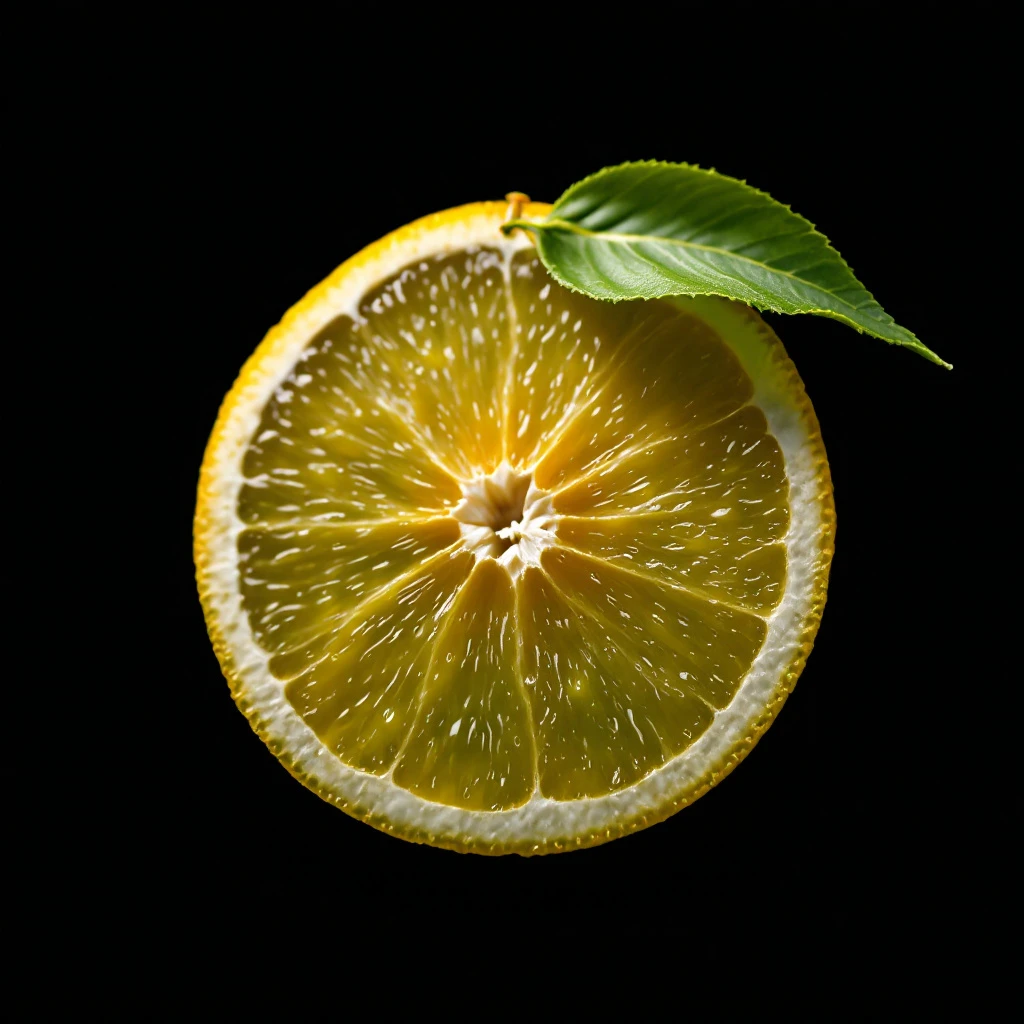
The bitter orange tree is one of perfumery's most generous botanicals. From a single tree, artisans harvest multiple aromatic treasures: tart peel oil, delicate neroli from the blossoms, and petitgrain from the leaves and twigs. Each extract carries a distinct character, yet all share a crisp, vibrant quality rooted in the same Mediterranean soil.
Character
How it smells
One tree, three aromatic gifts.
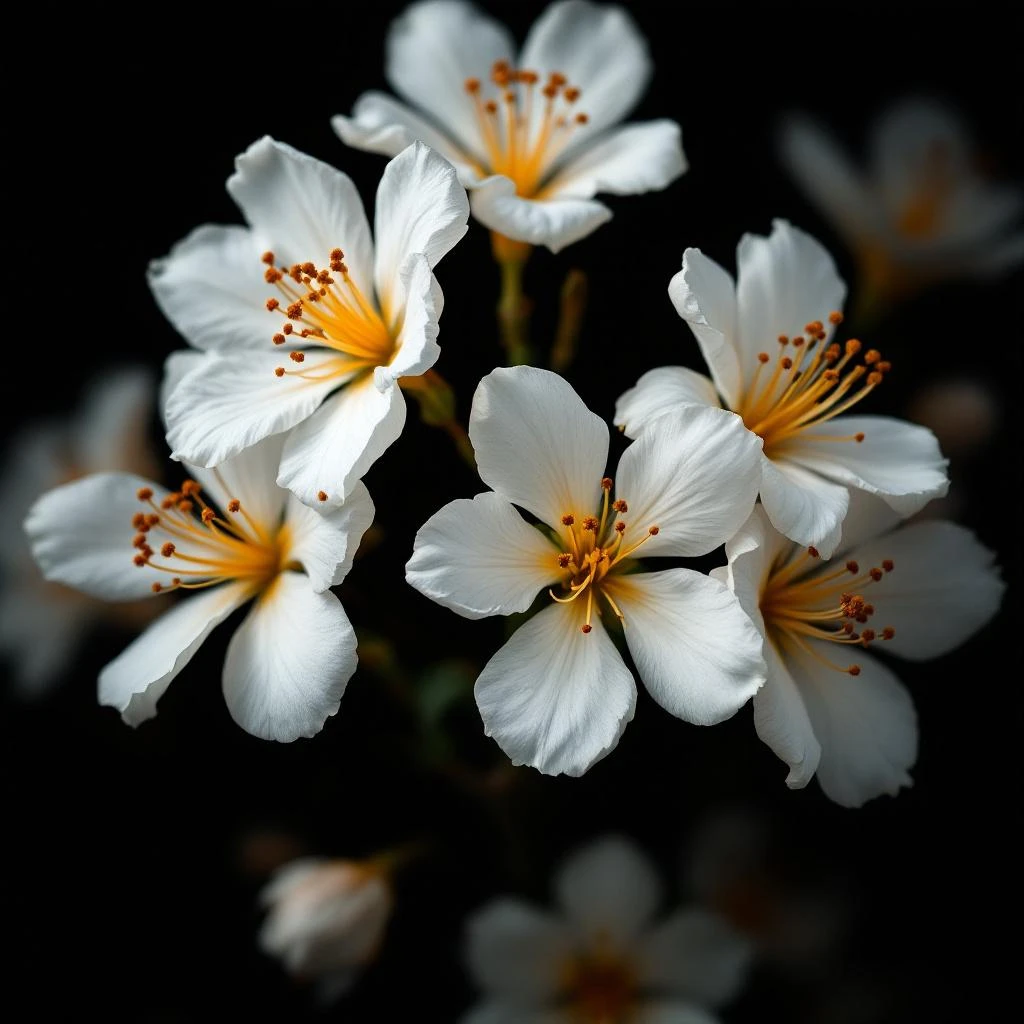
It takes roughly one ton of bitter orange blossoms to produce just one to two kilograms of neroli oil, making it one of the most coveted citrus materials in perfumery.







Origin
Spain
The bitter orange tree traveled eastward from its Southeast Asian origins along ancient trade routes. Arab merchants introduced it to the Mediterranean by the 10th century, and by the Middle Ages, Seville had become its European heartland. Spanish and Portuguese traders later carried it to the Americas, where it thrived in the tropical climates of the Caribbean and Florida.
The tree became woven into the cultural fabric of many regions. In France, the Duchess of Neroli popularized its blossom oil in the 17th century, giving neroli its name. Throughout history, bitter orange blossoms have decorated wedding bouquets across the Mediterranean, symbolizing purity and fertility.
Perfumers discovered that each part of the tree offered something different: the peel for brightness, the blossoms for elegance, and the leaves for green, grounding freshness.
Wears it best
Fragrances featuring Green Bitter Orange


Brands
Brands known for Green Bitter Orange
Good to know
Questions, answered
The essentials on Green Bitter Orange in perfumery: how it smells, where it comes from, and how it behaves on skin.
What is Green Bitter Orange in perfumery?
Green Bitter Orange refers to petitgrain oil, extracted from the leaves and twigs of the bitter orange tree. It delivers a fresh, bittersweet citrus scent with green, slightly woody undertones that differ markedly from the sweet, juicy character of ripe orange peel.
What does Green Bitter Orange smell like?
The scent opens with bright, tart citrus that feels zestier than sweet orange. A distinctive green, almost leafy quality follows, balanced by subtle woody and bitter undertones. The overall impression is crisp, fresh, and slightly herbaceous, like crushed citrus leaves.
How is Green Bitter Orange extracted?
Petitgrain oil undergoes steam distillation. Distillers collect young leaves and twigs from the bitter orange tree, then pass pressurized steam through the plant material. The steam releases the aromatic compounds, which condense into oil. This method preserves the green, fresh character without harshness.
What parts of the bitter orange tree are used in perfumery?
The tree yields three primary materials. The peel provides bitter orange essential oil via cold pressing. The delicate white blossoms produce neroli oil through steam distillation. The leaves and twigs yield petitgrain oil, also via steam distillation. Orange blossom absolute comes from solvent extraction of the flowers.
Why is Green Bitter Orange considered valuable in perfumery?
A single ton of bitter orange blossoms produces only one to two kilograms of neroli oil. Petitgrain is more abundant but requires careful timing during harvest. The complexity and versatility of these materials, combined with limited yields for certain extracts, place bitter orange derivatives among the more prized citrus ingredients.
Where does the best bitter orange for perfumery grow?
Spain, particularly the Seville region, has cultivated bitter oranges for centuries and remains a significant source. Tunisia produces excellent orange blossom absolute. Paraguay is known for quality petitgrain. The soil and climate of these regions shape the aromatic profile of the final material.
How do perfumers use Green Bitter Orange in compositions?
Perfumers layer different bitter orange extracts to build complex citrus accords. Petitgrain adds green, anchoring qualities that prevent a fragrance from smelling overly sweet or fleeting. Neroli brings elegant florality. The combination creates citrus scents with depth, suitable for both men's and women's fragrances across multiple scent families.
Is Green Bitter Orange sustainable?
Responsible sourcing matters. Petitgrain production must avoid overharvesting leaves and twigs, which can stress trees if done too aggressively. Some producers cultivate dedicated bitter orange groves for consistent quality and sustainable yields. Certification programs help ensure ethical harvesting practices across the supply chain.