Greek Labdanum
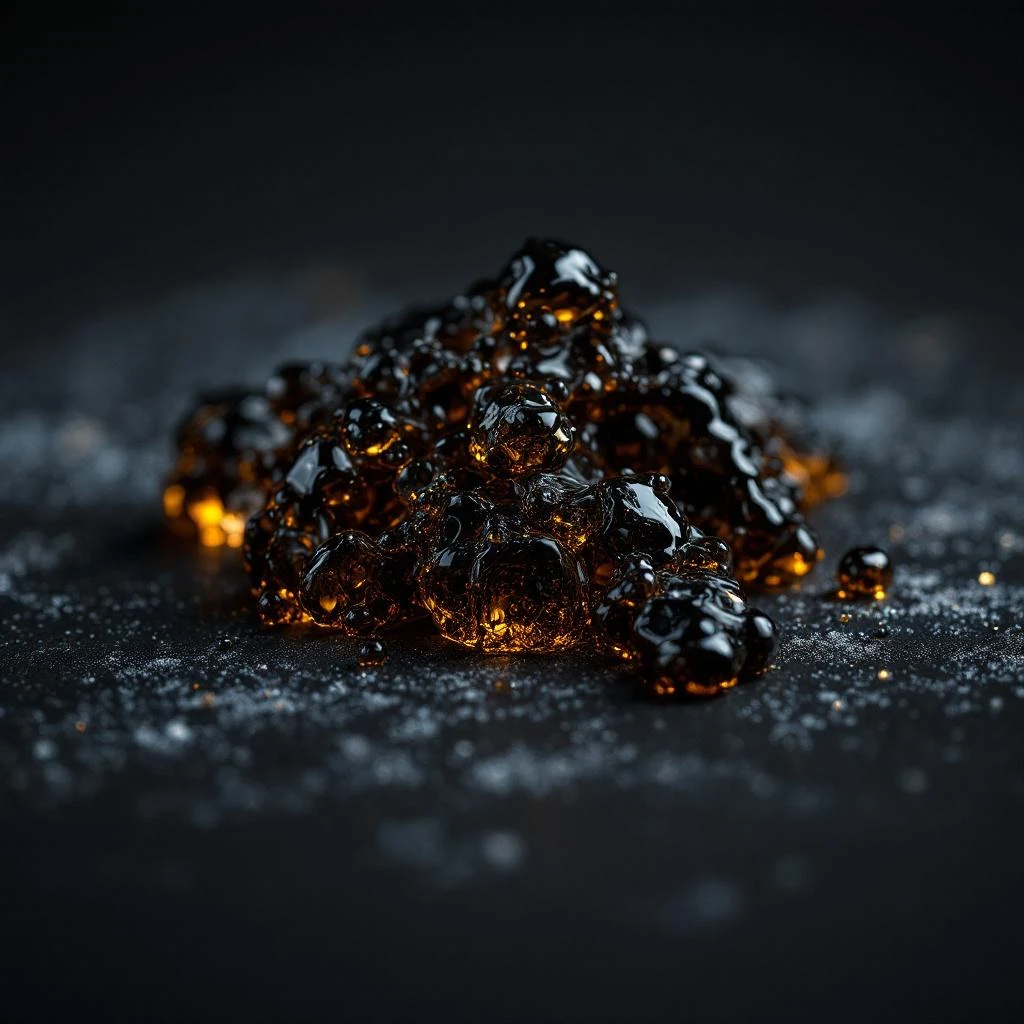
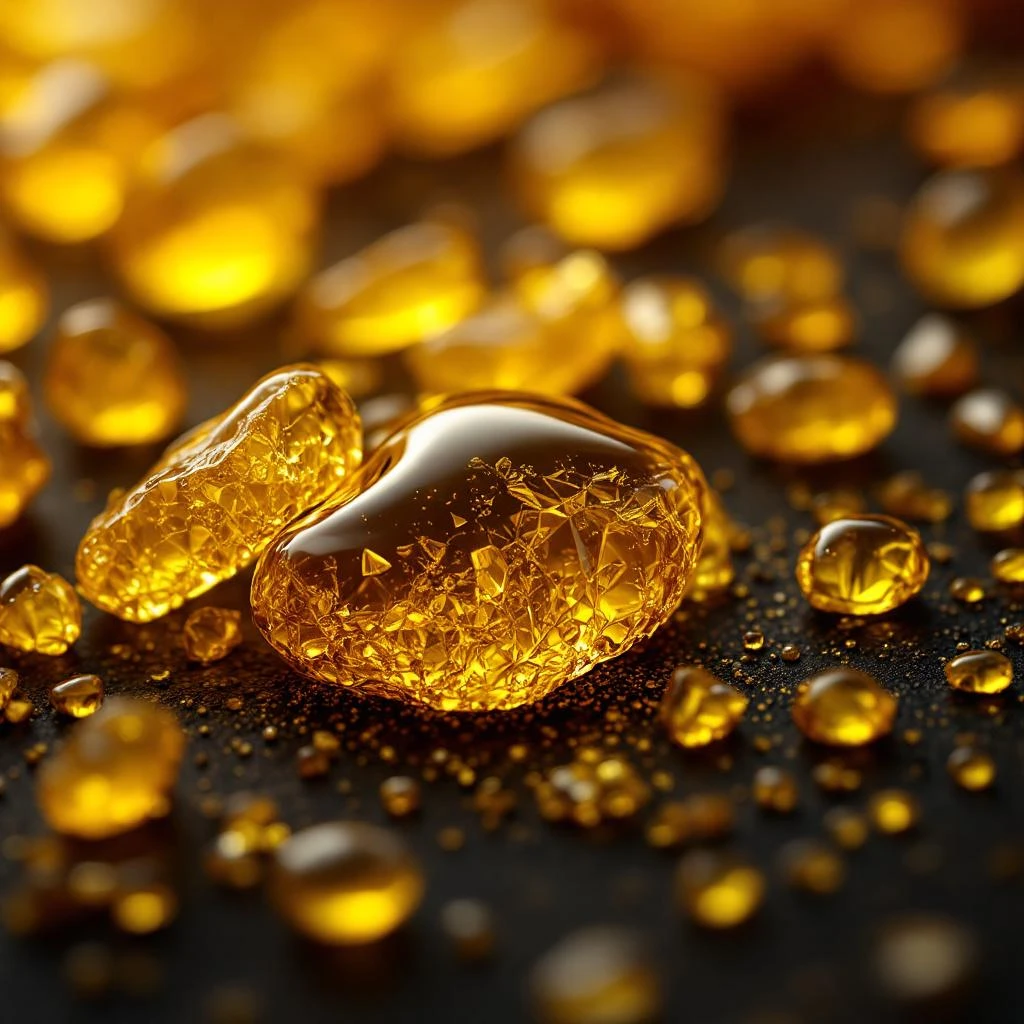
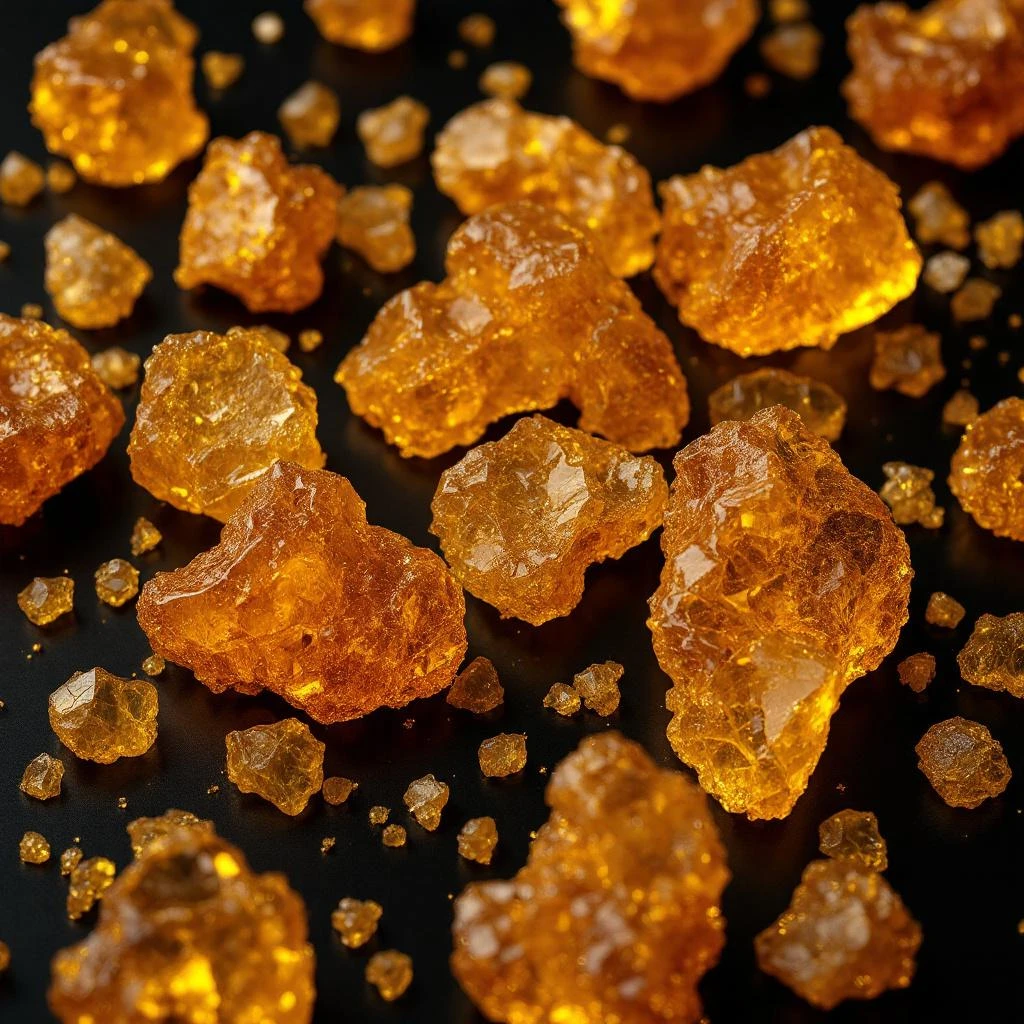
Greek Labdanum is a dark, viscous resin harvested from the Cistus ladanifer shrub that grows wild across sun-baked Mediterranean hillsides. Its warm, balsamic aroma forms the ancient foundation of amber and chypre fragrances, lending depth and animalic warmth that has captivated perfumers for millennia.
Character
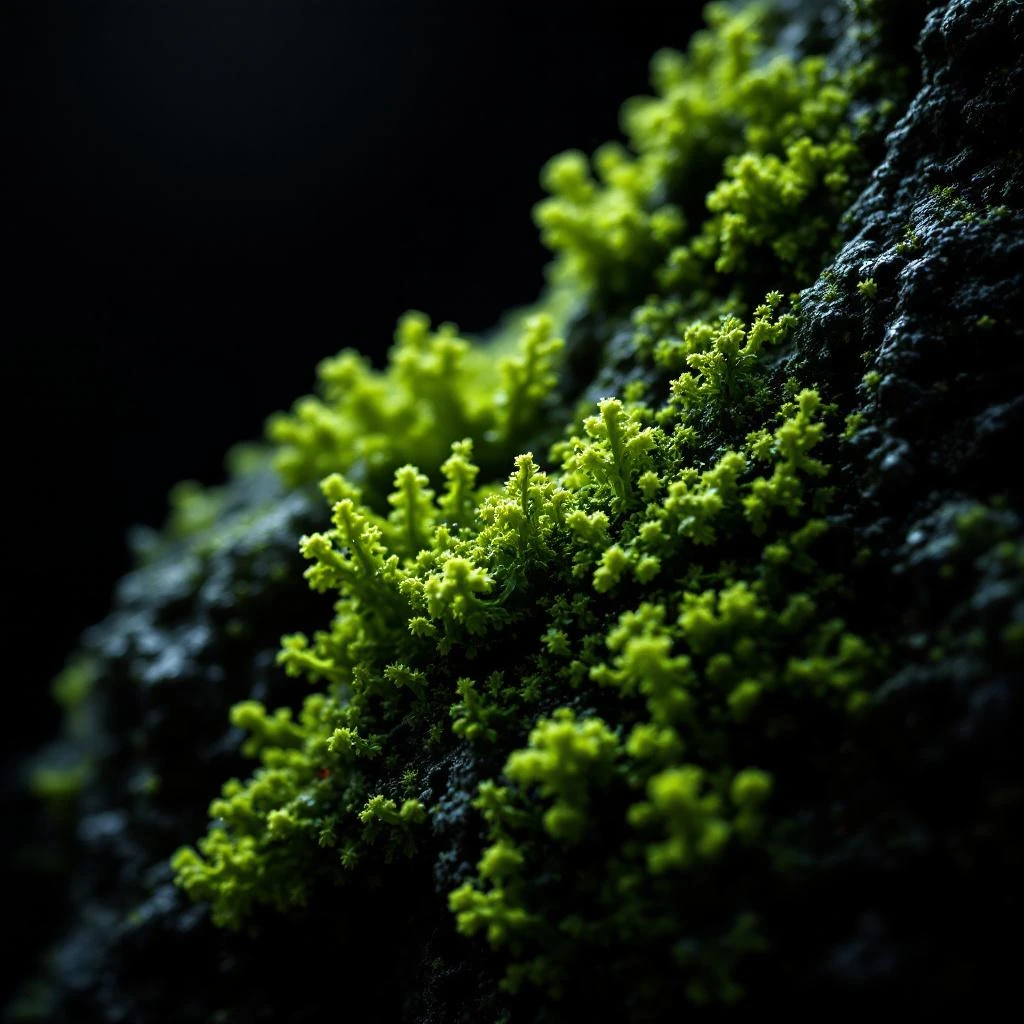
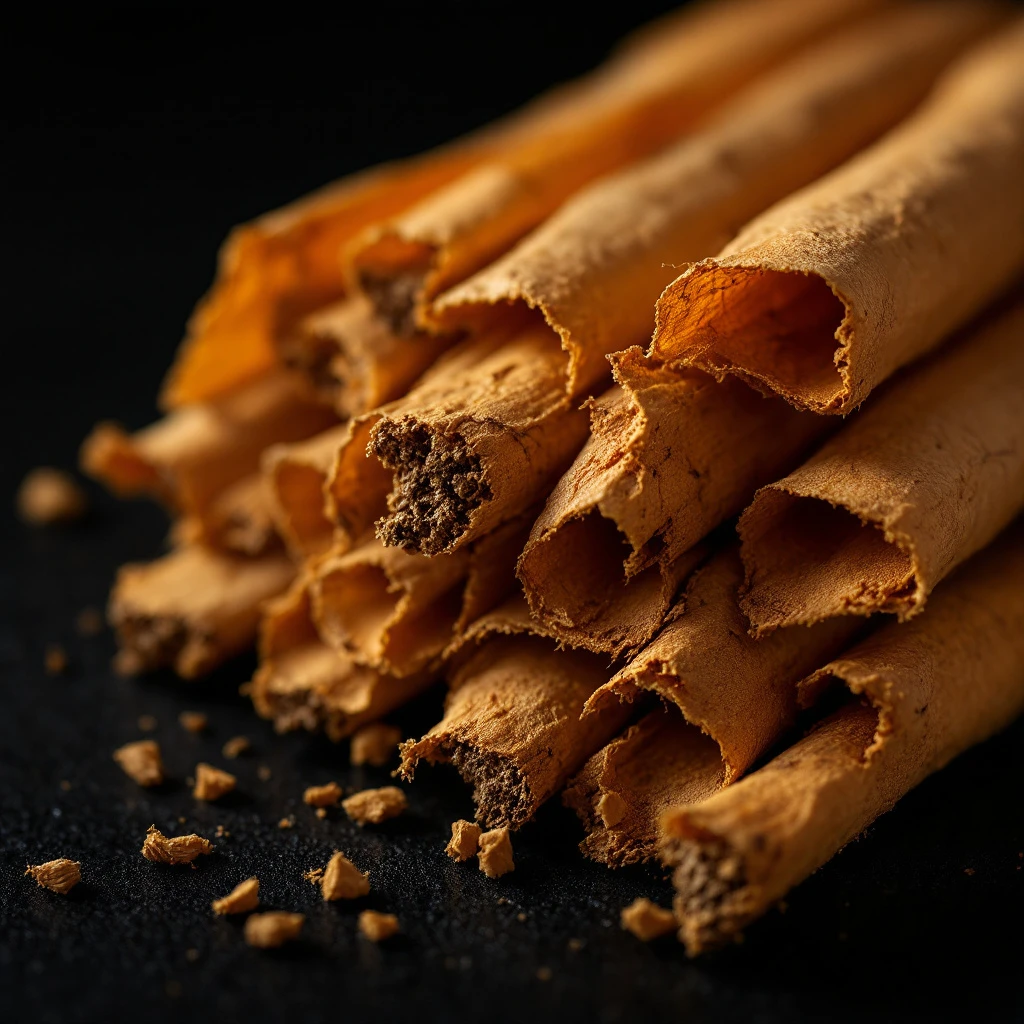
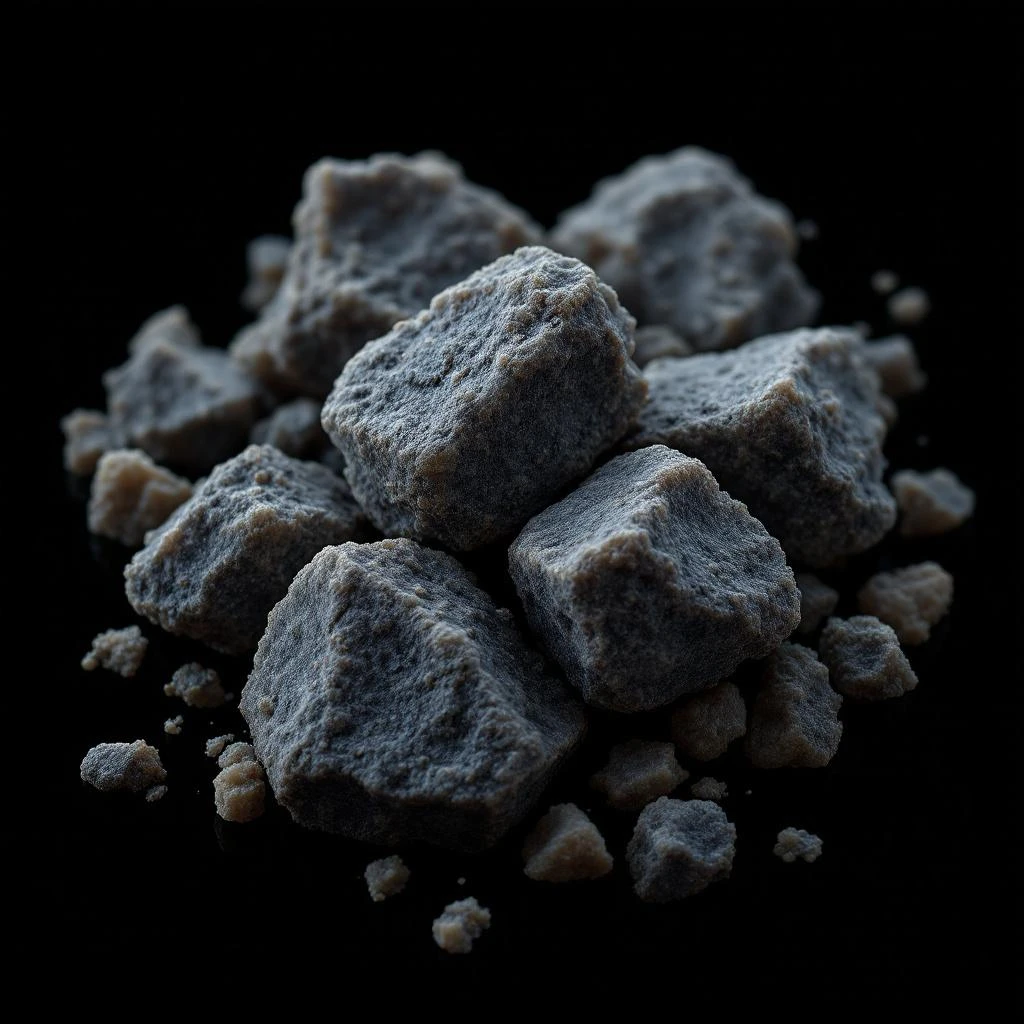
How it smells
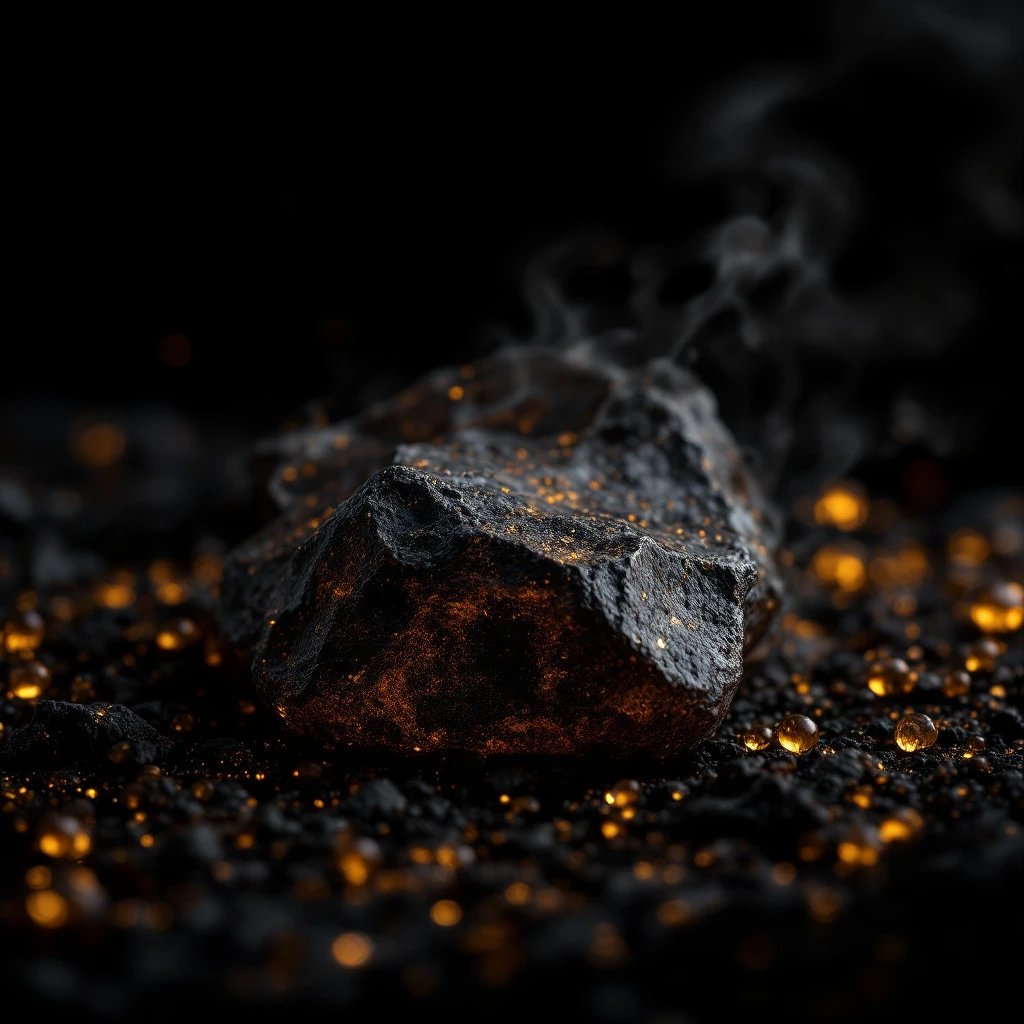
The ancient resin that defined amber.
Ancient shepherds collected labdanum by combing it from the beards and coats of goats and sheep that grazed near Cistus bushes.




Origin
Greece
Greek Labdanum carries one of perfumery's most remarkable origin stories. The ancient historian Herodotus documented how Arabian shepherds first discovered this resin by accident. As their goats and sheep grazed through Cistus ladanifer groves, the plant's sticky exudate clung to their coats and beards.
The shepherds noticed the fragrant substance and learned to comb it from their animals, establishing a harvesting practice that continued for centuries. Trade routes eventually spread labdanum throughout the ancient Mediterranean world, where Egyptian priests used it in sacred incense and cosmetics. The resin appears in texts dating back over 3,000 years, appearing under names like ladanan and black balsam.
Phoenician traders recognized its value and transported it across the Mediterranean, making it a commodity as prized as frankincense. Greek physicians incorporated it into medicinal preparations, while perfumers in Alexandria developed techniques to extract its aromatic properties more efficiently. By the time modern perfumery emerged in the 19th century, labdanum had already shaped fragrance traditions for three millennia.
Wears it best
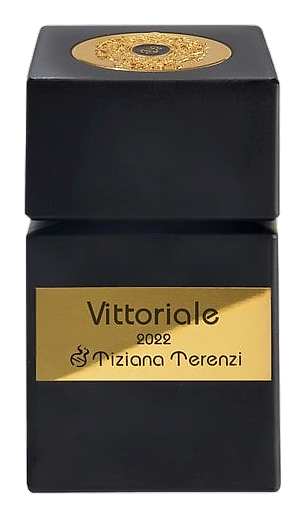
Fragrances featuring Greek Labdanum
Brands
Brands known for Greek Labdanum
Good to know
Questions, answered
The essentials on Greek Labdanum in perfumery: how it smells, where it comes from, and how it behaves on skin.
What does Greek Labdanum smell like?
Greek Labdanum has a warm, balsamic aroma with rich animalic undertones. Its scent combines notes of sweet resin, dry leaves, and a leathery depth that forms the classic amber accord in perfumery.
Where does Greek Labdanum originate?
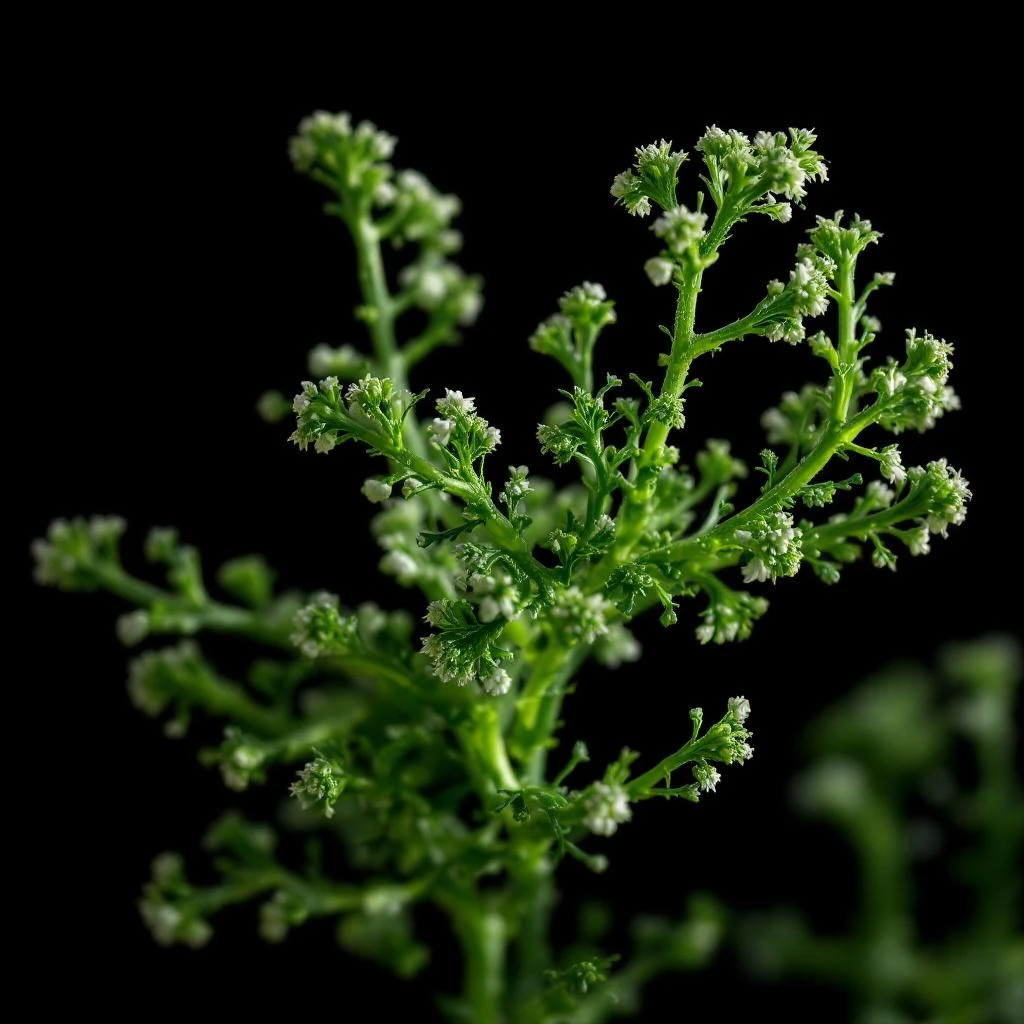
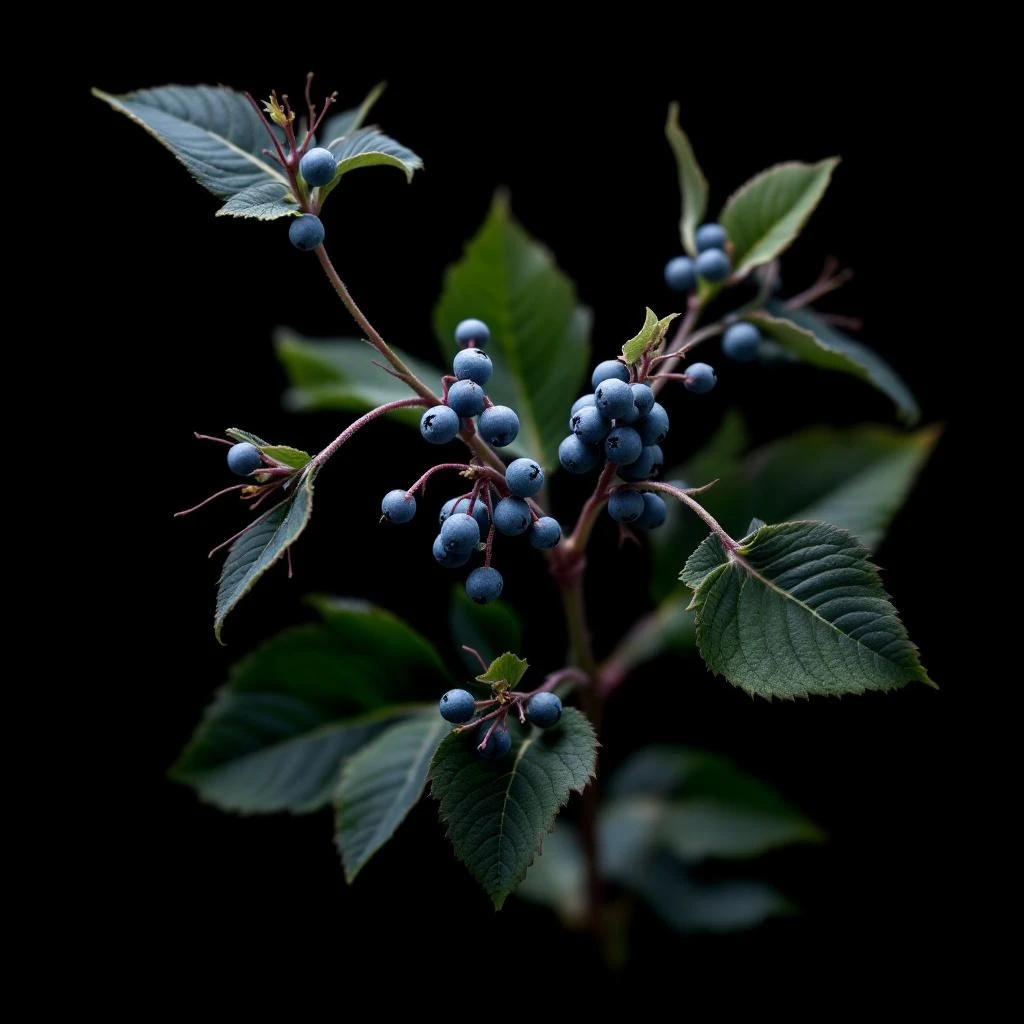
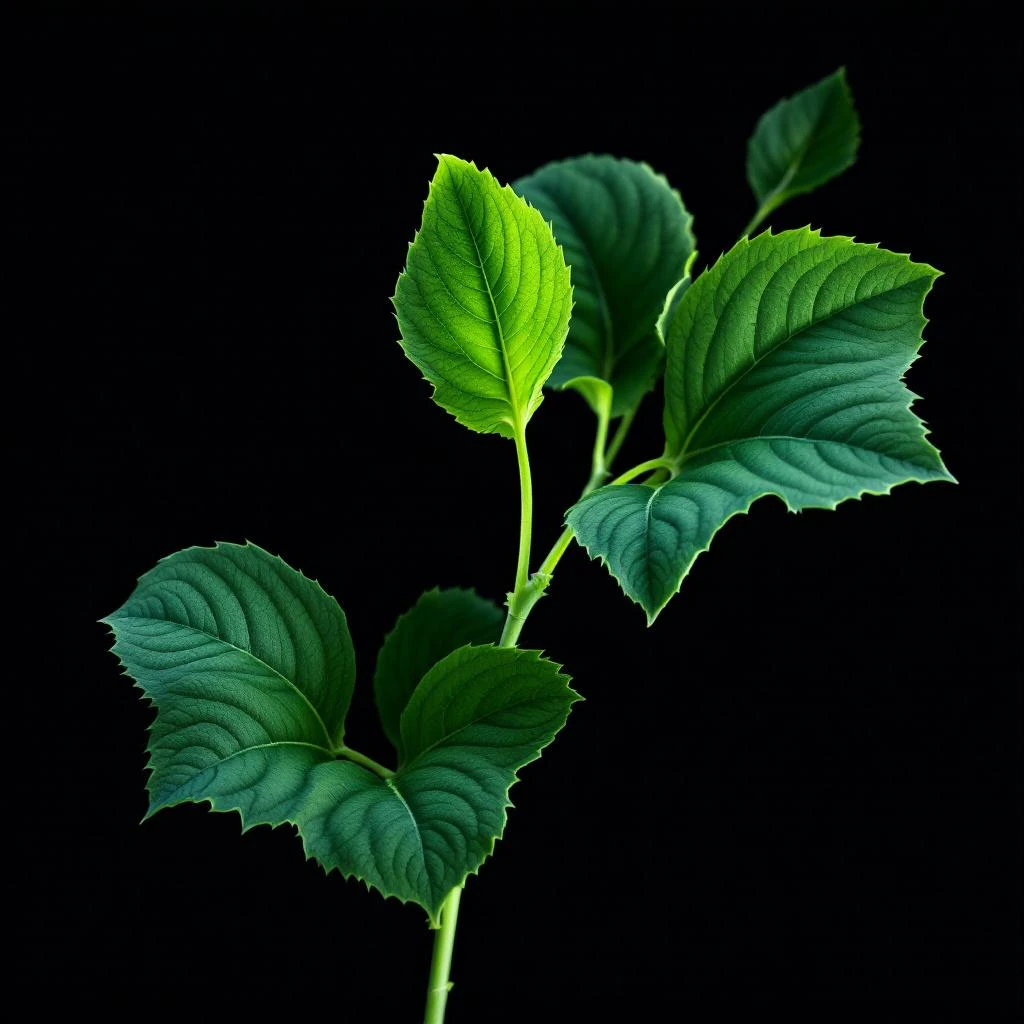
Greek Labdanum comes from Cistus ladanifer, a shrub native to the Mediterranean basin. Greece, Spain, and Morocco are primary production regions, with the Greek islands and mainland highlands providing ideal growing conditions.
How is labdanum harvested?
Harvesting involves collecting the sticky resin from Cistus ladanifer leaves and stems. Modern production uses solvent extraction or steam distillation. Traditional methods included boiling plant material or combing the resin from grazing animals.
What fragrances feature Greek Labdanum?
Labdanum serves as a key ingredient in amber and chypre fragrances. It appears in classical scents like amber compositions and modern woody perfumes, providing warmth, depth, and long-lasting base notes.
Is labdanum a sustainable ingredient?
Cistus ladanifer grows wild across Mediterranean regions and regenerates after harvesting. Sustainable wildcrafting practices ensure the shrubs remain healthy, though demand for high-quality absolute can pressure wild populations.
How long has labdanum been used in perfumery?
Labdanum has a documented history spanning over 3,000 years. Egyptian texts from 3000 BCE mention its use, and ancient Greek historians like Herodotus described harvesting methods from the 5th century BCE.
Can labdanum be combined with other fragrance ingredients?
Labdanum pairs exceptionally well with oakmoss, which creates the classic chypre structure. It combines beautifully with other resinous materials like frankincense, myrrh, and benzoin, as well as with woody notes including sandalwood and cedarwood.