Grapefruit Wood
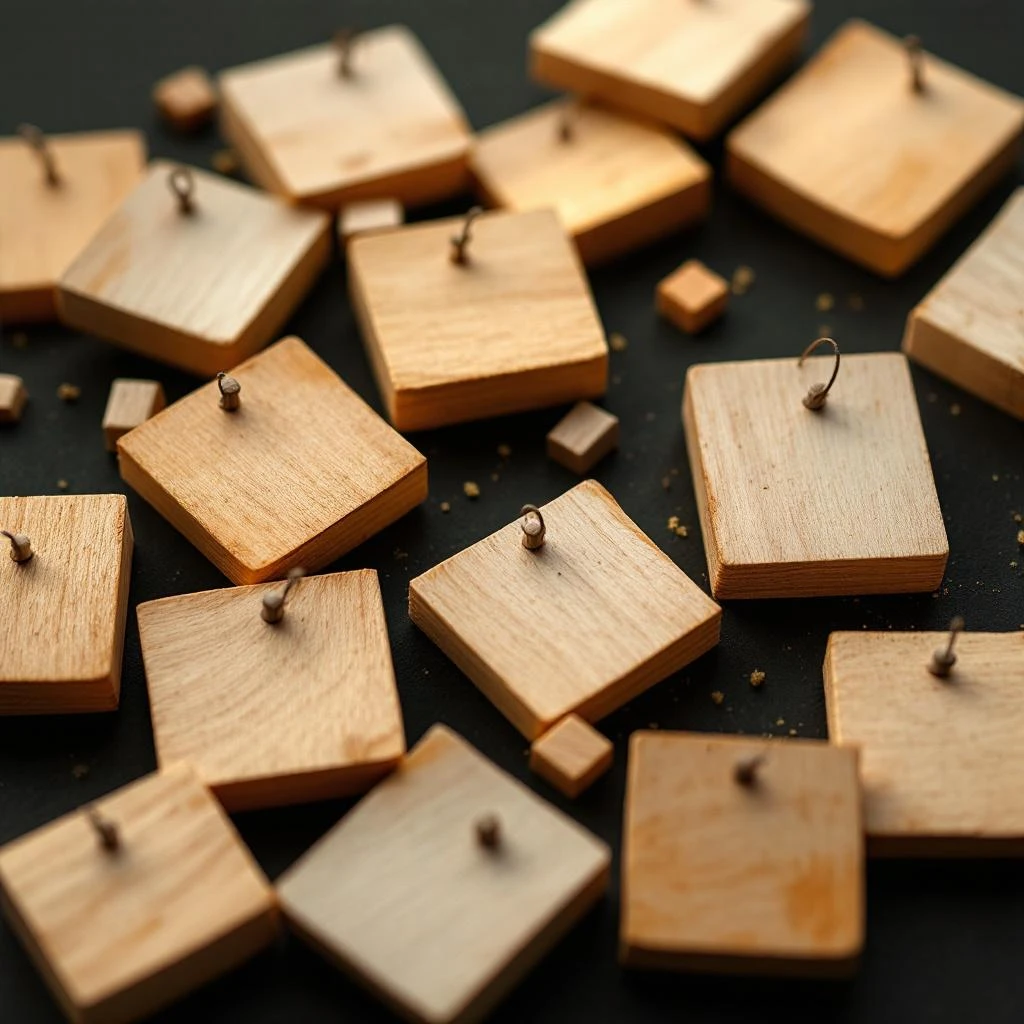
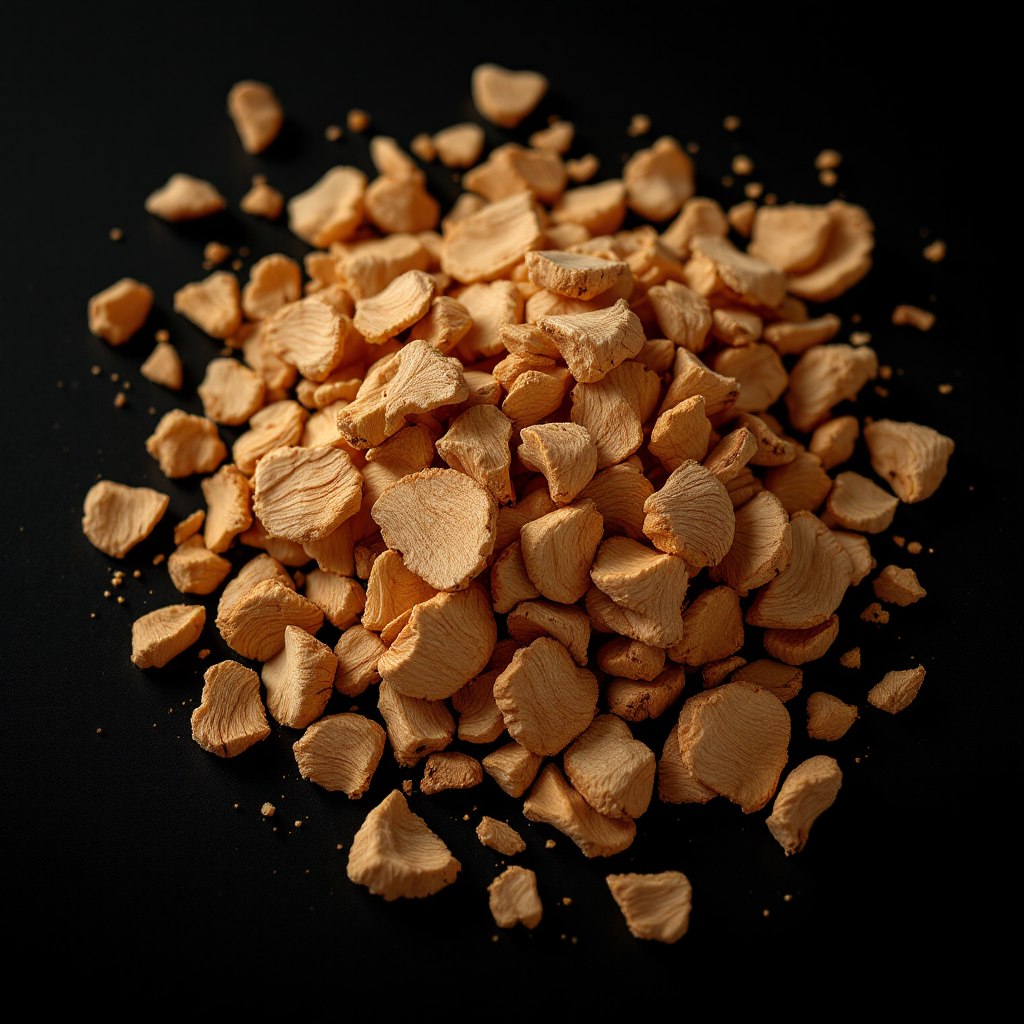
Grapefruit Wood transforms pruning waste from citrus groves into a fragrance material that captures both the fruit's bright peel and the quiet depth of the grove itself. Upcycling meets olfaction.
Character
How it smells
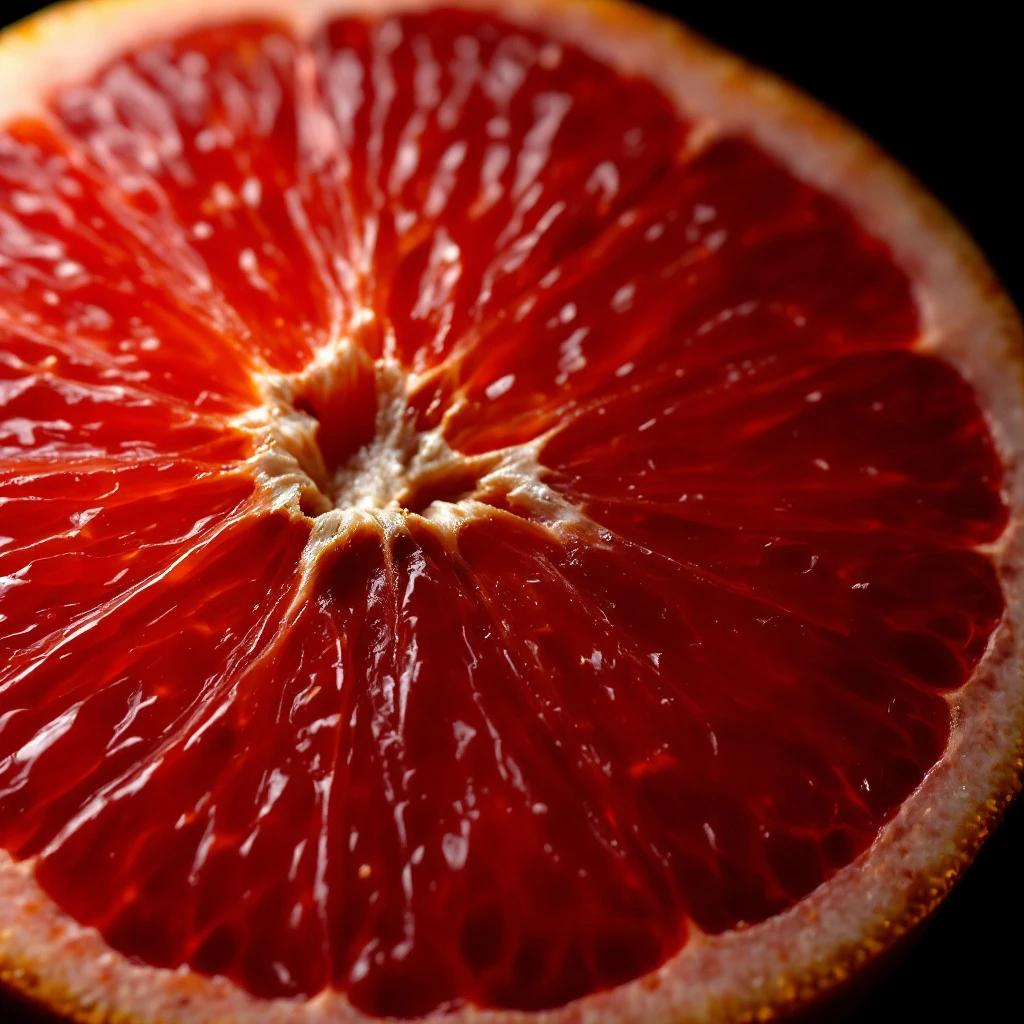
Sun-bright citrus meets deep wood
Grapefruit is just 270 years old, a natural hybrid first documented in Barbados in the mid-18th century.


Origin
United States
Grapefruit originated as a natural hybrid in the mid-18th century on Caribbean islands, specifically documented in Barbados around 1750. The cross between pomelo and sweet orange produced a fruit that early observers named for its growing habit: clusters hanging like grapes from branches. For decades, grapefruit remained largely ignored outside the West Indies, considered too bitter for widespread appeal.
The fruit reached Florida by the early 1800s, where the subtropical climate proved ideal. Commercial cultivation expanded dramatically in the 20th century, making Florida and Texas major global producers. Citrus fragrance itself has ancient roots in perfumery, but grapefruit wood as a distinct ingredient is a modern innovation.
It emerged as perfumers began seeking sustainable, upcycled materials that could deliver both freshness and depth without requiring new agricultural inputs. This ingredient carries the history of an accidental hybrid and the ingenuity of contemporary scent creation.
Wears it best
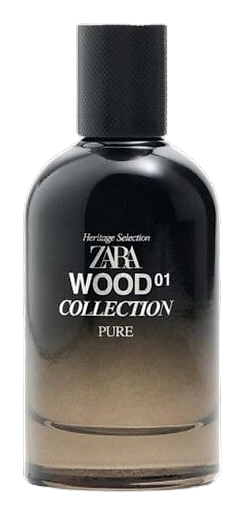
Fragrances featuring Grapefruit Wood



Brands
Brands known for Grapefruit Wood
Good to know
Questions, answered
The essentials on Grapefruit Wood in perfumery: how it smells, where it comes from, and how it behaves on skin.
What is Grapefruit Wood in perfumery?
Grapefruit Wood is an upcycled fragrance ingredient derived from wood shavings and pruning waste from grapefruit cultivation. Steam distillation captures both the fruit's bright citrus character and the wood's warm, resinous depth, creating a material that functions as a bridging note between citrus and woody fragrance families.
How does Grapefruit Wood differ from grapefruit essential oil?
Grapefruit essential oil comes from cold-pressing the fruit peel, delivering fresh, bright citrus. Grapefruit Wood comes from steam-distilling the tree's woody material, adding depth and a subtle cedar-like warmth that extends the lifespan of citrus notes on skin.
How is Grapefruit Wood produced?
Citrus pruning waste becomes a fragrant material through steam distillation of wood and branches. This process extracts volatile aromatic compounds without requiring new cultivation, making it a sustainable choice in modern perfumery.
Why is Grapefruit Wood considered sustainable?
The ingredient upcycles agricultural waste that already exists from orchard maintenance. No additional land, water, or cultivation is needed, reducing the environmental footprint compared to ingredients harvested solely for fragrance production.
What does Grapefruit Wood smell like?
Expect a pairing of bright citrus peel with warm cedar undertones. The citrus provides an immediate, sparkling opening while the wood component adds quiet depth that lingers, creating a scent that feels both fresh and grounded.
What fragrance families use Grapefruit Wood?
Grapefruit Wood bridges citrus and woody categories. It appears in modern colognes, chypres, and woody florals where perfumers want to anchor bright opening notes with sustainable depth.
Does Grapefruit Wood last longer than grapefruit oil alone?
Yes. The woody distillation addsfixative properties that slow evaporation of the lighter citrus molecules, extending the presence of bright notes by roughly 30 minutes compared to essential oil alone.
Is Grapefruit Wood natural or synthetic?
Grapefruit Wood is considered natural. It derives from actual grapefruit tree material through steam distillation, though it qualifies as upcycled since the wood would otherwise go to waste during routine orchard maintenance.