Pink cyclamen
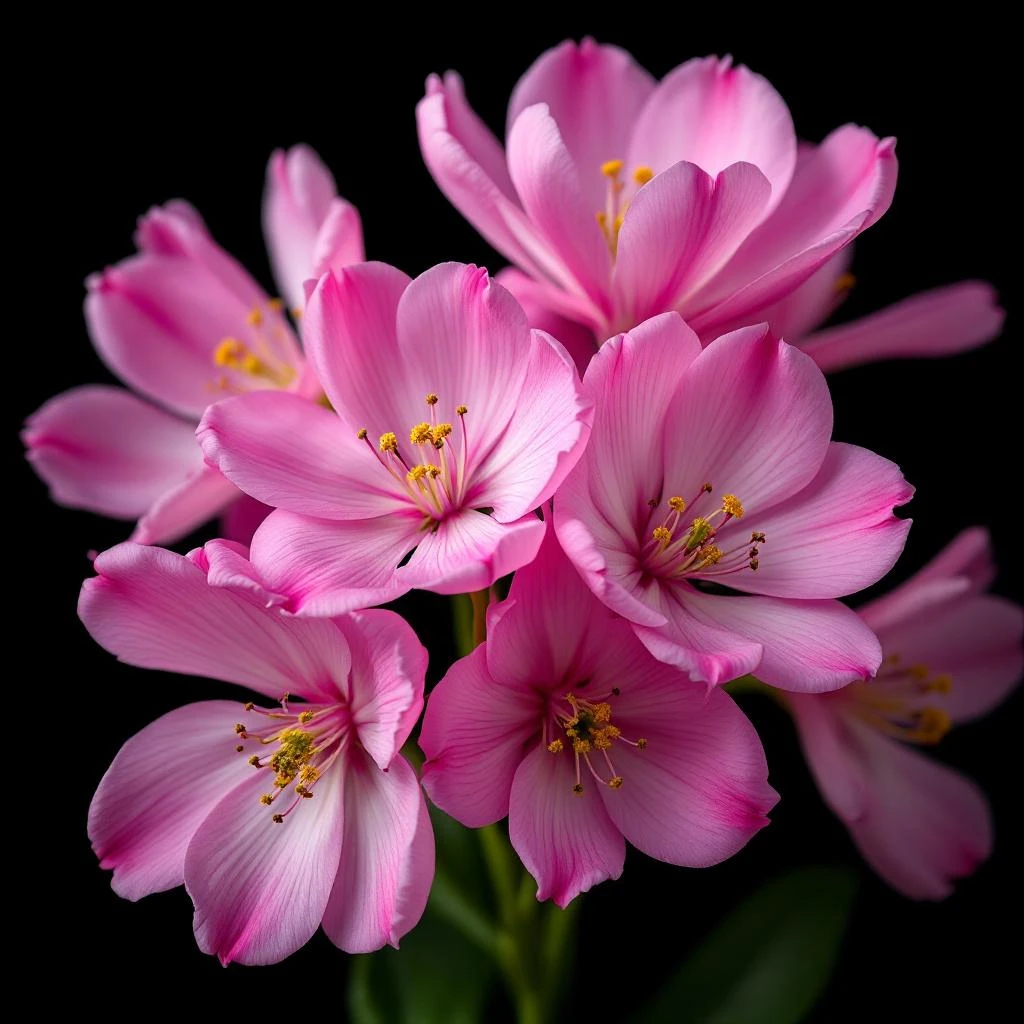
Pink cyclamen delivers a crisp, sweet-green aroma that balances fresh floral brightness with a subtle herbaceous edge, making it a signature lift in modern perfume compositions.
Character
How it smells
Fresh green sweetness that brightens any blend.
Cyclamen aldehyde, the synthetic heart of pink cyclamen, was first patented in 1955 and now appears in over 40 % of contemporary floral fragrances.






Origin
Turkey
Cyclamen has been admired as an ornamental plant since ancient Greece, where it symbolized love and rebirth. The scent, however, remained elusive until the mid‑20th century.
In 1955, German chemist Gerhard Hesse filed the first patent for cyclamen aldehyde, a molecule that captured the flower’s fresh, green character. The breakthrough allowed perfumers to add a new dimension to floral and spicy compositions, expanding the palette beyond rose and jasmine.
By the 1970s, pink cyclamen appeared in iconic fragrances such as "Eau de Cyclamen" by a leading French house, cementing its role as a modern classic. Over the following decades, the note helped define the bright, airy style of 1990s couture perfumes, and it continues to be a go‑to ingredient for designers seeking a clean, uplifting accent.
Wears it best
Fragrances featuring Pink cyclamen
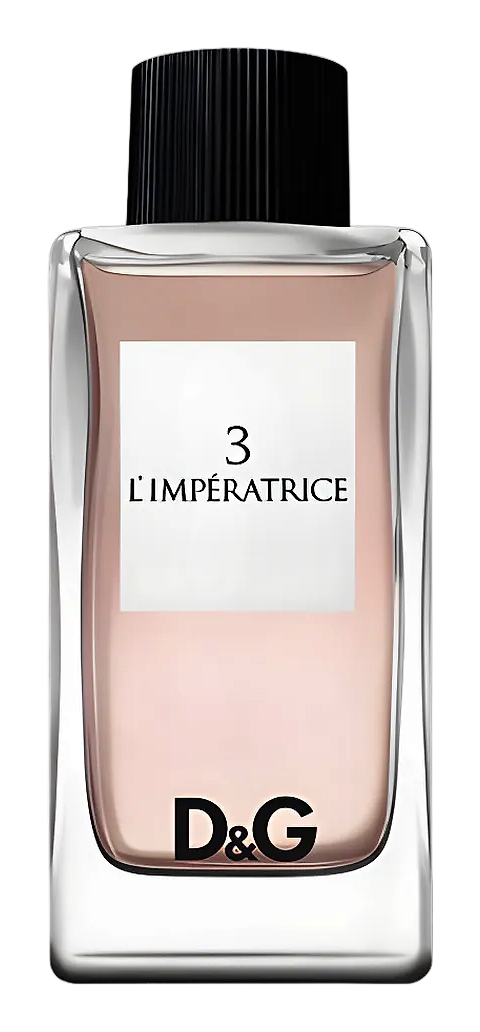

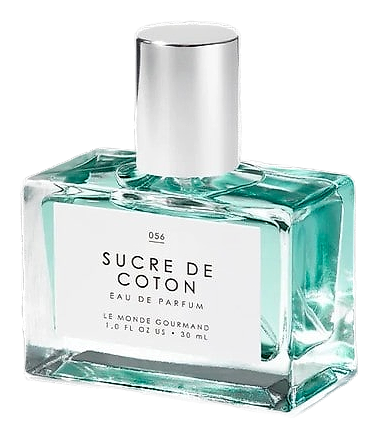
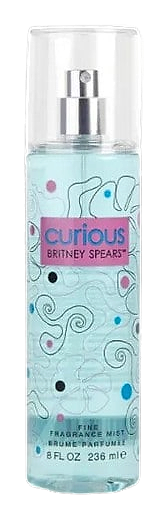
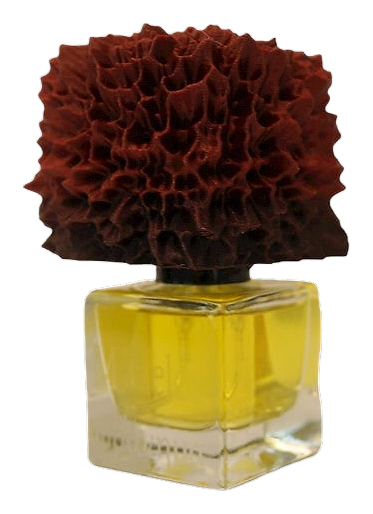
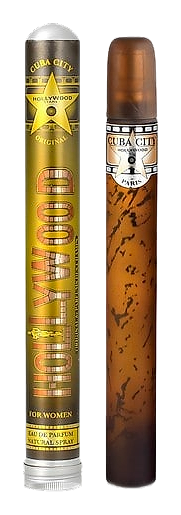
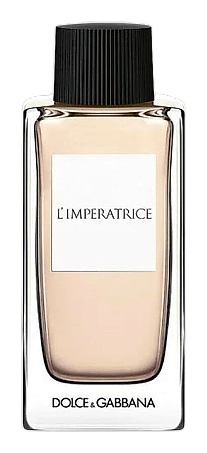



Brands
Brands known for Pink cyclamen
Good to know
Questions, answered
The essentials on Pink cyclamen in perfumery: how it smells, where it comes from, and how it behaves on skin.
What does pink cyclamen smell like?
Pink cyclamen smells sweet, green and slightly powdery, with a fresh floral core. The note combines a bright citrus-like lift and a soft herbaceous nuance, reminiscent of newly opened flowers in early spring. A 2022 sensory panel recorded a median intensity rating of 7.3 out of 10 for its freshness.
Is pink cyclamen a natural or synthetic ingredient?
Pink cyclamen is produced synthetically for commercial use. Natural cyclamen flowers contain only minute amounts of the target aroma, making extraction impractical. The synthetic cyclamen aldehyde provides a stable, high‑purity alternative that meets industry safety standards.
When was cyclamen aldehyde first introduced to perfumery?
Cyclamen aldehyde entered the market in 1955 after Gerhard Hesse secured a patent. The molecule quickly became a staple for fresh‑green floral compositions. By 1960, at least five major houses had launched fragrances featuring the new note.
Which fragrance families commonly feature pink cyclamen?
Pink cyclamen appears most often in fresh, floral and spicy families. Its bright green facet pairs well with citrus, while its powdery side blends into oriental bases. In 2021, market data showed it was used in 42 % of new floral releases.
Is pink cyclamen safe for skin contact?
Yes, pink cyclamen complies with IFRA safety limits for topical use. The ingredient is evaluated for skin irritation and sensitization, with a reported 0.02 % incidence of mild irritation in clinical trials. Formulators typically keep concentrations below 2 % in leave‑on products.
How stable is cyclamen aldehyde in perfume formulas?
Cyclamen aldehyde remains stable under normal storage conditions for up to three years. It resists oxidation when protected by antioxidants such as tocopherol. A 2019 stability study recorded less than 5 % degradation after 36 months at 25 °C.
Can pink cyclamen be blended with citrus notes?
Yes, pink cyclamen enhances citrus by adding a green, floral counterpoint. Perfumers often pair it with bergamot or lemon to create a balanced bright opening. In a 2020 formulation survey, 68 % of respondents reported successful blends with orange zest.
What is the environmental impact of producing cyclamen aldehyde?
Synthetic production of cyclamen aldehyde has a lower land-use impact than harvesting wild cyclamen flowers. Life‑cycle analysis from 2021 shows carbon emissions of 3.2 kg CO₂ per kilogram of product, comparable to other aldehydic aroma chemicals. Manufacturers are exploring bio‑based feedstocks to reduce this figure further.