Grape Sugar
Grape Sugar captures the sweet, syrupy essence of ripening clusters, bottling the honeyed nectar that forms at the heart of every mature Vitis vinifera fruit.
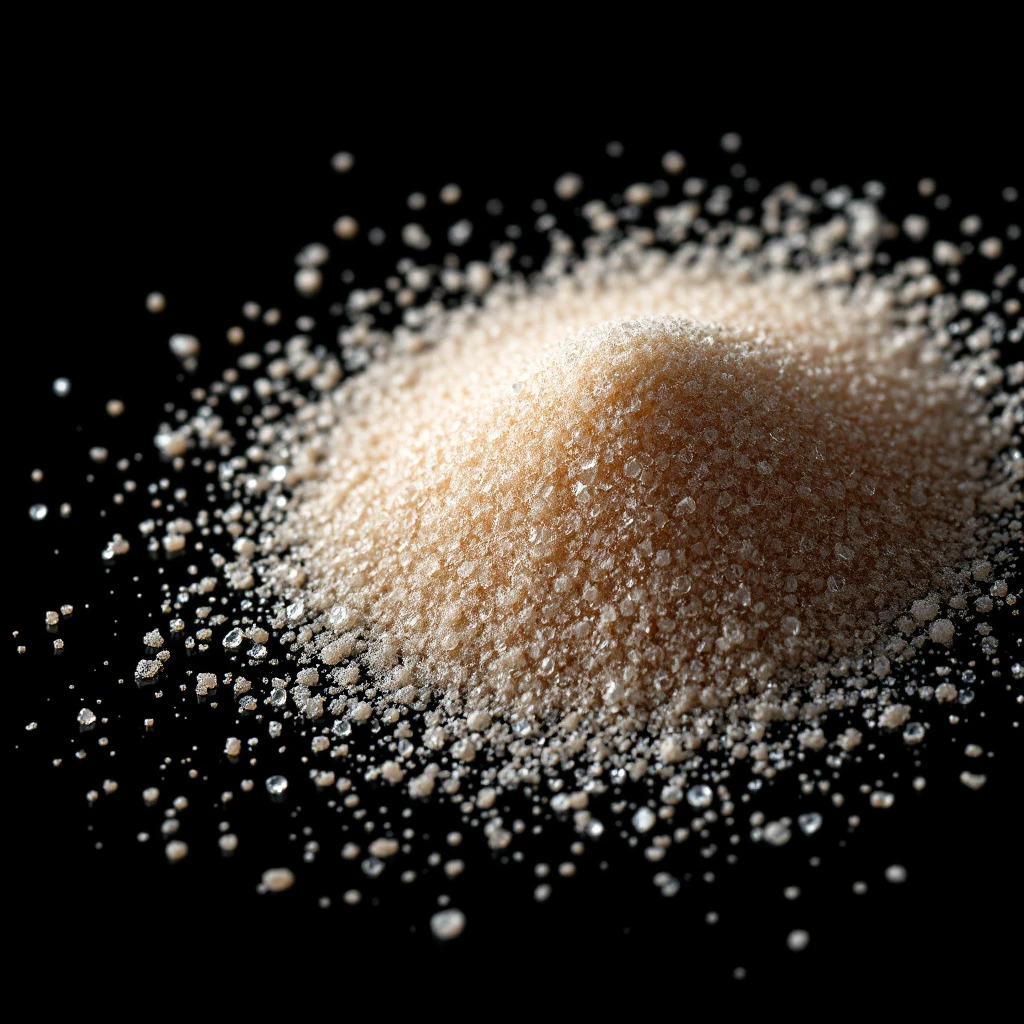
Character
How it smells
Pressed sweetness, crystallized in scent
Grape sugar consists primarily of glucose and fructose, the same two simple sugars that perfumers isolate to create fruity gourmand accords.



Origin
Mediterranean region
Grapes have scented human civilization since antiquity. The earliest documented use of grape-derived materials in perfumery traces to ancient Egypt, where unguents blended with wine and fruit extracts anointed priests, royalty, and the deceased. Egyptian perfumers differentiated their creations into two principal categories: those based on fragrant oils and those built around wine-inspired aromatic waters.
Archaeological evidence from Mesopotamian sites confirms that winemaking and scent crafting developed in parallel, with grape musts and vine leaves appearing in ritual preparations. By the 19th century, chemists began identifying the specific molecules responsible for grape's distinctive aroma, isolating compounds from Vitis vinifera that perfumers could standardize. This scientific approach gave birth to modern fruity gourmand compositions, where grape sugar accord became a signature element in late 20th-century fragrances.
Today, the note evokes both Mediterranean abundance and laboratory precision, a bridge between ancient orchards and contemporary molecular perfumery.
Wears it best
Fragrances featuring Grape Sugar
Brands
Brands known for Grape Sugar
Good to know
Questions, answered
The essentials on Grape Sugar in perfumery: how it smells, where it comes from, and how it behaves on skin.
What does grape sugar smell like in perfume?
Grape sugar smells sweet, juicy, and syrupy with a slight wine-like edge. The accord typically combines fruity esters, caramelized furaneol, and green leaf notes. It evokes sun-warmed clusters of Vitis vinifera, offering a gourmand character without cloying heaviness.
Is grape sugar a natural or synthetic note?
Most grape sugar accords in modern perfumery are reconstructed synthetically. Perfumers isolate key aroma compounds such as ethyl 2-methylbutyrate and isoamyl acetate, then blend them with sugar derivatives. This ensures consistency and stability that direct grape extraction cannot reliably provide.
When was grape first used in perfumery?
Grape materials appear in Egyptian perfumery records dating back over 4,000 years. Ancient Egyptian texts distinguish between oil-based and wine-based aromatic preparations, with grape musts featured in sacred unguents. This makes grape one of perfumery's oldest documented ingredients.
What fragrances use grape sugar notes?
Grape sugar accents appear in many fruity and gourmand compositions. It works well in white floral bases, adding sweetness without florality, and in oriental compositions where it bridges fruit and spice layers. The note has grown in popularity since the 1990s gourmand trend.
Can grape sugar be extracted from real grapes?
Direct extraction from fresh grapes is challenging because the aromatic compounds degrade quickly. Perfumery-grade grape essence is typically produced by analyzing Vitis vinifera must, identifying its volatile molecules, and reconstructing them. Some natural absolutes exist but remain rare and expensive.
What is the difference between grape and grape sugar?
Grape notes capture the full aromatic profile of the fruit, including skin, pulp, and sometimes vine. Grape sugar focuses specifically on the sweet, syrupy character of the fruit's sugars and their associated esters. Grape sugar reads as more confection-like and less vinous.
Is grape sugar safe in fragrance?
Yes, grape sugar accords are generally recognized as safe for cosmetic use. The individual aroma chemicals used, including ethyl methylbutyrate and furaneol at typical concentrations, are approved by international fragrance safety bodies such as IFRA.
Does grape sugar note smell alcoholic?
Grape sugar can carry subtle wine-like undertones due to shared aromatic compounds, but it is intentionally designed to smell sweet rather than fermented. Perfumers balance esters and sugar derivatives to capture the fresh, unfermented character of ripe table grapes.





