Glazed Woods
A confection of polished timbers laced with warm sweetness, Glazed Woods captures the moment sap meets sugar. Smoky cedar, honeyed sandalwood, and resinous amber blur into something both earthy and indulgent.
Character
How it smells
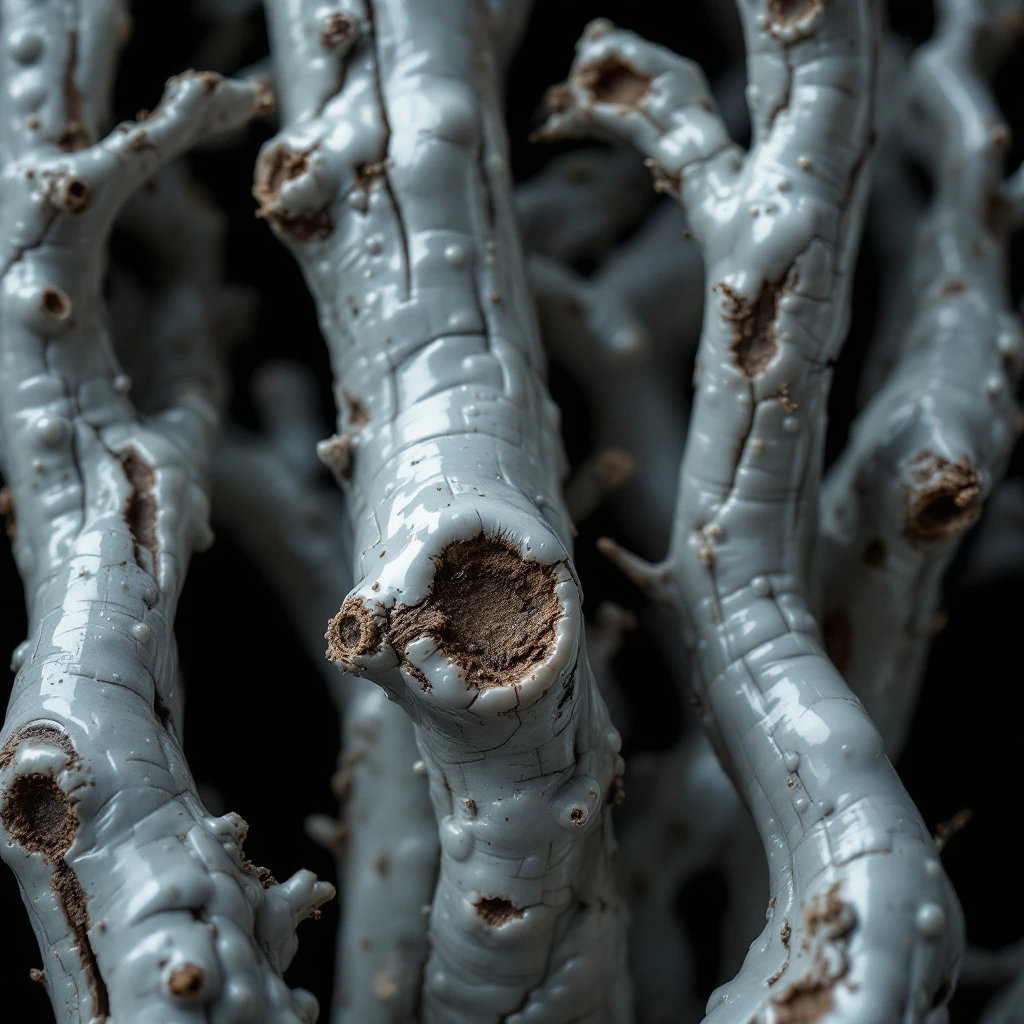
Wood, polished to a sugary shine.
The 'glaze' effect comes from pairing traditional woody distillates with sweet resinoids and vanillin derivatives, a 20th-century perfumer's trick.

Origin
India
Woody notes have anchored perfumery since antiquity, when powdered agarwood and sandalwood served as incense across temples in Mesopotamia, Egypt, and the Indus Valley. By the Middle Ages, sandalwood traveled the Silk Road into Arabic and European perfume formulas, prized for its long-lasting creaminess. The modern 'glazed' interpretation, however, is a 20th-century innovation.
When synthetic vanillin became widely available after the 1870s, perfumers like François Coty began layering sweet molecules over classic woody structures, creating compositions that smelled simultaneously smoky and confectionary. Guerlain's Shalimar (1925) is often cited as an early showcase for this contrast, pairing woods with vanillic warmth. By the 1980s and 1990s, oriental-woody fragrances built around sandalwood, cedar, and resinous benzoin had become a global category.
Today's Glazed Woods accords reflect that lineage, blending traditional distilled timbers with synthetic sweeteners to evoke a polished, almost edible woodiness that feels both ancient and contemporary.
Wears it best
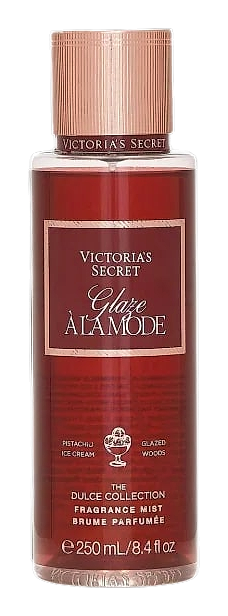
Fragrances featuring Glazed Woods
Brands
Brands known for Glazed Woods
Good to know
Questions, answered
The essentials on Glazed Woods in perfumery: how it smells, where it comes from, and how it behaves on skin.
What does Glazed Woods smell like?
Glazed Woods smells like warm timber coated with a sugary sheen, blending smoky cedar, creamy sandalwood, and resinous benzoin with caramel-like vanillin. The effect is earthy yet sweet, dense yet polished.
Is Glazed Woods a natural ingredient?
Glazed Woods is a constructed accord rather than a single natural extract. It combines steam-distilled wood oils with resinoids and synthetic sweeteners like vanillin, a common 20th-century perfumery technique.
Where does the woody base in Glazed Woods come from?
Most woody components trace to India, the world's largest producer of sandalwood (Santalum album). Cedarwood (Juniperus virginiana) is typically sourced from the southeastern United States, while vetiver roots come from Haiti and Indonesia.
Is sandalwood sustainable?
Indian sandalwood has faced overharvesting since the 1990s, and mature trees now take 15 to 20 years to reach harvestable age. Many perfumers now supplement with Australian or New Caledonian sandalwood alternatives.
How is cedarwood oil extracted?
Cedarwood oil is produced by steam distillation of chipped heartwood and sawdust residues. The wood is heated with pressurized steam, releasing cedrol and other aromatic compounds that condense into a pale yellow essential oil.
Why add vanillin to a woody accord?
Vanillin adds a caramelized sweetness that softens the dryness of woods, creating the polished 'glaze' effect. Synthetic vanillin has been used in perfumery since 1874, when its commercial synthesis made it widely affordable.
Is Glazed Woods safe in fragrance?
Yes. The individual IFRA-restricted components, including sandalwood and cedarwood oils, are widely approved for use in finished fragrance at regulated concentrations. Always check individual product labels if you have sensitivities.
Which famous perfumes feature Glazed Woods accords?
Guerlain Shalimar (1925) and many modern orientals like Tom Ford Oud Wood showcase the woody-vanilla contrast that defines glazed compositions. The style remains central to oriental-woody perfumery today.




