Sugared Blossoms
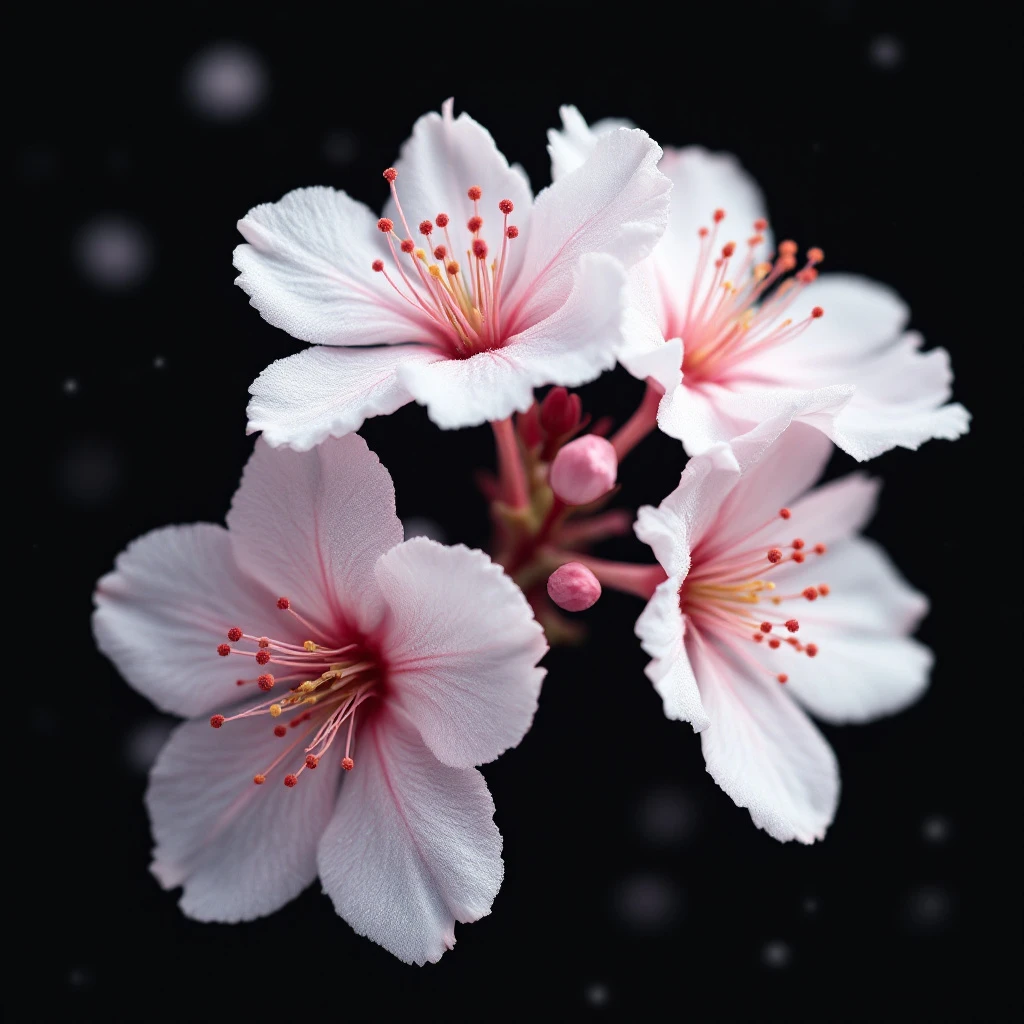
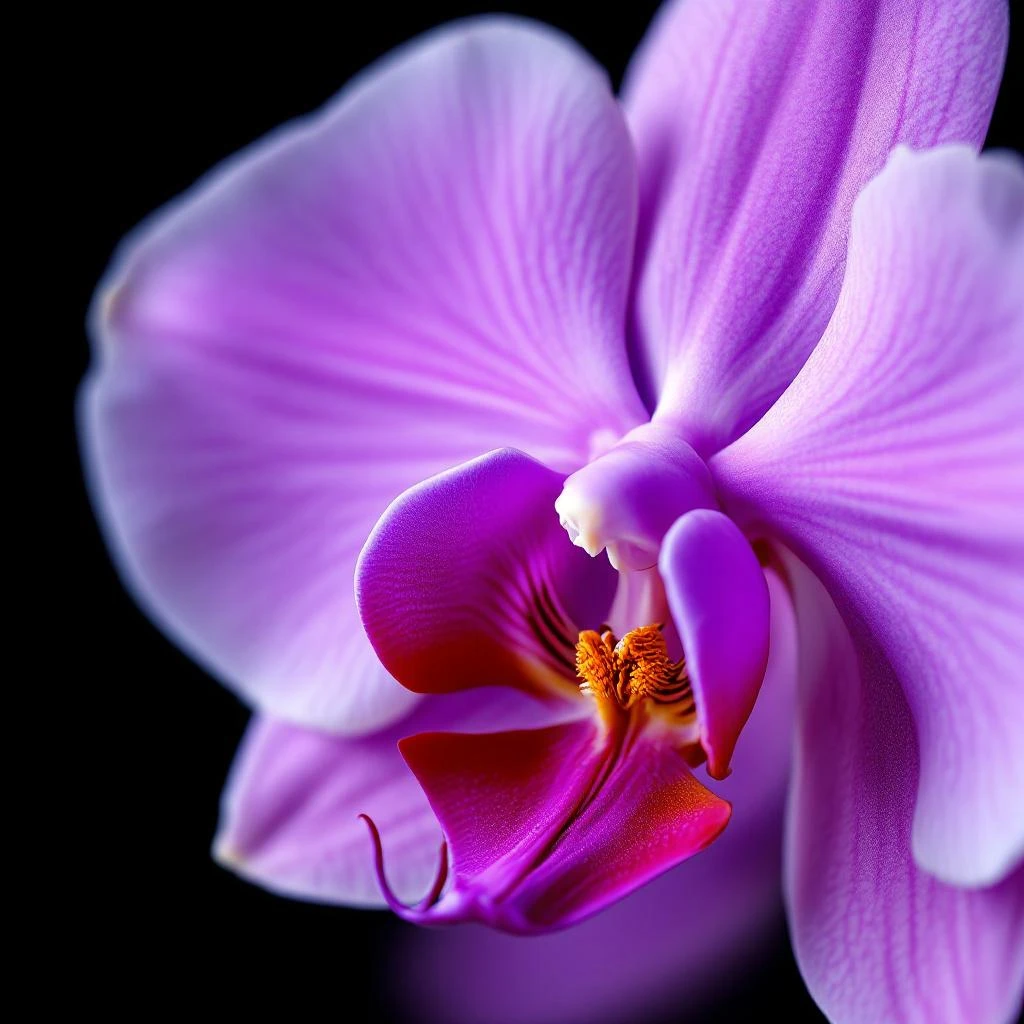
Sugared Blossoms capture the scent of flower petals dusted with powdered sugar. This sweet-floral effect blends candied citrus, soft petals, and warm vanilla warmth into one irresistible impression.
Character
How it smells
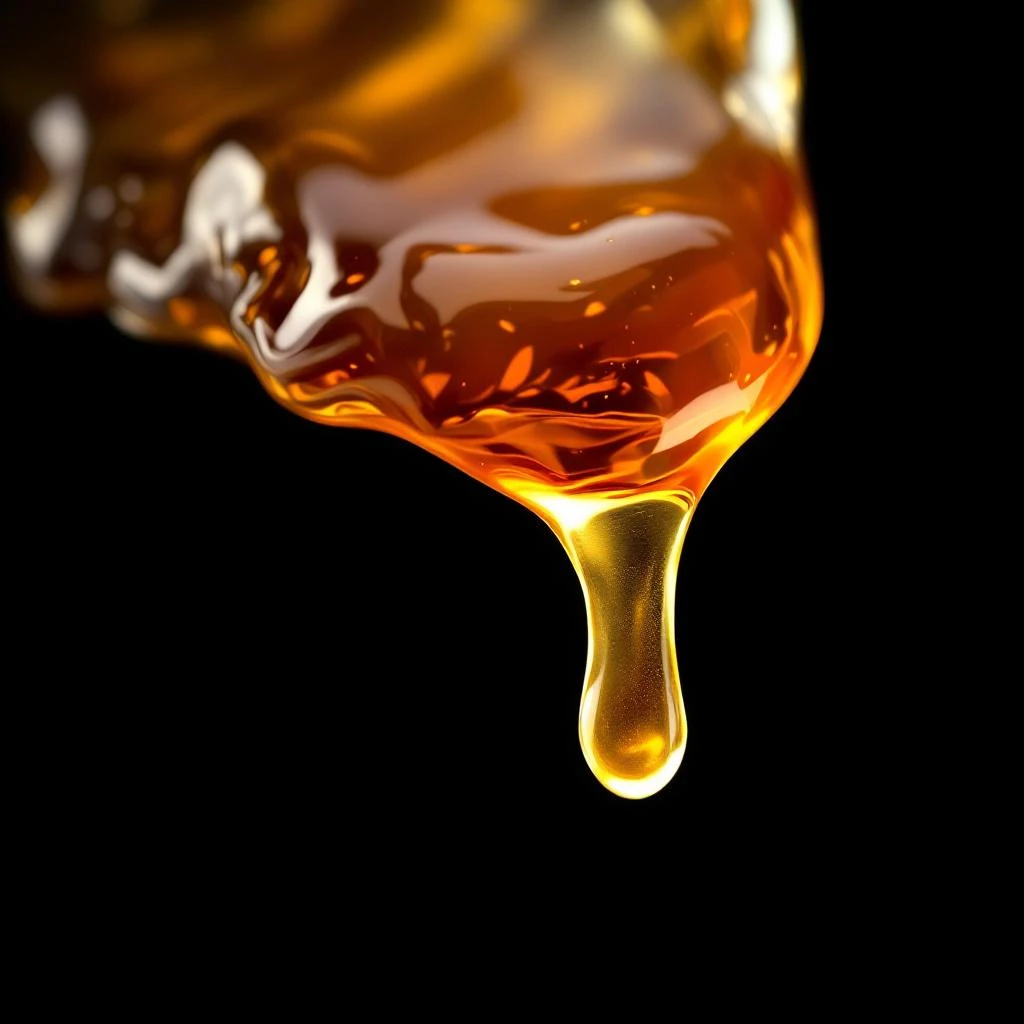
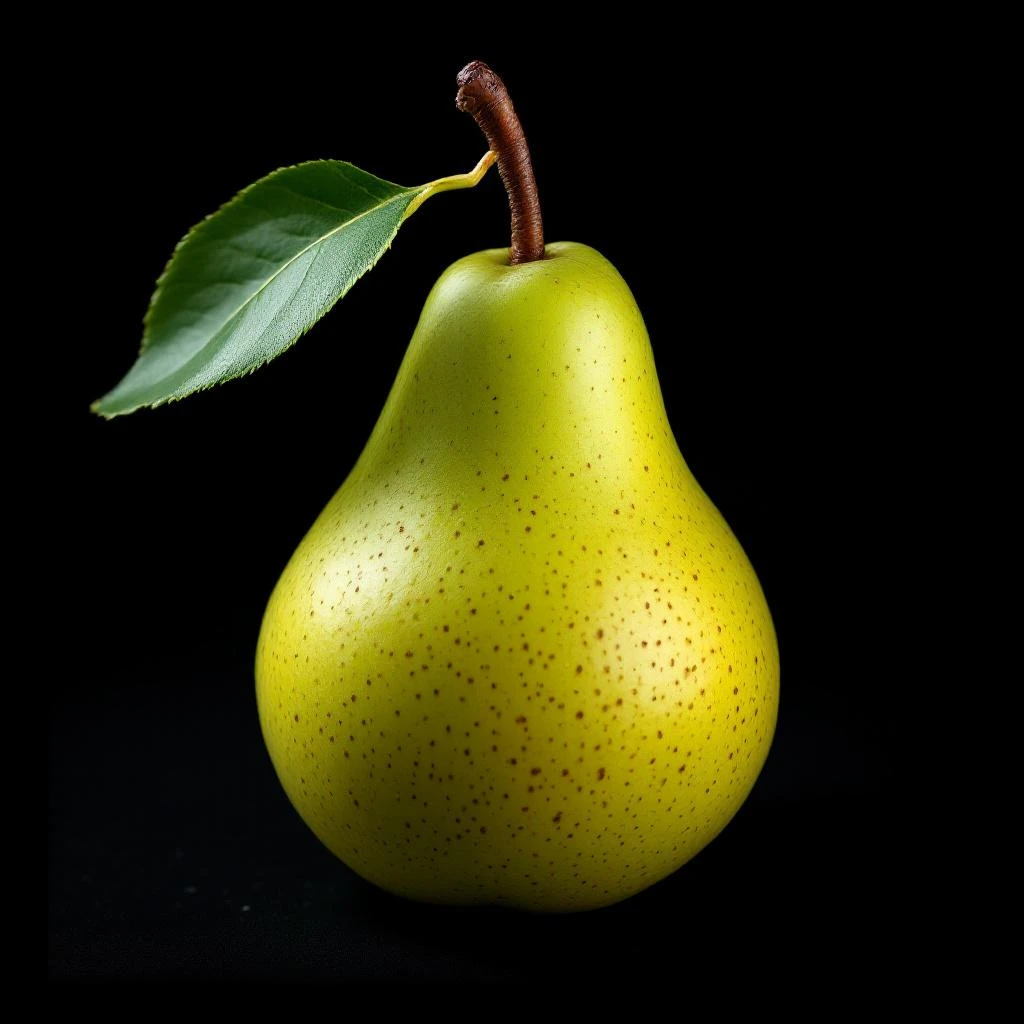
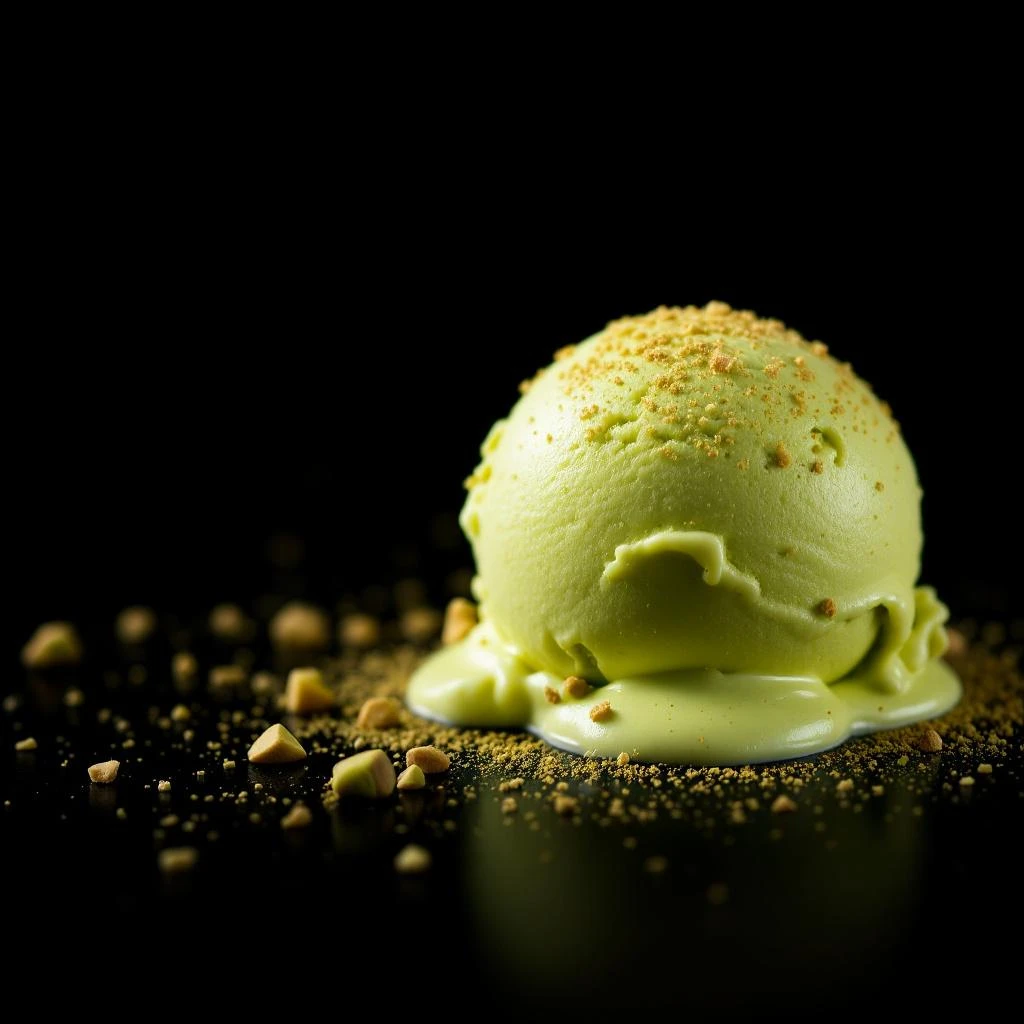
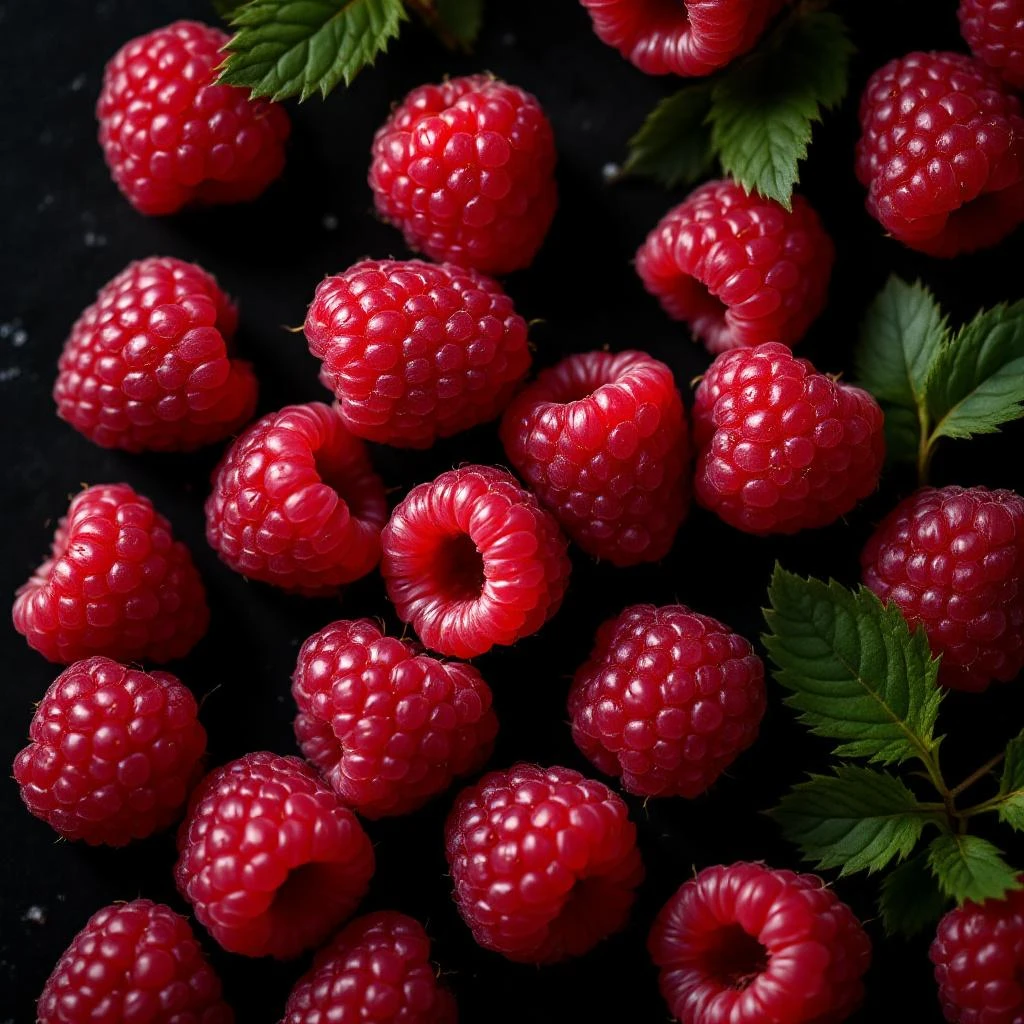
Candied petals. Soft floral warmth.
The first synthetic fragrance ingredient, vanillin, appeared in 1874. Sugared floral effects became possible once perfumers began engineering sweet compounds in the lab.

Origin
France
Sugar entered perfumery centuries ago as both ingredient and fixative. Ancient texts describe Arabian physicians blending sugar syrups with rose water for ceremonial scenting. Medieval European perfumers used sugar to preserve fragrance in pomanders and sweeten potpourri mixtures.
The breakthrough came in the 1800s when French and German chemists isolated aromatic molecules from natural materials, eventually synthesizing them in laboratories. Early synthetics like vanillin, coumarin, and heliotropin let perfumers recreate the scent of sugared flowers for the first time. This capability transformed fragrance design, enabling the soft, edible floral effects seen in Oriental and chypre families.
Modern perfumers continue this tradition, engineering sugar-floral accords that evoke crystallized petals and candied orange blossom with remarkable precision.
Wears it best
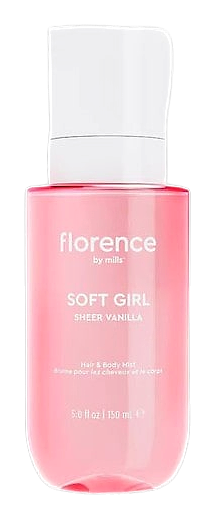
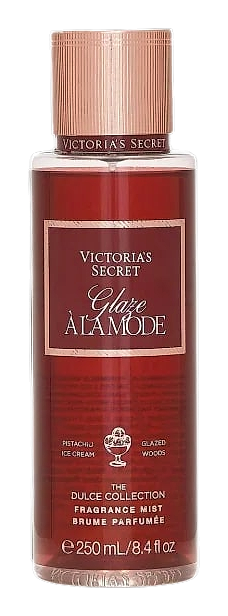
Fragrances featuring Sugared Blossoms
Brands
Brands known for Sugared Blossoms
Good to know
Questions, answered
The essentials on Sugared Blossoms in perfumery: how it smells, where it comes from, and how it behaves on skin.
What are Sugared Blossoms in perfumery?
Sugared Blossoms describe a sweet-floral fragrance effect where floral notes like orange blossom, jasmine, or rose smell dusted with powdered sugar. Perfumers engineer this impression using aromatic compounds such as vanillin, coumarin, heliotropin, and hedione. The result is an edible-looking floral that feels warm, soft, and slightly powdery.
How do perfumers create the sugared effect?
They combine sweet molecules including vanillin for creamy warmth, ethyl maltol for cotton-candy clarity, and gamma-undecalactone for peachy richness. Fixatives like sugar esters help these light compounds remain on skin longer. The technique draws from food science, letting perfumers program sweetness into floral compositions with precision.
Are Sugared Blossoms natural or synthetic?
Sugared Blossoms typically exist as a synthetic accord. While natural ingredients like orange blossom absolute contain sweet compounds, perfumers often build the sugared effect from lab-created aromatic molecules to achieve consistency and control. This approach became possible once chemistry let perfumers synthesize sweet-smelling compounds in the 19th century.
Which flowers work best with Sugared Blossoms?
Orange blossom pairs most naturally with sugared accords, capturing the scent of candied citrus flowers. Jasmine and rose also respond well, gaining warmth and softness. White florals like tuberose and gardenia take on an edible, tropical quality when the sugared effect frames them.
Do Sugared Blossoms smell different in warm versus cool weather?
Temperature changes how the sweetness registers. In warmth, the floral heart lifts while the sugary quality recedes into softness. In cool air, the sweet-floral effect becomes more pronounced, almost confectionery. Wearing sugared blossom fragrances in layered, close-to-skin applications showcases the effect best in any season.
When did sweet-floral accords first appear in perfume?
True sugared blossom effects emerged in the late 1800s alongside the first synthetic fragrance ingredients. Perfumery shifted from purely natural blends to engineered accords once chemists isolated and reproduced aromatic molecules. This innovation let perfumers recreate candied floral effects that had no natural equivalent.
Do vintage perfumes use Sugared Blossoms differently than modern ones?
Vintage perfumes relied on natural materials like tonka bean and vanilla to suggest sweetness. Modern formulations engineer sugared effects directly using precise aromatic compounds. Contemporary fragrances tend toward cleaner, more transparent sweetness while vintage scents offer deeper, richer sugar-floral warmth.
How long does the Sugared Blossoms effect typically last?
The Sugared Blossoms impression usually lasts four to six hours depending on concentration and fixative use. Sugar esters and base notes like benzoin or musks help extend the sweet-floral character. Higher concentrations in perfume extracts preserve the effect longer than lighter eau de formulations.





