Ginger Mint
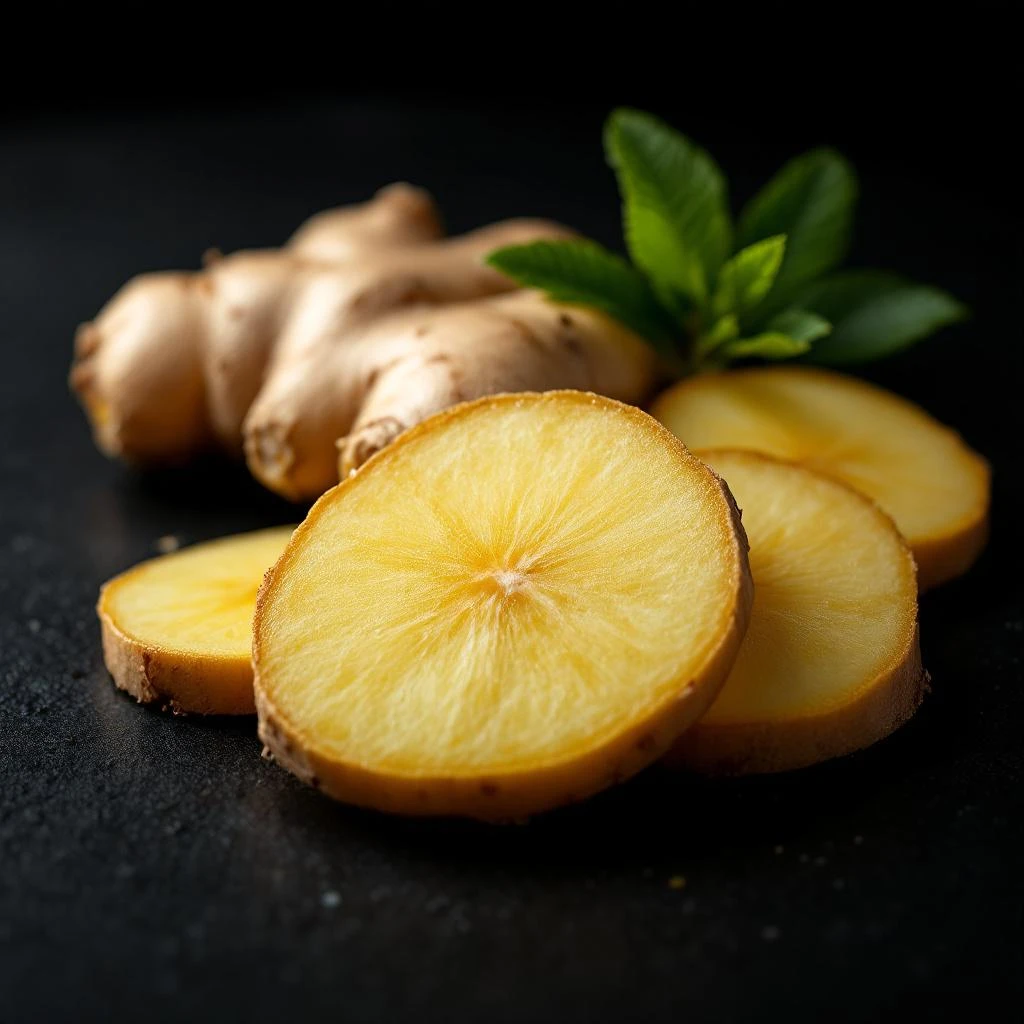
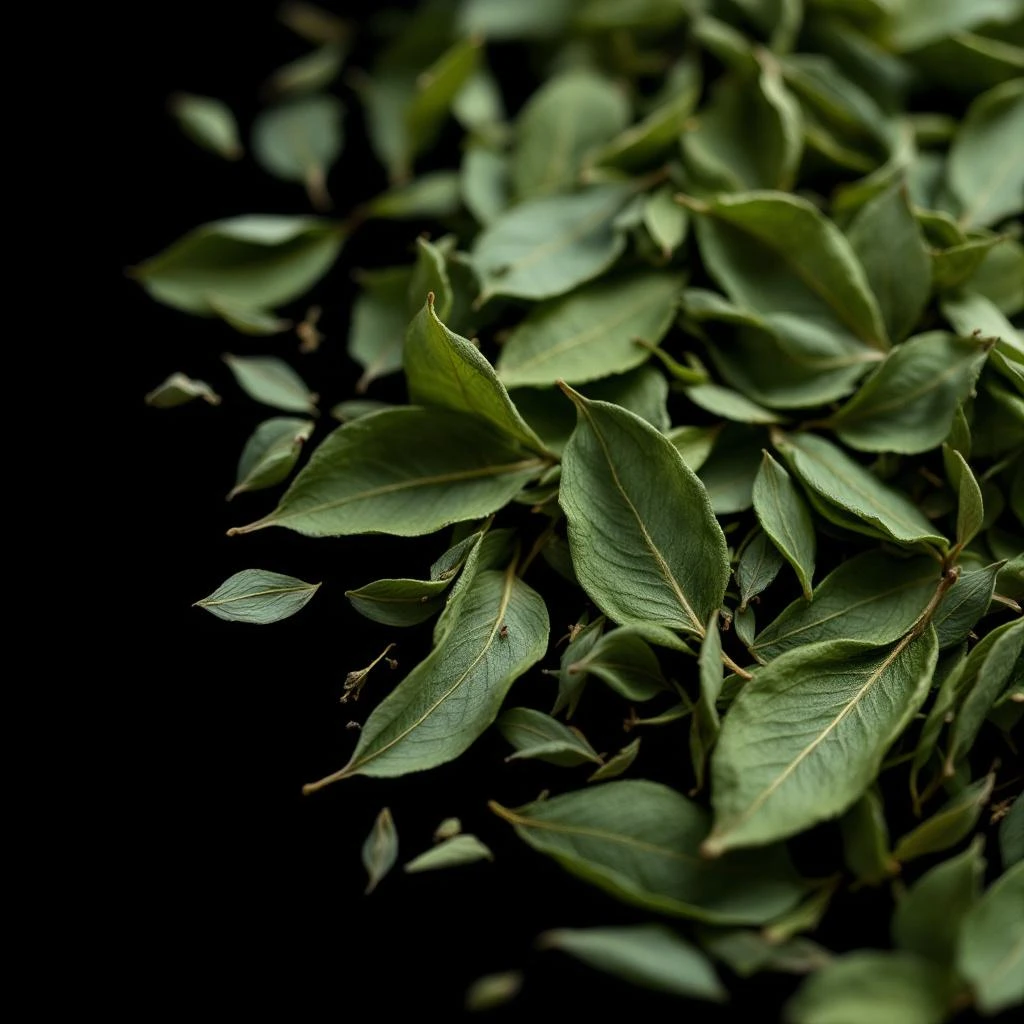
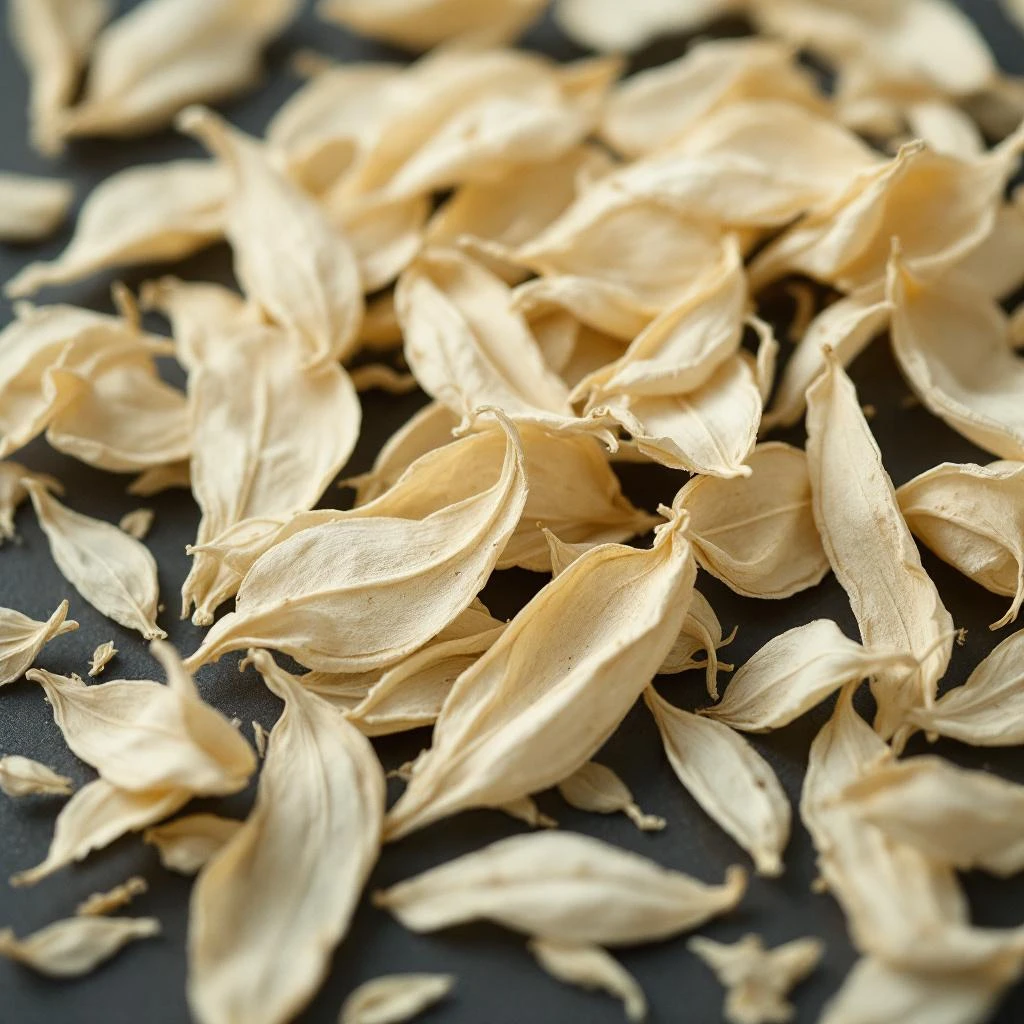
Ginger Mint captures the duality of hot and cold, blending the warming bite of crushed ginger root with the sharp clarity of fresh mint. This contrasting pairing creates fragrances that feel alive and kinetic, awakening the senses with every application.
Character
How it smells
Hot meets cold in a single breath.
Ancient Ayurvedic texts mention ginger-mint combinations for digestive remedies over 3,000 years before perfumers adopted the pairing.


Origin
India
Ginger (Zingiber officinale) originates from the tropical regions of South and Southeast Asia, where it has grown for over 5,000 years. Ancient Sanskrit texts document ginger's use in ceremonial medicines, while Chinese herbalists valued it as a warming remedy for centuries before it reached Mediterranean trade routes.
The Greek physician Dioscorides documented ginger in his first-century medical encyclopedia, noting its use as both medicine and spice. Mint's history extends equally far back, appearing in Greek mythology as the transformed nymph Mentha, and the Romans used mint to scent their bathwater and linens.
When distillation techniques advanced in the medieval Islamic world, perfumers gained access to concentrated aromatic materials from both plants. The pairing of ginger and mint likely emerged from early perfumers experimenting with contrast and balance, seeking to create fragrances with dynamic movement rather than static character.
Wears it best
Fragrances featuring Ginger Mint

Brands
Brands known for Ginger Mint
Good to know
Questions, answered
The essentials on Ginger Mint in perfumery: how it smells, where it comes from, and how it behaves on skin.
What does Ginger Mint smell like?
Ginger Mint delivers a dual sensation: the warm, spicy bite of crushed ginger root paired with the cool, sharp clarity of fresh mint. The combination creates an alerting, kinetic quality that feels both invigorating and balanced. This pairing works particularly well in top notes, where it provides an immediate sensory impact.
Is Ginger Mint a natural or synthetic ingredient?
Ginger Mint typically combines natural materials, as both ginger essential oil and mint oil are produced through steam distillation. Some modern fragrances may use nature-identical compounds for consistency. Most luxury and naturals-focused houses maintain the natural origin, though the specific composition varies by brand and formulation philosophy.
What type of fragrances use Ginger Mint?
Ginger Mint appears most often in aromatic, fresh, and sport fragrances targeting active lifestyles. It also works in masculine fougères, citrus colognes, and modern chypres seeking a contemporary edge. Some oriental fragrances incorporate it to add unexpected freshness and prevent heaviness in rich base compositions.
How long does Ginger Mint last on skin?
Ginger mint functions primarily as a top note, meaning it remains detectable for approximately 15 to 30 minutes after application. The mint element evaporates faster than the ginger component. Formulators sometimes increase ginger concentration when seeking longer-lasting effects, as ginger oil has better staying power than mint.
Where does ginger for perfumery originate?
India and China dominate global ginger production for essential oils, with Nigeria and Jamaica also supplying high-quality rhizomes. The Kerala and Tamil Nadu regions of India produce ginger particularly suited to distillation due to optimal growing conditions. Climate and soil composition significantly affect the aromatic profile of the resulting oil.
What crops are needed to produce ginger essential oil?
Approximately 50 kilograms of fresh ginger rhizomes yield just 1 kilogram of essential oil through steam distillation. The rhizomes must be harvested at peak maturity, cleaned, and processed quickly to prevent aroma degradation. Mint requires similar volumes, with about 100 kilograms of plant material producing 1 kilogram of mint oil.
Does ginger have historical use in perfumery?
Ginger entered perfumery after distillation techniques improved in the 19th century. Before that, dried ginger provided only a weak aromatic material unsuitable for fine fragrance. The development of efficient steam distillation in the 1870s allowed perfumers to access ginger's full aromatic complexity, leading to its gradual adoption in fragrance compositions.
What complementary ingredients pair well with Ginger Mint?
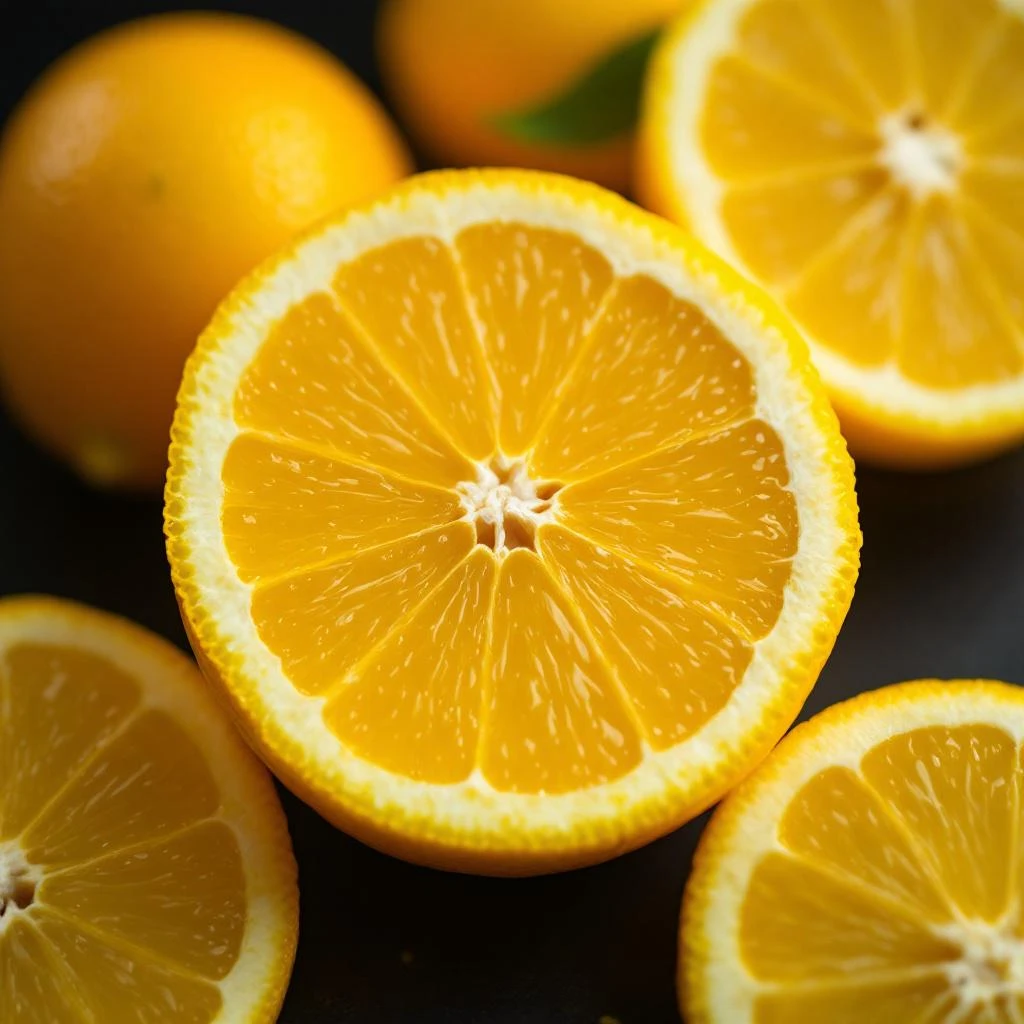
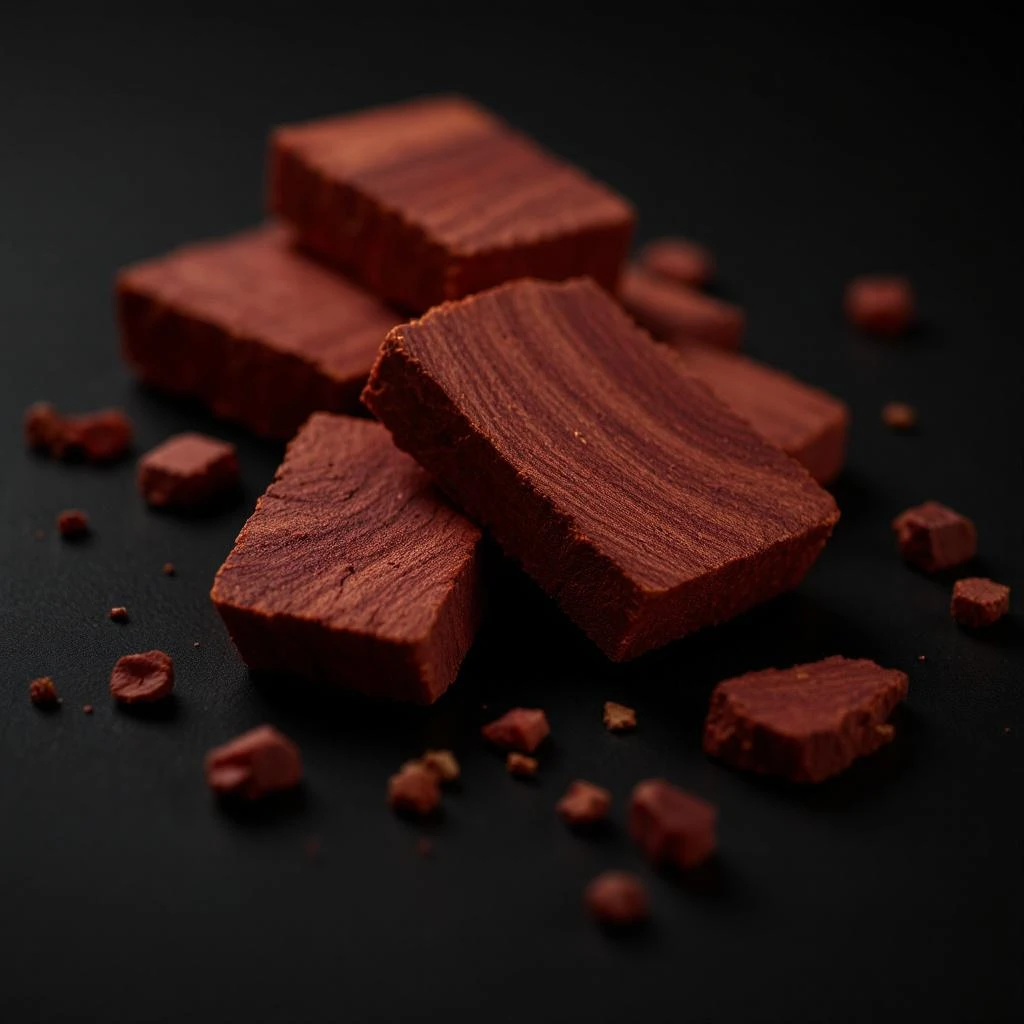
Ginger Mint blends effectively with citrus oils like bergamot and grapefruit, which amplify its fresh qualities. Woody materials such as vetiver and cedar add depth and prevent the combination from becoming too sharp. For warmer compositions, amber and vanilla create contrast, letting the cool mint element stand out against the sweetness.